

Rent Prices Falling: 10 Cities and What It Means for Your Budget

Rent prices falling can be a real opportunity if you are renewing a lease, moving, or trying to free up cash for debt payoff and savings.
Contents
21 sections
-
Rent prices falling: 10 cities to watch
-
Why rent falls in some places (and not others)
-
Sticker rent vs effective rent
-
How to confirm rents are actually falling where you want to live
-
A quick "all in rent" calculator
-
Negotiation checklist when rents soften
-
What lower rent should change in your financial plan
-
Real number examples: three ways to use a rent drop
-
Timeline decision rules: where to put the money you save
-
Under 1 year
-
1 to 3 years
-
3 to 7 years
-
7+ years
-
Moving to a cheaper city: hidden costs that can erase savings
-
Common hidden costs
-
Net savings example with real numbers
-
If your rent is not falling: alternatives that still help
-
Credit and rental applications: protect your score and your identity
-
Practical steps
-
Decision matrix: should you move, renegotiate, or stay put?
-
Bottom line: turn softer rent into stronger finances
But a headline about “falling rents” does not mean every neighborhood is cheaper, or that your next lease will automatically drop. Rents can fall in one part of a metro area while rising in another, and concessions (like one month free) can matter as much as the sticker price. This guide walks through 10 cities where renters have recently seen more negotiating power at times, why rents fall, and how to turn a lower rent payment into a stronger financial plan.
Rent prices falling: 10 cities to watch
The cities below are often mentioned in rent trend discussions because they have seen periods of softer demand, more new apartment supply, or population shifts. Treat this as a starting list to research, not a guarantee of lower rent on every block. Always compare the specific neighborhood, building type, and lease terms.
| City | Why rents can soften | What to check before you move | Common renter advantage |
|---|---|---|---|
| Austin, TX | Large wave of new apartments and shifting demand | Commute costs, parking fees, utility setup, neighborhood price gaps | More concessions and flexible move in dates |
| Phoenix, AZ | Supply growth and seasonal demand changes | Summer electric bills, A/C efficiency, insurance requirements | Negotiation room on fees and renewals |
| Las Vegas, NV | Construction cycles and tourism driven job swings | HOA rules (if renting a condo), commute, water costs | Move in specials in larger complexes |
| Denver, CO | New inventory and changing migration patterns | Parking, winter utility costs, pet fees | Better unit selection at similar prices |
| Salt Lake City, UT | New builds and demand normalization after rapid growth | Transit access, winter driving costs, deposit policies | More leverage on renewal terms |
| Nashville, TN | Apartment deliveries catching up to demand | Tourist area pricing, noise, parking, insurance | Concessions and waived admin fees |
| Atlanta, GA | High supply in some submarkets | Commute time, tolls, neighborhood variability | Ability to negotiate add ons |
| Dallas, TX | New supply and competitive leasing | Car costs, tolls, utility fees, lease addenda | More options within the same budget |
| Houston, TX | Inventory growth and varied neighborhood demand | Flood risk, renters insurance, commute, utilities | Lower effective rent via specials |
| San Francisco, CA | Demand shifts and remote work effects in some periods | Rent control rules, fees, transit costs, neighborhood pricing | Better negotiating power on renewals |
How to use this list: Pick 2 to 3 cities, then drill down to the neighborhood level. Look at “effective rent” (rent minus concessions) and the full monthly cost including parking, trash, internet, and utilities.
Why rent falls in some places (and not others)
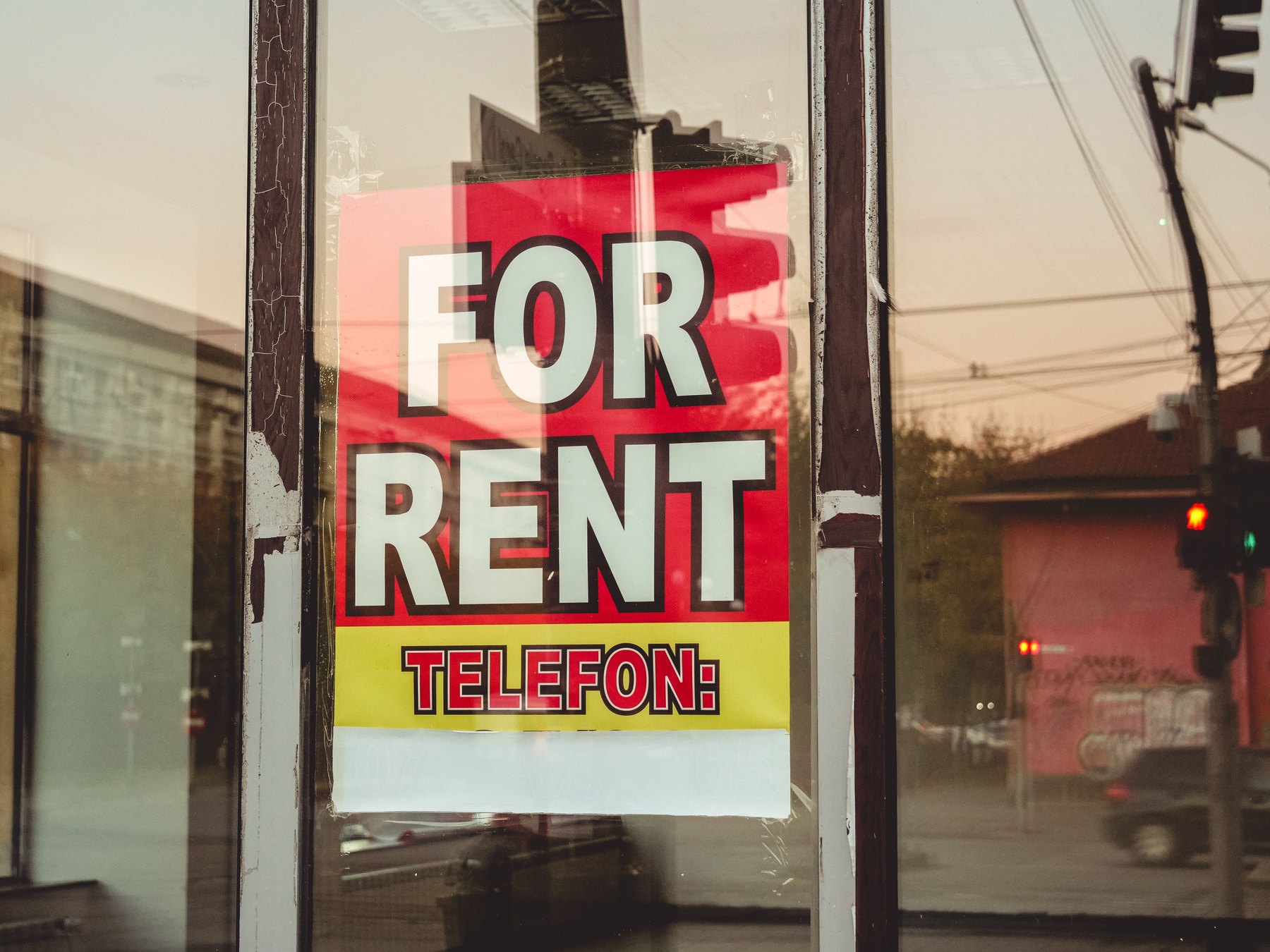
Rent is driven by supply, demand, and what renters can afford. Here are the most common reasons rents soften in a city or submarket:
- New apartment supply: When many new units open at once, buildings compete for tenants with lower asking rents or concessions.
- Demand cools: Job growth slows, people move away, or household formation slows, leaving more vacancies.
- Affordability ceiling: If rents rose faster than wages, landlords may have to reduce increases to keep occupancy.
- Seasonality: Some markets are cheaper in winter or during slower moving months.
- Neighborhood divergence: Downtown may soften while close in suburbs stay tight, or vice versa.
Sticker rent vs effective rent
A building might advertise $2,000 per month but offer “one month free” on a 12 month lease. That is effectively about $1,833 per month before fees. When you compare options, always convert specials into a monthly equivalent and then add recurring fees.
How to confirm rents are actually falling where you want to live
Use multiple sources and focus on the exact unit type you need (studio, 1 bed, 2 bed). Averages can hide what is happening to your segment.
- Track the same building over time: Screenshot listings weekly for 3 to 6 weeks. Watch for price cuts and new concessions.
- Compare “all in” monthly cost: Rent + parking + pet rent + trash + internet package + required services.
- Ask about renewal history: Some buildings discount new leases but raise renewals. Ask what typical renewal increases have been.
- Check vacancy and days on market: If units sit longer, you often have more leverage.
- Read the lease addendum list: Many costs are in addenda, not the headline rent.
A quick “all in rent” calculator
Use this simple formula when comparing two apartments:
- All in monthly cost = base rent + monthly fees (parking, pet rent, trash, amenities) + average utilities
- Effective monthly cost with concession = (base rent x lease months – concession value) / lease months + monthly fees + utilities
Negotiation checklist when rents soften
When rent prices are falling in a submarket, you may be able to negotiate more than just the monthly rent. Focus on items that reduce your total cost or risk.
| What to negotiate | Why it matters | How to ask | Watch out for |
|---|---|---|---|
| Lower base rent | Reduces your ongoing payment | “Can you match the rate on a similar unit or last week’s price?” | Short term discounts that disappear at renewal |
| Concessions (free month, gift card) | Helps cash flow at move in | “If rent is firm, can you add a concession?” | Concessions that require perfect payment timing |
| Fees (admin, amenity, parking) | Fees can add $50 to $300+ monthly | “Can you waive or reduce the admin or amenity fee?” | Fees reintroduced later or required bundles |
| Lease length | Locks in price or keeps flexibility | “What is the best rate for 12 vs 15 months?” | Higher rent for shorter leases |
| Move in date | Timing can change pricing | “If I move in two weeks earlier, does the price change?” | Prorated rent and overlapping leases |
| Upgrades | Better value without higher rent | “Can you include upgraded internet or a reserved spot?” | Upgrades that come with new fees |
What lower rent should change in your financial plan
If your rent drops by $100 to $400 per month, it is tempting to spend it. A better approach is to decide in advance where the freed up cash goes. Here are decision rules that work for many households:
- If you have high interest debt: prioritize extra payments toward the highest APR balances first, while keeping required minimums on everything else.
- If you have no emergency fund: build a starter cushion, then expand it toward 3 to 6 months of essential expenses.
- If your income is variable: keep a larger cash buffer, often 6 to 12 months of essential expenses, before aggressive debt payoff.
- If you expect a move within a year: keep more cash for deposits, movers, and overlap rent.
Real number examples: three ways to use a rent drop
Assume your rent falls by $250 per month after moving or renegotiating. That is $3,000 per year. Here are three sample allocations that add up correctly.
- Scenario A: Credit card payoff focus (high APR debt)
- $150/month extra toward highest APR credit card
- $50/month to emergency fund
- $50/month to sinking funds (car repairs, medical, travel)
- Total: $250/month
- Scenario B: Stabilize cash flow (variable income)
- $175/month to emergency fund until you reach a target (for example, 6 months essentials)
- $50/month extra toward student loan or auto loan principal (if allowed and applied correctly)
- $25/month to a “move and deposits” fund
- Total: $250/month
- Scenario C: Balanced plan (moderate debt, stable income)
- $100/month extra debt payments (highest APR first)
- $100/month retirement or brokerage contribution (if you are already current on bills and have a starter emergency fund)
- $50/month home down payment or future housing fund
- Total: $250/month
Timeline decision rules: where to put the money you save
Lower rent can free up cash. Where you put it depends on when you will need it and how much risk you can tolerate.
Under 1 year
- Prioritize a cash buffer for rent, utilities, food, and transportation.
- Use a high yield savings account or money market account and compare fees and withdrawal limits.
- If you are carrying credit card debt, consider directing most of the savings to that debt while keeping at least a small emergency fund.
1 to 3 years
- Keep money relatively stable if it is for a move, car replacement, or down payment.
- Consider splitting: some in savings, some toward debt reduction, depending on APR and your job stability.
3 to 7 years
- You may be able to take modest investment risk for long term goals, but only after high interest debt is controlled and you have an emergency fund.
- For many people, a blended approach works: steady debt payoff plus consistent investing.
7+ years
- Longer timelines can support more volatility if your budget can handle it.
- Focus on sustainable habits: automatic transfers, periodic rent checks, and avoiding lifestyle creep.
Moving to a cheaper city: hidden costs that can erase savings
A lower rent number does not always mean a lower cost of living. Before you move for cheaper rent, run a simple “net savings” estimate.
Common hidden costs
- Transportation: Longer commutes, higher gas, tolls, parking, or a second car.
- Utilities: Hot climates can mean high electric bills. Cold climates can mean higher heating costs.
- Insurance: Auto premiums and renters insurance can vary by ZIP code.
- Deposits and move in fees: Security deposit, pet deposit, application fees, admin fees.
- Job risk: If income is less stable in the new city, a lower rent may not be worth it.
Net savings example with real numbers
Suppose you move from City A to City B and rent is $300/month cheaper.
- Rent savings: +$300/month
- Added commuting costs: -$120/month (gas, tolls, parking)
- Higher utilities: -$60/month
- Net monthly savings: $300 – $120 – $60 = $120/month
Then subtract one time move costs. If moving costs $1,800 total, your break even time is $1,800 / $120 = 15 months. That does not mean it is a bad move, but it is a clearer decision.
If your rent is not falling: alternatives that still help
Even in a tight market, you can often improve your housing cost picture without relying on a rent drop.
- Negotiate non rent items: parking, storage, pet fees, internet bundles, or a free upgrade.
- Change timing: if possible, shop during slower seasons when there is less competition.
- Consider a roommate or smaller unit: a temporary step down can accelerate debt payoff.
- Re shop renters insurance: compare coverage and deductibles, not just price.
- Improve credit before your next move: stronger credit can help you qualify for more options and potentially lower deposits in some cases.
Credit and rental applications: protect your score and your identity
When you apply for apartments, you may authorize credit checks and share sensitive documents. Use a process that minimizes unnecessary pulls and reduces fraud risk.
Practical steps
- Ask what type of credit check is used: some landlords use soft inquiries for pre screening, others use hard inquiries. Ask before applying.
- Space out applications: apply to the best fit options first instead of submitting many at once.
- Use official sources for credit reports: get your free reports at AnnualCreditReport.com so you can correct errors before applying.
- Know your rights with tenant screening: if a report affects your application, you can learn more about dispute steps through the FTC consumer guidance.
- Watch for rental scams: the CFPB has resources on avoiding fraud and protecting your finances.
Decision matrix: should you move, renegotiate, or stay put?
Use this simple matrix to decide what action fits your situation.
| Your situation | Best next step | What to compare | Main drawback |
|---|---|---|---|
| Lease renewal is coming and similar units are listed cheaper | Negotiate renewal | Current listings in the same building, concessions, fees | Landlord may offer a smaller cut than you want |
| You can cut rent 10% to 20% by moving nearby | Shop and move if net savings are real | All in monthly cost, commute, deposits, move costs | One time costs can erase short term savings |
| Your rent is flat but your income is tight | Reduce other housing costs | Roommate option, parking, insurance, utilities | May require lifestyle changes |
| You plan to buy within 1 to 3 years | Prioritize cash reserves and credit health | Down payment fund, debt to income, credit reports | Less flexibility for discretionary spending |
| You are considering a new city mainly for cheaper rent | Run a net savings and job stability check | Income prospects, insurance, taxes, transport, utilities | Lower rent may come with higher risk or lower pay |
Bottom line: turn softer rent into stronger finances
When rent prices fall in a city or neighborhood, the biggest win is not just a cheaper lease. It is what you do with the difference. Track effective rent, negotiate the full package of fees and terms, and set a simple plan for the monthly savings. If you use a rent drop to build a cash buffer and reduce high APR debt, you can make your budget more resilient even if rents rise again later.
For more help understanding deposits, bank safety, and where to keep your emergency fund, you can review consumer resources from the FDIC and keep your credit reports accurate through AnnualCreditReport.com.


