

Renter Apartment Amenities: What’s Worth Paying For and What to Skip

Renter apartment amenities can make daily life easier, but they can also quietly raise your monthly costs through higher rent and add-on fees.
Contents
31 sections
-
How renter apartment amenities affect your real monthly cost
-
All-in monthly cost formula
-
Which renter apartment amenities are usually worth paying for
-
1) In-unit laundry (or reliable on-site laundry)
-
2) Safe, convenient parking (when you truly need a car)
-
3) Good security basics
-
4) Package lockers or a package room (if you get deliveries often)
-
5) Utilities included (when the math is favorable)
-
Amenities that often look good but can be overpriced
-
Gym and fitness center
-
Pool, rooftop deck, lounge, and co-working spaces
-
Smart home features and app-based access
-
Valet trash and mandatory service bundles
-
What this looks like with real numbers (3 sample budgets)
-
Scenario A: The "amenity-rich" building
-
Scenario B: The "simple" building with fewer fees
-
Scenario C: Lower rent but paid laundry and commuting costs
-
Amenities checklist to use on tours (printable questions)
-
Fees and billing
-
Maintenance and reliability
-
Noise, privacy, and daily use
-
Parking, storage, and bikes
-
Decision rules: how to choose amenities without stretching your budget
-
Rule 1: Pay for "daily-use" amenities first
-
Rule 2: Treat "nice-to-have" amenities as tie-breakers
-
Rule 3: Stress-test your rent
-
Rule 4: Compare the move-in cash requirement, not just monthly rent
-
Negotiating and optimizing amenities (without being unrealistic)
-
How amenities connect to your credit and borrowing plans
-
Quick comparison: common amenities and who they fit best
-
Bottom line: build your "must-have" list around your budget
The goal is not to find the most amenities. It is to pay for the features you will actually use, avoid surprise charges, and choose a lease that fits your budget even if your income changes. Below is a practical way to evaluate amenities like parking, in-unit laundry, gyms, pools, package rooms, smart locks, and utilities.
How renter apartment amenities affect your real monthly cost
Amenities are rarely “free.” They show up in one of three ways:
- Higher base rent (common with newer buildings, concierge service, gyms, pools).
- Monthly add-ons (parking, storage, pet rent, trash valet, amenity fees).
- Usage-based costs (utilities, internet packages, laundry, EV charging).
To compare apartments fairly, convert amenities into a single number: your all-in monthly housing cost.
All-in monthly cost formula
- Base rent
- Plus required fees (amenity fee, trash, pest control, package service)
- Plus optional fees you will actually use (parking, storage, pet rent)
- Plus average utilities not included (electric, gas, water, sewer, trash, internet)
- Minus any savings (for example, no gym membership needed)
| Cost item | Where it shows up | What to ask | Why it matters |
|---|---|---|---|
| Parking | Monthly add-on | Is it required? Covered or gated? Guest parking rules? | Can add a large recurring cost and affect safety and convenience |
| Utilities | Variable | What is included? Average monthly bill for similar units? | Two “same rent” units can differ a lot in total cost |
| Amenity fee | Required fee | What does it cover? Can you opt out? | Fees can be non-negotiable and not tied to your usage |
| Internet package | Required or optional | Is it bulk-billed? Can you choose your own provider? | Bulk packages can cost more than shopping around |
| Pet rent and deposits | Upfront and monthly | One-time fee vs deposit? Monthly pet rent? Breed restrictions? | Ongoing pet rent adds up quickly over a lease term |
Which renter apartment amenities are usually worth paying for
“Worth it” depends on your routine and what you would otherwise pay for elsewhere. Use this decision rule: pay for an amenity when it replaces a cost you already have or prevents a costly problem.
1) In-unit laundry (or reliable on-site laundry)
In-unit laundry often saves time, reduces trips to laundromats, and can lower the temptation to use expensive wash-and-fold services. If the building has shared laundry, check machine count, payment method, and typical wait times.
Decision rule: If you do 4 to 8 loads per month and would otherwise pay laundromat prices plus transportation, in-unit laundry can be a meaningful value even if rent is higher.
2) Safe, convenient parking (when you truly need a car)
Parking is worth paying for when it reduces risk (break-ins, tickets, towing) or replaces paid street parking. Ask whether the spot is assigned, covered, gated, and whether there are extra charges for permits or remote openers.
Decision rule: If you drive daily and street parking is unreliable, budget for paid parking and compare it to nearby garages.
3) Good security basics
Look for controlled access doors that actually latch, well-lit entrances, functioning cameras in common areas, and responsive maintenance. Concierge service is not required for safety, but basic building security and lighting can reduce risk and stress.
For identity and credit safety after moving, consider checking your credit reports from AnnualCreditReport.com and learning how to handle fraud reports at the FTC.
4) Package lockers or a package room (if you get deliveries often)
Package theft is expensive and time-consuming. If you order frequently, a secure package system can be worth a small fee. Ask about hours, carrier access, and how long packages are held before being returned.
5) Utilities included (when the math is favorable)
Utilities-included rent can simplify budgeting, but you still need to compare totals. If only some utilities are included, ask for typical monthly ranges for similar units. Also ask how utilities are billed: individually metered, ratio utility billing (RUBS), or flat fee.
Decision rule: Prefer setups where you can verify usage and costs. If billing is complex, request a sample bill or a written explanation.
Amenities that often look good but can be overpriced
Some amenities are nice, but they can be a poor value if you rarely use them or if they come with mandatory fees.
Gym and fitness center
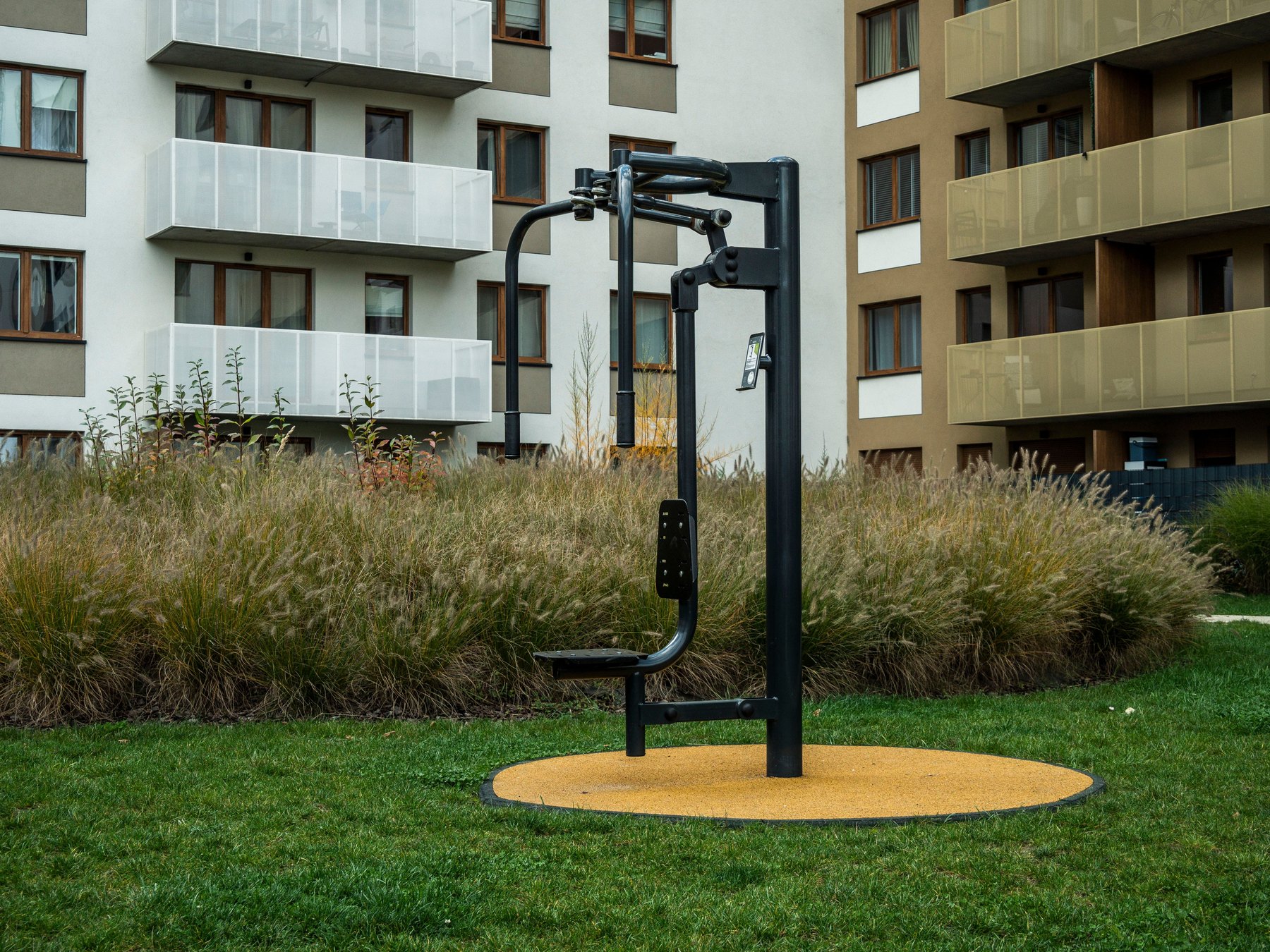
Building gyms vary widely. A small room with a few machines may not replace a real gym membership. Ask about hours, equipment list, cleanliness, and whether it gets crowded.
Decision rule: If you will use it at least 2 to 3 times per week and it replaces a paid membership, it may be worth it. If you prefer classes or heavy equipment, you may still pay for an outside gym.
Pool, rooftop deck, lounge, and co-working spaces
These can be great, but they are seasonal or occasional for many renters. If there is a monthly amenity fee, you might pay year-round for something you use a few times.
Decision rule: If you will use it monthly or host guests often, value increases. If you expect to use it “someday,” treat it as a bonus, not a reason to stretch your budget.
Smart home features and app-based access
Smart locks, thermostats, and intercom apps can be convenient. Ask whether there are monthly tech fees, what happens if the app is down, and whether you can still use a physical key. Also ask how your data is handled.
Valet trash and mandatory service bundles
Some buildings charge for trash pickup, pest control, or bundled internet. These can be fine, but they reduce your ability to shop around. Ask for a full fee sheet before you apply.
| Amenity | When it’s a good value | What to verify | Common drawback |
|---|---|---|---|
| Gym | You will use it weekly and it replaces a membership | Equipment, hours, crowding | May be limited and still comes with an amenity fee |
| Pool | You will use it often in season | Season dates, rules, guest policy | Paying year-round for seasonal use |
| Co-working lounge | You work from home and need quiet space | Wi-Fi quality, noise rules | Can be crowded or noisy during peak hours |
| Valet trash | You value convenience and it’s optional | Pickup schedule, odors, fees | Often mandatory and adds recurring cost |
| Smart locks | You want keyless entry and guest codes | Backup key, tech fee, support | App issues and potential privacy concerns |
What this looks like with real numbers (3 sample budgets)
Below are simplified examples to show how amenities change the true cost. Numbers vary by city, so use them as a framework and plug in your local quotes.
Scenario A: The “amenity-rich” building
- Base rent: $2,050
- Amenity fee: $60
- Parking: $175
- Trash valet: $30
- Internet bundle: $70
- Utilities not included (estimate): $140
All-in monthly: $2,050 + $60 + $175 + $30 + $70 + $140 = $2,525
Trade-off: If the gym replaces a $50 membership and package lockers prevent frequent theft, it may still be worth it. But you need to be sure you will use what you are paying for.
Scenario B: The “simple” building with fewer fees
- Base rent: $2,200
- No amenity fee
- Street parking: $0 (but time cost and ticket risk)
- Choose-your-own internet: $55 (example)
- Utilities not included (estimate): $160
All-in monthly: $2,200 + $0 + $0 + $55 + $160 = $2,415
Trade-off: Higher rent but fewer mandatory fees. If parking is stressful, you might end up paying for a nearby garage anyway.
Scenario C: Lower rent but paid laundry and commuting costs
- Base rent: $1,850
- Shared laundry: $6 per load x 6 loads = $36
- Commute cost increase (gas or transit): $120
- Utilities not included (estimate): $170
- Internet: $55
All-in monthly: $1,850 + $36 + $120 + $170 + $55 = $2,231
Trade-off: This can be the best deal if the commute is manageable and the laundry setup is reliable. But it is important to price your time and transportation realistically.
Amenities checklist to use on tours (printable questions)
Fees and billing
- Can I see a complete fee sheet before applying?
- Which fees are mandatory vs optional?
- How are utilities billed (metered, RUBS, flat fee)?
- Is renter’s insurance required, and what coverage limits?
Maintenance and reliability
- Average maintenance response time for urgent vs non-urgent issues?
- How are after-hours emergencies handled?
- How old are major appliances and HVAC systems?
Noise, privacy, and daily use
- Quiet hours and enforcement?
- Where are the trash room, elevators, gym, and pool relative to the unit?
- Cell reception and internet provider options?
Parking, storage, and bikes
- Assigned spot or first-come parking?
- Guest parking availability and rules?
- Storage units: cost, size, and security?
- Bike storage: indoor racks, access control, camera coverage?
Decision rules: how to choose amenities without stretching your budget
Use these simple rules to keep amenities from pushing you into an uncomfortable rent level.
Rule 1: Pay for “daily-use” amenities first
Daily-use amenities tend to deliver the most value: in-unit laundry, reliable internet options, functional heating and cooling, safe entry, and convenient parking if you drive.
Rule 2: Treat “nice-to-have” amenities as tie-breakers
If two apartments are similar in total cost, choose the one with the better extras. Avoid paying a premium that forces you to cut essentials like groceries, transportation, or savings.
Rule 3: Stress-test your rent
Before signing, run a quick stress test: could you still pay the all-in monthly cost if your income dropped for a month or two, or if your utilities spike in summer or winter? If the answer is no, prioritize lower fixed costs over luxury amenities.
Rule 4: Compare the move-in cash requirement, not just monthly rent
Amenities can raise upfront costs through deposits and fees. Ask for a written move-in estimate that includes first month’s rent, security deposit, pet fees, parking deposit, and any admin fees. For guidance on common rental fees and protections, the CFPB has consumer resources that can help you understand financial products and billing issues.
Negotiating and optimizing amenities (without being unrealistic)
Not every building negotiates, especially in hot markets, but you can often improve the deal by being specific and flexible.
- Ask for a fee waiver (application, admin, amenity fee) if you can move in quickly or sign a longer lease.
- Request a different unit tier (same layout, lower floor, different view) if the premium is tied to location rather than livability.
- Negotiate parking by asking for a free month, a reduced rate, or a spot closer to your unit.
- Ask for written confirmation of any concessions in the lease or addendum.
How amenities connect to your credit and borrowing plans
If you plan to apply for a car loan, personal loan, or mortgage within the next year, keeping your housing payment stable can help your overall budget and reduce the need to rely on credit for emergencies. A higher all-in rent can also make it harder to build an emergency fund, which is often your first line of defense against unexpected expenses.
If you are managing debt, prioritize amenities that reduce other recurring costs. For example, a building gym that replaces a membership may free up cash flow, while a mandatory amenity fee for features you do not use may do the opposite. If you are working on credit health, the FTC’s guidance on credit and debt topics can be a helpful reference point: https://consumer.ftc.gov/.
Quick comparison: common amenities and who they fit best
| Amenity | Best fit | What to compare | Main drawback |
|---|---|---|---|
| In-unit washer and dryer | Busy schedules, families, frequent laundry | Condition, vented vs ventless, repair policy | Higher rent; repairs can be disruptive |
| Assigned parking | Daily drivers, areas with limited street parking | Security, distance, guest rules | Monthly cost; may be separate contract |
| Package lockers | Frequent deliveries | Carrier access, hours, overflow process | Sometimes bundled into fees |
| Gym | People who prefer solo workouts | Equipment, hours, cleanliness | May not replace a full gym membership |
| Utilities included | People who want predictable bills | What is included, caps, billing method | Can be priced into rent; less control |
Bottom line: build your “must-have” list around your budget
Start with the amenities that protect your time, safety, and monthly cash flow. Then price everything as an all-in monthly number so you can compare apartments fairly. If you do that, renter apartment amenities become a tool for better living, not a reason to overpay.
As you narrow your choices, keep copies of fee sheets, utility explanations, and any concessions in writing. If something is unclear, ask before you apply, since application fees are often nonrefundable. For general consumer help and complaint options related to billing or financial products, you can explore resources at the CFPB.


