

Signs Your Home Is a Burglar’s Dream Come True

Signs your home is a burglar’s dream often look like everyday habits and small property issues that add up to an easy target.
Contents
33 sections
-
Why burglars pick some homes over others
-
Signs your home is a burglar's dream
-
1) Doors that are easy to force
-
2) Windows that invite quick entry
-
3) Predictable routines and obvious vacancy
-
4) Poor exterior lighting and hidden approach paths
-
5) Spare keys and "easy access" habits
-
6) Valuables visible from the street
-
7) An attached garage that acts like a second front door
-
8) No visible deterrents
-
9) Weak neighborhood awareness
-
Quick home security audit checklist (15 minutes)
-
Prioritize fixes by impact and cost
-
Security options to compare (with named examples)
-
What this looks like with real numbers: budgeting for prevention
-
Scenario A: $150 total to address the biggest weak points
-
Scenario B: $600 total for deterrence plus documentation
-
Scenario C: $1,500 total for a more complete setup
-
Decision rules: when to spend more (and when not to)
-
If your timeline is under 1 year (moving soon or renting)
-
If your timeline is 1 to 3 years
-
If your timeline is 3 to 7 years
-
If your timeline is 7+ years
-
Financial protection: insurance, documentation, and identity safety
-
Review homeowners or renters insurance details
-
Create a simple home inventory
-
Protect sensitive documents
-
What to do right after a break-in (to limit financial damage)
-
Helpful resources
-
Putting it all together: a simple action plan
-
Today (no-cost and low-cost)
-
This weekend (high impact upgrades)
-
This month (financial and documentation)
A break-in can be emotionally stressful and financially expensive. Beyond replacing stolen items, you might face a deductible, higher premiums at renewal, time off work, emergency repairs, or having to replace IDs and financial documents. The goal is not to “perfectly” secure a home. It is to remove the obvious opportunities burglars look for and to make your home harder, louder, and riskier to enter than the next one.
Why burglars pick some homes over others
Most burglars are looking for a quick, low-risk opportunity. They tend to avoid homes that appear occupied, well-lit, and monitored, and they prefer places where they can work unseen and leave fast. That means your landscaping, lighting, routines, and door and window hardware matter as much as expensive gadgets.
From a personal finance angle, think in terms of expected cost:
- Probability of a break-in (how easy you look to enter).
- Impact if it happens (how much value is visible and how well you are insured and documented).
- Cost to reduce risk (small upgrades and habit changes can be high value).
Signs your home is a burglar’s dream
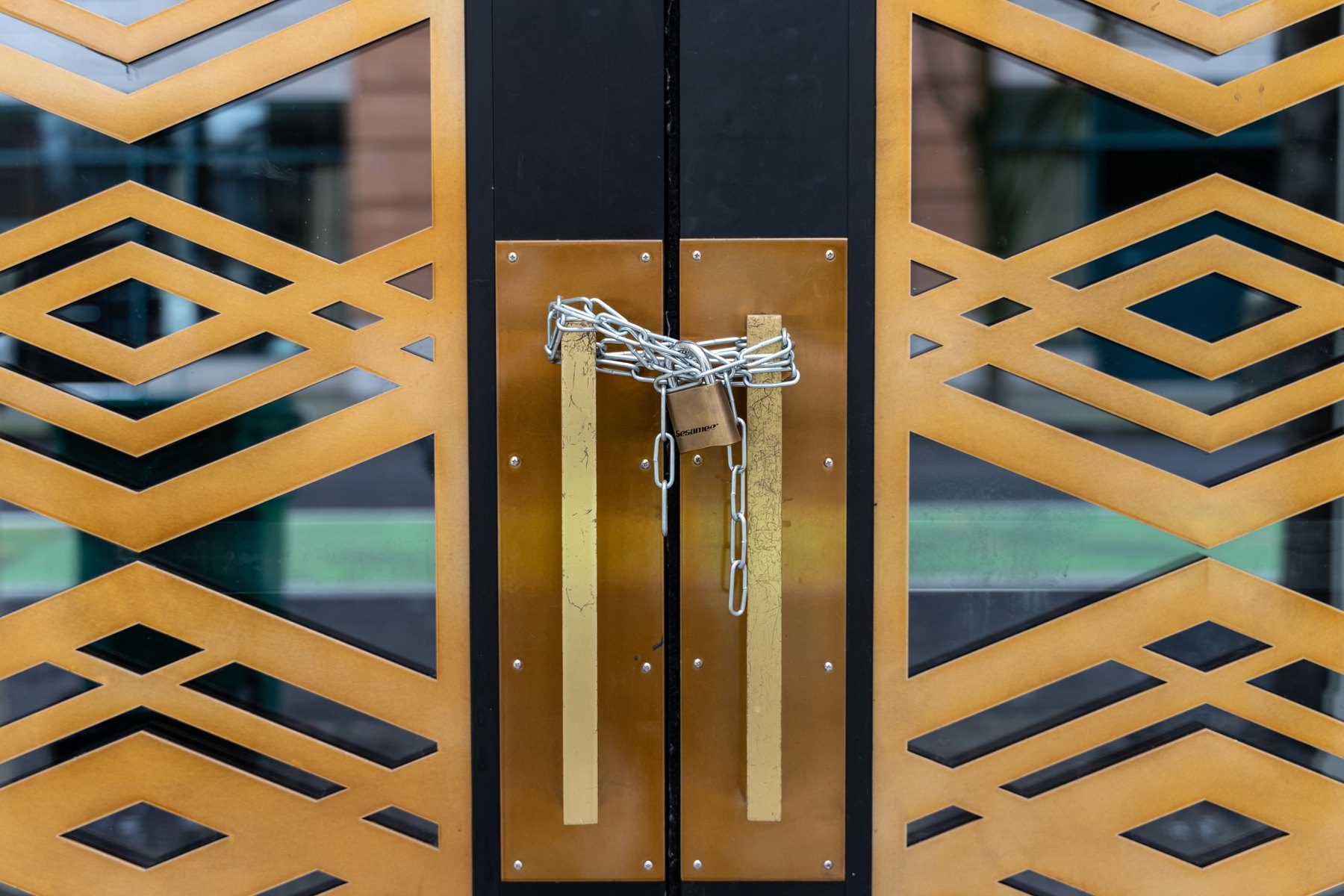
Use this section as a practical checklist. If you recognize several of these, prioritize the fixes that reduce easy access and increase visibility.
1) Doors that are easy to force
- Exterior doors feel hollow or flex when pushed.
- Strike plates are held by short screws.
- Deadbolts do not fully extend or the door does not latch cleanly.
- Sliding doors have no secondary lock or bar.
Practical fix: Reinforce the door frame with longer screws and a quality strike plate, confirm the deadbolt extends fully, and add a secondary lock or security bar to sliding doors. If you rent, ask the landlord about approved hardware changes.
2) Windows that invite quick entry
- Ground-floor windows are hidden by shrubs or fences.
- Windows are left cracked open for “air,” especially when you are away.
- Old latches do not lock tightly.
- Basement windows are accessible from a side yard or alley.
Practical fix: Make sure windows lock firmly, trim landscaping to increase sightlines, and consider window sensors. If you have a basement entry point, improve lighting and consider a simple camera covering that area.
3) Predictable routines and obvious vacancy
- Packages sit on the porch for hours.
- Mail piles up during travel.
- Lights are off every night until you return.
- Your social posts reveal you are out of town in real time.
Practical fix: Use package lockers or delivery holds when possible, ask a neighbor to collect mail, and use timers or smart bulbs to vary lighting. Consider delaying travel posts until you are home.
4) Poor exterior lighting and hidden approach paths
- Dark side yards and back doors.
- Burned-out bulbs that stay burned out.
- Tall shrubs that create cover near windows.
Practical fix: Replace bulbs promptly, add motion lighting near entry points, and keep shrubs trimmed below window height where possible.
5) Spare keys and “easy access” habits
- Key hidden under a mat, rock, or planter.
- Garage door opener visible in a car parked outside.
- Door left unlocked “just for a minute.”
Practical fix: Use a lockbox designed for keys if you truly need an external backup, and keep openers out of sight. Build a habit of locking doors even during short tasks like walking the dog.
6) Valuables visible from the street
- TVs, gaming systems, and laptops visible through windows.
- High-end tools or bikes stored in plain view.
- Boxes for expensive items left at the curb.
Practical fix: Close blinds at night, store tools and bikes out of sight, and break down packaging before disposal.
7) An attached garage that acts like a second front door
- Garage door left open while running errands.
- Interior door from garage to home is hollow or rarely locked.
- Old garage door opener without modern security features.
Practical fix: Treat the garage-to-house door like an exterior door. Lock it, reinforce it, and keep the garage closed when not actively using it.
8) No visible deterrents
- No cameras, no alarm signage, no motion lighting.
- Doorbell camera is installed but points poorly or is blocked by décor.
Practical fix: A basic doorbell camera or a camera covering the driveway and main entry can increase perceived risk. Make sure it is positioned to capture faces, not just the top of someone’s head.
9) Weak neighborhood awareness
- No one picks up packages for neighbors.
- People do not recognize each other’s cars.
- Suspicious activity goes unreported.
Practical fix: Simple coordination helps. Exchange numbers with a couple neighbors and agree to text about unusual activity or to grab packages during travel.
Quick home security audit checklist (15 minutes)
Walk your property like a stranger would. Start at the street, then move to side yards, the back door, and any basement access.
- Stand at the sidewalk and look for valuables visible through windows.
- Check if any entry point is hidden from neighbors or street view.
- Test every exterior door: does it latch and deadbolt smoothly?
- Check window locks and note any that feel loose.
- Confirm exterior lights work and cover key areas.
- Look for ladders, bins, or patio furniture that could help someone reach a second-story window.
- Check that house numbers are visible for emergency response.
Prioritize fixes by impact and cost
Not every home needs a full system. Start with the upgrades that remove the easiest wins for a burglar.
| Priority | Fix | Why it matters | Typical effort |
|---|---|---|---|
| High | Reinforce exterior doors (strike plate, longer screws, solid core) | Many break-ins start with a forced door | Low to medium |
| High | Lock habits and key control (no hidden keys) | Prevents “walk-in” opportunities | Low |
| High | Exterior lighting at entry points | Reduces concealment and increases perceived risk | Low |
| Medium | Window locks and sensors on accessible windows | Windows are common secondary entry points | Low to medium |
| Medium | Camera coverage for front door and driveway | Deters and documents activity | Medium |
| Medium | Landscaping trim for sightlines | Removes hiding spots | Low to medium |
| Lower | Smart home routines (timers, occupancy lighting) | Makes vacancy less obvious | Low |
Security options to compare (with named examples)
If you decide to add equipment or monitoring, compare total cost, contract terms, cancellation rules, equipment ownership, and how alerts are handled. Also confirm compatibility with your phone, Wi-Fi strength, and whether you want professional monitoring or self-monitoring.
| Option | Best fit | What to compare | Main drawback |
|---|---|---|---|
| Ring Alarm + Ring cameras | DIY setup with a broad device ecosystem | Monitoring plan cost, camera storage, device placement | Ongoing subscription for features like video storage |
| SimpliSafe | DIY system with optional professional monitoring | Plan tiers, sensor types, cellular backup options | Costs can rise with add-ons and higher plan tiers |
| ADT | Professionally installed and monitored setups | Contract length, installation fees, equipment terms | May involve longer commitments depending on package |
| Vivint | Smart home focused professional installation | Financing terms, equipment costs, cancellation policy | Can be expensive compared with basic DIY systems |
| Google Nest (Nest Cam, Nest Doorbell) | Households already using Google Home | Subscription for video history, integration, Wi-Fi needs | Some features require a paid plan |
| Arlo cameras | Camera-first approach with flexible placement | Battery life, subscription, local storage options | Advanced alerts and storage often require a plan |
What this looks like with real numbers: budgeting for prevention
Home security spending is a tradeoff. You are balancing upfront costs, ongoing subscriptions, and the financial hit you could face from theft or damage. Here are three sample budgets that show how you might allocate money without assuming any specific outcome.
Scenario A: $150 total to address the biggest weak points
- $35 – upgraded strike plate and longer screws for main door
- $30 – sliding door security bar
- $25 – window pin locks for a few accessible windows
- $40 – motion-activated light for a dark side yard
- $20 – timer plugs for lamps
Total: $150
Scenario B: $600 total for deterrence plus documentation
- $150 – door reinforcement and hardware upgrades (front and back)
- $120 – two motion lights (front and back)
- $250 – doorbell camera plus one additional outdoor camera (check current pricing)
- $80 – basic window sensors or extra locks
Total: $600
Scenario C: $1,500 total for a more complete setup
- $300 – door and frame upgrades for multiple entry points
- $200 – lighting improvements around perimeter
- $600 – multi-camera coverage (front, driveway, back, side) (check current pricing)
- $300 – alarm starter kit with door and window sensors
- $100 – lockbox, signage, and small accessories
Total: $1,500
Decision rules: when to spend more (and when not to)
Use these rules to decide what level of investment makes sense for your situation.
If your timeline is under 1 year (moving soon or renting)
- Prioritize portable items: doorbell camera (if allowed), plug-in timers, window locks, and lighting you can take with you.
- Avoid expensive permanent installs unless the landlord agrees in writing.
- Focus on habits: package management, locking routine, and not advertising vacancy.
If your timeline is 1 to 3 years
- Do door reinforcement and lighting first.
- Add a basic camera at the front door and one covering the driveway or back entry.
- Consider self-monitoring before committing to long monitoring contracts.
If your timeline is 3 to 7 years
- Consider a full sensor setup for doors and accessible windows.
- Upgrade the garage-to-house door and locks.
- Choose systems that can expand over time without forcing a full replacement.
If your timeline is 7+ years
- Consider more durable upgrades: solid doors, better locks, improved exterior lighting, and landscaping changes.
- Compare long-term subscription costs versus systems that allow local storage or lower ongoing fees.
- Revisit homeowners insurance coverage limits and endorsements as your assets grow.
Financial protection: insurance, documentation, and identity safety
Even strong prevention cannot eliminate risk. Financial preparation can reduce the cost and hassle if a break-in happens.
Review homeowners or renters insurance details
- Deductible: Make sure you could cover it from savings without relying on high-interest debt.
- Coverage limits: Check personal property limits and whether certain categories (jewelry, collectibles, firearms, cash) have sub-limits.
- Replacement cost vs actual cash value: Replacement cost coverage can change reimbursement compared with depreciated value.
- Off-premises coverage: Useful if items are stolen from your car or while traveling.
Create a simple home inventory
A basic inventory can speed up claims and help you remember what you owned. You can do this in one afternoon:
- Walk room by room and take photos or short videos.
- Capture serial numbers for electronics and tools.
- Save receipts or order confirmations where possible.
- Store a copy in the cloud or an external drive kept away from home.
Protect sensitive documents
- Keep passports, Social Security cards, and birth certificates in a secure place.
- Shred documents with account numbers before disposal.
- Consider a small safe that is bolted down, or use a bank safe deposit box for irreplaceable documents depending on your needs.
What to do right after a break-in (to limit financial damage)
- Get to safety first and call local authorities if you suspect someone is still inside.
- Document damage and missing items with photos and a written list.
- Contact your insurer and ask what documentation they need and how to prevent further damage (like boarding a broken window).
- Change locks and codes if keys, garage remotes, or devices were taken.
- Monitor accounts if financial documents, checks, or IDs were stolen.
Helpful resources
- FTC guidance on identity theft and recovery steps: https://consumer.ftc.gov/identity-theft
- FTC identity theft reporting and recovery plan: https://www.identitytheft.gov/
- CFPB tips for protecting personal information and dealing with fraud: https://www.consumerfinance.gov/consumer-tools/fraud/
Putting it all together: a simple action plan
Today (no-cost and low-cost)
- Remove hidden spare keys and tighten lock habits.
- Close visibility gaps: blinds at night, valuables away from windows.
- Replace burned-out exterior bulbs and set a reminder to check monthly.
This weekend (high impact upgrades)
- Reinforce entry doors and add a sliding door bar if needed.
- Trim shrubs near windows and clear side-yard hiding spots.
- Set up package delivery preferences or a neighbor pickup plan.
This month (financial and documentation)
- Create a basic home inventory and store it securely.
- Review renters or homeowners insurance deductibles and coverage limits.
- Consider cameras or an alarm system based on your budget and timeline.
If you focus on visibility, strong entry points, and consistent routines, you can remove many of the most common signs that your home is a burglar’s dream and reduce the chance of an expensive, disruptive event.


