

Southwest Airlines Checked Bag Fee: What to Expect and How to Budget

Southwest Airlines checked bag fee is a common search because baggage rules can change and the cost of showing up unprepared can be frustrating and expensive.
Contents
23 sections
-
What the Southwest Airlines checked bag fee covers
-
Key terms to understand before you compare fees
-
When you might pay baggage fees on Southwest
-
Common situations that can trigger a fee
-
Decision rule: weigh and measure before you leave
-
Typical baggage cost drivers and how to estimate your total trip cost
-
Trip cost checklist (airfare plus baggage)
-
Southwest vs other airlines: baggage policy comparison
-
Real-number budgeting examples for baggage costs
-
Example 1: Solo traveler, 3-day trip, trying to avoid fees
-
Example 2: Couple, 7-day trip, one shared checked bag
-
Example 3: Family of four, 5-day trip, strollers and car seats
-
How to reduce baggage costs without creating new risks
-
Pack smarter checklist
-
Timing checklist
-
Paying for baggage: credit cards, travel funds, and avoiding debt
-
Quick interest reality check
-
Safer ways to plan for baggage costs
-
What to do if you are hit with an unexpected baggage fee
-
Fast decision tree at the airport
-
Consumer protections and where to verify airline fee rules
-
Bottom line: choose the flight based on total cost, not just the fare
-
One-page pre-booking checklist
This guide walks through how checked baggage pricing typically works, what situations can trigger fees, and how to plan your travel budget so baggage costs do not derail your trip. You will also see practical decision rules, real-number examples, and a comparison of baggage policies across major US airlines so you can set expectations before you book.
What the Southwest Airlines checked bag fee covers
Airlines charge baggage fees to cover handling, staffing, and logistics. Some carriers price checked bags separately from the ticket, while others bundle some baggage into the fare. Southwest has historically marketed a more generous checked-bag policy than many competitors, but the exact details can vary by fare type, route, timing, and special items.
Key terms to understand before you compare fees
- Checked bag: A bag you hand to the airline at the counter or bag drop. It travels in the cargo hold.
- Carry-on: A bag you bring into the cabin and place in the overhead bin.
- Personal item: A smaller item that fits under the seat, such as a backpack or purse.
- Oversize: A bag that exceeds the airline’s size limit (often measured in linear inches: length + width + height).
- Overweight: A bag that exceeds the airline’s weight limit (commonly 50 pounds for standard checked bags on many US carriers).
Action step: Before your trip, verify the current baggage rules on Southwest’s official site for your itinerary, including weight and size limits and any special-item rules (sports gear, instruments, strollers, car seats).
When you might pay baggage fees on Southwest
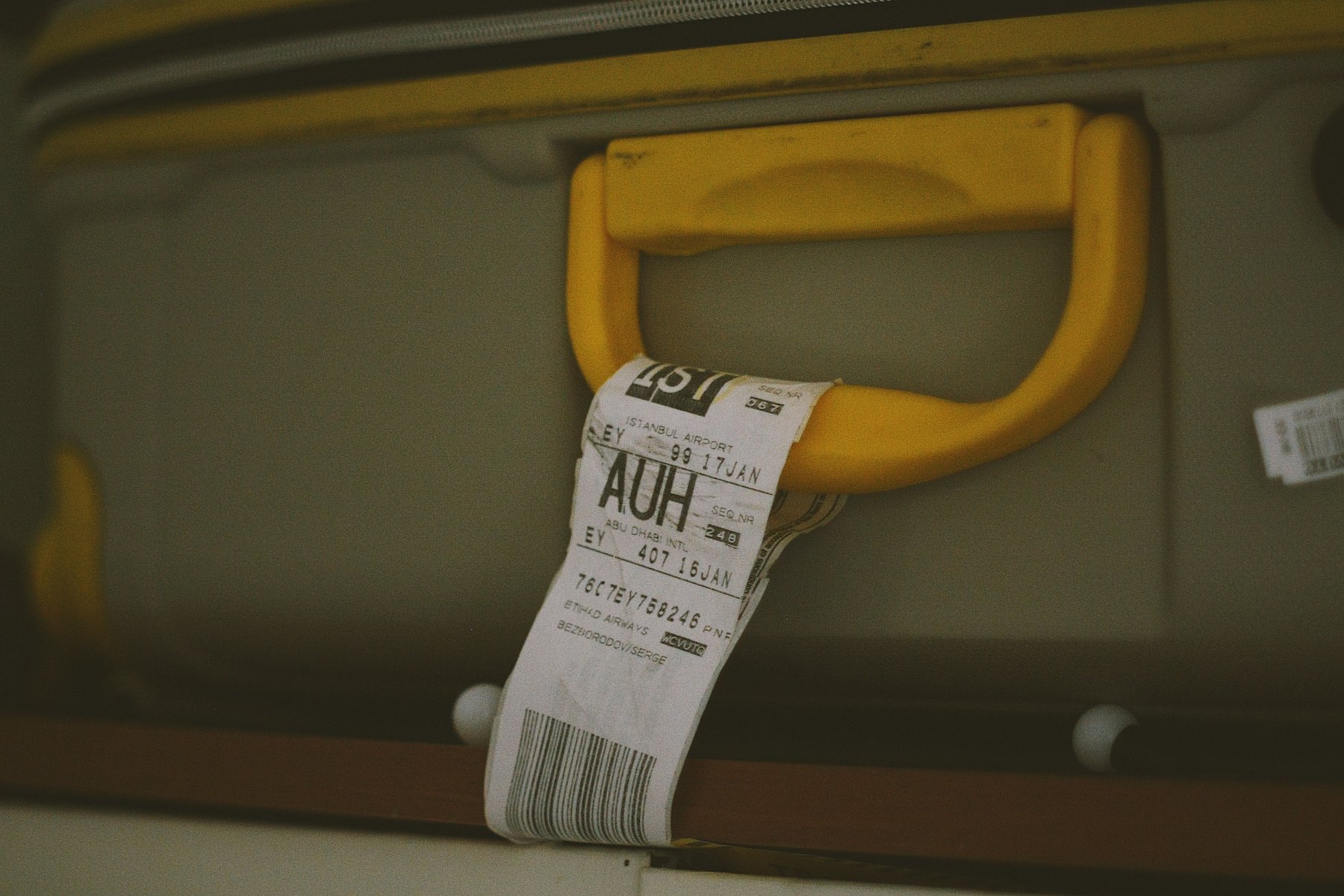
Even when an airline is known for including checked bags, fees can still apply in certain situations. The most common fee triggers are overweight bags, oversize bags, and special items that do not fit standard baggage rules.
Common situations that can trigger a fee
- Overweight bag: Packing heavy items like books, tools, or gifts can push a bag over the weight limit.
- Oversize bag: Large suitcases, big duffels, or oddly shaped items can exceed size limits.
- Special items: Golf clubs, skis, bicycles, surfboards, musical instruments, and some medical devices may have unique rules.
- Extra bags beyond the included allowance: If your fare includes a certain number of checked bags, additional bags may cost extra.
- Last-minute changes: Rebooking or switching itineraries can change what is included, depending on the fare rules.
Decision rule: weigh and measure before you leave
If you are within 2 to 5 pounds of the limit at home, assume you could be over at the airport after souvenirs, snacks, or a heavier scale. A small luggage scale and a quick measurement can be cheaper than a surprise fee.
Typical baggage cost drivers and how to estimate your total trip cost
Because baggage fees can vary, the most reliable approach is to estimate your total travel cost using a simple checklist. This keeps you from comparing airfare alone and then getting hit with add-ons later.
Trip cost checklist (airfare plus baggage)
| Cost item | What to check | How to reduce risk of surprises |
|---|---|---|
| Base fare | Fare type, change rules, refundability | Compare total cost across fare types, not just the lowest price |
| Checked bags | Included allowance, extra bag price, timing (online vs airport) | Pack into fewer bags and confirm current policy for your route |
| Overweight or oversize | Weight and size limits, fee amounts | Weigh at home, use a lighter suitcase, split into two bags if allowed |
| Carry-on rules | Carry-on size, personal item size, overhead space constraints | Use a compliant carry-on and board early if possible |
| Seat selection | Whether seats cost extra | Decide if you will pay for seats or accept assigned/open seating |
| Change or cancellation | Fees, fare credits, refund rules | Choose flexibility if plans are uncertain |
Southwest vs other airlines: baggage policy comparison
If you are deciding between airlines, baggage policy can be a major swing factor. Below is a high-level comparison of well-known US carriers. Always verify current baggage rules and fees on the airline’s site because policies can change and may differ by route, fare class, or loyalty status.
| Airline | Best fit | What to compare | Main drawback |
|---|---|---|---|
| Southwest Airlines | Travelers who check bags and want simpler pricing | Included checked bag allowance, overweight and oversize rules, special items | Route network and schedule may be less convenient for some trips |
| Delta Air Lines | Travelers who value network coverage and frequent flights | Basic Economy restrictions, checked bag fees, credit card or status perks | Fees can add up if you start with the lowest fare |
| American Airlines | Travelers who want many route options and loyalty benefits | Carry-on and checked bag rules by fare, extra bag pricing | Basic fares can have tighter rules and more add-ons |
| United Airlines | Travelers who fly hubs and want international connections | Carry-on rules for basic fares, checked bag fees, special item rules | Some low fares may restrict carry-ons, increasing total cost |
| JetBlue | Travelers who want a nicer economy experience on select routes | Fare bundles, checked bag pricing, timing of purchase | Route map is more limited than the biggest carriers |
| Alaska Airlines | West Coast travelers and those who value partner airlines | Checked bag fees, credit card perks, partner benefits | Not as many nonstop options outside key regions |
| Spirit Airlines | Travelers who can pack very light and want the lowest base fare | Carry-on and checked bag fees, seat fees, bundle pricing | Add-ons can make the total cost higher than expected |
| Frontier Airlines | Flexible travelers who can travel with a personal item | Personal item sizing, carry-on pricing, checked bag fees | Strict bag sizing can lead to higher costs at the airport |
Real-number budgeting examples for baggage costs
Even if you do not know the exact fee today, you can budget with ranges so your travel fund is realistic. The examples below show how baggage can change the total cost of a trip.
Example 1: Solo traveler, 3-day trip, trying to avoid fees
- Flight: $220 round trip
- Plan: Personal item + compliant carry-on
- Baggage budget: $0 to $50 buffer (in case you decide to check a bag on the way home)
- Total trip transport budget: $220 + $0 to $50 = $220 to $270
Decision rule: If your return bag might be heavier due to shopping, budget for one checked bag on the return leg or pack a foldable tote that still fits personal-item rules.
Example 2: Couple, 7-day trip, one shared checked bag
- Flights: $350 each round trip = $700
- Plan: 1 checked bag shared + 2 carry-ons
- Baggage budget: $0 to $80 (depending on airline and whether the bag is included)
- Total trip transport budget: $700 + $0 to $80 = $700 to $780
Decision rule: If one shared bag is close to the weight limit, split into two lighter checked bags only if the second bag cost is lower than the overweight fee you are trying to avoid.
Example 3: Family of four, 5-day trip, strollers and car seats
- Flights: $280 each round trip = $1,120
- Plan: 2 checked bags + 4 carry-ons + stroller and car seat
- Baggage budget: $0 to $200 (varies widely by airline and what is included)
- Total trip transport budget: $1,120 + $0 to $200 = $1,120 to $1,320
Decision rule: If your family travels a few times per year, compare the cost of a travel credit card that includes checked bag benefits (where available) versus paying per trip. Focus on annual fee, bag benefit details, and whether you will actually use the perks.
How to reduce baggage costs without creating new risks
Cutting baggage fees is easiest when you plan early. The goal is to avoid last-minute airport decisions where you have fewer options.
Pack smarter checklist
- Use a lightweight suitcase. A heavy suitcase can eat up 8 to 12 pounds of your weight limit.
- Put dense items in a carry-on if allowed (shoes, toiletries within TSA limits, chargers).
- Wear your bulkiest items on travel day (jacket, boots) if practical.
- Bring a small luggage scale and weigh the bag the night before.
- Measure your suitcase once and save the dimensions in your phone notes.
Timing checklist
- Check baggage rules when you book and again 24 to 48 hours before departure.
- If your airline offers cheaper prepaid baggage, compare online pricing vs airport pricing.
- Arrive early enough to repack if your bag is overweight.
Paying for baggage: credit cards, travel funds, and avoiding debt
Baggage fees are usually small compared to airfare, but they can still push a trip over budget. If you are tempted to put baggage and travel add-ons on a credit card and carry a balance, compare the fee to the interest cost.
Quick interest reality check
If you charge $150 in travel add-ons and carry it for 3 months at a high APR, the interest can be meaningful. A simple rule is to treat baggage fees like cash expenses: if you cannot pay the card in full, consider reducing add-ons or shifting spending elsewhere in the trip.
Safer ways to plan for baggage costs
- Create a travel sinking fund: Set aside a small amount each month for flights, bags, and ground transportation.
- Use alerts: Calendar reminders to re-check baggage rules and your packing list.
- Compare card perks carefully: Some airline cards include free checked bags or credits, but you should compare annual fees, interest rates, and whether you will use the benefits.
What to do if you are hit with an unexpected baggage fee
If you get to the counter and your bag is overweight or oversize, you often have a few options. The best choice depends on the fee amount, your time buffer, and what you can reasonably move to another bag.
Fast decision tree at the airport
- If overweight by a few pounds: Move heavy items to a carry-on if allowed.
- If overweight by a lot: Consider checking a second bag if that is cheaper than the overweight fee.
- If oversize: Ask whether the item can be checked as a special item and what the rules are.
- If you have no time: Pay the fee, keep the receipt, and note the policy for next time.
Consumer protections and where to verify airline fee rules
Airline fees and disclosures are regulated differently than many other consumer products, but you still have tools to protect yourself. Save screenshots of what was included at booking and keep receipts for baggage charges.
- US Department of Transportation consumer information: https://www.transportation.gov/airconsumer
- FTC consumer guidance on fees and billing issues: https://consumer.ftc.gov/
- CFPB resources if travel costs contribute to broader debt or budgeting issues: https://www.consumerfinance.gov/
Bottom line: choose the flight based on total cost, not just the fare
The best way to handle baggage costs is to treat them as part of the ticket price. Compare airlines using the same assumptions: how many bags you will check, whether your suitcase is near weight limits, and whether you might bring special items. If Southwest’s baggage policy fits your packing style, it can simplify budgeting. If another airline has a better schedule or base fare, make sure you add baggage and other fees before deciding.
One-page pre-booking checklist
- How many checked bags will you realistically bring?
- Is your largest bag under the airline’s size limit?
- Can you keep each bag under the weight limit without stress?
- Do you need special items (sports gear, instruments, strollers)?
- What is the total cost after bags, seats, and changes?


