

Why People Fall for Spending Traps

Spending traps are the everyday situations and marketing tactics that nudge you to spend more than you planned, often without noticing until your bank balance, credit card, or loan payment feels tight.
Contents
34 sections
-
What spending traps look like in real life
-
Why spending traps work on the brain
-
Present bias: now feels more important than later
-
Anchoring: the first number sets the "normal" price
-
Loss aversion: you hate missing out more than you enjoy saving
-
Mental accounting: you treat money differently depending on the label
-
Social proof: if others are buying, it must be smart
-
Payment pain is lower with cards and apps
-
Spending traps in borrowing and credit decisions
-
Minimum payment trap
-
0% promotional APR trap
-
Buy now pay later trap
-
Auto dealer add on trap
-
Overdraft and fee trap
-
Spending traps: the most common ones and how to counter them
-
What this looks like with real numbers
-
Scenario 1: Net income $3,200 per month
-
Scenario 2: Net income $4,500 per month with a car payment goal
-
Scenario 3: Net income $2,600 per month with irregular expenses
-
Decision rules that prevent spending traps
-
The 24 hour rule (with a dollar threshold)
-
The "cash flow first" rule for credit cards
-
The subscription rule: one in, one out
-
The "all in price" rule
-
Tools and features that can help (and what to compare)
-
How to audit your last 30 days for traps
-
Trap audit checklist
-
When spending traps lead to debt: a practical recovery plan
-
Step 1: Stop the bleeding
-
Step 2: Build a small buffer
-
Step 3: Choose a payoff method you can stick with
-
Step 4: If you consider a new loan, compare total cost and risk
-
Where to get reliable help and information
-
Quick summary: your anti trap starter kit
They are not just about willpower. Spending traps work because they combine psychology, convenience, and frictionless payments. The good news is you can build simple systems that make the “default” choice the one that protects your cash flow.
What spending traps look like in real life
A spending trap is any setup where the easiest option is the expensive option. It usually has three ingredients:
- Trigger: a cue like stress, boredom, a sale banner, or a notification.
- Frictionless purchase: saved cards, one click checkout, tap to pay, buy now pay later.
- Delayed pain: the cost hits later as a bigger credit card bill, overdraft fee, or less money for essentials.
Common examples include:
- “Limited time” discounts that reset every week.
- Subscription free trials that quietly convert to paid plans.
- Upgrades at checkout like warranties, expedited shipping, or add ons.
- Restaurant delivery fees and tips that double the menu price.
- 0% intro offers that become high APR balances if not paid off in time.
Why spending traps work on the brain
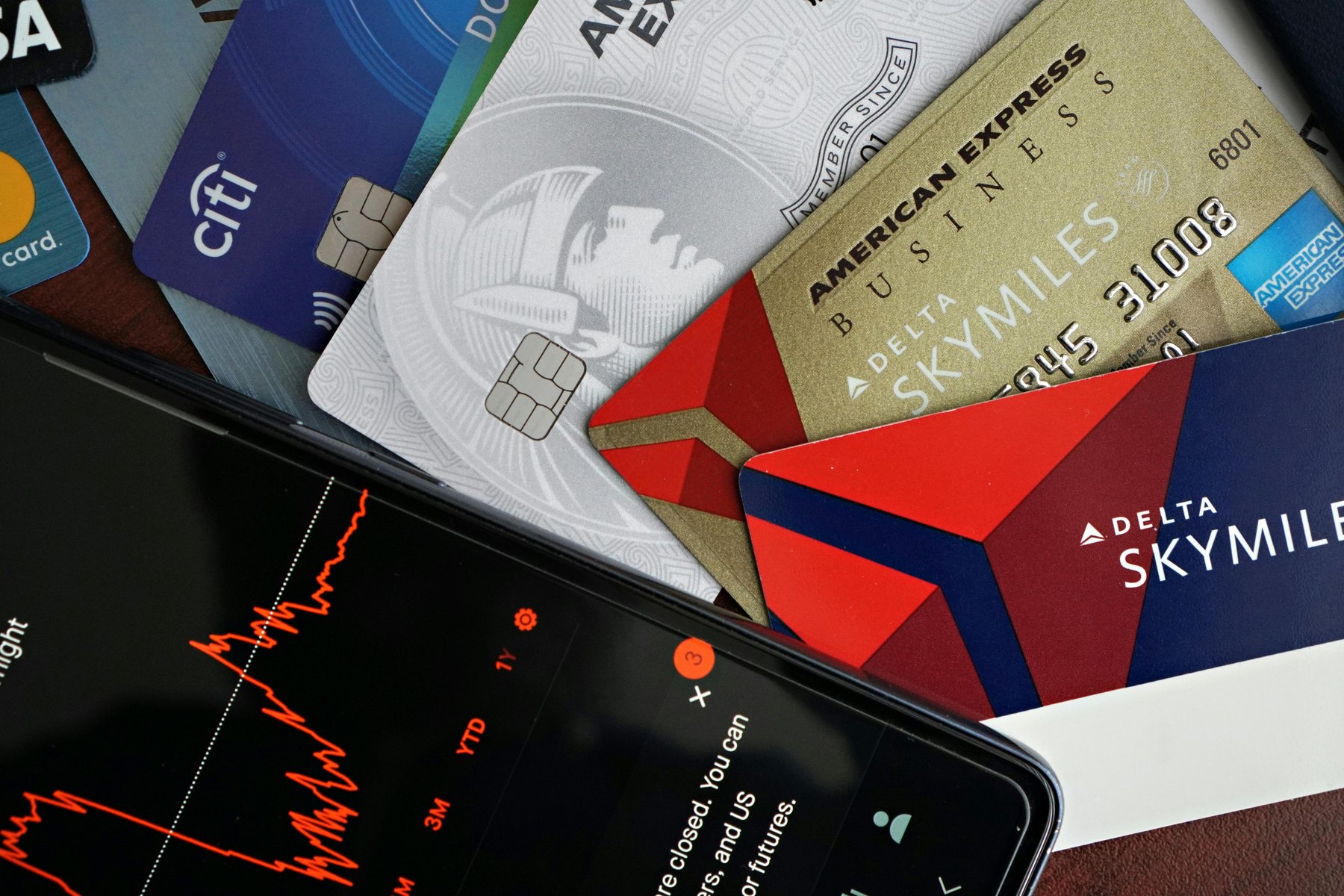
Spending traps are effective because they match how people naturally make decisions. Here are the main forces at play.
Present bias: now feels more important than later
People tend to value immediate rewards more than future costs. A $40 impulse purchase feels small today, but it can matter a lot when it pushes your credit card balance higher for months.
Anchoring: the first number sets the “normal” price
When you see “Was $199, now $129,” your brain compares to $199 even if $129 is still more than you intended to spend. Anchors show up in car dealer add ons, “premium” tiers, and suggested tip screens.
Loss aversion: you hate missing out more than you enjoy saving
“Only 2 left” and “sale ends tonight” are designed to make waiting feel like a loss. This is why people buy items they did not plan to buy, then rationalize the purchase later.
Mental accounting: you treat money differently depending on the label
People often spend a tax refund, bonus, or cash back “like free money,” even though it is still money that could reduce debt or build an emergency fund.
Social proof: if others are buying, it must be smart
Reviews, influencer posts, and “trending” lists can make spending feel safer. The trap is confusing popularity with affordability.
Payment pain is lower with cards and apps
Cash makes spending feel real. Tap to pay and stored cards reduce the “pain of paying,” which can increase the total you spend.
Spending traps in borrowing and credit decisions
Some of the most expensive spending traps are tied to borrowing. They can raise your monthly payments, increase interest costs, or create fees that are hard to unwind.
Minimum payment trap
Credit card minimum payments keep you current, but they can stretch repayment for years. If you only pay the minimum, a balance can linger and interest can add up.
Decision rule: If you carry a balance, set an autopay amount that is higher than the minimum and aligned with a payoff target date you can realistically meet.
0% promotional APR trap
Intro APR offers can be useful, but the trap is treating them like “free money” and then not paying the balance off before the promo ends. Also watch for balance transfer fees and the APR after the promo period.
Decision rule: Only use a promo if you can divide the balance by the promo months and pay at least that amount each month.
Buy now pay later trap
BNPL can make a purchase feel smaller by splitting it into payments. The trap is stacking multiple plans so your future paychecks are already spoken for. Late fees and returned payment fees can also apply depending on the provider.
Decision rule: If you cannot pay the full amount today without touching rent, utilities, groceries, or minimum debt payments, pause and reassess.
Auto dealer add on trap
In car buying, small add ons can be rolled into a loan, which means you pay interest on them. Examples include extended warranties, paint protection, gap coverage, and service plans. Some can be valuable, but the trap is agreeing under pressure without comparing price and terms.
Decision rule: Ask for an itemized out the door price and a loan worksheet that shows the payment with and without each add on.
Overdraft and fee trap
Small timing issues can trigger overdraft or nonsufficient funds fees. These fees can make a tight month tighter.
Decision rule: Keep a buffer in checking and set low balance alerts. Consider linking to savings for overdraft protection if your bank offers it and you understand the fees and transfer rules.
Spending traps: the most common ones and how to counter them
Use the table below as a quick “spot it and stop it” guide.
| Spending trap | How it shows up | Why it works | Practical counter move |
|---|---|---|---|
| One click checkout | Saved card, instant purchase | Removes friction | Remove saved cards and require manual entry |
| Free trial to paid | Auto renew after 7 to 30 days | Forgetting is profitable | Cancel immediately after signing up, or set a calendar reminder |
| “Only today” sale | Countdown timers, limited stock | Fear of missing out | 24 hour rule for non essentials over a set amount |
| Subscription creep | Multiple small monthly charges | Costs feel invisible | Monthly subscription audit and one in, one out rule |
| Tip screen pressure | Suggested tips start high | Social pressure and anchoring | Decide your standard tip range before ordering |
| Delivery convenience | Fees, markups, add ons | Convenience premium | Set a delivery budget or limit delivery to specific days |
| Minimum payment comfort | Small required payment | Short term relief | Autopay a fixed payoff amount above the minimum |
What this looks like with real numbers
Spending traps often feel small, so it helps to see how they change a monthly budget and borrowing needs. Below are three sample monthly allocations. Each adds up correctly and shows how small “leaks” can force credit card use.
Scenario 1: Net income $3,200 per month
| Category | Planned | With spending traps |
|---|---|---|
| Rent | $1,250 | $1,250 |
| Utilities and phone | $250 | $250 |
| Groceries | $400 | $400 |
| Transportation | $300 | $300 |
| Insurance | $200 | $200 |
| Debt payments | $300 | $300 |
| Savings | $250 | $150 |
| Dining and fun | $250 | $450 |
| Subscriptions | $50 | $100 |
| Misc | $0 | $0 |
| Total | $3,200 | $3,400 |
In the “with spending traps” version, you are short $200. Many people cover that gap with a credit card, then pay interest later. The fix is not perfection. It is a plan for the categories where traps show up most.
Scenario 2: Net income $4,500 per month with a car payment goal
| Category | Allocation |
|---|---|
| Housing | $1,700 |
| Utilities and internet | $300 |
| Groceries | $550 |
| Transportation (gas, maintenance) | $350 |
| Car payment sinking fund | $400 |
| Insurance | $300 |
| Debt payments | $400 |
| Savings and emergency fund | $350 |
| Dining and entertainment | $150 |
| Total | $4,500 |
This allocation intentionally limits the categories where spending traps are common and builds a “sinking fund” so a future car repair or down payment does not automatically become debt.
Scenario 3: Net income $2,600 per month with irregular expenses
| Category | Allocation |
|---|---|
| Rent and renters insurance | $1,050 |
| Utilities and phone | $220 |
| Groceries | $350 |
| Transportation | $220 |
| Minimum debt payments | $220 |
| Irregular bills sinking fund | $200 |
| Medical and prescriptions | $90 |
| Dining and fun | $150 |
| Savings | $100 |
| Total | $2,600 |
The “irregular bills sinking fund” is a trap breaker. It covers things like car registration, gifts, copays, and annual subscriptions so they do not push you into overdrafts or credit card balances.
Decision rules that prevent spending traps
Rules work because they remove repeated decision making. Pick a few that match your life and automate them.
The 24 hour rule (with a dollar threshold)
- If a non essential purchase is over $50 to $200 (choose your number), wait 24 hours.
- During the wait, check: Do I already own something that solves this? Will I still want it next week?
The “cash flow first” rule for credit cards
- If you cannot pay the statement balance from your next paycheck without skipping essentials, reduce spending now.
- If you are already carrying a balance, stop using the card for non essentials until you have a payoff plan.
The subscription rule: one in, one out
- Before adding a new subscription, cancel one of equal cost.
- Review subscriptions monthly using your bank and card statements.
The “all in price” rule
- Before you buy, calculate the full cost: taxes, shipping, fees, tips, add ons, and interest if financed.
- If the all in price is not worth it, walk away.
Tools and features that can help (and what to compare)
Some tools reduce spending traps by adding visibility or friction. None are perfect, so compare features, fees, and how they fit your habits.
| Option | Best fit | What to compare | Main drawback |
|---|---|---|---|
| YNAB (You Need A Budget) | Hands on budgeters who want a plan for every dollar | Subscription cost, bank connections, learning curve | Paid app and takes time to maintain |
| Rocket Money | People focused on subscription tracking and bill monitoring | Pricing tiers, cancellation support, alerts | Some features may require a paid plan |
| Monarch Money | Households that want shared budgeting and net worth tracking | Cost, account syncing, categories and rules | Paid subscription |
| Empower Personal Dashboard | Tracking spending and balances in one place | Account linking, budgeting tools, privacy preferences | Budgeting features may be lighter than dedicated apps |
| Your bank’s alerts (for example Chase, Bank of America, Wells Fargo) | Anyone who needs low balance and transaction notifications | Alert types, timing, overdraft settings, transfer rules | Alerts do not stop spending unless you act |
How to audit your last 30 days for traps
This quick audit can reveal the specific traps that hit your budget.
- Pull statements: review checking, savings, and every credit card for the last 30 days.
- Circle repeat charges: subscriptions, memberships, app stores, and “small” monthly fees.
- Flag fee categories: overdraft, late fees, delivery fees, interest charges.
- Find the top 3 impulse categories: dining, online shopping, convenience stores, rideshare, gaming.
- Pick one fix per category: a rule, a cap, or an automation.
Trap audit checklist
- Do I have any free trials that will renew this month?
- How many subscriptions did I use at least twice this month?
- Did I pay any interest or late fees? What triggered them?
- Did delivery or convenience spending replace groceries?
- Did I buy upgrades at checkout I did not plan for?
When spending traps lead to debt: a practical recovery plan
If spending traps have already pushed you into credit card debt or frequent overdrafts, focus on stabilizing cash flow first.
Step 1: Stop the bleeding
- Pause non essential subscriptions for one month.
- Remove saved cards from shopping apps.
- Set a weekly cash allowance for discretionary spending.
Step 2: Build a small buffer
A buffer can reduce overdrafts and late payments. Many people aim for $250 to $1,000 as a starter cushion, then build toward 3 to 6 months of essential expenses over time.
Step 3: Choose a payoff method you can stick with
- Snowball: pay extra on the smallest balance first for quick wins.
- Avalanche: pay extra on the highest APR first to reduce interest costs.
Either method can work. The best choice is the one you will follow consistently.
Step 4: If you consider a new loan, compare total cost and risk
People sometimes use a personal loan or balance transfer to simplify payments. Before you apply, compare APR, fees, repayment term, and whether the new payment fits your budget. A lower payment can be helpful, but a longer term can also increase total interest paid.
Where to get reliable help and information
- Consumer Financial Protection Bureau (CFPB) for guidance on credit cards, debt, and financial products.
- Federal Trade Commission (FTC) Consumer Advice for tips on scams, subscriptions, and deceptive marketing.
- AnnualCreditReport.com to check your credit reports and spot errors that can affect borrowing.
Quick summary: your anti trap starter kit
- Pick one friction move: remove saved cards or require a manual login for purchases.
- Pick one visibility move: low balance alerts and weekly spending check in.
- Pick one rule: 24 hour wait for non essentials over your threshold.
- Pick one budget protection: a sinking fund for irregular expenses.
- Pick one debt safeguard: autopay above the minimum if you carry a balance.
Spending traps are designed to be easy to fall into. Your goal is not to outsmart every ad. It is to set up defaults that make the best financial choice the easiest choice.


