

Stamp Prices Increase 2024 USPS: What It Costs and How to Save

The stamp prices increase 2024 USPS affects everyday mail like bills, greeting cards, and small business shipments, so it helps to know where costs rise and what you can do to control them.
Contents
28 sections
-
What changed with USPS postage in 2024
-
stamp prices increase 2024 USPS: who feels it most
-
1) Households that still mail payments and paperwork
-
2) Small businesses and side hustles
-
3) Anyone mailing time-sensitive items
-
How to estimate your annual postage increase (with real numbers)
-
Where USPS costs can jump: weight, thickness, and "nonmachinable" mail
-
Letters: extra ounces and thickness
-
Packages: dimensional weight and zones
-
Ways to reduce postage spending without cutting corners
-
Switch recurring bills to online payments
-
Buy postage the way you actually use it
-
Standardize your packaging
-
Batch your mail and track your usage
-
Use the right service for the job
-
Comparison table: common postage and shipping tools to consider
-
Budgeting checklist: keep postage from becoming a surprise expense
-
When higher postage affects your finances: cash flow and short-term borrowing
-
Decision rules for managing cash flow by timeline
-
Three sample "postage buffers" with dollar amounts
-
Example 1: Household mailing budget
-
Example 2: Side hustle shipping budget
-
Example 3: Small business mailing and shipping combined
-
How to verify current USPS prices and avoid scams
-
Quick decision guide: what to do next
-
If you mail fewer than 10 items per month
-
If you mail 10 to 200 items per month
-
If you mail or ship more than 200 items per month
Postage is a small line item until it is not. If you mail rent checks, documents, invitations, or customer orders, even a few cents per piece can add up over a year. This guide explains why USPS prices change, which mail types are most likely to be affected, and how to make smart mailing decisions with real numbers.
What changed with USPS postage in 2024
USPS periodically updates prices across common categories, including First-Class Mail (letters), postcards, and certain package services. The exact prices can vary by product and timing, so the most reliable way to confirm current postage is to check the official USPS price pages and rate notices.
In practical terms, a 2024 increase typically shows up in one or more of these ways:
- Higher per-piece cost for a standard letter or postcard.
- Higher additional-ounce charges for heavier letters.
- Changes to package pricing based on weight, zone (distance), and dimensions.
- Commercial vs retail differences that can widen or narrow depending on the service.
If you are budgeting for mailing, treat USPS postage like a utility bill: it is predictable in usage, but the unit price can change. Build a small buffer into your annual mailing budget and revisit it after each USPS rate update.
stamp prices increase 2024 USPS: who feels it most
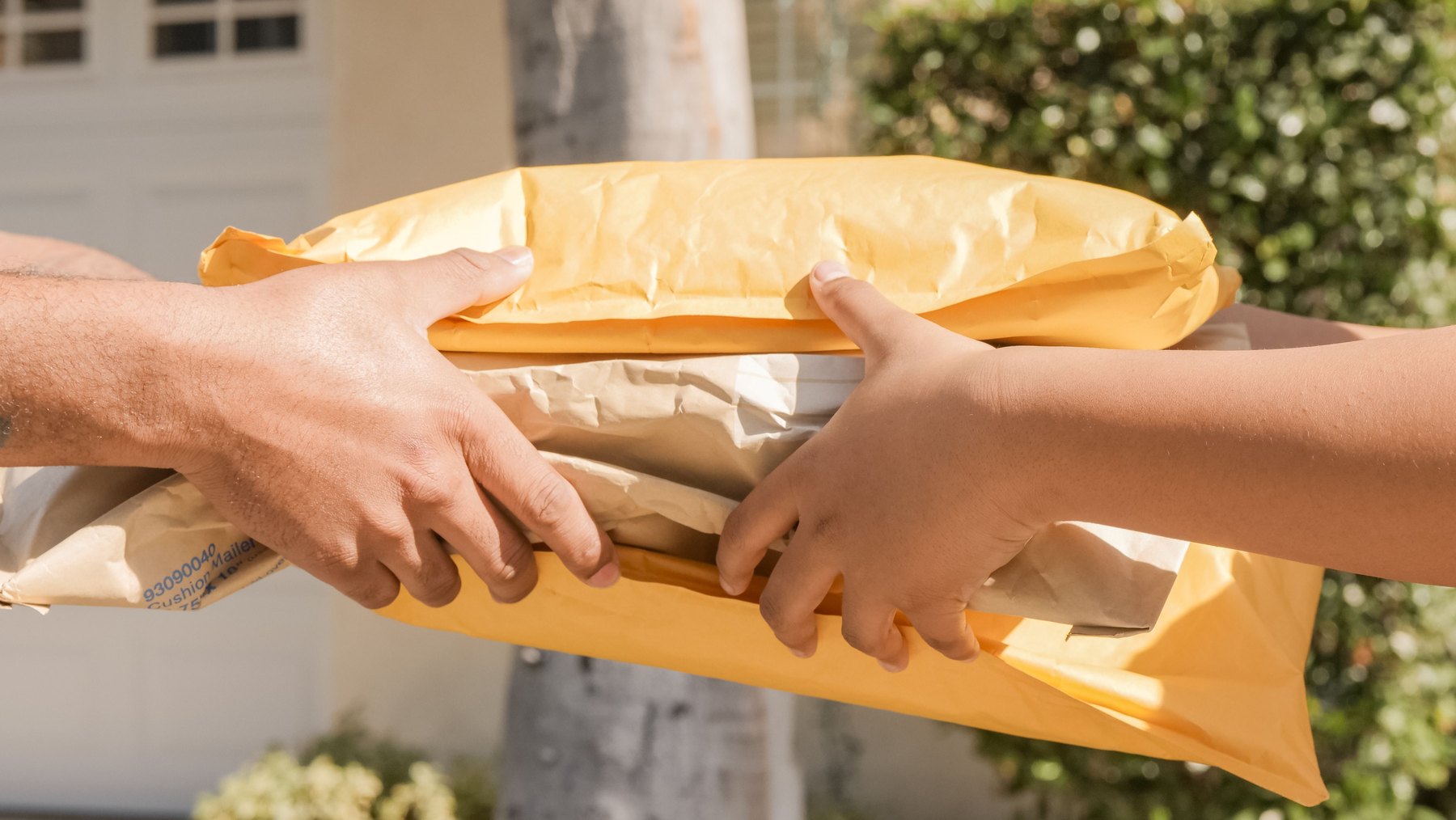
Not everyone is affected the same way. The impact depends on how often you mail and what you mail.
1) Households that still mail payments and paperwork
If you mail checks for rent, utilities, or medical bills, a higher stamp price increases the cost of staying paper-based. You might also mail certified letters for disputes, cancellations, or legal notices, which can cost more than a basic stamp.
2) Small businesses and side hustles
Etsy sellers, eBay sellers, and local businesses that send invoices, thank-you notes, or small packages can see a noticeable annual increase. The biggest drivers are volume and package characteristics (weight, thickness, and distance).
3) Anyone mailing time-sensitive items
When you need tracking or faster delivery, you may use services beyond a basic stamp. Those services can be more sensitive to rate changes, and they may also have add-on fees.
How to estimate your annual postage increase (with real numbers)
You do not need perfect math to plan. You need a reasonable estimate based on your mailing habits. Use this simple approach:
- List the types of mail you send (letters, postcards, packages, certified mail).
- Estimate how many you send per month.
- Multiply by 12 for annual volume.
- Multiply by the per-piece increase (in cents or dollars) once you confirm the current price.
Here are three example scenarios. The “increase per piece” is a placeholder because USPS prices can change and may differ by product. After you verify current rates, plug in your actual numbers.
| Scenario | Annual volume | Assumed increase per piece | Estimated annual added cost |
|---|---|---|---|
| Household mailing bills and cards | 120 letters | $0.05 | $6.00 |
| Side hustle mailing 25 packages per month | 300 packages | $0.30 | $90.00 |
| Nonprofit mailing 1,000 letters per month | 12,000 letters | $0.04 | $480.00 |
Decision rule: if your estimate is under $25 per year, you might focus on convenience. If it is $100+ per year, it is worth changing processes (online bill pay, batch printing, shipping software, or different packaging).
Where USPS costs can jump: weight, thickness, and “nonmachinable” mail
Many people think “a stamp is a stamp,” but postage depends on what you are sending.
Letters: extra ounces and thickness
A standard letter has size and weight limits. If you mail thicker envelopes, multi-page documents, or include items like gift cards, you can trigger additional-ounce charges or nonmachinable surcharges. That can matter more than the base stamp increase.
Packages: dimensional weight and zones
For packages, the price can depend on:
- Weight (ounces and pounds)
- Dimensions (length, width, height)
- Zone (how far it travels)
- Service level (Ground Advantage, Priority Mail, etc.)
Decision rule: if you ship regularly, measure and weigh your most common package types and save those presets in your shipping tool. Small changes like a smaller box can reduce costs more than the stamp increase itself.
Ways to reduce postage spending without cutting corners
These tactics are practical for households and small businesses. Pick the ones that match your situation.
Switch recurring bills to online payments
If you mail checks, you pay for the stamp, the envelope, and often the check stock. Moving recurring payments online can reduce mailing volume. If you prefer to avoid autopay, consider scheduling one-time payments through your bank’s bill pay.
Buy postage the way you actually use it
- Forever stamps can help if you mail letters consistently and want to avoid future price jumps on that category.
- Postcard stamps may be cheaper than letter postage when you are truly sending a postcard.
- Online postage can be more efficient for packages and may offer different pricing than retail counter rates depending on the service.
Standardize your packaging
For sellers, packaging is a controllable cost. Standardize to 1 to 3 box sizes and 1 to 2 mailers that fit your products. This reduces dimensional surprises and makes it easier to compare shipping options.
Batch your mail and track your usage
Keep a simple monthly log: number of letters, number of packages, and total postage spend. If you do not measure, you cannot manage. A basic spreadsheet is enough.
Use the right service for the job
Paying for speed when you do not need it can be expensive. If delivery time is flexible, compare USPS Ground Advantage vs Priority Mail. For documents that must be provable, compare Certified Mail, Signature Confirmation, or other tracking options based on your needs.
Comparison table: common postage and shipping tools to consider
If you mail or ship often, tools can help you compare services, print labels, and track costs. Availability and pricing can change, so verify current fees and whether you qualify for any commercial pricing.
| Option | Best fit | What to compare | Main drawback |
|---|---|---|---|
| USPS Click-N-Ship | Occasional shippers who want official USPS labels | Supported services, pickup options, label workflow | May be less flexible for multi-carrier comparisons |
| Pirate Ship | Small businesses shipping USPS frequently | USPS rates shown, insurance options, integrations | Not a full multi-carrier suite for every workflow |
| ShipStation | Higher-volume sellers needing automation | Integrations, batch printing, user seats, add-on costs | Monthly fees can outweigh savings for low volume |
| Stamps.com | Businesses needing postage and label tools | Subscription cost, USPS discounts, ease of use | Subscription pricing may not fit occasional users |
| PayPal Shipping (via PayPal account) | Casual sellers who already use PayPal | Eligible services, label pricing, refund process | Feature set can be limited compared to dedicated tools |
Budgeting checklist: keep postage from becoming a surprise expense
Use this checklist once per quarter or whenever USPS updates rates.
| Checklist item | Why it matters | Quick action |
|---|---|---|
| Confirm current USPS prices | Prevents outdated budgeting | Check USPS price pages and rate notices |
| Audit your monthly mail volume | Volume drives total cost | Count letters and packages for one month |
| Review package sizes and weights | Dimensions can raise shipping cost | Measure top 5 package types and standardize |
| Compare at least 2 shipping tools | Workflows and pricing differ | Price a sample shipment in each tool |
| Set a postage buffer | Absorbs rate changes | Add 5% to 10% to your annual postage line |
When higher postage affects your finances: cash flow and short-term borrowing
Postage increases alone rarely cause financial trouble, but they can contribute to cash flow stress for small businesses with thin margins or seasonal sales. If you are shipping products, postage is part of your cost of goods sold. If it rises, you may need to adjust pricing, minimum order thresholds, or shipping policies.
Decision rules for managing cash flow by timeline
- Under 1 year: Focus on operational fixes first – packaging, service selection, batching pickups, and reducing returns. Consider a small price adjustment rather than absorbing all increases.
- 1 to 3 years: Build postage into your pricing model and forecast. Track shipping cost per order and aim for consistency. If you use credit to buy inventory, compare APR and fees and avoid carrying balances longer than necessary.
- 3 to 7 years: Invest in systems – inventory management, shipping automation, and negotiated rates if your volume supports it. Keep an emergency fund sized to business volatility, often 3 to 6 months of essential expenses.
- 7+ years: Treat shipping as a strategic lever. Diversify carriers and fulfillment options, and plan for periodic rate cycles in long-term projections.
Three sample “postage buffers” with dollar amounts
These examples show what it can look like to plan for postage changes without overcomplicating your budget. Adjust the numbers to your actual mailing volume and seasonality.
Example 1: Household mailing budget
You spend about $12 per month on stamps and occasional certified mail, or $144 per year. You decide to build a buffer for rate increases and extra mail.
- $150 – expected annual postage
- $25 – buffer for rate changes and extra mail
- $25 – envelopes, checks, and printing
Total annual mailing budget: $200
Example 2: Side hustle shipping budget
You ship 30 orders per month. Your average postage is $5.25 per order, or about $1,890 per year. You add a buffer and supplies line.
- $1,900 – expected annual postage
- $190 – 10% buffer for rate changes and zone mix
- $310 – boxes, mailers, tape, labels
Total annual shipping budget: $2,400
Example 3: Small business mailing and shipping combined
You mail invoices and ship products. You want a simple annual plan that will not break if rates rise mid-year.
- $1,200 – letter mail and statements
- $3,600 – package postage
- $400 – supplies
- $300 – buffer for rate changes and re-shipments
Total annual mailing and shipping budget: $5,500
How to verify current USPS prices and avoid scams
When prices change, scam messages about “postage due” and fake delivery problems can increase. Protect yourself by verifying charges and tracking through official channels.
- Check official USPS information and tools through USPS.com and published notices.
- Be cautious with unexpected texts or emails demanding payment for redelivery or postage due.
- If you need to report suspicious messages or learn common tactics, review guidance from the FTC.
Helpful resources:
Quick decision guide: what to do next
If you want a simple plan after the stamp prices increase 2024 USPS, use this decision guide.
If you mail fewer than 10 items per month
- Buy a small stock of stamps that match your typical mail.
- Switch any easy recurring payments to online bill pay.
- Set a $25 to $50 annual buffer for mailing supplies and rate changes.
If you mail 10 to 200 items per month
- Track monthly volume and total spend.
- Standardize envelopes or packaging to avoid surprise surcharges.
- Compare at least two label tools for packages and verify current fees.
If you mail or ship more than 200 items per month
- Build a shipping dashboard: cost per order, average zone, average weight.
- Review your pricing and shipping policy quarterly.
- Consider process upgrades like batch printing, scheduled pickups, and automation.
Bottom line: a stamp increase is manageable when you treat mailing like any other recurring expense. Confirm current rates, estimate your annual impact, and focus on the few operational changes that reduce cost per piece.
For broader money management and budgeting tools, you can also explore consumer resources at the FDIC and the CFPB consumer tools page.


