

How to Start a Neighborhood Watch

To start a neighborhood watch, you need a clear purpose, a small organizing team, and a simple plan for communication, reporting, and basic safety habits.
Contents
33 sections
-
What a neighborhood watch does (and does not do)
-
What it does
-
What it does not do
-
Start a neighborhood watch with a simple 30 day plan
-
Days 1 to 7: Define the area and recruit 3 to 5 organizers
-
Days 8 to 14: Set communication rules and reporting steps
-
Days 15 to 21: Hold a kickoff meeting and set 3 priorities
-
Days 22 to 30: Build a contact tree and run one practice drill
-
Budgeting and costs: what it looks like with real numbers
-
Common watch expenses
-
Three sample budgets that add up
-
Choosing tools: communication and reporting options
-
Decision rules for picking your main channel
-
Working with local police and city resources
-
Safety and privacy guidelines that keep the watch effective
-
Use a simple reporting script
-
Do not share sensitive personal information
-
Keep it non confrontational
-
Home and vehicle prevention checklist (quick wins)
-
Home checklist
-
Vehicle checklist
-
Funding upgrades: when a loan might come up (and how to compare)
-
Common ways communities pay for improvements
-
Example: funding a $12,000 lighting project
-
Meeting agenda template and outreach scripts
-
60 minute meeting agenda
-
Flyer text you can adapt
-
Handling common problems: rumors, conflict, and low participation
-
If posts become rumor based
-
If neighbors argue about politics or blame
-
If participation is low
-
Resources for scams, identity theft, and emergency readiness
-
Neighborhood watch launch checklist (printable)
A neighborhood watch is not about confronting people or acting like law enforcement. It is about neighbors looking out for each other, noticing patterns, and reporting concerns through the right channels. Done well, it can improve communication, reduce confusion during emergencies, and help residents feel more connected.
What a neighborhood watch does (and does not do)
Before you recruit anyone, set expectations. Many watch groups fail because people assume it is a patrol unit or a private security team. A strong watch is mostly organization and communication.
What it does
- Creates a reliable way to share safety updates and suspicious activity reports.
- Encourages practical prevention habits like locking doors, improving lighting, and tracking packages.
- Builds relationships so neighbors recognize what is normal on the block.
- Coordinates with local law enforcement or community policing programs when available.
What it does not do
- It does not replace police, emergency services, or professional security.
- It does not involve profiling people or targeting protected groups.
- It does not require members to intervene physically or chase suspects.
- It does not require expensive gear to be effective.
Start a neighborhood watch with a simple 30 day plan
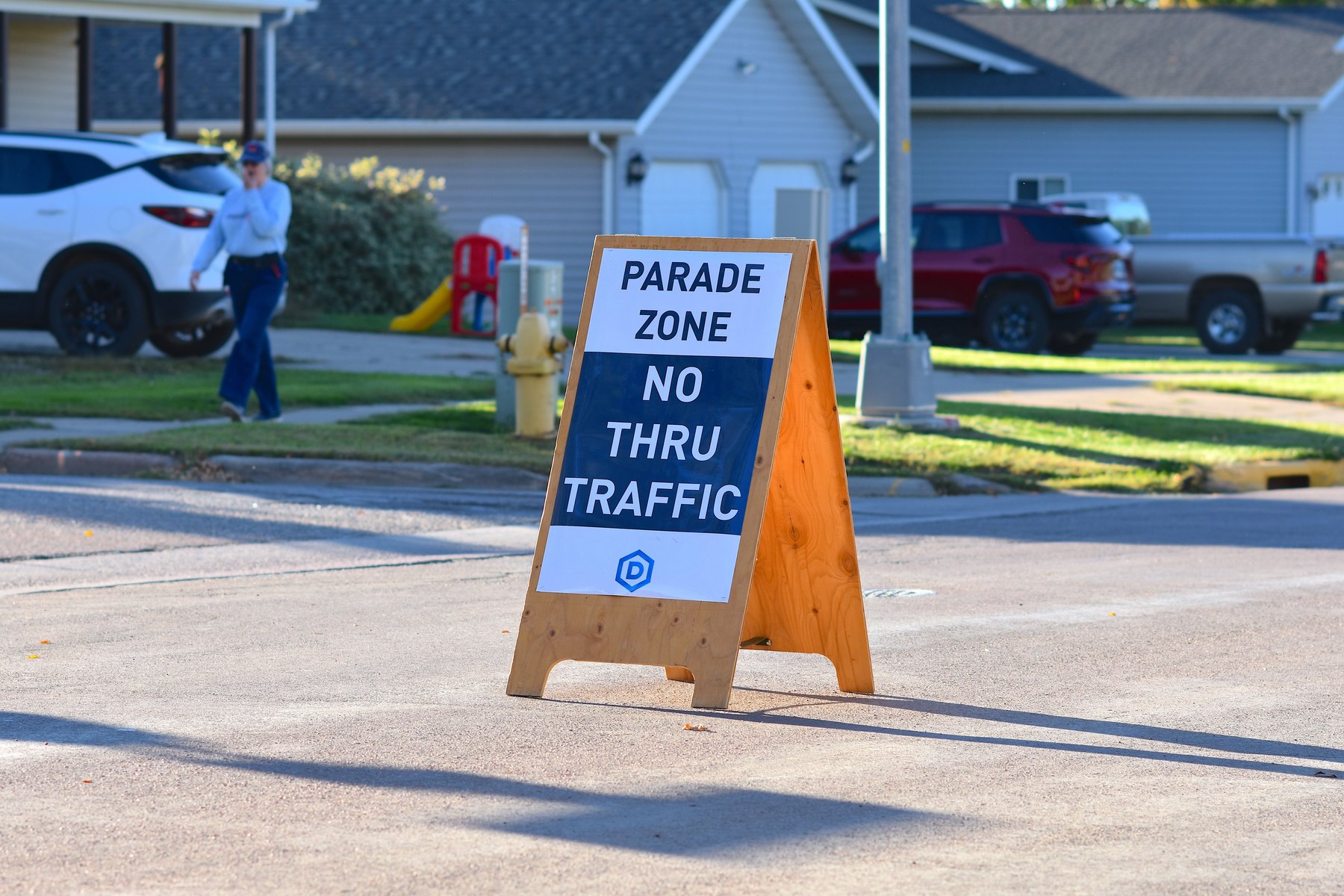
If you want momentum, give the group a short timeline. Here is a practical 30 day approach that works for many neighborhoods.
Days 1 to 7: Define the area and recruit 3 to 5 organizers
- Define boundaries: One or two streets, a condo building, or a small HOA zone is easier than an entire subdivision.
- Recruit a small core team: Look for people who are consistent and calm, not just loud.
- Pick roles: Coordinator, communications lead, meeting host, and a liaison to local police or community officers if available.
Days 8 to 14: Set communication rules and reporting steps
- Choose one primary channel: Email list, text group, or a neighborhood platform.
- Write a short posting policy: No doxxing, no accusations, no posting license plates publicly, and no sharing security camera footage with faces unless requested by police.
- Agree on reporting: Emergency equals 911. Non emergency equals your local non emergency number or online reporting portal.
Days 15 to 21: Hold a kickoff meeting and set 3 priorities
Keep the first meeting short and specific. A good agenda is:
- Why the watch is forming and what problems you want to reduce.
- How to report issues and what information helps.
- Simple prevention checklist for homes and vehicles.
- Volunteer signups for block captains or building floor reps.
Pick three priorities for the next 60 to 90 days, such as package theft, car break ins, or better lighting.
Days 22 to 30: Build a contact tree and run one practice drill
- Create a contact list with names, addresses, and preferred method of contact.
- Assign block captains to 10 to 20 homes each, depending on density.
- Run a simple drill: share a test message, confirm who received it, and fix gaps.
Budgeting and costs: what it looks like with real numbers
Most neighborhood watch groups can operate with low costs, but you may want a small budget for printing, signage, or meeting supplies. If you are in an HOA, you might request a small line item. If you are not, you can collect voluntary contributions. Keep it transparent and optional.
Common watch expenses
- Flyers and welcome packets
- Neighborhood watch signs
- Basic supplies for meetings
- Shared tools like a dedicated phone number or mailbox
- Optional: lighting upgrades or camera systems for common areas (usually HOA or building managed)
| Expense | Typical cost range | Who usually pays | Notes |
|---|---|---|---|
| Flyers and printing | $20 to $150 | Voluntary donations or HOA | Start small. A one page handout is enough. |
| Watch signs | $15 to $60 per sign | HOA, building, or donations | Check local rules for placement and right of way. |
| Meeting space | $0 to $50 | Usually free | Libraries, schools, churches, or community rooms may be free. |
| Shared phone number | $0 to $30 per month | Group budget | Consider a low cost VoIP line. Avoid personal numbers for privacy. |
| Lighting upgrades (common areas) | $100 to $2,000+ | HOA or property owner | Get multiple quotes and confirm who maintains it. |
Three sample budgets that add up
These examples show how a watch might allocate funds depending on neighborhood size and goals.
- Lean starter budget: $100 total
- $40 printing and flyers
- $40 for 2 signs
- $20 meeting supplies
- Standard neighborhood budget: $500 total
- $150 printing and welcome packets
- $200 for signs (about 6 to 10 signs depending on price)
- $100 for a shared phone line for a few months
- $50 for meeting supplies and name tags
- HOA supported improvements: $2,000 total
- $300 printing, signs, and outreach
- $1,200 lighting improvements in common areas
- $300 for a community room event and training materials
- $200 contingency for replacements and repairs
Choosing tools: communication and reporting options
You do not need fancy software. The best tool is the one most neighbors will actually use. Consider privacy, moderation, and how easy it is to add new residents.
| Option | Best fit | What to compare | Main drawback |
|---|---|---|---|
| Small blocks that want quick updates | Group size limits, admin controls, privacy settings | Fast chats can spread rumors if not moderated | |
| Signal | Privacy focused groups | Admin tools, disappearing messages, onboarding ease | Some neighbors may not want another app |
| Google Groups or email list | Mixed tech comfort, longer updates | Moderation, archive access, spam controls | Email can be ignored and lists need maintenance |
| Nextdoor | Neighborhood wide announcements | Verification, moderation tools, reach | Can become noisy or argumentative without clear rules |
| Facebook Group | Areas where most residents already use Facebook | Privacy settings, admin roles, posting approval | Not everyone uses Facebook and privacy concerns vary |
| GroupMe | Simple texting style groups | Ease of use, admin controls, notifications | Message overload and limited structure for resources |
Decision rules for picking your main channel
- If many residents are older or prefer simple tools: start with an email list and a phone tree.
- If you need fast alerts for a small area: use a moderated group chat with 2 to 3 admins.
- If you have frequent turnover (rentals, students): choose a tool that makes it easy to add and remove members quickly.
- If privacy is a top concern: limit membership, avoid public posts, and keep sensitive details off social media.
Working with local police and city resources
Many departments have community policing officers or crime prevention units that can provide training topics, reporting guidance, and sometimes signage templates. Ask what they can support and what they cannot.
- Request a non emergency contact number and online reporting link to share with residents.
- Ask what details are most helpful when reporting suspicious activity (time, location, description, direction of travel).
- Ask about local ordinances for signage, cameras, and lighting.
For broader consumer and identity protection resources that often overlap with neighborhood safety, you can also review guidance from the FTC at consumer.ftc.gov.
Safety and privacy guidelines that keep the watch effective
These rules help prevent conflict, reduce misinformation, and protect residents.
Use a simple reporting script
When someone posts a concern, encourage a consistent format:
- What happened (facts only)
- Where (cross street or building area)
- When (date and time)
- Description (clothing, vehicle color, direction of travel)
- What action was taken (called non emergency line, filed report)
Do not share sensitive personal information
- Avoid posting full addresses tied to a person, phone numbers, or schedules.
- Do not post images of minors.
- Be cautious with camera footage. If police request it, share directly with them.
Keep it non confrontational
- Observe and report. Do not approach or follow someone.
- If you feel unsafe, go inside and call 911.
- Use well lit public areas for meetings and events.
Home and vehicle prevention checklist (quick wins)
A watch works best when it pairs communication with basic prevention. Share this checklist at the kickoff meeting.
Home checklist
- Install or replace deadbolts and reinforce strike plates if needed.
- Use motion lighting near entrances.
- Trim shrubs that create hiding spots near doors and windows.
- Stop mail and package deliveries when traveling.
- Use timers for lights when away.
Vehicle checklist
- Lock doors and close windows every time, even in driveways.
- Do not leave valuables visible, including charging cables that suggest devices.
- Remove garage door openers if parking outside.
- Record VIN and take photos for insurance and police reports if needed.
Funding upgrades: when a loan might come up (and how to compare)
Most watch groups do not need borrowing. But some neighborhoods consider shared improvements like lighting in common areas, gate repairs, or camera systems for an HOA clubhouse. If your HOA or building association is evaluating financing, focus on total cost, fees, and long term obligations.
Common ways communities pay for improvements
- Cash reserves: Using existing HOA reserves can avoid interest but may reduce flexibility for future repairs.
- Special assessment: A one time charge to owners. It can be simpler than borrowing but may be hard for some households.
- Installment payment plan: Owners pay over time to the HOA, sometimes with administrative fees.
- HOA or condo association loan: The association borrows and repays through dues or assessments. Terms and eligibility vary widely.
| Funding method | Best fit | What to compare | Key risk |
|---|---|---|---|
| Cash reserves | Project is small and reserves are healthy | Reserve study, future repair schedule, vendor warranties | Underfunding future maintenance |
| Special assessment | Owners can handle a one time cost | Collection timeline, hardship policies, legal requirements | Delinquencies can strain the budget |
| Installment plan | Owners need time to pay without external debt | Admin costs, late fees, enforcement process | Cash flow gaps if many pay late |
| Association loan | Large project with predictable repayment base | APR, fees, term length, prepayment rules, collateral | Long term obligation may raise dues |
Example: funding a $12,000 lighting project
Assume a small HOA with 24 units wants to improve lighting in common areas.
- Special assessment: $12,000 divided by 24 units equals $500 per unit. If collected over 2 months, that is $250 per month per unit.
- Installment plan: $12,000 over 12 months equals $1,000 per month total, or about $41.67 per unit per month, plus any admin costs the HOA chooses to charge.
- Association loan: The HOA would compare APR, fees, and term. The monthly payment depends on the final rate and term, so the board should request multiple quotes and model the dues impact.
Meeting agenda template and outreach scripts
Consistency helps participation. Use the same structure each time.
60 minute meeting agenda
- Welcome and purpose (5 minutes)
- Recent issues and facts (10 minutes)
- Prevention tip of the month (10 minutes)
- Guest speaker or local officer Q and A (15 minutes)
- Action items and volunteers (15 minutes)
- Wrap up and next date (5 minutes)
Flyer text you can adapt
- Headline: Neighborhood Watch Kickoff Meeting
- Body: Join neighbors to improve communication and share practical safety tips. Learn how to report concerns and sign up for updates.
- Details: Date, time, location, contact email or phone
Handling common problems: rumors, conflict, and low participation
If posts become rumor based
- Require time and location for any incident report.
- Ask posters to label items as “confirmed” (police report filed) or “unconfirmed.”
- Move sensitive discussions to admins or a smaller group.
If neighbors argue about politics or blame
- Recenter on the watch purpose and posting rules.
- Use moderation tools like post approval if needed.
- Keep meetings focused on actions: lighting, locks, reporting steps.
If participation is low
- Make it easy: one monthly update email is better than daily noise.
- Rotate small tasks so the same two people are not doing everything.
- Pair watch updates with community building like a clean up day.
Resources for scams, identity theft, and emergency readiness
Neighborhood watch groups often end up discussing scams, stolen mail, and identity theft. These resources can help residents take practical next steps:
- FTC consumer guidance on scams and reporting: https://consumer.ftc.gov/
- CFPB resources on fraud and money transfers: https://www.consumerfinance.gov/
- FDIC tips on avoiding bank impersonation scams and protecting accounts: https://www.fdic.gov/
Neighborhood watch launch checklist (printable)
- Define boundaries and goals
- Recruit 3 to 5 organizers and assign roles
- Choose one primary communication channel
- Write posting and privacy rules
- Collect contact info and build a contact tree
- Schedule kickoff meeting and set 3 priorities
- Share reporting steps (911 vs non emergency)
- Distribute prevention checklist
- Set a monthly meeting or update schedule
- Track issues and follow up with facts, not rumors
When you keep the scope manageable and focus on communication, prevention, and respectful reporting, a neighborhood watch can be a practical way to make your area more connected and prepared.

