

Summer Airfare Prices and Jet Fuel: What Travelers Can Do to Cut Costs

Summer airfare prices jet fuel costs are closely linked, and understanding that connection can help you plan trips with fewer surprises. Jet fuel is a major operating expense for airlines, but it is not the only reason tickets rise in summer. Demand spikes, limited seat supply, route competition, and airport constraints can matter just as much. The practical takeaway is that you can often lower your total trip cost by choosing the right dates, airports, fare type, and payment method, even when fuel prices are moving up.
Contents
34 sections
-
Why jet fuel matters for airfare (and why it is not the whole story)
-
Key factors that interact with fuel prices
-
What this means for your booking decisions
-
summer airfare prices jet fuel: what changes in peak season
-
Common summer patterns to expect
-
How to estimate your real flight cost (not just the headline fare)
-
All-in airfare checklist
-
Booking strategies that usually work when fuel and demand are high
-
1) Use date flexibility first, not airline loyalty
-
2) Compare nearby airports and "split" itineraries
-
3) Consider a connection when nonstop is expensive
-
4) Watch total trip cost, not just airfare
-
5) Set price alerts and track a few options
-
Using points and miles when cash prices rise
-
Practical points decision rules
-
Named examples of tools and programs travelers commonly compare
-
Should you use a credit card, debit card, or buy now pay later for flights?
-
Credit card vs debit for airfare
-
Installment plans and personal loans
-
Real-number budgets: what summer travel planning can look like
-
Scenario 1: $1,200 weekend trip for one person
-
Scenario 2: $3,500 family trip with two adults and one child
-
Scenario 3: $800 "visit family" trip with flexibility
-
Decision rules by timeline: when to book and how to fund it
-
Under 1 year (most summer trips)
-
1 to 3 years (big trips you know are coming)
-
3 to 7 years (recurring family travel or milestone trips)
-
7+ years (long-range planning)
-
How to avoid common airfare traps during summer
-
Trap 1: Buying the cheapest fare without checking restrictions
-
Trap 2: Financing a trip and then paying interest for months
-
Trap 3: Ignoring cancellation and refund rules
-
Helpful consumer resources for flight payments and credit
-
Quick action plan: lower your summer flight cost in 30 minutes
Why jet fuel matters for airfare (and why it is not the whole story)
Jet fuel is typically one of the largest variable costs for airlines. When fuel becomes more expensive, airlines may try to recoup some of that cost through higher fares, added fees, or reduced discounts. But airfare pricing is dynamic. Airlines adjust prices based on what they believe travelers will pay for specific flights on specific days.
Key factors that interact with fuel prices
- Seasonal demand: Summer brings school breaks, weddings, and peak leisure travel. Higher demand often raises prices even if fuel is flat.
- Capacity and schedules: If there are fewer flights on a route or fewer seats overall, prices can rise quickly.
- Competition: Routes served by multiple airlines often have more price pressure than routes served by one or two carriers.
- Aircraft and efficiency: Newer planes can burn less fuel per seat, which can soften the impact of higher fuel costs.
- Hedging and contracts: Some airlines use financial hedges or longer-term fuel purchasing strategies. That can delay or reduce how quickly fuel costs show up in fares.
What this means for your booking decisions
Fuel can push the overall pricing environment higher, but your individual ticket price still depends heavily on timing, flexibility, and route choices. That is why two travelers can see very different prices for similar trips during the same week.
summer airfare prices jet fuel: what changes in peak season
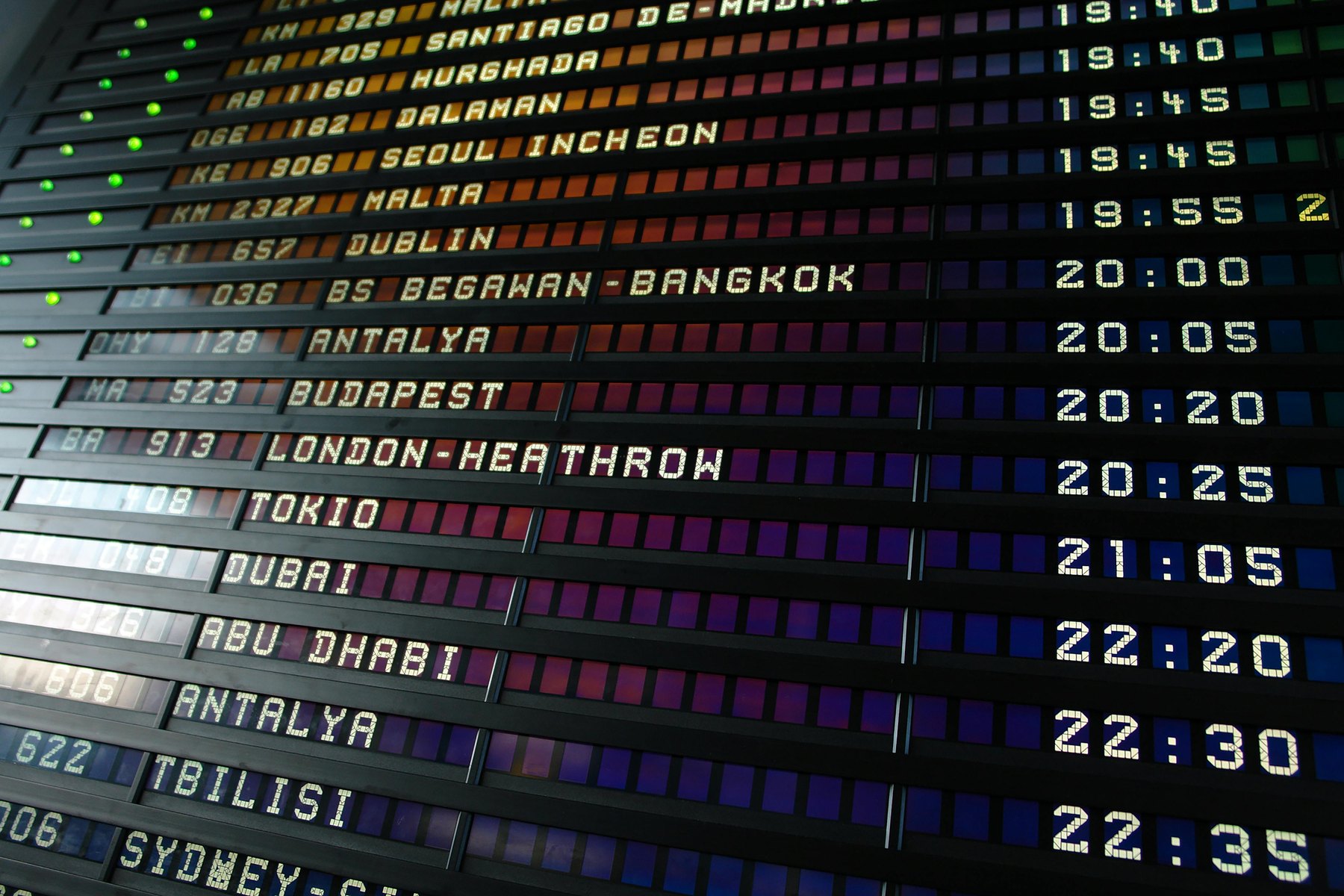
In peak season, airlines have less incentive to discount because planes fill up more easily. If jet fuel is also elevated, airlines may be even less aggressive with sales. You can respond by shifting what you control: dates, airports, trip length, and how you pay.
Common summer patterns to expect
- Weekends cost more: Friday and Sunday flights often price higher than midweek.
- Short-notice trips get expensive: Last-minute leisure travel can be costly because remaining seats are limited.
- Popular departure times price higher: Morning departures and convenient nonstop flights often carry a premium.
- Fees matter more: When base fares rise, baggage, seat selection, and change fees can push the total cost much higher.
How to estimate your real flight cost (not just the headline fare)
When prices are volatile, comparing only the base fare can lead you to the wrong choice. Build a quick “all-in” estimate for each option.
All-in airfare checklist
- Base fare
- Taxes and mandatory fees
- Carry-on fee (common on some basic economy style fares)
- Checked bag fees (round trip)
- Seat selection fees (if you care where you sit)
- Change or cancellation flexibility (especially for summer disruptions)
- Ground transportation to the airport (parking, rideshare, transit)
| Cost item | Often overlooked? | What to check before buying | How to reduce it |
|---|---|---|---|
| Carry-on and checked bags | Yes | Bag rules by fare type and airline | Pack lighter, use a personal item, compare fare bundles |
| Seat selection | Yes | Whether seats are assigned at check-in | Accept random seat, book earlier, compare “standard economy” vs basic |
| Change and cancellation | Yes | Credits, deadlines, and whether fees apply | Choose flexible fares when plans are uncertain |
| Airport transportation | Yes | Parking rates, rideshare surge, transit schedules | Use transit, carpool, compare nearby airports |
Booking strategies that usually work when fuel and demand are high
No strategy is perfect, but these tactics often improve your odds of paying less.
1) Use date flexibility first, not airline loyalty
If your goal is the lowest price, start by searching with flexible dates. Even shifting by one day can change the fare meaningfully in summer.
Decision rule: If your dates are flexible, price out Tuesday or Wednesday departures and returns before you commit to weekend travel.
2) Compare nearby airports and “split” itineraries
In some regions, flying from a different airport or returning to a different airport can cut costs. Also consider booking two one-way tickets if it is cheaper than a round trip, but compare baggage rules and connection risks.
3) Consider a connection when nonstop is expensive
Nonstop flights are convenient and often priced higher. A single connection can be cheaper, but it increases the risk of missed connections and delays. In summer, give yourself more buffer time if you connect.
4) Watch total trip cost, not just airfare
A cheaper flight to a far airport can be offset by expensive ground transportation or an extra hotel night. Price the whole trip.
5) Set price alerts and track a few options
Pick two or three viable itineraries and track them. If one drops, you can act quickly. If all rise, you can decide whether to adjust dates or destination.
Using points and miles when cash prices rise
When cash fares increase, award pricing can sometimes become a better deal, but not always. Some programs price awards dynamically, meaning points required can rise with demand.
Practical points decision rules
- Compare cash vs points on the same flight: If points pricing is high, paying cash and saving points for later may be better.
- Factor in taxes and fees: Some awards still require meaningful cash payments.
- Do not ignore flexibility: If your plans might change, look at cancellation rules for award tickets.
Named examples of tools and programs travelers commonly compare
- Google Flights for flexible date grids and price tracking.
- Hopper for price monitoring and trip planning features.
- Kayak for broad comparisons across airlines and agencies.
- Skyscanner for exploring cheaper destinations and month views.
- Expedia for bundling flights with hotels (compare bundle savings to booking separately).
- Airline programs such as Delta SkyMiles, United MileagePlus, American AAdvantage, Southwest Rapid Rewards, and JetBlue TrueBlue for award options and member pricing.
| Option | Best fit | What to compare | Main drawback |
|---|---|---|---|
| Google Flights | Flexible date shoppers | Calendar prices, nearby airports, alerts | Does not always show every budget carrier or package deal |
| Hopper | People who want app-based tracking | Price predictions, alerts, change features | Features and fees vary – verify total cost before buying |
| Kayak | Broad comparison across sites | Filters, fare types, agency vs airline pricing | Third-party bookings can complicate changes |
| Skyscanner | Exploring destinations by price | Cheapest month, flexible searches | May route you to unfamiliar agencies – check reviews and policies |
| Booking direct with an airline (example: United, Delta, American, Southwest, JetBlue) | Travelers who value easier changes | Total price, baggage rules, credits, customer support | May not always be the lowest upfront price |
Should you use a credit card, debit card, or buy now pay later for flights?
How you pay can affect your protections, your interest costs, and your budget. The best choice depends on whether you can pay in full and how stable your travel plans are.
Credit card vs debit for airfare
- Credit card: Can be useful for rewards and may offer dispute rights. The risk is carrying a balance at a high APR.
- Debit card: Keeps spending tied to cash you already have, but disputes and holds can be more disruptive to your checking balance.
Installment plans and personal loans
Some travelers consider installment plans or a personal loan to spread out costs. This can make sense only if the monthly payment fits comfortably in your budget and the total interest and fees are reasonable. Compare APR, origination fees, repayment term, and whether there is a prepayment penalty. If you are already carrying high-interest credit card debt, adding another payment can increase financial stress.
Real-number budgets: what summer travel planning can look like
Below are three sample allocations that show how to plan for airfare when prices are elevated. The goal is to avoid putting the entire trip on a high-interest balance and to leave room for surprises like baggage fees or a last-minute schedule change.
Scenario 1: $1,200 weekend trip for one person
- Flight: $420
- Lodging (2 nights): $380
- Food: $180
- Local transportation: $90
- Activities: $80
- Buffer for fees and price changes: $50
Total: $1,200
Scenario 2: $3,500 family trip with two adults and one child
- Flights: $1,650
- Lodging (5 nights): $1,150
- Food: $450
- Transportation (car rental or transit): $180
- Activities: $220
- Buffer for bags, seats, and changes: $150
Total: $3,500
Scenario 3: $800 “visit family” trip with flexibility
- Flight: $260
- Ground transportation: $120
- Food and groceries: $200
- Gifts and extras: $70
- Buffer: $150
Total: $800
Decision rules by timeline: when to book and how to fund it
Airfare is not an investment, but timing and cash planning still matter. Use these timeline rules to reduce the chance of paying more than you need to or relying on expensive debt.
Under 1 year (most summer trips)
- Booking: Start tracking early and buy when you see a price that fits your budget and schedule.
- Funding: Prefer cash savings or paying your credit card in full. If you must finance, compare total cost across options and keep the repayment term short enough to avoid paying long after the trip is over.
- Risk control: Keep a buffer for bags, seat fees, and changes.
1 to 3 years (big trips you know are coming)
- Booking: You cannot book flights that far out for most airlines, but you can plan destinations and watch typical seasonal pricing.
- Funding: Build a dedicated travel fund with automatic monthly transfers.
- Risk control: Avoid locking yourself into debt for travel if your income is uncertain.
3 to 7 years (recurring family travel or milestone trips)
- Booking: Focus on long-term habits – flexible travel windows, points strategy, and off-peak alternatives.
- Funding: Consider a sinking fund approach: a set amount each month for expected annual travel.
7+ years (long-range planning)
- Booking: Not applicable for specific flights, but you can plan for future travel costs rising over time.
- Funding: Keep travel goals aligned with retirement and emergency savings priorities.
How to avoid common airfare traps during summer
Trap 1: Buying the cheapest fare without checking restrictions
Basic economy style fares can be fine if you travel light and your plans are firm. If you need a carry-on, seat selection, or flexibility, the “cheapest” fare can become the most expensive after add-ons.
Trap 2: Financing a trip and then paying interest for months
If you carry a credit card balance, interest can quickly overwhelm any points you earned. A simple rule: if you cannot pay the statement balance in full, treat rewards as secondary and focus on minimizing interest and fees.
Trap 3: Ignoring cancellation and refund rules
Policies vary by airline and fare type. Before you buy, confirm what happens if you need to change dates, cancel, or if the airline changes the schedule.
Helpful consumer resources for flight payments and credit
- Consumer Financial Protection Bureau (CFPB) for guidance on credit cards, disputes, and consumer financial products.
- Federal Trade Commission (FTC) Consumer Advice for tips on avoiding scams and handling billing problems.
- AnnualCreditReport.com to check your credit reports if you are considering financing travel and want to understand your credit profile.
Quick action plan: lower your summer flight cost in 30 minutes
- Pick 2 date ranges (your ideal week and a backup week).
- Search 2 nearby airports if you have them.
- Compare nonstop vs one-stop and note total travel time.
- Build an all-in price including bags and seats.
- Set alerts on two itineraries and decide your “buy price” based on your budget.
- Choose a payment plan that you can pay off quickly, ideally by the due date to avoid interest.
When summer demand is strong and jet fuel is expensive, you cannot control the market. But you can control flexibility, total-cost comparisons, and how you fund the trip. Those three levers often make the biggest difference.


