

Tickets Simone Biles Tour USA Gymnastics: How to Buy, Budget, and Avoid Scams

Tickets Simone Biles Tour can be exciting to shop for, but the smartest purchase is the one that fits your budget, avoids scams, and does not create long term debt. This guide walks through where to look for legitimate tickets, how to compare total costs, and how to choose a payment method that keeps your finances stable.
Contents
27 sections
-
What to know before you shop for tickets
-
Start with the full cost, not the seat price
-
Set a walk away number
-
Tickets Simone Biles Tour: where to buy and how to compare options
-
Named ticket platforms to compare
-
How to verify you are on the real site
-
Budgeting for the event with real numbers
-
Step 1: Estimate your total outing cost
-
Step 2: Choose a savings timeline
-
Three sample allocations that add up
-
Should you use a credit card, BNPL, or a personal loan for tickets?
-
Payment method decision rules
-
Compare financing options with a quick matrix
-
A quick cost example: credit card balance vs paying in full
-
How to avoid ticket scams and costly mistakes
-
Red flags to watch for
-
Safer buying checklist
-
How to keep ticket buying from hurting your credit
-
Credit guardrails
-
Check your credit reports for accuracy
-
Practical ways to lower the total cost
-
Cost saving tactics that often work
-
Fee comparison tip
-
If you already bought tickets and money is tight
-
Steps to stabilize your cash flow
-
Quick planning worksheet
-
Bottom line
What to know before you shop for tickets
Gymnastics tours and arena events often use dynamic pricing and limited inventory. That means the price you see can change quickly, and the cheapest option is not always the best value once fees and travel are added.
Start with the full cost, not the seat price
Before you click “buy,” estimate your all in cost:
- Ticket price per seat
- Service fees and delivery fees
- Parking or rideshare
- Food and merch
- Travel and hotel if the venue is not local
- Childcare or time off work, if applicable
Set a walk away number
A practical decision rule: pick a maximum total amount you are willing to spend for the entire outing, then work backward to the ticket price you can afford. If prices jump above your limit, you skip the purchase or choose a different date or city.
Tickets Simone Biles Tour: where to buy and how to compare options
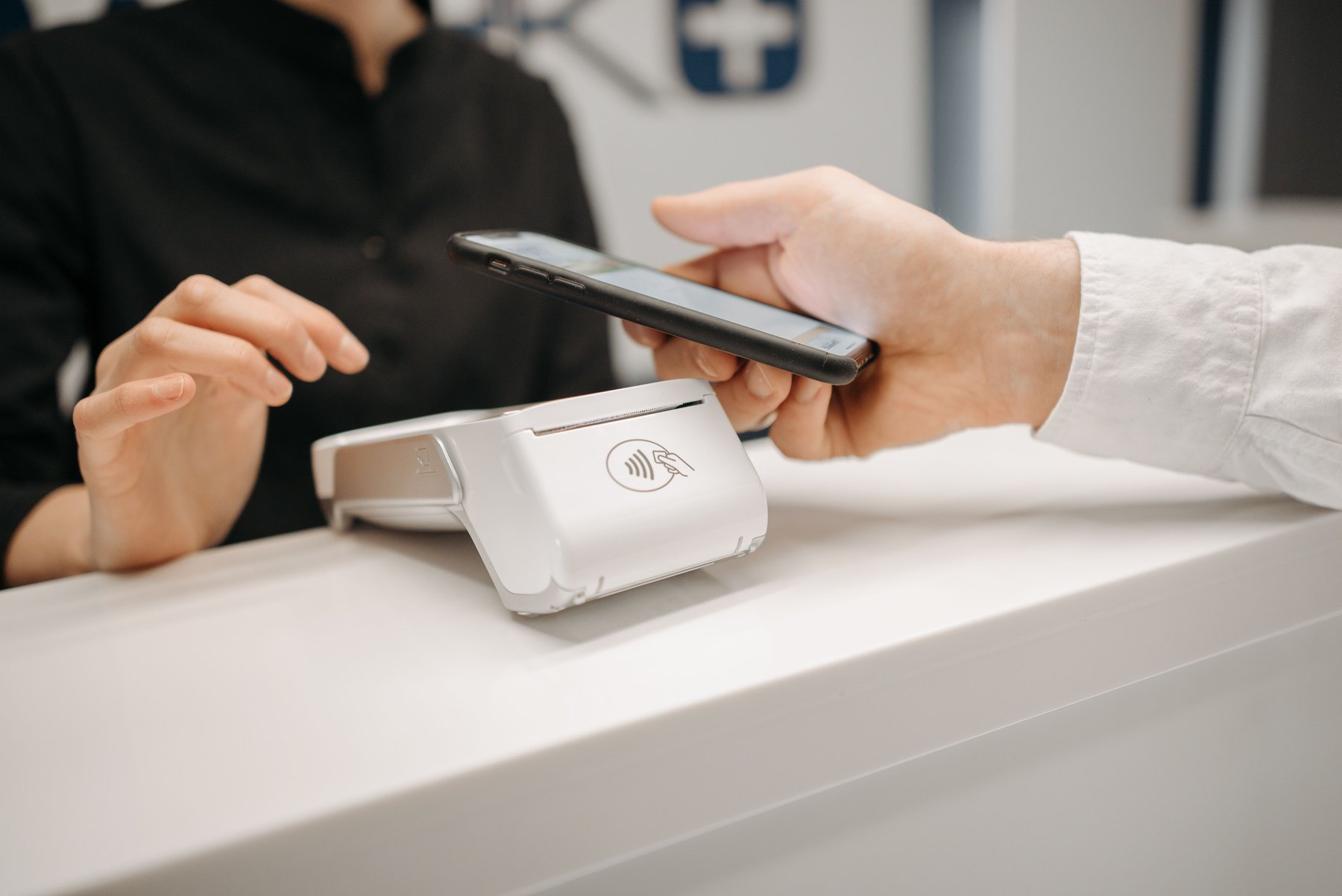
For major tours, tickets are commonly sold through primary ticketing platforms and then resold on secondary marketplaces. Your goal is to buy from a source with clear buyer protections, transparent fees, and a reliable transfer process.
Named ticket platforms to compare
Availability varies by event and venue, so check the official event page first and then compare reputable marketplaces. Here are well known options many buyers recognize:
| Option | Best fit | What to compare | Main drawback |
|---|---|---|---|
| Ticketmaster | Primary sales and official ticket delivery | All in price with fees, delivery method, refund policy | Fees can be high; prices can change quickly |
| AXS | Venues that use AXS as the primary ticketing partner | Mobile transfer rules, resale restrictions, fees | Not used by every venue |
| SeatGeek | Comparing resale listings across sections | Deal score or value indicators, total price, guarantees | Resale prices can be above face value |
| StubHub | Last minute resale inventory | Buyer guarantee terms, delivery timing, total fees | Delivery can be close to event time |
| Vivid Seats | Resale options and promo offers | Total cost after fees, guarantee terms, seat details | Promos may not offset higher base prices |
| Venue box office | Avoiding some online fees when available | Hours, availability, accepted payment methods | Limited inventory and limited hours |
How to verify you are on the real site
- Type the URL yourself or use the venue’s official website link.
- Double check spelling and domain endings. Look for impostor sites with extra words or hyphens.
- Avoid buying from social media comments or random direct messages.
- Use a credit card when possible for stronger dispute options compared with cash apps or wire transfers.
Budgeting for the event with real numbers
Tickets are only one part of the cost. Use a simple budget plan so the purchase does not spill into credit card balances you cannot pay off.
Step 1: Estimate your total outing cost
Here is a realistic example for two people attending a local arena event:
- Tickets: $95 each = $190
- Fees and taxes: $40
- Parking: $25
- Snacks and drinks: $35
- Total: $290
If you are traveling, costs can rise fast. For example, a one night trip for two might add:
- Hotel: $180
- Gas or transit: $60
- Meals: $90
- New total: $620
Step 2: Choose a savings timeline
Use timeline rules to decide how to fund the purchase:
- Under 1 year: Save in a high yield savings account or checking. Avoid investing money you need soon.
- 1 to 3 years: Still prioritize cash savings. If you invest, keep risk low and accept that values can drop when you need the money.
- 3 to 7 years: You can consider a balanced approach, but only if you can delay the goal if markets fall.
- 7+ years: Investing may be more appropriate for long term goals, but event tickets are usually a short term goal.
Three sample allocations that add up
Below are examples of how different households might fund a $600 total trip without relying on high interest debt. Adjust the numbers to your situation.
| Scenario | Cash savings | Cutbacks over 2 months | Extra income | Total |
|---|---|---|---|---|
| Plan A: All savings | $600 | $0 | $0 | $600 |
| Plan B: Mix of savings and cutbacks | $300 | $300 | $0 | $600 |
| Plan C: Small savings plus extra income | $200 | $150 | $250 | $600 |
Cutbacks can be specific: skipping two restaurant meals per week, pausing a subscription for two months, or bringing lunch to work. Extra income could be a few shifts, selling unused items, or a short term side gig.
Should you use a credit card, BNPL, or a personal loan for tickets?
How you pay matters as much as what you pay. Tickets are a discretionary purchase, so the safest approach is paying with money you already have. If you do use credit, focus on minimizing interest and keeping repayment realistic.
Payment method decision rules
- Debit card or cash savings: Best when you have the funds and want to avoid interest.
- Credit card paid in full: Can be useful for purchase protections and rewards if you can pay the statement balance by the due date.
- Buy now, pay later (BNPL): May work for small purchases if payments fit your budget and you understand late fees and return rules.
- Personal loan: Usually a last resort for event tickets. Consider only if the payment is affordable and the total interest cost is acceptable.
Compare financing options with a quick matrix
| Option | When it can make sense | What to compare | Key risk |
|---|---|---|---|
| Pay from savings | You have an emergency fund and this fits your fun budget | Impact on emergency savings, upcoming bills | Draining cash needed for essentials |
| Credit card (pay in full) | You can pay the full balance by the due date | Statement due date, credit limit, protections | Carrying a balance and paying high APR |
| 0% intro APR card | You can pay it off before the promo ends | Promo length, post promo APR, balance transfer fees | Remaining balance after promo can get expensive |
| BNPL plan | Short payoff period and stable income | Payment schedule, late fees, autopay rules | Stacking multiple plans and missing payments |
| Personal loan | Only if it prevents worse debt and payment is manageable | APR, origination fee, term length, total interest | Paying interest for entertainment, not a necessity |
A quick cost example: credit card balance vs paying in full
If you put $600 on a credit card and pay it off immediately, your cost is basically the ticket total. If you carry a balance, interest can add up. For example, at a high APR, paying $50 per month could take well over a year and cost meaningfully more than $600. The exact cost depends on your APR and payment schedule, so check your card terms and use a payoff calculator if you are unsure.
How to avoid ticket scams and costly mistakes
Ticket scams spike around popular tours. Focus on payment safety and verification steps rather than rushing to buy.
Red flags to watch for
- Seller insists on wire transfer, gift cards, crypto, or “friends and family” payments.
- Price is far below market with pressure to act immediately.
- Tickets are “PDF only” when the venue typically uses mobile entry and rotating barcodes.
- Seller cannot show proof of purchase or refuses to use a platform with buyer protection.
- Links that look like Ticketmaster or AXS but are slightly misspelled.
Safer buying checklist
- Buy from the official ticketing partner or a major resale marketplace with a clear guarantee.
- Confirm the event date, venue, and seating section before checkout.
- Review refund and exchange rules, especially for resale tickets.
- Use a credit card when possible for dispute options.
- Save receipts, confirmation emails, and screenshots of the listing details.
For more on avoiding fraud and reporting scams, review resources from the FTC consumer advice site.
How to keep ticket buying from hurting your credit
One purchase usually will not make or break your credit, but the way you finance it can. The biggest risks are high credit utilization, missed payments, and applying for new credit you do not need.
Credit guardrails
- If you use a credit card, aim to keep utilization low relative to your limit, especially if you plan to apply for a mortgage or auto loan soon.
- Set up autopay for at least the minimum payment to reduce the chance of a late fee.
- If you are already carrying balances, prioritize paying those down before adding new discretionary debt.
Check your credit reports for accuracy
If you are planning a larger purchase soon, it can help to review your credit reports for errors. You can get free copies at AnnualCreditReport.com.
Practical ways to lower the total cost
You cannot control demand, but you can control your strategy.
Cost saving tactics that often work
- Choose a different section: Slightly higher rows can be much cheaper with a similar view.
- Look at weekday shows: Some cities price weekends higher.
- Buy earlier for primary sales: You may avoid resale markups, though prices can still vary.
- Set a travel cap: If travel pushes the total beyond your budget, pick a closer venue.
- Plan food: Eat before you go and budget a fixed amount for concessions.
Fee comparison tip
When comparing listings, always switch to an “all in price” view if the platform offers it. If not, click through to checkout to see the full total before you decide.
If you already bought tickets and money is tight
If the purchase strained your budget, focus on damage control rather than adding new debt.
Steps to stabilize your cash flow
- List your next 30 days of required bills and due dates.
- Pause nonessential spending until you are back on track.
- If you used a credit card, make a payoff plan with a date and monthly amount.
- If you cannot make minimum payments, contact your card issuer early to ask about hardship options.
The Consumer Financial Protection Bureau has tools and information on managing debt and communicating with lenders.
Quick planning worksheet
Use this mini worksheet before you buy:
| Item | Your estimate | Notes |
|---|---|---|
| Tickets (including fees) | $_____ | Confirm section, row, and delivery method |
| Transportation and parking | $_____ | Consider rideshare surge pricing after the show |
| Food and drinks | $_____ | Set a cap to avoid impulse spending |
| Merchandise | $_____ | Decide in advance if you will buy anything |
| Total outing cost | $_____ | Compare to your walk away number |
Bottom line
The best way to enjoy Tickets Simone Biles Tour is to treat the purchase like any other financial decision: verify the seller, compare the all in total, and pick a payment method you can repay comfortably. If you plan ahead with a clear budget and a walk away number, you can reduce the chance of overspending and avoid common ticket scams.
If you pay with a card, keep your account information secure and consider using alerts for large purchases. For more on protecting your money and accounts, you can also review guidance from the FDIC.


