

How Trump U.S. Tariffs Can Affect Prices for Drugs, Trucks, Furniture, and Lumber

Trump U.S. tariffs can ripple through everyday budgets by changing the prices of imported goods and the materials used to make products in the U.S.
Contents
24 sections
-
What tariffs are and how they reach your wallet
-
Trump U.S. tariffs and the categories people feel first
-
Prescription drugs: why prices may or may not move
-
Trucks and work vehicles: tariffs can hit parts, not just imports
-
Furniture: imported finished goods and imported materials
-
Lumber and building materials: direct effect on renovations
-
How price changes affect borrowing: a simple math check
-
Loan and payment options to consider (with named examples)
-
Decision rules for choosing a financing type
-
Budgeting for tariff driven price swings: build a buffer
-
A practical buffer checklist
-
What this looks like with real numbers: three sample plans
-
Scenario 1: $6,000 set aside for furniture and prescriptions
-
Scenario 2: $20,000 plan for a used work truck purchase
-
Scenario 3: $35,000 home project fund for lumber heavy renovation
-
Before you borrow: a quick risk and cost checklist
-
How to shop and protect yourself when prices are volatile
-
For vehicles
-
For furniture
-
For lumber heavy projects
-
Credit and documentation: what lenders commonly look for
-
Monitor your credit before you apply
-
If costs rise suddenly: a short playbook
-
Bottom line: plan for uncertainty, borrow with guardrails
If you are planning a big purchase or a home project, tariff driven price swings can affect how much you need to borrow, how long you carry a balance, and whether it makes sense to lock in a price now or wait. This guide explains how tariffs can show up in the real world for prescription drugs, trucks, furniture, and lumber, and how to make borrowing decisions that hold up even when prices move.
What tariffs are and how they reach your wallet
A tariff is a tax on imported goods. Companies that import the product (or components used to make a product) typically pay the tariff at the border. That cost can be absorbed, negotiated, or passed along through higher prices. Even if you buy a product made in the U.S., tariffs can still matter because:
- U.S. manufacturers may use imported parts or raw materials.
- Domestic suppliers may raise prices when competing imports become more expensive.
- Shipping, compliance, and supply chain changes can add costs beyond the tariff itself.
For borrowers, the key issue is uncertainty. If the price of a truck or lumber package jumps 10% to 25%, you may need a larger loan, a bigger down payment, or a longer repayment term, all of which can increase total interest paid.
Trump U.S. tariffs and the categories people feel first
Tariffs have been discussed and applied in different ways over time, and the details can change quickly. Instead of trying to predict policy, focus on how each category tends to react and what you can control.
Prescription drugs: why prices may or may not move
Drug pricing is complicated. Some medications are made domestically, some are imported, and many rely on global supply chains for active pharmaceutical ingredients (APIs), packaging, and specialized equipment. If tariffs apply to inputs, manufacturers and distributors may face higher costs. However, retail prices also depend on insurance formularies, pharmacy benefit managers, rebates, and state and federal rules.
What you can do if your out of pocket costs rise:
- Ask your prescriber about therapeutically equivalent generics or alternatives.
- Compare prices at different pharmacies and check mail order options through your plan.
- Review your plan during open enrollment if a medication becomes expensive.
- If you use a credit card to cover prescriptions, prioritize paying it off quickly because revolving APRs are often high.
Trucks and work vehicles: tariffs can hit parts, not just imports
Even vehicles assembled in the U.S. can include imported engines, electronics, steel, aluminum, and other components. If those inputs become more expensive, vehicle prices can rise. For buyers, the bigger risk is financing a larger amount than planned, especially with longer terms.
Borrowing impact to watch:
- Longer auto loans can lower the monthly payment but increase total interest.
- Higher purchase prices can push you into negative equity if the vehicle depreciates faster than you pay down the loan.
- Commercial buyers may face cash flow strain if replacement costs jump unexpectedly.
Furniture: imported finished goods and imported materials
Furniture is often imported as finished goods, and even U.S. made furniture may use imported hardware, fabrics, foam, or wood products. Tariffs can raise wholesale costs, which can show up as higher retail prices or fewer discounts.
Financing risk: store promotional financing can be useful, but only if you can pay the balance within the promo period and understand what happens if you do not.
Lumber and building materials: direct effect on renovations
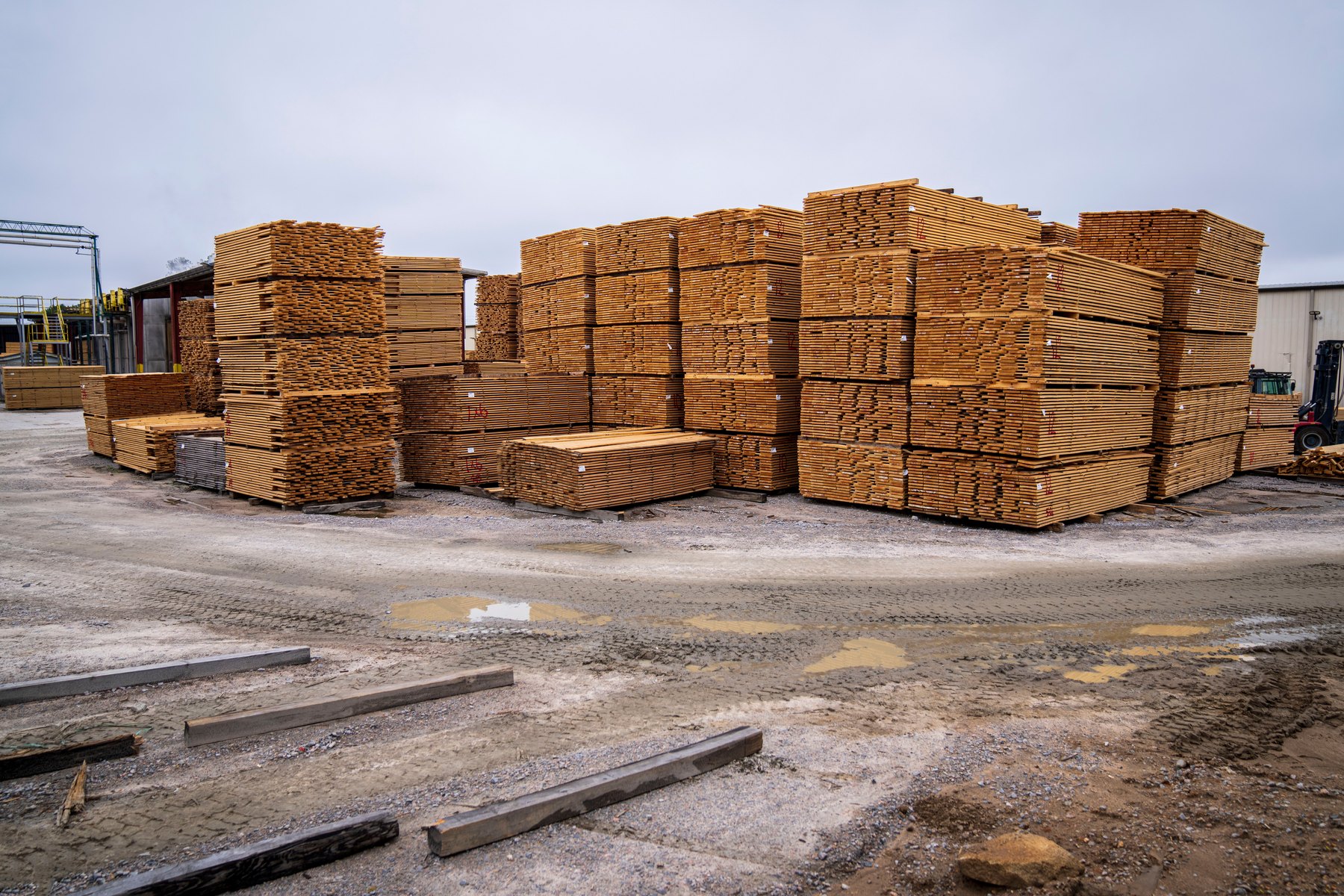
Lumber and wood products are core inputs for home building and remodeling. If tariffs or trade disputes affect supply, the cost of framing, decking, cabinets, and other materials can change quickly. That matters if you are using a home equity loan, HELOC, cash out refinance, or personal loan to fund a project.
Project risk: if material prices rise mid project, you may need to scale back, add cash, or borrow more at potentially worse terms.
How price changes affect borrowing: a simple math check
When prices rise, borrowers often focus on the new monthly payment. Also run a total cost check. A larger loan amount and longer term can quietly add up.
Decision rule: if a price increase forces you to extend the term just to make the payment work, pause and re price the plan. Consider a larger down payment, buying used, delaying the purchase, or reducing the project scope.
| Purchase | Original plan | If price rises 15% | Borrowing pressure point |
|---|---|---|---|
| Work truck | $40,000 price, $8,000 down, finance $32,000 | $46,000 price, $8,000 down, finance $38,000 | Higher loan amount may require longer term or higher payment |
| Furniture set | $5,000 cash or short term promo | $5,750 total | Promo financing becomes riskier if payoff takes longer |
| Deck rebuild | $12,000 project budget | $13,800 budget | May exceed HELOC draw plan or contractor quote |
Loan and payment options to consider (with named examples)
No single financing option fits everyone. The right choice depends on your credit profile, income stability, timeline, collateral, and whether you can handle payment changes. Below are common options and recognizable providers you can compare.
| Option (examples) | Best fit | What to compare | Main drawback |
|---|---|---|---|
| Bank or credit union auto loan (e.g., Bank of America, Wells Fargo, Capital One Auto Navigator) | Vehicle purchase with predictable payment | APR, term length, fees, prepayment rules, gap coverage options | May require strong credit and documentation |
| Dealer financing (varies by dealer and captive lender) | Convenience at purchase, sometimes promos | APR after promos, add on products, total financed amount | Easy to overpay if you focus only on monthly payment |
| Personal loan (e.g., SoFi, LightStream, Discover Personal Loans) | Furniture, smaller renovations, debt consolidation | APR range, origination fee, term, funding speed | Rates can be higher than secured loans |
| Home equity loan or HELOC (e.g., U.S. Bank, PNC Bank, local credit unions) | Renovations where you want lower rates than unsecured credit | Variable vs fixed rate, closing costs, draw period, repayment period | Your home is collateral, payment can rise on variable HELOCs |
| 0% intro APR credit card (e.g., Chase Freedom Unlimited, Citi Simplicity, BankAmericard) | Short payoff window for smaller purchases | Intro period length, balance transfer fee, post intro APR | High APR after intro and risk of carrying a balance |
Decision rules for choosing a financing type
- If the purchase is under 1 year away: prioritize cash, a short term 0% intro APR plan you can pay off, or a short term personal loan with no prepayment penalty.
- 1 to 3 years: personal loans or shorter auto terms can work if the payment fits your budget with room for price increases.
- 3 to 7 years: auto loans and some home improvement loans fit this window. Keep the term as short as you can comfortably afford.
- 7+ years: be cautious about financing depreciating items (like vehicles) for very long terms. For home projects, long terms can make sense, but compare total interest and consider whether the project increases home value or reduces maintenance risk.
Budgeting for tariff driven price swings: build a buffer
If you are planning a purchase in a category sensitive to trade policy, create a price buffer so you do not have to scramble for expensive credit if quotes change.
A practical buffer checklist
- Add a 10% to 20% contingency line to renovation material budgets.
- For vehicles, plan for taxes, registration, insurance, and initial maintenance separate from the purchase price.
- Get at least two written quotes for major projects and ask how long pricing is valid.
- Check whether your contractor allows material substitutions if prices spike.
- Set a maximum monthly payment that still works if other costs rise (fuel, insurance, utilities).
What this looks like with real numbers: three sample plans
Below are example allocations for a household trying to handle possible price increases without over borrowing. These are illustrations, not prescriptions. Adjust for your income, emergency fund needs, and existing debt.
Scenario 1: $6,000 set aside for furniture and prescriptions
- $2,500 cash for furniture purchase (buy used if prices jump)
- $1,500 kept in a high yield savings account as a price buffer
- $1,000 for medical out of pocket costs over the next 12 months
- $1,000 reserved to pay down any credit card balance before interest accrues
Total: $6,000
Scenario 2: $20,000 plan for a used work truck purchase
- $8,000 down payment
- $2,000 for taxes, registration, and initial repairs
- $5,000 emergency fund top up (so a repair does not become high APR debt)
- $5,000 kept liquid as a buffer if the target vehicle price rises
Total: $20,000
Scenario 3: $35,000 home project fund for lumber heavy renovation
- $25,000 expected contractor invoice
- $5,000 contingency for lumber and materials volatility (about 20% of materials portion in many projects)
- $3,000 for permits, inspections, and disposal fees
- $2,000 to reduce existing high interest debt before taking a new loan
Total: $35,000
Before you borrow: a quick risk and cost checklist
| Question | Why it matters | Good sign | Red flag |
|---|---|---|---|
| Can I afford the payment if the price rises 10%? | Tariff impacts can change quotes quickly | You still have monthly surplus | You must extend the term to qualify |
| Is the rate fixed or variable? | Variable payments can rise | Fixed rate or clear caps and budget space | Payment shock would break the budget |
| Are there fees (origination, closing, dealer add ons)? | Fees increase the true cost | Fees are low and transparent | Fees are rolled into the loan without discussion |
| Is there a prepayment penalty? | Limits your ability to refinance or pay early | No penalty | Penalty makes early payoff expensive |
| Am I using my home as collateral? | Home equity loans and HELOCs put your home at risk | Stable income and conservative borrowing | Borrowing to cover basic living expenses |
How to shop and protect yourself when prices are volatile
For vehicles
- Get preapproved with a bank or credit union, then compare with dealer offers.
- Negotiate the out the door price, not just the monthly payment.
- Keep the term as short as you can while maintaining a realistic emergency fund.
For furniture
- Ask for the cash price and the financed price. Sometimes they differ.
- If using promo financing, set autopay to finish before the promo ends.
- Consider buying in phases to avoid financing a large amount at once.
For lumber heavy projects
- Ask whether the quote is fixed price or cost plus materials.
- Request a materials allowance line item and a clear change order process.
- Consider delaying non urgent cosmetic work if material prices spike.
Credit and documentation: what lenders commonly look for
Whether you choose an auto loan, personal loan, or home equity product, lenders often ask for similar information. Preparing ahead can help you compare offers faster.
| Loan type | Common documents | Extra items that may be needed |
|---|---|---|
| Auto loan | ID, proof of income, proof of residence | Vehicle details, insurance, purchase agreement |
| Personal loan | ID, income verification, bank statements | Debt info for consolidation, employer verification |
| Home equity loan or HELOC | ID, income, mortgage statement, homeowners insurance | Appraisal, property tax info, closing disclosures |
Monitor your credit before you apply
When you are preparing for a major purchase, your credit profile can affect your APR and available terms. Check your credit reports for errors and address issues early.
- Get your free credit reports at AnnualCreditReport.com.
- Learn how credit reporting and disputes work through the Consumer Financial Protection Bureau.
If costs rise suddenly: a short playbook
- Requote and rescope: ask what changed and what can be substituted.
- Increase down payment, not term: if possible, add cash to keep the loan shorter.
- Compare at least three offers: APR, fees, and total cost over the full term.
- Avoid stacking high APR debt: do not put a large balance on a card without a payoff plan.
- Watch for scams: price volatility can attract fake contractors and predatory offers. The FTC consumer advice site has practical guidance on avoiding fraud.
Bottom line: plan for uncertainty, borrow with guardrails
Tariffs can influence prices directly and indirectly, especially for goods tied to global supply chains like vehicles, furniture, and building materials. The most reliable way to protect your finances is to build a buffer, keep loan terms reasonable, compare multiple lenders and product types, and make sure your plan still works if prices rise after you start shopping.
If you are using a bank account to hold your buffer money, you can also review deposit insurance basics through the FDIC so you understand how coverage works.


