

USPS Stamp Prices and Shipping Costs: A Practical Guide

USPS stamp prices can feel confusing when you are also trying to estimate total shipping costs for letters, flats, and packages. The good news is you can usually predict your cost within a small range if you know three things: what you are mailing, how much it weighs, and how fast it needs to arrive.
Contents
33 sections
-
How USPS pricing works (stamps vs postage)
-
Forever stamps: what they do and do not cover
-
Retail counter vs online label pricing
-
USPS stamp prices: what affects what you pay
-
Quick decision rule: letter, flat, or package?
-
Common USPS services and when they fit
-
Letters and documents
-
Small packages
-
International shipping
-
Cost planning table: what changes your total shipping cost
-
Real-number examples: what shipping costs can look like
-
Example 1: Mailing 25 invitations (letters)
-
Example 2: Shipping a 2 lb online sale (package)
-
Example 3: Sending important documents with proof (letter with add-on)
-
Comparison table: USPS and other shipping options (named examples)
-
Budgeting and cash flow: simple monthly shipping plans with real numbers
-
Allocation A: Occasional seller (total $60/month)
-
Allocation B: Steady side hustle (total $250/month)
-
Allocation C: High-volume month (total $900/month)
-
Decision rules by timeline (when to pre-buy supplies or postage)
-
Ways to lower shipping costs without cutting corners
-
1) Measure and weigh before you choose a service
-
2) Right-size packaging
-
3) Compare flat rate vs your own box
-
4) Use online labels and keep receipts
-
5) Add insurance and signature only when the math works
-
Shipping checklist: avoid the most common costly mistakes
-
When shipping costs create debt pressure: practical ways to manage it
-
Set a shipping reserve
-
Match payment timing to shipping timing
-
Compare card costs to shipping savings
-
Tools and official resources to verify current USPS prices
-
Bottom line: a simple process to estimate postage in 2 minutes
This guide breaks down how USPS pricing works, how stamps relate to postage, and how to choose between USPS services (and when to compare alternatives) without overpaying. You will also see real-number scenarios, checklists, and decision rules you can use before you print a label or walk into the post office.
How USPS pricing works (stamps vs postage)
A stamp is one way to pay postage, but it is not the only way. You can pay postage with:
- Stamps (including Forever stamps and additional ounce stamps)
- Printed postage from USPS Click-N-Ship, a kiosk, or a retail counter
- Online shipping labels through marketplaces and shipping platforms
What you pay depends on the mail class (for example, First-Class Mail, Priority Mail), the shape (letter, flat, package), the weight, the size, and sometimes the distance (zones) and extras like tracking, insurance, or signature confirmation.
Forever stamps: what they do and do not cover
Forever stamps are designed for a standard First-Class Mail letter up to 1 ounce. If you mail something heavier than 1 ounce, a large envelope (flat), or a package, you typically need additional postage beyond a single Forever stamp. The exact amount can change over time, so treat a Forever stamp as a credit for the current 1 ounce letter rate, then add whatever is needed for your item.
Retail counter vs online label pricing
USPS pricing can differ depending on how you buy postage. In many cases, buying and printing a label online can be cheaper than paying at the retail counter, especially for packages. If you ship often, it is worth comparing:
- USPS Click-N-Ship pricing
- Commercial rates available through shipping platforms
- Retail counter rates for the same service
USPS stamp prices: what affects what you pay
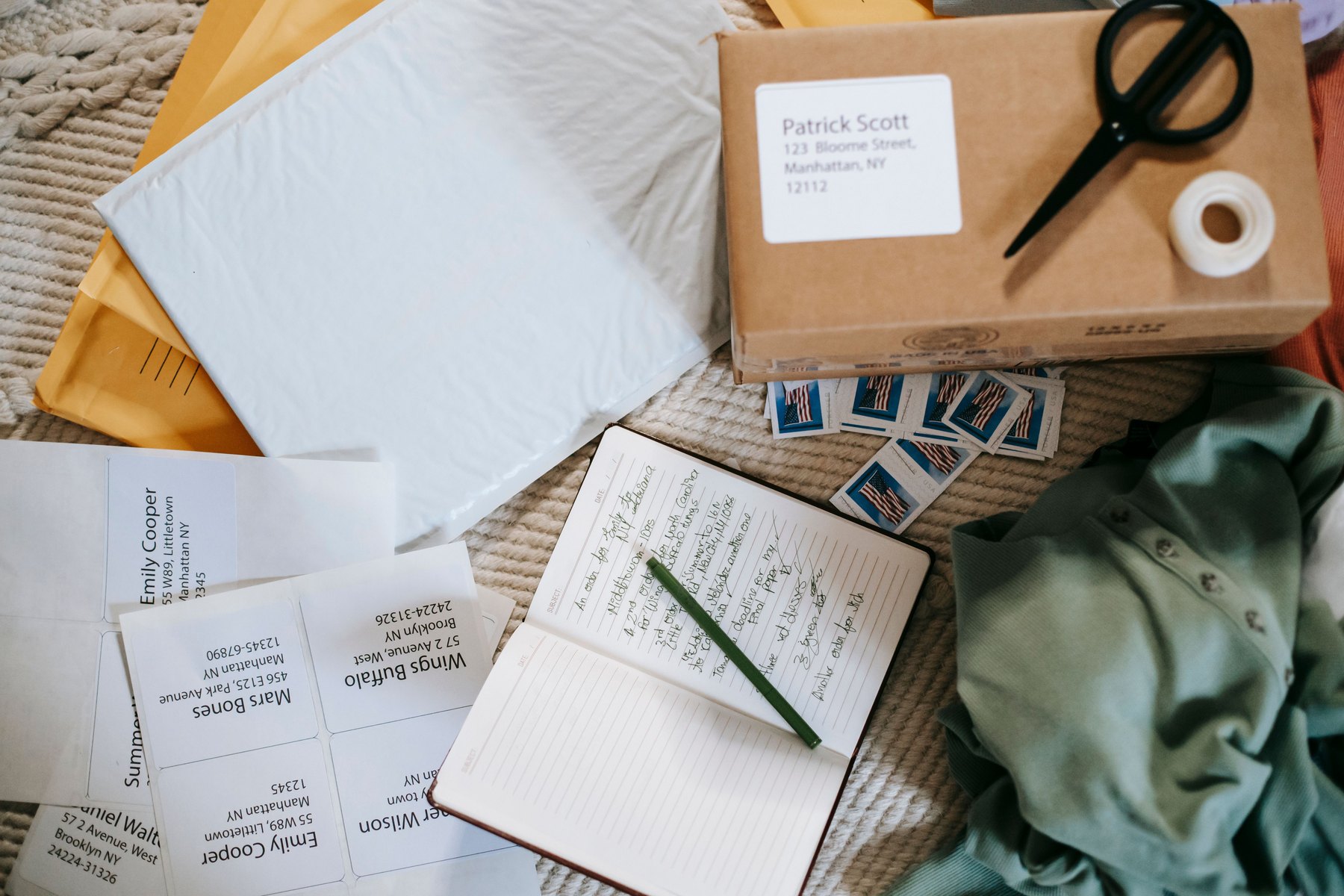
USPS stamp prices and postage costs are driven by a few practical variables. Use this list to quickly diagnose why your cost is higher than expected.
- Weight – crossing an ounce threshold can increase postage for letters and flats, and weight tiers matter for packages.
- Shape – letters are usually cheapest, flats cost more, packages cost more than flats.
- Dimensions – thick or rigid envelopes can be treated as packages; oversized packages can trigger surcharges.
- Speed – faster services generally cost more.
- Distance (zones) – many package services vary by zone.
- Extras – insurance, signature, and special handling add cost.
Quick decision rule: letter, flat, or package?
- Letter: thin, flexible, fits letter dimensions, typically up to 1 ounce for a single stamp.
- Flat: large envelope, still flexible, usually more than a letter.
- Package: thicker, rigid, or not machinable. Many padded mailers and small boxes fall here.
If you are unsure, measure thickness and bring it to the counter or use a postal scale and USPS rate calculator. Misclassifying a mailpiece can lead to returned mail or postage due.
Common USPS services and when they fit
Instead of memorizing every rate, focus on which service matches your item and timeline. Then compare the current price for that service.
Letters and documents
- First-Class Mail – best for standard letters and everyday documents.
- USPS Certified Mail (add-on) – useful when you need proof of mailing and delivery for important documents.
Small packages
- USPS Ground Advantage – often a cost-effective choice for lightweight to moderate packages when you do not need the fastest delivery.
- Priority Mail – faster delivery window, includes tracking, and can be convenient with flat rate packaging in some cases.
- Priority Mail Express – premium speed, typically the most expensive USPS option.
International shipping
- First-Class Package International Service (where available) – for small, lower-weight items.
- Priority Mail International – faster and often includes more robust tracking options.
International prices and rules vary widely by destination and contents. Always verify prohibited items and customs requirements before you ship.
Cost planning table: what changes your total shipping cost
| Cost driver | What to check | How it changes cost | How to control it |
|---|---|---|---|
| Weight | Scale reading in ounces and pounds | Higher tiers cost more | Use lighter packaging, remove inserts, right-size box |
| Dimensions | Length, width, thickness | Oversize and thickness can trigger package pricing or surcharges | Use flat mailers when appropriate, avoid bulky void fill |
| Mail class | First-Class, Ground Advantage, Priority, Express | Faster usually costs more | Match speed to need, not habit |
| Zone | Origin and destination ZIP codes | Farther zones can cost more | Compare services, consider regional carriers for heavy items |
| Extras | Insurance, signature, certified, return receipt | Add-on fees increase total | Add only when the risk or requirement justifies it |
Real-number examples: what shipping costs can look like
Exact USPS prices change, so the examples below show how to estimate using typical decision points. Before you buy postage, confirm the current rate for your service and weight.
Example 1: Mailing 25 invitations (letters)
Scenario: You are sending 25 wedding invitations. Each envelope weighs about 0.9 oz with the invite and RSVP card.
- If each stays under 1 oz and qualifies as a standard letter, you can estimate 25 x 1 Forever stamp.
- If some weigh 1.1 to 1.3 oz, you may need additional ounce postage for those pieces.
Decision rule: Weigh 3 to 5 finished invitations. If any are over 1 oz, assume a portion will need extra postage and budget accordingly.
Example 2: Shipping a 2 lb online sale (package)
Scenario: You sold a hoodie online. Boxed weight is 2 lb 6 oz. Buyer is several states away.
- Compare USPS Ground Advantage vs Priority Mail for the same weight and box size.
- If the box is large for its weight, dimensional pricing may matter depending on service and rules.
Decision rule: If delivery speed is flexible, price Ground Advantage first. If the buyer needs it fast, price Priority next and decide whether the speed difference is worth the added cost.
Example 3: Sending important documents with proof (letter with add-on)
Scenario: You are mailing a signed contract and want proof of delivery.
- Base postage for a letter (often a Forever stamp equivalent)
- Plus Certified Mail fee (and optionally return receipt)
Decision rule: Pay for proof only when the document value or requirement justifies it. For routine paperwork, tracking may be unnecessary.
Comparison table: USPS and other shipping options (named examples)
USPS is not the only way to ship. Comparing carriers can help when packages are heavy, time-sensitive, or oversized. The best choice depends on your package and destination, so use the table as a starting point and price your exact shipment.
| Option | Best fit | What to compare | Main drawback |
|---|---|---|---|
| USPS (Ground Advantage, Priority Mail) | Everyday shipping, PO boxes, many lightweight packages | Online vs retail pricing, delivery window, included tracking | Pricing can jump with size and extras |
| UPS | Heavier packages, business shipping, reliable tracking | Dimensional pricing, pickup options, negotiated rates | Can be pricey for small lightweight items |
| FedEx | Time-sensitive shipments, some business use cases | Service level, delivery commitments, surcharges | Fees and surcharges can add up |
| DHL | International shipping in many lanes | Customs handling, delivery times, total landed cost | Not always cheapest for domestic shipping |
| Pirate Ship (label platform) | Discounted USPS labels for many shippers | Eligible USPS services, insurance options, refund process | Platform rules and support differ from USPS retail |
| Shippo (label platform) | Comparing multiple carriers in one dashboard | Carrier selection, label fees, integrations | Costs depend on plan and carrier availability |
| Stamps.com (postage platform) | Frequent shippers needing software features | Subscription cost, carrier access, workflow tools | Monthly fees may not be worth it for occasional shipping |
Budgeting and cash flow: simple monthly shipping plans with real numbers
If you ship regularly for a side hustle or small business, shipping is a real cash-flow line item. Here are three sample monthly allocations that add up cleanly. Replace the numbers with your own averages after you track 30 to 60 days of shipments.
Allocation A: Occasional seller (total $60/month)
- $35 for postage and labels (2 to 4 packages)
- $15 for packaging supplies (mailers, tape)
- $10 buffer for price changes, re-shipments, or add-ons
Allocation B: Steady side hustle (total $250/month)
- $170 for postage (8 to 15 packages)
- $50 for supplies (boxes, labels, tape)
- $30 for insurance, signature, or occasional expedited upgrades
Allocation C: High-volume month (total $900/month)
- $700 for postage (40 to 70 packages)
- $120 for supplies (bulk boxes, thermal labels)
- $80 reserve for adjustments, returns, address fixes, and claims
Decision rules by timeline (when to pre-buy supplies or postage)
- Under 1 year: Keep supplies lean. Buy packaging in small batches and focus on accurate weighing and measuring to avoid surprises.
- 1 to 3 years: If volume is consistent, consider bulk-buying common box sizes and a basic scale. Track average cost per shipment monthly.
- 3 to 7 years: Standardize packaging and workflows. Compare carrier mix quarterly and review surcharges and claim rates.
- 7+ years: If shipping is a core operation, negotiate rates where possible and build a formal shipping policy for customers (cutoffs, upgrades, returns).
Ways to lower shipping costs without cutting corners
1) Measure and weigh before you choose a service
A $15 digital scale can prevent repeated overpaying or underpaying. Underpaying can cause delays and postage-due issues. Overpaying quietly erodes margins.
2) Right-size packaging
- Use the smallest box that protects the item.
- Trim excess void fill.
- Consider poly mailers for soft goods when appropriate.
3) Compare flat rate vs your own box
Flat rate packaging can be a good deal for dense, heavy items that fit. For lightweight items, your own box with weight-based pricing may be cheaper. Price both options for the same destination.
4) Use online labels and keep receipts
Online labels can reduce cost and save time. Keep receipts and tracking numbers, especially for higher-value shipments.
5) Add insurance and signature only when the math works
For low-value items, paying extra for every shipment can cost more than the occasional loss. For high-value items, insurance and signature can be worth pricing in. Decide based on your item value, replacement cost, and customer expectations.
Shipping checklist: avoid the most common costly mistakes
| Checklist item | Why it matters | Quick test |
|---|---|---|
| Confirm address format | Bad addresses cause returns and re-shipping costs | Verify ZIP+4 when possible and double-check apartment numbers |
| Weigh sealed package | Weight tiers can change the price | Weigh after taping and labeling |
| Measure dimensions | Oversize can trigger higher pricing | Measure length, width, height at the widest points |
| Choose service by deadline | Paying for speed you do not need wastes money | Write the delivery date you actually need, then price options |
| Decide on add-ons | Extras increase total cost quickly | Add insurance or signature only above your value threshold |
| Keep proof of shipment | Helps with disputes and claims | Save receipt, label PDF, and tracking number |
When shipping costs create debt pressure: practical ways to manage it
Shipping costs can become a problem when you are fronting postage for customer orders, returns, or reshipments. If you find yourself using a credit card balance to cover shipping, focus on steps that reduce volatility and fees.
Set a shipping reserve
Many sellers keep a small reserve so one bad week does not force a card balance. A common rule is to hold 5% to 10% of monthly shipping spend as a buffer, then adjust after you see your actual return and claim rate.
Match payment timing to shipping timing
- If a marketplace pays out weekly, try to ship on a schedule that aligns with payouts.
- If you use a credit card, track statement closing dates so you understand when interest could start if you cannot pay in full.
Compare card costs to shipping savings
If you carry a balance, interest can erase any small shipping discount. Compare the value of rewards or discounts to the cost of interest and fees. If you need help understanding credit card costs and billing practices, the CFPB has clear resources at consumerfinance.gov.
Tools and official resources to verify current USPS prices
Because prices and service rules can change, verify details before you ship:
- Check current USPS rates and service updates on the official USPS site (use the USPS price calculator and service pages).
- For consumer protection and dispute guidance related to shipping issues or scams, review the FTC consumer resources at consumer.ftc.gov.
- If shipping costs are part of a broader budgeting reset, reviewing your credit report can help you see where balances stand. You can get free reports at annualcreditreport.com.
- If you are choosing where to keep a shipping reserve, consider FDIC-insured accounts and confirm coverage basics at fdic.gov.
Bottom line: a simple process to estimate postage in 2 minutes
- Classify the item: letter, flat, or package.
- Weigh and measure after packaging.
- Pick a delivery window you actually need.
- Price 2 services (for packages, usually Ground Advantage vs Priority Mail).
- Add only necessary extras (insurance, signature, certified).
- Save proof of shipment and tracking.
With that routine, USPS stamp prices and shipping costs become predictable, and you can make choices that fit your budget and timeline.


