

How to Buy Crypto Bitcoin with a Credit Card

To buy Bitcoin with a credit card, you typically choose a crypto exchange or app, verify your identity, add your card, and place an order – but the total cost can be higher than many people expect.
Contents
32 sections
-
Why buying Bitcoin with a credit card can be expensive
-
Common costs to watch for
-
How to buy Bitcoin with a credit card step by step
-
1) Choose a platform that supports credit cards
-
2) Create an account and complete identity verification
-
3) Add your credit card
-
4) Review limits and fees before you buy
-
5) Place the order
-
6) Decide where to store your Bitcoin
-
Where you can buy Bitcoin with a credit card: named options to compare
-
Credit card issuer rules: cash advance risk and how to check
-
How to check before you buy
-
What it looks like with real numbers
-
Scenario A: $500 Bitcoin purchase with a card fee and a spread
-
Scenario B: $500 purchase treated as a cash advance
-
Scenario C: Using a credit card only for a small test buy
-
Budgeting rules before you use a credit card for crypto
-
Three simple decision rules
-
Sample allocations that add up
-
Timeline rules: when a credit card crypto purchase is most risky
-
Alternatives to buying Bitcoin with a credit card
-
Bank transfer (ACH)
-
Debit card
-
Wire transfer
-
Bitcoin ETF in a brokerage account
-
Security and fraud checks before and after your purchase
-
Before you buy
-
After you buy
-
Tax and recordkeeping basics
-
Quick checklist: decide if a credit card is worth it
-
If something goes wrong: billing disputes and scam reporting
-
Bottom line
This guide walks through the process, where it is possible, what it can cost, and how to decide whether a credit card purchase makes sense for your situation. You will also see alternatives that may be cheaper and easier to manage.
Why buying Bitcoin with a credit card can be expensive
A credit card can feel convenient because it is fast and familiar. The tradeoff is that credit card crypto purchases can trigger extra fees and higher interest costs compared with bank transfers or debit cards.
Common costs to watch for
- Exchange or app fees – a trading fee, spread, or both.
- Card processing fees – some platforms pass along card network costs.
- Cash advance treatment – some card issuers treat crypto purchases as a cash advance, which can mean a cash advance fee and interest starting immediately.
- Foreign transaction fees – possible if the platform processes payments outside the US.
- Interest charges – if you do not pay the statement balance in full by the due date, interest can outweigh any short term price move.
| Cost type | Where it shows up | Why it matters | What to do |
|---|---|---|---|
| Trading fee or spread | At checkout or in the quoted price | Raises your effective purchase price | Compare total cost for the same dollar amount across platforms |
| Card fee | Added as a percentage or flat fee | Can make small purchases especially pricey | Check fee schedule before adding your card |
| Cash advance fee | Credit card statement | Often 3% to 5% plus immediate interest | Call your issuer and ask how crypto purchases are coded |
| Immediate interest | Credit card statement | No grace period if treated as cash advance | Avoid if you cannot pay it off right away |
| Withdrawal fee | When moving BTC to your own wallet | Impacts your ability to self custody | Check network and platform withdrawal fees |
How to buy Bitcoin with a credit card step by step
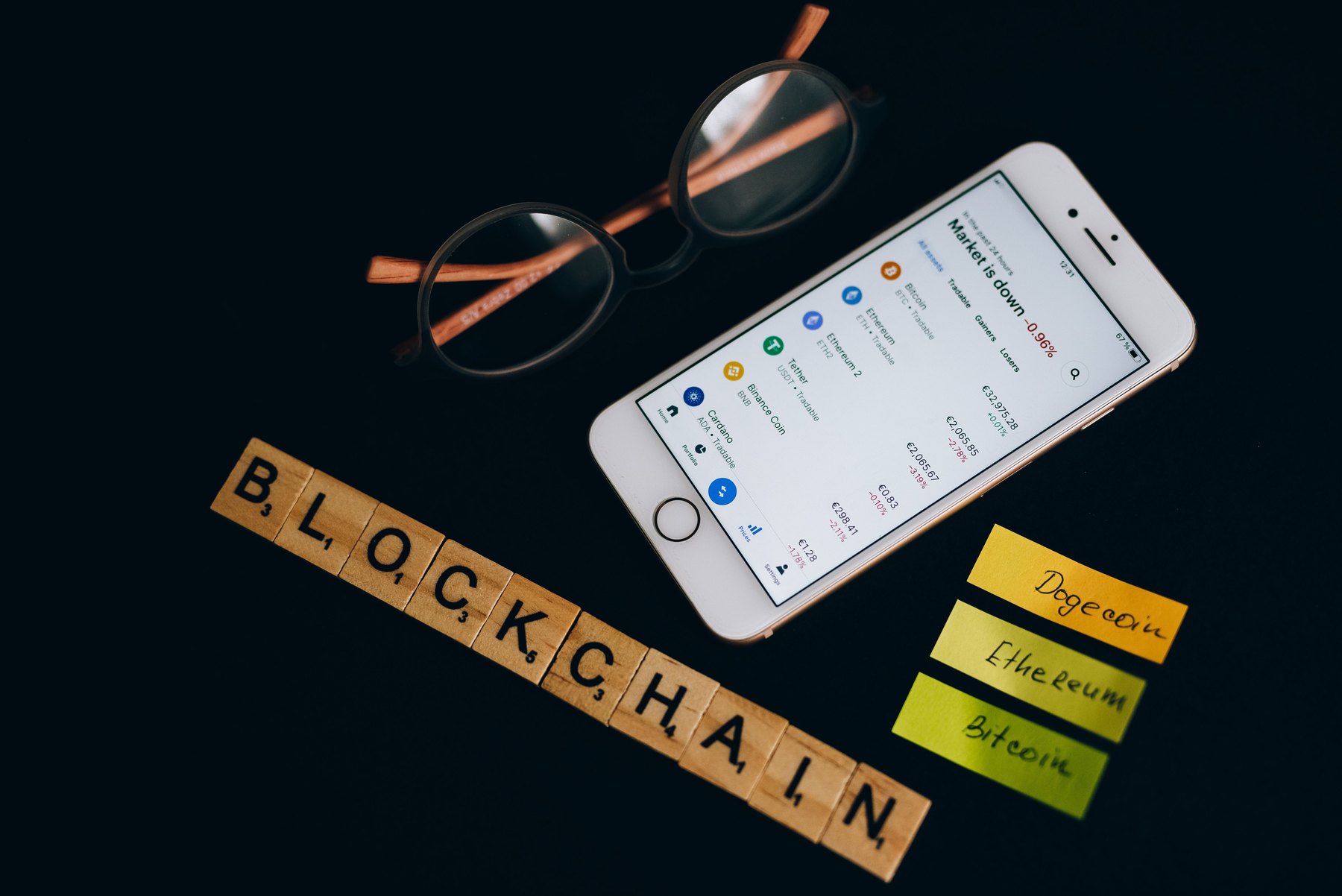
The exact screens vary by platform, but the workflow is usually similar.
1) Choose a platform that supports credit cards
Not every exchange accepts credit cards, and some only allow cards in certain states or countries. You also may find that a platform accepts debit cards but not credit cards.
2) Create an account and complete identity verification
Most regulated platforms require identity checks. Expect to provide your legal name, address, date of birth, and a government issued ID. Verification can be instant or take longer depending on volume and document quality.
3) Add your credit card
Enter your card details and billing address. Some platforms may run a small authorization charge. If the card is declined, it can be due to issuer restrictions on crypto purchases or fraud controls.
4) Review limits and fees before you buy
Credit card purchases often have lower limits than bank transfers. Look for:
- Maximum purchase per transaction and per day
- Any extra fee for card payments
- The quoted exchange rate or spread
- Whether you can withdraw the Bitcoin immediately or must wait
5) Place the order
Choose Bitcoin (BTC), enter a dollar amount, and confirm. Some platforms let you choose a one time purchase or recurring buys. For a credit card purchase, recurring buys can be risky if you carry a balance because interest can compound quickly.
6) Decide where to store your Bitcoin
You can keep BTC on the platform or move it to a self custody wallet. Keeping it on an exchange can be simpler for beginners, but it means the platform controls the private keys. Self custody gives you more control, but you are responsible for backups and security.
Where you can buy Bitcoin with a credit card: named options to compare
Availability changes, and some platforms restrict credit cards by region or by card issuer. Use the list below as recognizable examples and verify current payment methods, limits, and fees inside each app.
| Option | Best fit | What to compare | Main drawback |
|---|---|---|---|
| Coinbase | Beginners who want a well known US platform | Total card purchase fee, spread, withdrawal rules | Fees can be higher than bank transfer methods |
| Kraken | Users who want a long running exchange and multiple funding methods | Card support in your area, purchase limits, trading fees | Card availability and limits can vary |
| Crypto.com | Mobile first users who want an all in one app | Card fees, spreads, withdrawal fees, lockups or promos | Pricing can be harder to compare due to spreads |
| Binance.US | US users who want an exchange style interface | State availability, card support, fees, withdrawal options | Not available in all states and features can differ |
| Bitstamp | Users who prefer an established exchange with global presence | Card fees, verification time, withdrawal costs | May not be the cheapest for small card buys |
| MoonPay (payment processor) | Buying through partner wallets or apps that integrate it | Processor fees, exchange rate, chargeback policies | Fees can be significant compared to bank transfer |
Credit card issuer rules: cash advance risk and how to check
One of the biggest surprises is when a crypto purchase is treated as a cash advance. That can mean:
- A cash advance fee on the statement
- Interest starting immediately, with no grace period
- A higher APR than purchases
- Lower cash advance limits than your credit limit
How to check before you buy
- Call the number on the back of your card and ask how cryptocurrency purchases are coded and whether they are treated as cash advances.
- Ask what fees apply and when interest begins.
- Check whether your card blocks crypto purchases by default.
- Review your cardmember agreement for cash advance terms.
What it looks like with real numbers
Because fees and card treatment vary, the best way to understand the risk is to model a few scenarios. The examples below use round numbers and common fee types so you can plug in your own figures.
Scenario A: $500 Bitcoin purchase with a card fee and a spread
- BTC purchase amount: $500
- Card processing fee (example): 3% = $15
- Spread or trading cost (example): 1.5% = $7.50
- Estimated total cost: $22.50 in fees and spread, plus any card interest if you carry a balance
Decision rule: If your total all in cost is more than you would tolerate losing in a week of price swings, consider a cheaper funding method.
Scenario B: $500 purchase treated as a cash advance
- Cash advance fee (example): 5% = $25
- Immediate interest: begins right away until paid
Decision rule: If your issuer treats it as a cash advance, many borrowers choose to avoid using a credit card unless they can pay it off immediately and the fees are acceptable.
Scenario C: Using a credit card only for a small test buy
- Test purchase: $50
- Higher effective percentage cost is common on small buys
Decision rule: A small test transaction can help you confirm whether the card is accepted and how it posts on your statement, but do not assume the fee percentage will be favorable.
Budgeting rules before you use a credit card for crypto
Crypto prices can move quickly. Using borrowed money can amplify both gains and losses, and it can also affect your monthly budget.
Three simple decision rules
- If you cannot pay the card balance in full by the due date, consider waiting or using a funding method that does not create revolving debt.
- If the purchase is coded as a cash advance, compare the cash advance fee plus immediate interest to other ways to buy.
- If buying crypto would raise your credit utilization above about 30%, consider a smaller amount or a different payment method. Higher utilization can affect credit scores.
Sample allocations that add up
These are examples of how someone might size a crypto purchase within a broader plan. Adjust based on your income stability, debt, and emergency savings.
- Allocation 1 (conservative, $1,000 available): $800 to emergency savings, $150 to pay down high APR debt, $50 to a small BTC test buy. Total = $1,000.
- Allocation 2 (moderate, $5,000 available): $3,000 to emergency savings, $1,500 to pay down credit card balance, $500 to BTC using a low fee funding method. Total = $5,000.
- Allocation 3 (higher risk tolerance, $10,000 available): $6,000 to emergency savings, $2,500 to retirement or other long term goals, $1,000 to pay down debt, $500 to BTC split into 5 weekly buys of $100. Total = $10,000.
Timeline rules: when a credit card crypto purchase is most risky
Time horizon matters because Bitcoin can be volatile, and credit card interest is usually expensive if you carry a balance.
- Under 1 year: Avoid relying on BTC for money you may need soon. If you buy, keep the amount small and prioritize paying the card in full.
- 1 to 3 years: Consider whether you can handle large price swings without needing to sell at a bad time. Avoid building revolving credit card debt to invest.
- 3 to 7 years: If you are investing for longer term goals, focus on consistent contributions you can afford and lower fee purchase methods.
- 7+ years: Long horizons can help smooth volatility, but you still want to avoid high interest debt. A credit card is usually not the cheapest long term funding tool.
Alternatives to buying Bitcoin with a credit card
If your goal is to reduce fees and avoid cash advance surprises, compare these options.
Bank transfer (ACH)
Often one of the lowest cost ways to fund an exchange account. It can take longer than a card purchase, but fees may be lower.
Debit card
Can be fast like a credit card, but typically does not create revolving debt. Fees may still apply.
Wire transfer
Useful for larger amounts, but banks and exchanges may charge wire fees. Confirm minimums and processing times.
Bitcoin ETF in a brokerage account
Some investors prefer spot Bitcoin ETFs for exposure inside a traditional brokerage. This is not the same as owning BTC directly, and fees and tax considerations differ. Compare expense ratios and account rules.
Security and fraud checks before and after your purchase
Crypto transactions are often irreversible. A few checks can reduce the chance of costly mistakes.
Before you buy
- Use a unique password and enable two factor authentication.
- Confirm the website or app is legitimate. Avoid links from unsolicited messages.
- Start with a small purchase if you are new to the platform.
After you buy
- Review your credit card statement to see how the transaction posted.
- If you plan to self custody, practice sending a small test amount first.
- Keep recovery phrases offline and private if you use a self custody wallet.
Tax and recordkeeping basics
Buying Bitcoin is not usually a taxable event by itself, but selling, trading, or spending it can create taxable gains or losses. Keep records of:
- Date and time of purchase
- Dollar amount spent and fees
- Amount of BTC received
- Dates and amounts for any later sales or transfers
For official guidance, review the IRS virtual currency page: https://www.irs.gov/businesses/small-businesses-self-employed/virtual-currencies.
Quick checklist: decide if a credit card is worth it
| Question | If yes | If no |
|---|---|---|
| Can you pay the statement balance in full this month? | A card purchase may be manageable if fees are acceptable | Consider ACH, debit, or waiting |
| Does your issuer treat it as a purchase (not cash advance)? | Costs may be more predictable | Cash advance fees and immediate interest can be costly |
| Are total fees and spread clearly shown before you confirm? | Easier to compare platforms | Look for a platform with clearer pricing |
| Would this raise your utilization significantly? | Lower chance of credit score pressure | Reduce the amount or use a non credit method |
| Do you have an emergency fund (often 3 to 6 months of expenses)? | Less chance you need to sell BTC to cover bills | Consider building cash reserves first |
If something goes wrong: billing disputes and scam reporting
If you suspect fraud on your credit card, contact your card issuer quickly. For broader scam education and reporting steps, the FTC has resources here: https://consumer.ftc.gov/scams.
If you are dealing with a financial product issue or want to learn about consumer protections, you can also explore the CFPB website: https://www.consumerfinance.gov/.
Bottom line
Buying Bitcoin with a credit card can be fast, but it is often one of the more expensive ways to buy crypto. Before you proceed, confirm whether your issuer treats the transaction as a cash advance, compare total fees across recognizable platforms, and choose an amount that fits your budget and timeline.


