

Cool Credit Card Design Trends to Know Before You Apply

Cool credit card design trends are not just about looks – they can affect how you pay, how secure your account is, and even how easy it is to manage your spending.
Contents
30 sections
-
Why credit card design matters (beyond aesthetics)
-
Decision rule: design should never cost you interest
-
Cool credit card design trends you'll see right now
-
1) Minimalist fronts with fewer printed details
-
2) Metal cards and heavier materials
-
3) Tap to pay as the default
-
4) Customizable designs and limited editions
-
5) Eco focused materials and "recycled plastic" cards
-
6) High contrast, accessible designs
-
Named examples: popular cards known for design and "premium feel"
-
Design vs. money: a quick cost and value checklist
-
What this looks like with real numbers
-
Scenario 1: No annual fee, simple cash back
-
Scenario 2: Premium metal card with a high annual fee
-
Scenario 3: Carrying a balance makes design irrelevant fast
-
Timeline based decision rules for choosing a card (and its design)
-
Under 1 year
-
1 to 3 years
-
3 to 7 years
-
7+ years
-
Practical tips: how to enjoy design trends without overspending
-
Set up spending guardrails in the app
-
Use a "wallet test" before paying an annual fee
-
Know what to do if your card is lost or stolen
-
Security and privacy features to compare (often tied to design)
-
How design trends connect to your credit profile
-
Check your credit reports before you apply
-
Know what "premium" can cost if you revolve a balance
-
Quick comparison: which design trend fits which type of spender?
-
Bottom line: pick the money fit first, then the look
Card issuers know a credit card is something you carry and use in public, so design has become a marketing tool. But the smartest way to choose a card is to treat design as the last filter, not the first. Start with the money basics – APR, annual fee, rewards value, and your payoff plan – then decide whether the design features are worth it for your habits.
Why credit card design matters (beyond aesthetics)
A card’s design can change your day to day experience in a few practical ways:
- Usability: Raised numbers, high contrast printing, and clear brand marks can make the card easier to identify and use.
- Durability: Metal cards can resist bending, while some finishes scratch easily.
- Security cues: Some designs reduce exposed information on the front of the card, which can lower the chance of casual “shoulder surfing.”
- Behavior: A card that feels “premium” can nudge some people to spend more. If you are working on debt payoff, that matters.
Decision rule: design should never cost you interest
If you sometimes carry a balance, prioritize a lower APR or a 0% intro APR offer (if you qualify) over a premium looking card. A great looking card can become expensive quickly if it leads to interest charges or an annual fee you do not offset with rewards.
Cool credit card design trends you’ll see right now
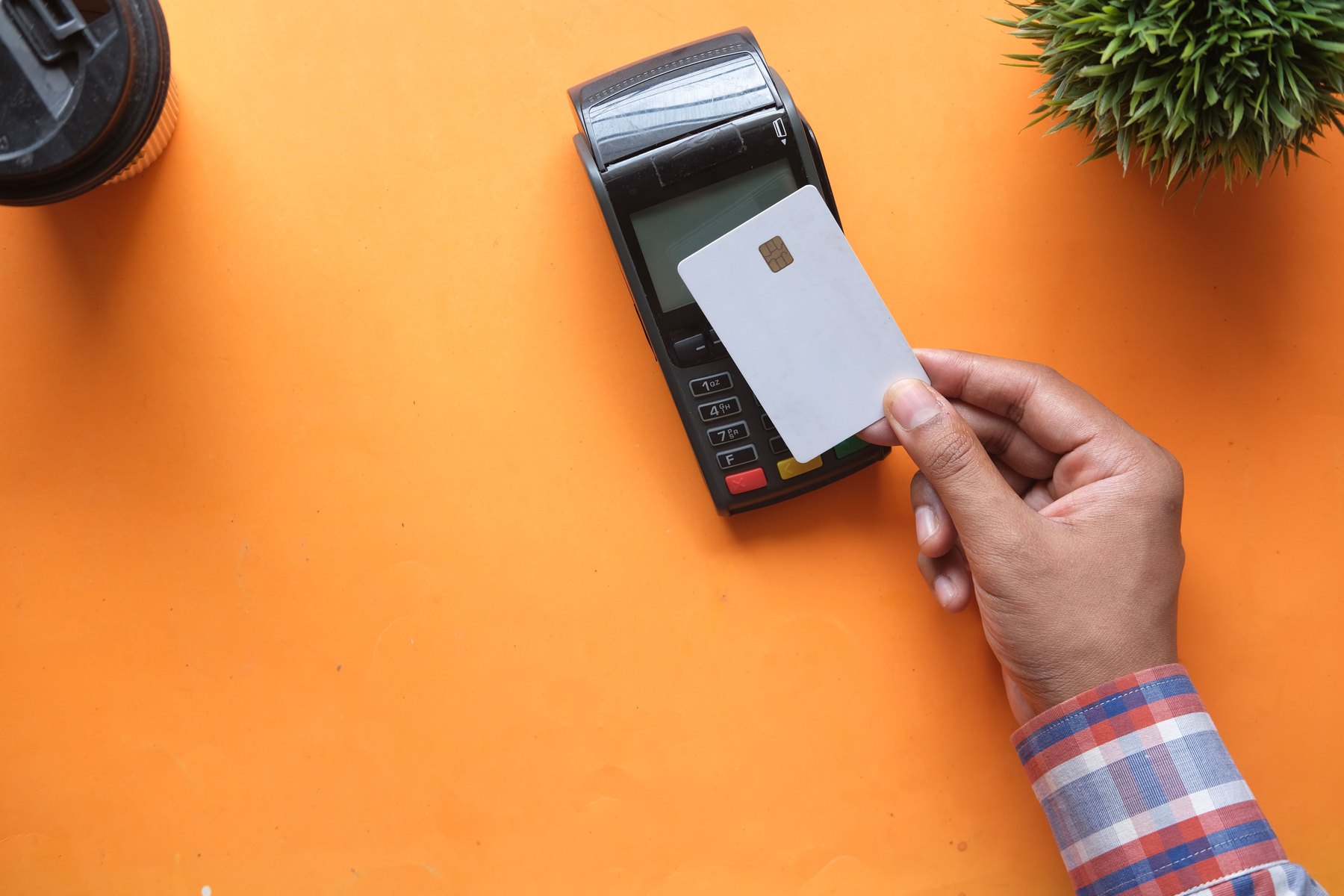
These are the most common design directions issuers are using. Some are purely visual, and some change how you use the card.
1) Minimalist fronts with fewer printed details
Many issuers are moving the card number and other details off the front. Sometimes the number is on the back, and sometimes it is only in the app. This can reduce the amount of sensitive information visible during checkout.
- What to look for: Where the card number is printed, whether the CVV is on the card, and how easy it is to access details securely in the issuer app.
- Tradeoff: If you frequently type your card number for phone orders or online purchases, you may find it less convenient.
2) Metal cards and heavier materials
Metal cards are popular for premium travel and rewards products. The weight and feel can be satisfying, and the card may resist bending better than plastic.
- What to look for: Annual fee, whether the issuer replaces damaged cards for free, and whether the card works reliably with chip readers and tap to pay.
- Tradeoff: Some metal cards can be harder to dispose of or recycle. Ask the issuer about replacement and disposal options.
3) Tap to pay as the default
Contactless payments are now standard on many cards. The design often includes a contactless symbol and sometimes a smoother surface to support frequent tapping.
- What to look for: Whether contactless is enabled automatically, and whether you can lock the card quickly in the app if it is lost.
- Tradeoff: Tap to pay is convenient, which can make it easier to lose track of small purchases if you do not check your transactions regularly.
4) Customizable designs and limited editions
Some issuers let you choose from multiple designs, upload an image, or pick limited edition art. This is common with co branded cards, student cards, and some fintech products.
- What to look for: Any fee for custom designs, replacement costs, and whether the design changes the card’s benefits (usually it does not).
- Tradeoff: A custom design can make your card more recognizable if it is lost, which is good for you but could be bad if someone else finds it and knows which card it is.
5) Eco focused materials and “recycled plastic” cards
Some issuers offer cards made from recycled plastics or promote sustainability initiatives. This is mainly a materials choice, but it can be part of the card’s brand identity.
- What to look for: Whether the issuer provides details about materials, and whether the card’s fees and rewards still fit your needs.
- Tradeoff: Eco messaging does not automatically mean the card is cheaper or better. Compare the full cost.
6) High contrast, accessible designs
Some issuers offer cards with better contrast, tactile features, or designs intended to help people with low vision. Accessibility is a practical trend that can improve daily use.
- What to look for: Whether the issuer offers accessible card options upon request and whether statements and apps support accessibility features.
Named examples: popular cards known for design and “premium feel”
Design alone should not drive your choice, but it can be helpful to know which well known cards are often associated with certain looks or materials. Availability, fees, and benefits can change, so verify current terms directly with the issuer.
| Option (example) | Best fit | What to compare | Main drawback |
|---|---|---|---|
| American Express Gold Card | Food and dining spenders who use points | Annual fee, credits you will actually use, points value | Annual fee can outweigh rewards if you do not use benefits |
| American Express Platinum Card | Frequent travelers who value lounge access and credits | Annual fee, travel credits, lounge network, redemption options | High annual fee and complex credits to track |
| Chase Sapphire Preferred | Travel beginners who want flexible points | Annual fee, travel protections, transfer partners, redemption value | Rewards value depends on how you redeem |
| Chase Sapphire Reserve | Frequent travelers who can offset a higher fee | Annual fee, travel credit, lounge access, point value | High annual fee if you do not travel enough |
| Capital One Venture X | Travelers who want a premium card with a simpler earning structure | Annual fee, travel portal credits, lounge access, redemption rules | Best value may require using the issuer’s travel portal |
| Apple Card | iPhone users who want a minimalist titanium card and app based management | Cash back structure, Apple Pay usage, fees, customer support | Rewards are strongest when you use Apple Pay |
| Discover it Cash Back | People who want rotating categories and multiple design choices | Category calendar, activation requirements, redemption rules | Requires tracking categories to maximize rewards |
Design vs. money: a quick cost and value checklist
Use this checklist to keep design in perspective. If you answer “no” to several items, a simpler card may be the better move.
| Question | Why it matters | What to do if the answer is “no” |
|---|---|---|
| Will I pay the statement balance in full most months? | Avoiding interest usually matters more than any reward or design feature. | Prioritize a lower APR and a payoff plan over premium design. |
| Can I clearly explain how I will offset the annual fee? | Premium cards often look and feel nicer, but the fee is real. | Choose a no annual fee card or a lower fee card. |
| Do I understand the rewards math for my spending? | Rewards can be worth less than expected if you redeem poorly. | Estimate rewards using last 3 months of spending categories. |
| Do I need travel protections or purchase protections? | Some benefits can save money when things go wrong. | Compare benefit guides, not just the card’s appearance. |
| Will the design make it easier for me to track spending? | Convenience can help budgeting, but it can also increase impulse buys. | Set alerts for every transaction and weekly spending reviews. |
What this looks like with real numbers
Design trends are fun, but your budget decides whether a card is “cool” or costly. Here are three realistic scenarios that show how annual fees and rewards can play out. These are simplified examples, so use your own spending and the card’s current terms.
Scenario 1: No annual fee, simple cash back
Profile: You want a good looking card, but you do not want to pay for it. You spend about $1,500 per month on the card and pay in full.
- Monthly card spend: $1,500
- Annual spend: $18,000
- If your average cash back rate is about 1.5% to 2%: $270 to $360 per year in rewards
- Annual fee: $0
Decision rule: If you want flexibility and low risk, start here. Then upgrade later if your travel or dining spending grows enough to justify a fee.
Scenario 2: Premium metal card with a high annual fee
Profile: You like the premium feel and you travel a few times per year. You are considering a card with a high annual fee because of lounge access and credits.
- Annual fee: $395 to $695 (varies by card, check current terms)
- Credits you realistically use: $200 to $400 per year
- Net cost after used credits: $0 to $495 per year
Decision rule: Only count credits you will use without changing your habits. If you would not normally buy the thing, do not treat the credit as savings.
Scenario 3: Carrying a balance makes design irrelevant fast
Profile: You sometimes carry a $3,000 balance for several months. You are tempted by a premium card design.
- Balance: $3,000
- APR range example: 18% to 30% (many cards vary by credit profile)
- Approximate interest cost per month at 24% APR: about $60 (3,000 x 0.24 / 12)
- Approximate interest cost over 6 months (rough): about $360, depending on payments
Decision rule: If you are paying interest, focus on lowering the balance and reducing interest costs. Rewards and premium design rarely beat interest charges.
Timeline based decision rules for choosing a card (and its design)
Credit cards are short term credit by default. The timeline that matters is how quickly you pay charges off.
Under 1 year
- If you are financing a purchase for a few months, compare 0% intro APR offers (if available to you) and the post intro APR.
- Pick a design that supports good habits: easy to identify, easy to lock in app, and supports transaction alerts.
1 to 3 years
- If you are rebuilding credit, prioritize on time payments and low utilization over premium card features.
- A no annual fee card with a design you like can help you keep the account long term, which may help your credit history.
3 to 7 years
- If you travel or spend heavily in certain categories, a mid tier annual fee card can make sense if your rewards and protections exceed the fee.
- Consider whether you will keep the card long enough to justify any one time effort like learning transfer partners or managing multiple credits.
7+ years
- Think about “keeper” cards: no annual fee, strong everyday rewards, and a design you will not get tired of.
- Prioritize issuers with solid customer service and clear fraud handling over novelty designs.
Practical tips: how to enjoy design trends without overspending
Set up spending guardrails in the app
- Turn on real time purchase alerts.
- Set a weekly spending check in on the same day each week.
- Use category limits if your issuer supports them.
Use a “wallet test” before paying an annual fee
Before applying, pretend you already have the card:
- Track your spending for 30 days by category.
- Estimate rewards using the card’s earning rates.
- Subtract the annual fee.
- Only count benefits you will use naturally.
Know what to do if your card is lost or stolen
Design does not prevent fraud by itself. What matters is fast action and good account controls. Review issuer tools like temporary locks, virtual card numbers, and replacement processes. For identity theft and fraud basics, the FTC has clear steps at consumer.ftc.gov.
Security and privacy features to compare (often tied to design)
Some “design” choices are really security choices. Compare these features when you shop:
- Card number placement: front vs back vs app only.
- Virtual card numbers: useful for online shopping and subscriptions.
- In app controls: lock card, set travel notices if supported, manage merchants.
- Fraud monitoring and alerts: real time alerts reduce the time to catch problems.
To understand your rights and how credit card disputes work, the CFPB is a strong reference at consumerfinance.gov.
How design trends connect to your credit profile
Many of the most talked about designs are attached to rewards cards that may require good to excellent credit. If you are building or rebuilding, you may have fewer design choices at first, but you can still choose a card that is easy to use and manage.
Check your credit reports before you apply
Errors can affect approvals and pricing. You can review your credit reports at AnnualCreditReport.com.
Know what “premium” can cost if you revolve a balance
Even a beautiful card can be a poor fit if it encourages spending beyond your payoff plan. If you want a premium look, consider earning it as a milestone after you have a consistent habit of paying in full.
Quick comparison: which design trend fits which type of spender?
| Trend | Best for | Watch out for |
|---|---|---|
| Minimalist, number off front | People who use mobile wallets and want less visible info | Less convenient for manual entry |
| Metal card | Frequent travelers who already justify the annual fee | Paying for “premium” without using benefits |
| Custom art | People who want personalization and easy card recognition | Possible replacement fees or limited options |
| Eco materials | People who value sustainability messaging | Do not ignore APR and fees |
| High contrast and accessible designs | Anyone who wants easier identification and usability | May require requesting a specific version |
Bottom line: pick the money fit first, then the look
Credit card design is getting more creative, with metal builds, minimalist layouts, and customizable art. Enjoy the trend, but treat it like choosing a color after you have chosen the right car. Start with your payoff plan, compare APR and fees, confirm the rewards match your spending, and then choose the design that makes you happy to use the card responsibly.
If you want to understand how deposit insurance works for your bank accounts while you manage credit card payments, the FDIC explains coverage basics at fdic.gov.


