

2-10 Home Buyers Warranty Review: Coverage, Cost, and Alternatives

A 2-10 Home Buyers Warranty review should answer one practical question: what problems does the plan actually help with, and when might you be better off saving cash or choosing a different provider?
Contents
25 sections
-
What is 2-10 Home Buyers Warranty (2-10 HBW)?
-
2-10 Home Buyers Warranty review: what it typically covers
-
Common coverage details to verify in the contract
-
What home warranties usually do not cover
-
How claims and service calls usually work
-
Decision rule: when a home warranty is more likely to help
-
Decision rule: when it may be less useful
-
Cost factors to compare (not just the annual premium)
-
Real-number scenarios: warranty vs repair fund
-
Scenario A: First-time buyer building a cushion
-
Scenario B: Older home with aging HVAC and water heater
-
Scenario C: High-end appliances and preference for your own contractors
-
Alternatives to 2-10 HBW: named options to compare
-
Checklist: questions to ask before you buy any home warranty
-
Coverage and limits
-
Exclusions and eligibility
-
Claims process and contractors
-
Decision rules by timeline: when to warranty vs self-fund
-
Under 1 year
-
1 to 3 years
-
3 to 7 years
-
7+ years
-
How to reduce the chance of claim problems
-
What to do if you are unhappy with a warranty decision
-
Bottom line: how to evaluate 2-10 HBW for your home
Home warranties can feel like insurance for your appliances and home systems, but they work differently than homeowners insurance. A home warranty is typically a service contract that may help pay for covered repairs or replacements due to normal wear and tear, after you pay a service call fee. Coverage details, exclusions, and payout limits matter more than the headline promise.
Below is a clear, buyer-focused look at 2-10 Home Buyers Warranty (often called 2-10 HBW): what it tends to cover, common gaps to watch for, how claims usually work, what to compare in the fine print, and several well-known alternatives to price-check.
What is 2-10 Home Buyers Warranty (2-10 HBW)?
2-10 Home Buyers Warranty is a long-running provider in the home warranty space. Depending on your situation, you may see 2-10 HBW offered in a few ways:
- As a home warranty for buyers or homeowners to cover certain systems and appliances.
- As part of a real estate transaction, sometimes paid by the seller, buyer, or agent as a closing incentive.
- As structural coverage on newer homes in some contexts (this is separate from typical appliance and systems plans and is often tied to builders).
Because plan names and availability can vary by state and by whether you are buying, selling, or already own the home, the best approach is to compare the exact contract terms for your address.
2-10 Home Buyers Warranty review: what it typically covers
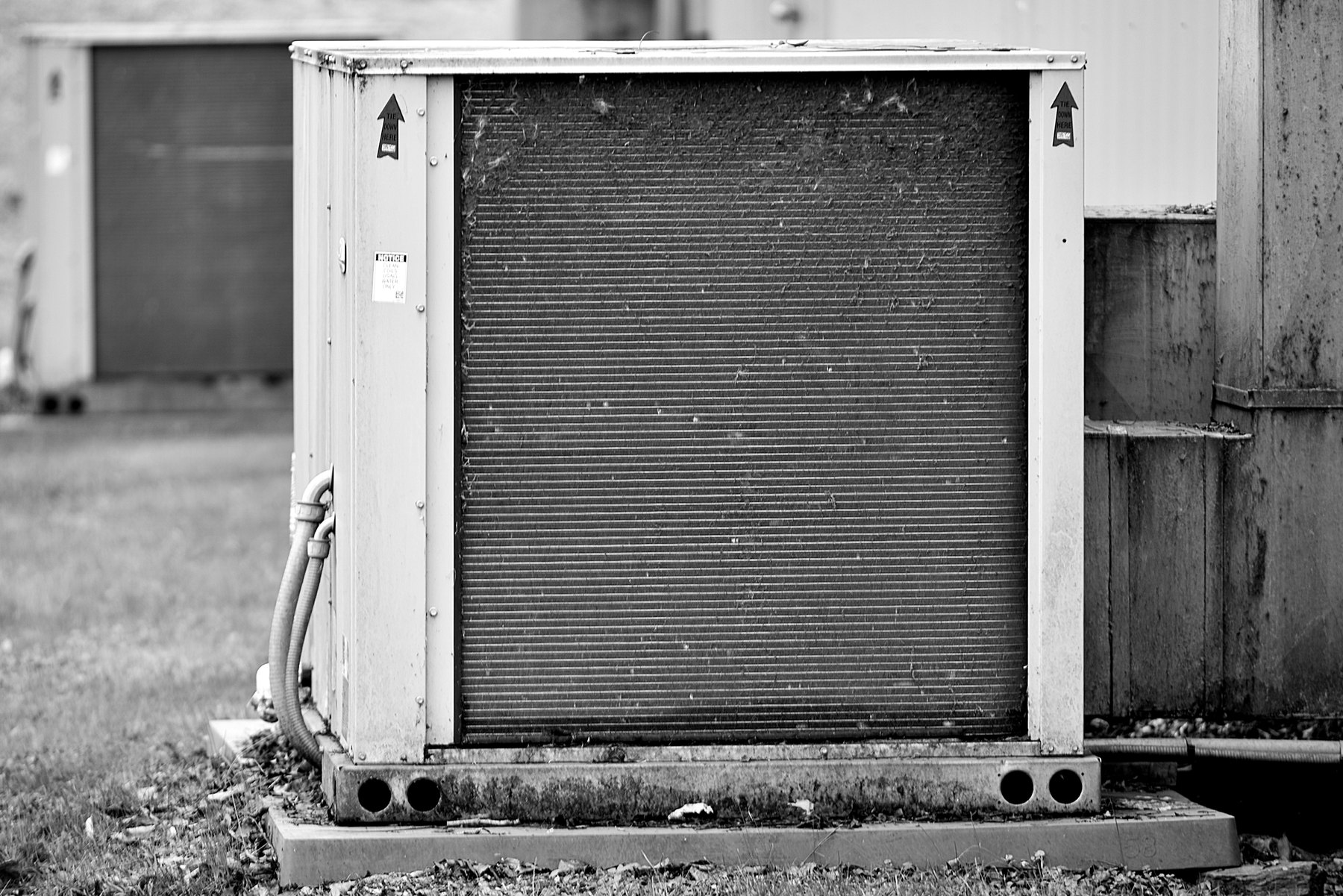
Most home warranty providers, including 2-10 HBW, structure coverage around:
- Systems (for example HVAC, electrical, plumbing, water heater)
- Appliances (for example refrigerator, oven, dishwasher, washer and dryer)
- Add-ons (for example pool, spa, well pump, septic, additional refrigerators)
What matters is not only whether an item is listed, but also the coverage limits, service call fee, and exclusions that can reduce or eliminate payment.
Common coverage details to verify in the contract
- Per-item caps: Maximum the plan will pay for a repair or replacement of a specific system or appliance.
- Aggregate caps: Maximum the plan will pay in total during the contract term.
- Parts vs labor: Whether both are covered and if there are separate limits.
- Code upgrades and permits: Whether bringing a repair up to code is covered or excluded.
- Access costs: For example, opening walls, floors, or ceilings to reach plumbing lines.
- Improper installation or maintenance exclusions: A frequent reason claims are reduced or denied.
What home warranties usually do not cover
Even a solid home warranty is not designed to cover everything. Many plans across the industry exclude or limit:
- Pre-existing conditions and known issues
- Cosmetic damage
- Items not installed properly or not maintained
- Secondary damage (for example water damage from a leak)
- Structural issues (usually handled by homeowners insurance or separate structural warranties)
For homeowners insurance basics, the CFPB has helpful consumer resources at consumerfinance.gov.
How claims and service calls usually work
Home warranty claims tend to follow a similar flow:
- You submit a claim online or by phone when a covered item fails.
- You pay a service call fee (sometimes called a trade call fee) for a technician visit.
- A contractor diagnoses the issue and reports back to the warranty company.
- Approval and repair: If approved, the contractor repairs or replaces under the plan limits.
- Out-of-pocket costs: You may pay for non-covered parts, upgrades, access, or costs above the cap.
Decision rule: when a home warranty is more likely to help
- You are buying an older home with aging systems and you want some budget predictability for the first year.
- You do not have a large emergency fund yet, and a service call fee plus capped coverage feels manageable.
- You are comfortable using the provider’s contractor network and following the claims process.
Decision rule: when it may be less useful
- You already have a strong home repair fund and prefer choosing your own contractors.
- Your home has unusual or high-end equipment where caps could be low relative to replacement cost.
- You expect code upgrades, access work, or nonstandard installations that are commonly excluded.
Cost factors to compare (not just the annual premium)
Pricing varies by home size, location, plan level, and add-ons. Instead of focusing only on the annual or monthly premium, compare the full cost picture:
- Premium: Monthly or annual contract cost.
- Service call fee: What you pay each time a technician is dispatched.
- Coverage caps: Per item and total annual limits.
- Exclusions: Especially for maintenance, improper installation, and pre-existing conditions.
- Waiting period: Some plans have a waiting period before coverage starts.
| Cost or term | Why it matters | What to check in the contract |
|---|---|---|
| Service call fee | Impacts cost even when repairs are minor | Fee per visit, per trade, and whether multiple issues count as multiple calls |
| Per-item cap | Limits payout on expensive systems like HVAC | Cap amount, whether replacement is included, and any sub-limits |
| Access and modifications | Opening walls or modifying cabinets can be costly | Whether access, disposal, haul-away, and modifications are covered |
| Code upgrades and permits | Older homes often need updates during replacement | Dollar limit for code upgrades, permits, and refrigerant rules |
| Maintenance requirements | Claims may depend on proof of upkeep | Required maintenance and what documentation is acceptable |
Real-number scenarios: warranty vs repair fund
To decide whether a home warranty is worth it, compare it against building a repair fund. Here are three sample allocations that show what this can look like with real numbers. (These are examples, not quotes. Verify current plan pricing and fees for your home.)
Scenario A: First-time buyer building a cushion
Starting cash set aside for home repairs: $1,200
- $700 in a high-yield savings account for service calls and small repairs
- $300 reserved for a deductible or urgent materials (hoses, shutoff valves, filters)
- $200 for HVAC maintenance and a plumber inspection
If a warranty premium plus service call fees would consume most of your $1,200, you might prioritize the repair fund first. If the seller is paying for a warranty at closing, you could treat it as a one-year buffer while you keep saving.
Scenario B: Older home with aging HVAC and water heater
Annual home maintenance and repair budget: $3,600 (about $300 per month)
- $1,800 emergency repair fund contributions
- $900 planned maintenance (HVAC tune-up, water heater flush, gutter cleaning)
- $900 “replacement runway” savings for big-ticket items
In this scenario, a warranty could be evaluated as a budget-smoothing tool. The key is whether the HVAC and water heater caps, exclusions, and code upgrade coverage match the likely replacement costs in your area.
Scenario C: High-end appliances and preference for your own contractors
Annual set-aside: $6,000
- $3,000 emergency fund for immediate repairs
- $2,000 sinking fund for appliance replacement
- $1,000 for preventative maintenance and inspections
If you strongly prefer choosing your own technicians and parts, a larger self-funded approach may fit better than a warranty network, especially if plan caps are low relative to premium appliance replacement costs.
Alternatives to 2-10 HBW: named options to compare
Home warranty value depends heavily on your home, local labor costs, and the contract details. Comparing multiple providers can help you spot differences in caps, service fees, and exclusions.
| Option | Best fit | What to compare | Main drawback to watch |
|---|---|---|---|
| 2-10 Home Buyers Warranty (2-10 HBW) | Buyers and homeowners wanting systems and appliance coverage | Caps for HVAC and major appliances, service call fee, code upgrade limits | Exclusions and limits can drive out-of-pocket costs |
| American Home Shield | Homeowners who want multiple plan tiers and add-ons | Service fee choices, replacement terms, contractor availability | Cost and caps vary by plan and location |
| Choice Home Warranty | Budget-focused shoppers comparing entry-level plans | Coverage limits, waiting period, exclusions for pre-existing issues | Limits may be restrictive for expensive repairs |
| Select Home Warranty | Homeowners who want to compare add-on pricing | Add-on coverage details, service call fee, contract terms | Read exclusions closely for systems coverage |
| First American Home Warranty | Homeowners comparing appliance and system bundles | Appliance caps, HVAC terms, optional upgrades | Availability and terms vary by state |
| Cinch Home Services | Homeowners wanting a broad comparison set | Plan tiers, service call fee, limits and add-ons | Network and response times vary by area |
Checklist: questions to ask before you buy any home warranty
Coverage and limits
- What is the per-item cap for HVAC, electrical, plumbing, and water heater?
- Is there an annual aggregate cap?
- Are refrigerant, coils, or specific HVAC components limited?
- Does the plan cover disposal, haul-away, and permits?
Exclusions and eligibility
- How does the contract define “pre-existing” conditions?
- Is proof of maintenance required for HVAC or other systems?
- Are items covered if they were installed by a prior owner or DIY?
Claims process and contractors
- How do you file a claim and what is the typical timeline?
- Can you choose your own contractor, and if so, what approvals are required?
- What happens if parts are unavailable or a replacement is needed?
Decision rules by timeline: when to warranty vs self-fund
Use your time horizon and cash reserves to guide the decision.
Under 1 year
- If you just bought a home and your emergency fund is thin, a one-year warranty (especially if seller-paid) can reduce the chance of a large surprise bill, but only if caps and exclusions match your home’s risks.
- If you have cash reserves, prioritize inspections and preventative maintenance to reduce failures.
1 to 3 years
- Track what you spend on service fees, uncovered repairs, and maintenance. If you are paying more in premiums and fees than you would have saved in a repair fund, re-evaluate.
- Consider dropping coverage as your repair fund grows to 3 to 6 months of home-related expenses (maintenance plus likely repairs).
3 to 7 years
- Plan for predictable replacements: water heater, appliances, and HVAC components often show age-related issues in this window depending on condition.
- A sinking fund plus targeted maintenance often becomes more efficient than broad warranty coverage, but compare your actual costs.
7+ years
- Major replacements become more likely. At this stage, caps and exclusions may matter even more because replacement costs are higher.
- If you keep a warranty, focus on high caps for the systems most likely to fail and confirm code upgrade coverage.
How to reduce the chance of claim problems
- Document maintenance: Keep receipts for HVAC tune-ups, filter changes, and plumbing work.
- Fix small issues early: A slow leak can turn into damage that a warranty may not cover.
- Read the exclusions first: Especially for improper installation, modifications, and access costs.
- Ask about contractor choice: If you have a trusted technician, confirm whether you can use them and what approvals are required.
For general consumer guidance on avoiding scams and handling disputes, the FTC’s consumer resources can help: https://consumer.ftc.gov/.
What to do if you are unhappy with a warranty decision
If you believe a claim was handled unfairly or you are confused by the contract terms, take these steps:
- Request the written reason for denial or partial coverage and the specific contract section cited.
- Ask for escalation to a supervisor or claims resolution team.
- Keep a paper trail: dates, names, invoices, photos, and technician notes.
- Consider filing a complaint with your state consumer protection office or attorney general if you cannot resolve it directly.
If the dispute involves broader financial stress, reviewing your credit reports can help you stay on top of accounts and errors. You can get free reports at https://www.annualcreditreport.com/.
Bottom line: how to evaluate 2-10 HBW for your home
2-10 HBW can be worth considering if you want a structured way to handle covered breakdowns and you are comfortable with service fees, caps, and the claims process. The decision usually comes down to whether the contract meaningfully reduces your worst-case repair costs for the systems most likely to fail in your home.
Before you buy, compare at least three providers side by side, confirm the exact caps for HVAC and major appliances, and estimate what you would pay in a year if you instead built a dedicated repair fund. If you are deciding during a home purchase, also ask whether the seller is willing to pay for a one-year plan so you can preserve cash for moving costs and immediate maintenance.
For broader guidance on budgeting and handling financial products, the CFPB has tools and articles at https://www.consumerfinance.gov/consumer-tools/.


