

Can Pet Insurance Save You Money?

Can pet insurance save you money? It can in the right situations, but it is not automatic. Pet insurance is mainly a way to trade a steady monthly premium for help with large, unexpected vet bills. Whether that trade works for your budget depends on your pet’s health risk, your deductible and reimbursement choices, and how you would otherwise pay for a big emergency.
Contents
32 sections
-
How pet insurance works (and why "saving money" is tricky)
-
Common plan parts to understand
-
Typical coverage categories
-
Can pet insurance save you money? The situations where it often can
-
1) Your pet is at higher risk of expensive care
-
2) You want protection from "tail risk" bills
-
3) You would otherwise finance vet bills with credit
-
4) You can keep paying premiums consistently
-
When pet insurance may not save you money
-
Run the numbers: a simple break-even framework
-
Step 1: Estimate your annual premium cost
-
Step 2: Pick two scenarios
-
Step 3: Estimate your out-of-pocket with and without insurance
-
What to watch for when you do the math
-
Real-number examples: three budgets and what they might choose
-
Scenario A: Tight budget, low cash buffer
-
Scenario B: Moderate budget, prefers predictable costs
-
Scenario C: High cash reserves, wants catastrophic protection only
-
Decision rules by timeline: when to insure vs self-insure
-
Under 1 year
-
1 to 3 years
-
3 to 7 years
-
7+ years
-
What to compare before you buy: a practical checklist
-
Named examples: recognizable pet insurance options to compare
-
How pet insurance connects to borrowing and debt decisions
-
If you would use a credit card
-
If you would use a payment plan or medical credit product
-
If you would take a personal loan
-
Smart ways to lower costs without relying only on insurance
-
Where to learn more about insurance basics and consumer protections
-
Bottom line: a quick decision matrix
This guide walks through when pet insurance tends to pay off, when it often does not, and how to run simple numbers using your own costs. You will also see decision rules, checklists, and examples that show what this looks like with real dollars.
How pet insurance works (and why “saving money” is tricky)
Most pet insurance plans are reimbursement based. You typically pay the vet first, submit a claim, then the insurer reimburses you based on the policy rules. That means “saving money” is not just about the total cost over time. It is also about cash flow and how much financial risk you want to carry.
Common plan parts to understand
- Premium: what you pay monthly or annually.
- Deductible: what you pay before reimbursement starts. Some plans use an annual deductible; others use a per incident deductible.
- Reimbursement rate: the percentage the plan pays after the deductible, often 70%, 80%, or 90%.
- Coverage limit: annual or lifetime cap on payouts, or sometimes no cap. Verify the current limit.
- Waiting periods: time after enrollment before coverage begins.
- Exclusions: commonly pre-existing conditions, some hereditary conditions, and certain treatments depending on the plan.
Typical coverage categories
- Accident and illness: the most common core plan, covering many injuries and illnesses.
- Accident only: cheaper, but narrower.
- Wellness add-on: may help with routine care like vaccines or dental cleanings, but often works more like a budgeting tool than a true “insurance” product.
Can pet insurance save you money? The situations where it often can
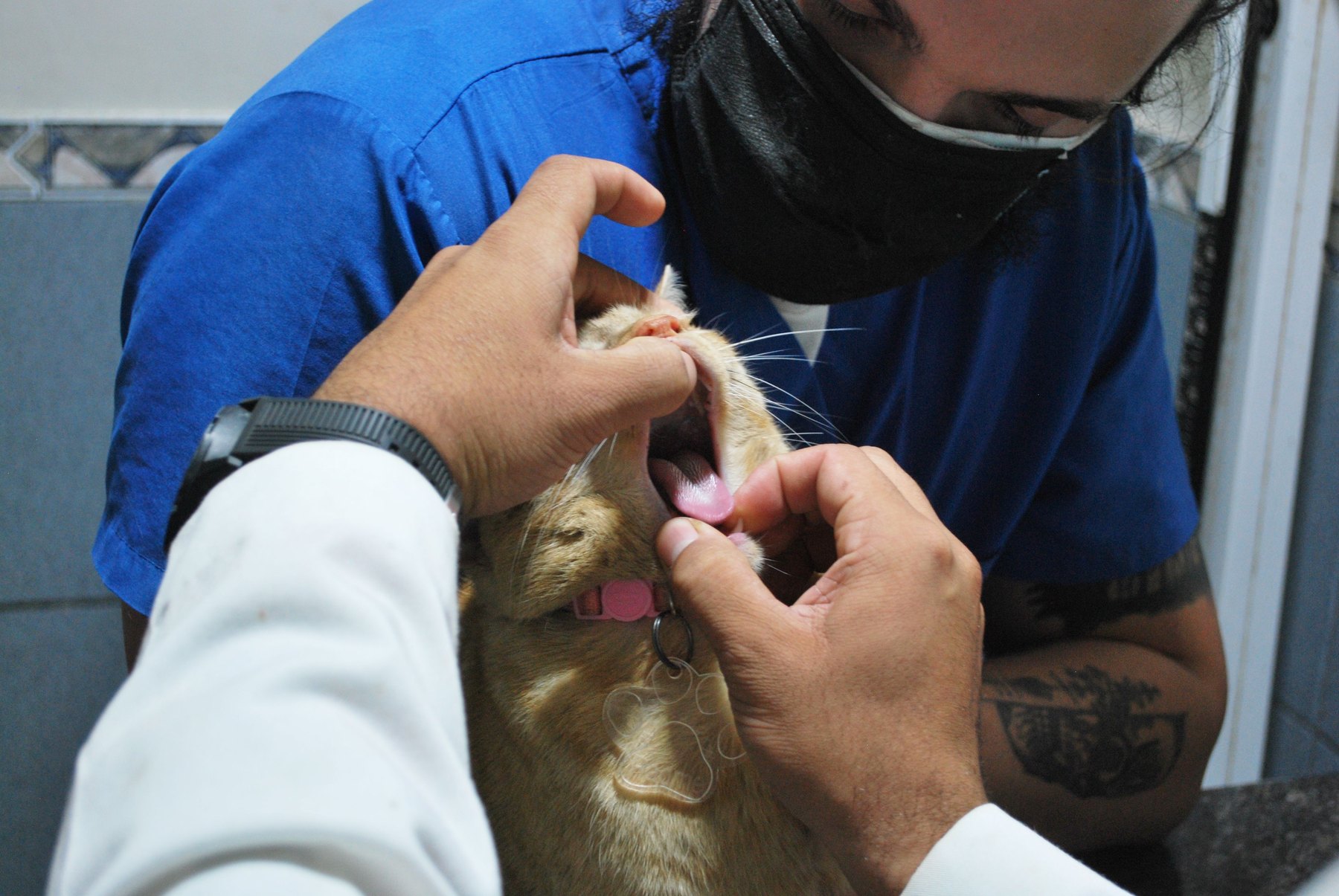
Pet insurance is most likely to help financially when you face a high-cost event that is covered by the policy and happens after waiting periods. The goal is often to reduce the chance that one large bill forces you into high-interest debt or tough medical decisions.
1) Your pet is at higher risk of expensive care
Some pets are more likely to need costly treatment due to age, breed tendencies, lifestyle, or chronic conditions that are not considered pre-existing under the policy. Examples include:
- Large dogs with higher orthopedic risk
- Active pets with higher injury risk
- Older pets with higher likelihood of illness
2) You want protection from “tail risk” bills
Many households can handle a $200 to $500 vet visit, but a $3,000 to $10,000 emergency can be disruptive. Insurance can be a way to cap your worst-case out-of-pocket cost to something closer to your deductible plus your coinsurance share, up to the plan limit.
3) You would otherwise finance vet bills with credit
If a big vet bill would likely go on a credit card, a buy now pay later plan, or a personal loan, insurance can reduce the amount you need to borrow. That can matter because interest and fees can add significantly to the total cost of care.
4) You can keep paying premiums consistently
Insurance works best when you can maintain coverage over time. If premiums would strain your budget and you might cancel after a year or two, the value may be lower, especially if the big event happens later.
When pet insurance may not save you money
There are also common cases where pet insurance is less likely to reduce total spending.
- Your pet mainly needs routine care: Wellness add-ons can help smooth costs, but the math can be close once you factor in premiums and any caps. Compare the annual premium to the maximum wellness payout.
- Pre-existing conditions: Many plans exclude conditions your pet had signs of before enrollment. If your pet already has ongoing issues, coverage may be limited.
- Low premium tolerance: If you would rather self-insure by saving monthly into a pet fund, you might come out ahead in years with low vet spending.
- High deductible or low reimbursement: A plan can look affordable but still leave you paying most costs.
- Coverage limits and exclusions: If the plan caps payouts or excludes common treatments, it may not protect you from the bills you worry about most.
Run the numbers: a simple break-even framework
You do not need a spreadsheet to get a useful estimate. Start with your annual premium and compare it to the expected reimbursement in a “bad year.” Then consider how much risk you are trying to avoid.
Step 1: Estimate your annual premium cost
Add up premiums for 12 months. If you pay annually, use that number.
Step 2: Pick two scenarios
- Typical year: routine visits, minor issues.
- Bad year: one emergency or major illness event.
Step 3: Estimate your out-of-pocket with and without insurance
Use this rough formula for a covered claim:
Your cost ≈ deductible + (1 – reimbursement rate) × (covered bill after deductible), up to the plan limit.
| Input | Example value | What it means |
|---|---|---|
| Annual premium | $600 | What you pay to keep coverage |
| Deductible | $500 | You pay this before reimbursement starts |
| Reimbursement rate | 80% | Plan pays 80% of covered costs after deductible |
| Emergency vet bill | $5,000 | Assume covered and after waiting periods |
With insurance (rough): You pay $600 premium + $500 deductible + 20% of remaining $4,500 = $600 + $500 + $900 = $2,000.
Without insurance: You pay the full $5,000.
In this example bad year, insurance reduces the large bill risk, even though you still pay meaningful costs.
What to watch for when you do the math
- Coverage limits: If the plan has an annual cap, a very large year could exceed it.
- Claim basis: Some plans reimburse based on a benefit schedule or “usual and customary” amounts. Others reimburse based on your actual vet invoice. Verify how your plan works.
- Excluded items: Exam fees, prescription diets, dental disease, or rehab may be excluded or limited depending on the plan.
Real-number examples: three budgets and what they might choose
Below are three sample ways people handle pet health costs using round numbers. These are not recommendations, just illustrations of how the tradeoffs can look.
Scenario A: Tight budget, low cash buffer
Goal: Avoid needing high-interest debt for a surprise bill.
- Monthly premium: $45 (about $540/year)
- Deductible: $500
- Reimbursement: 80%
Sample annual allocation (adds up to $1,200):
- $540 to premiums
- $360 to a small pet emergency fund
- $300 to routine care sinking fund
If a $4,000 covered emergency happens, the household might still need cash for the deductible and coinsurance, but the total bill exposure is lower than paying $4,000 at once.
Scenario B: Moderate budget, prefers predictable costs
Goal: Balance premiums with a larger self-funded buffer.
- Monthly premium: $35 (about $420/year)
- Deductible: $750
- Reimbursement: 90%
Sample annual allocation (adds up to $2,400):
- $420 to premiums
- $1,500 to a pet emergency fund
- $480 to routine care
This approach can reduce premium cost while still keeping meaningful cash available for deductibles, exclusions, and non-covered care.
Scenario C: High cash reserves, wants catastrophic protection only
Goal: Cover very large events while self-paying smaller ones.
- Monthly premium: $25 (about $300/year)
- Deductible: $1,000
- Reimbursement: 70% to 80%
Sample annual allocation (adds up to $5,000):
- $300 to premiums
- $4,000 to a dedicated pet fund (kept in a savings account)
- $700 to routine care and medications
This household may not “save money” in an average year, but may value the protection against a very large covered bill that could exceed the pet fund.
Decision rules by timeline: when to insure vs self-insure
Pet insurance is not an investment timeline decision, but time still matters because premiums, exclusions, and health changes compound.
Under 1 year
- If you just adopted a young pet and have little savings, consider whether an accident and illness plan would reduce the chance of going into debt for an early emergency.
- If you already have a solid pet fund that covers a likely emergency bill, you may prefer to build savings first and compare plans carefully.
1 to 3 years
- If your pet is healthy, this can be a good window to lock in coverage before conditions become pre-existing. Verify waiting periods and any orthopedic waiting period rules.
- If premiums are rising, re-check whether a higher deductible plan plus a bigger pet fund fits better.
3 to 7 years
- Reassess coverage limits and your savings. Mid-life pets may start to have higher-cost conditions.
- Compare whether your current plan still matches your risk. Switching plans can reset waiting periods and may change how pre-existing conditions are treated.
7+ years
- Premiums often increase with age. Decide whether you can keep paying or whether you will shift more to self-insuring.
- If you keep insurance, check for annual limits, chronic condition coverage rules, and how renewals work.
What to compare before you buy: a practical checklist
Use this checklist to compare plans side by side. It helps you focus on the terms that drive real costs.
| Item to compare | Why it matters | What to look for |
|---|---|---|
| Deductible type | Changes how quickly coverage kicks in | Annual vs per incident; amount you can cover from cash |
| Reimbursement basis | Affects how much you actually get back | Invoice-based vs benefit schedule; any “usual and customary” limits |
| Annual limit | Caps protection in a very expensive year | Higher cap or no cap if you want catastrophic protection |
| Waiting periods | Claims may be denied if too soon | Accident vs illness waiting periods; orthopedic waiting period |
| Pre-existing condition policy | Biggest source of claim surprises | Definitions, look-back rules, and whether “curable” conditions can be covered later |
| What is excluded | Determines real-world usefulness | Exam fees, dental, rehab, prescriptions, alternative therapies |
| Claim process and timing | Cash flow and hassle factor | App submission, direct deposit, typical processing time (verify current) |
Named examples: recognizable pet insurance options to compare
Terms and availability can vary by state, pet age, and plan design, so use these as starting points and verify current details.
| Option | Best fit | What to compare | Main drawback |
|---|---|---|---|
| Trupanion | People who want a straightforward accident and illness focus | Deductible structure, reimbursement approach, any vet payment features | Premiums can be higher depending on pet and location |
| Nationwide Pet Insurance | Shoppers who want a large, well-known insurer | Plan types, coverage limits, wellness options | Plan details can vary; review exclusions carefully |
| Healthy Paws | Owners focused on accident and illness coverage | Annual limits, reimbursement options, waiting periods | May not offer wellness add-ons in some cases |
| ASPCA Pet Health Insurance | People who want customizable plans | Deductibles, reimbursement, annual limits, add-ons | Costs and coverage vary by plan; confirm what is included |
| Embrace | Owners who want flexibility and optional wellness | Wellness caps, dental coverage rules, deductible options | Wellness benefits may not exceed premiums for some users |
| Pets Best | Budget-focused shoppers comparing multiple plan levels | Premium vs deductible tradeoff, claim rules, limits | Lower premiums can come with higher out-of-pocket costs |
How pet insurance connects to borrowing and debt decisions
Even though pet insurance is not a loan, it can affect whether you need to borrow for veterinary care.
If you would use a credit card
Ask: would insurance reduce the amount you might carry as a balance? If yes, compare the annual premium to the interest you might pay if you financed a large bill over several months. If you already pay your card in full every month and have a strong emergency fund, the benefit may be more about risk control than interest savings.
If you would use a payment plan or medical credit product
Some vet financing offers promotional terms, but costs can rise if the balance is not paid within the promo window. Before relying on financing, review terms carefully and keep your plan realistic.
If you would take a personal loan
A personal loan can spread out costs, but it adds a monthly payment and interest. Insurance may reduce the size of the loan you would need in a worst-case event. If you do borrow, compare APR, fees, and repayment terms across lenders and avoid borrowing more than you can repay comfortably.
Smart ways to lower costs without relying only on insurance
- Build a pet emergency fund: Even with insurance, you may need cash for deductibles, coinsurance, and excluded items.
- Choose a deductible you can actually cover: A lower premium is not helpful if the deductible is too high to pay when needed.
- Ask your vet for a written estimate: For non-emergency care, you may be able to compare treatment paths and costs.
- Review policy documents before enrolling: Focus on exclusions, waiting periods, and how pre-existing conditions are defined.
Where to learn more about insurance basics and consumer protections
For broader consumer guidance on insurance and financial products, these resources can help you evaluate costs and avoid common pitfalls:
- Federal Trade Commission consumer guidance
- Consumer Financial Protection Bureau resources
- FDIC information on deposit accounts (useful for pet savings funds)
Bottom line: a quick decision matrix
If you want a fast way to decide, use these rules of thumb and then confirm with real quotes and your budget.
- Insurance may be worth it if a $3,000 to $10,000 vet bill would likely push you into debt, and you can afford premiums long term.
- Self-insuring may fit better if you can comfortably cover a major emergency from savings and prefer to keep control of cash rather than pay premiums.
- A hybrid approach often works: choose a higher deductible plan for catastrophic events and build a pet fund for routine and mid-sized costs.
To answer the question “can pet insurance save you money” for your household, get two or three quotes, plug in your deductible and reimbursement, and compare the worst-case out-of-pocket cost to what you could pay from savings without borrowing.


