

Choice Home Warranty Review: Coverage, Cost Factors, and Alternatives

Choice Home Warranty review articles are most useful when they focus on what a home warranty is designed to cover, what it typically excludes, and how to compare plans using real numbers.
Contents
29 sections
-
What Choice Home Warranty is and how it works
-
Choice Home Warranty review: what to check before buying
-
1) Covered items and coverage caps
-
2) Service call fee and how often you pay it
-
3) Exclusions that commonly drive denials
-
4) Waiting period, contract term, and cancellation rules
-
5) Claims process and contractor network
-
Cost reality check with real numbers
-
Example: estimating your annual out of pocket range
-
When a home warranty tends to make sense (and when it does not)
-
Situations where it can be useful
-
Situations where it often disappoints
-
Alternatives to Choice Home Warranty (named options to compare)
-
Home warranty decision checklist
-
Step 1: Inventory your risk
-
Step 2: Compare contract terms, not marketing
-
Step 3: Run a simple break even test
-
What this looks like with real numbers: three household examples
-
Example A: Newer home, strong savings
-
Example B: Older home, moderate savings, higher HVAC risk
-
Example C: Preparing to sell in 12 to 18 months
-
How to file a claim smoothly (regardless of provider)
-
Common questions about home warranties
-
Is a home warranty the same as homeowners insurance?
-
Can a home warranty replace an emergency fund?
-
What should I read first in the contract?
-
Consumer resources for handling disputes and complaints
-
Bottom line
-
Named options worth comparing
A home warranty is a service contract that may help pay for covered repairs or replacements of major home systems and appliances that fail due to normal wear and tear. It is different from homeowners insurance, which generally covers sudden damage from events like fire, wind, or theft. If you are considering Choice Home Warranty, the smartest approach is to compare the plan details, service call fees, coverage caps, exclusions, and the claims process against a few well known competitors.
What Choice Home Warranty is and how it works
Choice Home Warranty is a home warranty provider that sells service contracts for homeowners. While plan names and availability can vary by state and over time, most home warranty companies work similarly:
- You choose a plan that covers certain systems, appliances, or both.
- You pay a monthly or annual premium.
- When a covered item breaks, you file a claim.
- The company assigns a service technician from its network.
- You typically pay a service call fee (also called a trade call fee) per visit.
- If the failure is covered, the provider pays the technician up to the plan limits, and you may owe costs beyond caps or for non covered work.
Home warranties can make budgeting more predictable for certain repairs, but they are not the same as a maintenance plan. Many denials happen because the issue is excluded, pre existing, caused by improper installation, or due to lack of maintenance documentation.
Choice Home Warranty review: what to check before buying
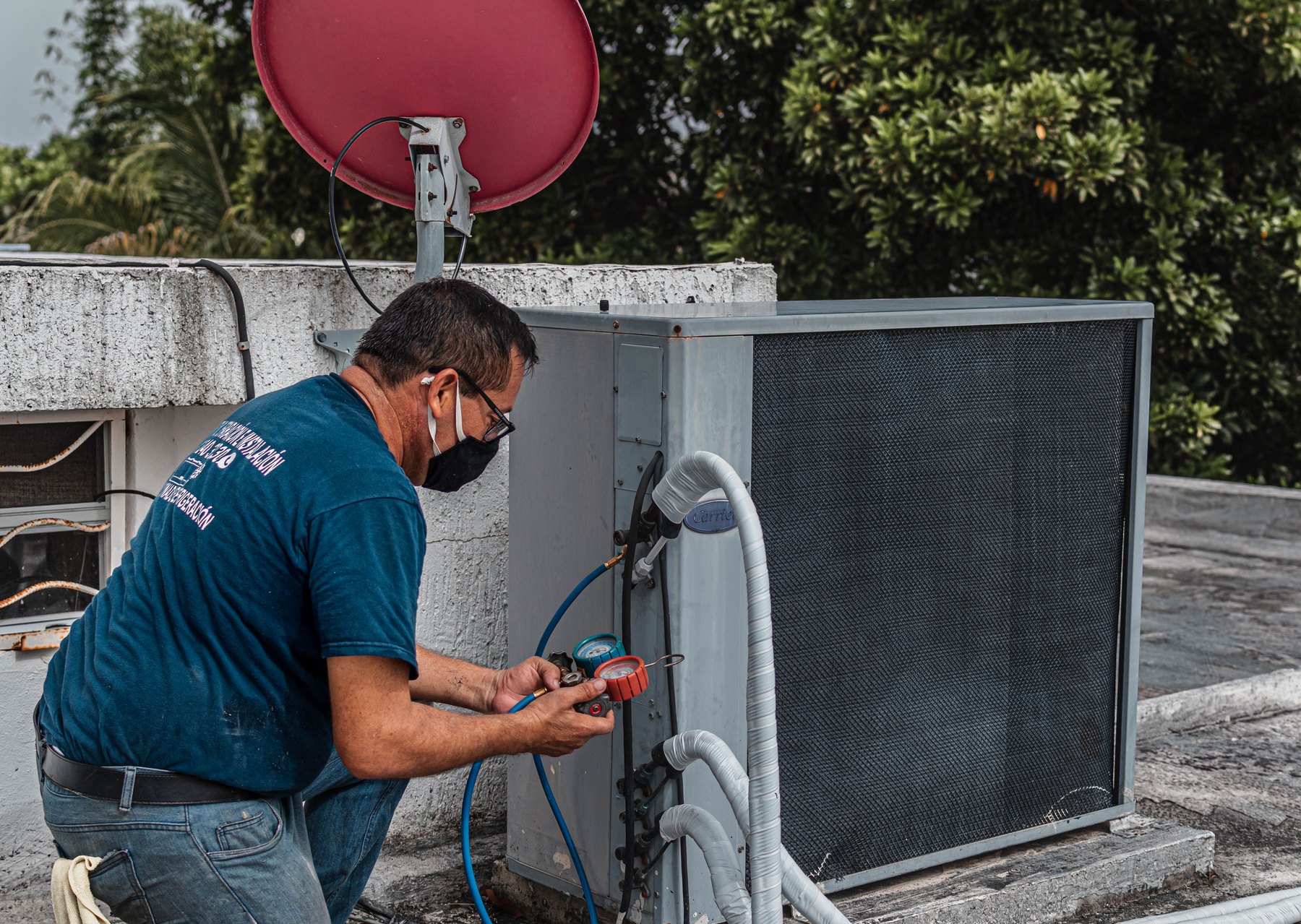
Instead of focusing only on the monthly price, evaluate the contract like you would evaluate any financial product: total expected cost, what triggers coverage, and your out of pocket exposure. Here are the most important items to verify in the sample contract for your state.
1) Covered items and coverage caps
Most plans separate coverage into categories such as:
- Systems: HVAC, electrical, plumbing, water heater
- Appliances: refrigerator, oven, dishwasher, washer, dryer
Key detail: many contracts have per item limits (for example, a maximum payout for an HVAC repair or replacement) and sometimes aggregate annual limits. If your HVAC replacement costs more than the cap, you may pay the difference.
2) Service call fee and how often you pay it
Home warranties typically charge a service call fee each time a technician is dispatched. If your issue requires multiple visits or multiple trades (for example, HVAC plus electrical), you may pay multiple fees. Ask:
- Is the fee per claim, per visit, or per trade?
- If the first contractor cannot fix it, do you pay another fee for a second contractor?
- If multiple items fail at once, can they be bundled into one claim?
3) Exclusions that commonly drive denials
Exclusions vary, but these are common across the industry and worth checking carefully:
- Pre existing conditions or issues that existed before coverage started
- Improper installation, code violations, or modifications
- Cosmetic damage, rust, corrosion, sediment, or scale buildup (sometimes limited)
- Maintenance related issues, including dirty filters or lack of routine service
- Items not accessible or not installed to manufacturer specifications
Decision rule: if you cannot reasonably document maintenance for older systems (HVAC tune ups, filter changes, water heater flushing), assume a higher chance of a dispute and compare whether self funding repairs makes more sense.
4) Waiting period, contract term, and cancellation rules
Many home warranties have a waiting period before coverage begins. Also review:
- How renewals work and whether pricing can change at renewal
- Cancellation fees or pro rated refunds
- Whether you can transfer the plan to a buyer if you sell the home
5) Claims process and contractor network
Speed and quality often depend on the contractor network in your area. Before buying, check:
- How claims are filed (online, phone, app) and typical dispatch timelines
- Whether you can choose your own contractor and get reimbursed, and what approvals are required
- How emergency claims are handled after hours
Cost reality check with real numbers
A home warranty can feel inexpensive monthly, but the full cost includes premiums plus service call fees plus any over cap amounts. Use this simple budgeting model.
| Cost component | What it means | What to look for in the contract | Why it matters |
|---|---|---|---|
| Premium | Monthly or annual plan cost | Annual total, renewal pricing language | Sets your baseline spend even if you never file a claim |
| Service call fee | Fee per dispatched visit or trade | Fee amount, per claim vs per trade rules | Can add up quickly if you have multiple issues |
| Coverage caps | Maximum payout per item or per year | HVAC cap, plumbing cap, appliance caps | Determines your exposure on big ticket repairs |
| Non covered work | Items excluded or required add ons | Exclusions list, optional coverage pricing | Common source of surprise bills |
Example: estimating your annual out of pocket range
Assume a plan premium of $600 to $800 per year (verify current pricing), and a service call fee of $75 to $125 per visit (verify current fee). Here are three scenarios:
- Light use year: 1 claim, 1 visit. Estimated cost = $600 to $800 premium + $75 to $125 fee = $675 to $925.
- Moderate use year: 3 claims, 3 visits. Estimated cost = $600 to $800 + (3 x $75 to $125) = $825 to $1,175.
- Heavy use year: 5 claims, 6 visits (repeat visit). Estimated cost = $600 to $800 + (6 x $75 to $125) = $1,050 to $1,550, plus any over cap costs.
Decision rule: if you have enough cash reserves to comfortably handle a $500 to $2,000 repair without debt, self funding may be competitive. If a large unexpected repair would push you to high interest credit card debt, a warranty might be worth considering, but only if the caps and exclusions fit your home.
When a home warranty tends to make sense (and when it does not)
Situations where it can be useful
- You purchased an older home and want a predictable repair budget for the first year.
- You are not comfortable finding contractors and want a dispatch service.
- You have limited emergency savings and want to reduce the chance of a large repair bill, understanding caps and exclusions.
Situations where it often disappoints
- You expect it to cover upgrades, code improvements, or full replacement costs beyond caps.
- Your systems have known issues or poor maintenance history.
- You want to choose your own contractor without pre approval steps.
- You prefer to control parts and equipment choices (brand, efficiency level, model).
Alternatives to Choice Home Warranty (named options to compare)
Choice Home Warranty is one of several recognizable home warranty providers. Availability and plan terms vary by state, so compare sample contracts and current fees in your location. Here are common alternatives many homeowners cross shop:
| Option | Best fit | What to compare | Main drawback |
|---|---|---|---|
| Choice Home Warranty | Homeowners who want a broad, bundled plan and contractor dispatch | Coverage caps, service call fee, exclusions, waiting period | Coverage limits and exclusions can still leave meaningful out of pocket costs |
| American Home Shield | Shoppers who want multiple plan tiers and add ons | Service fee options, HVAC limits, coverage for older items | Cost can rise with lower service fees or richer coverage |
| Select Home Warranty | Budget focused shoppers comparing entry level plans | What is excluded, caps by category, claim handling rules | Lower price plans may have tighter limits or more exclusions |
| First American Home Warranty | Homeowners prioritizing appliance and system coverage options | Optional upgrades, appliance caps, contractor availability | Availability and plan details differ by state |
| 2-10 Home Buyers Warranty | Home buyers and sellers looking at warranty options during a transaction | Transferability, real estate transaction features, caps | May be less compelling outside a purchase or sale timeline |
| Cinch Home Services | Shoppers who want a recognizable brand with multiple plan choices | Coverage details, service fee, exclusions, claims process | Plan terms and contractor networks vary by region |
Home warranty decision checklist
Use this checklist to decide whether to buy a plan and which provider to choose.
Step 1: Inventory your risk
- Age of HVAC, water heater, and major appliances
- Any known issues (uneven cooling, leaks, frequent breaker trips)
- Maintenance history you can document
- How quickly you could pay for a $1,000 to $3,000 repair without borrowing
Step 2: Compare contract terms, not marketing
- Per item caps for HVAC, plumbing, electrical, and appliances
- Service call fee rules (per trade vs per claim)
- Exclusions list and definitions of wear and tear
- Waiting period and renewal language
- Rules for using your own contractor and reimbursement limits
Step 3: Run a simple break even test
Estimate your annual premium plus likely service call fees. Then compare that to what you would set aside in a repair fund.
- If premium + expected fees is close to what you would save anyway, self funding can be simpler.
- If one major failure would likely force you into high interest debt, a warranty can be a budgeting tool, but only if caps are high enough to matter.
| Your situation | Rule of thumb | What to do next |
|---|---|---|
| Strong emergency fund (3 to 6 months of expenses) and newer systems | Warranty is often optional | Price out a repair fund and compare to premium + fees |
| Limited cash reserves and older HVAC or water heater | Warranty may help with budgeting | Prioritize high caps for HVAC and clear claims rules |
| Known issues or poor maintenance history | Higher denial risk | Get inspections and quotes first, then decide |
| You want specific equipment upgrades or high efficiency replacements | Warranty may not match your goals | Consider self funding or financing planned upgrades |
What this looks like with real numbers: three household examples
Below are sample ways to plan for home repairs with or without a warranty. These are examples, not recommendations. Adjust for your home age, climate, and local labor costs.
Example A: Newer home, strong savings
Household profile: Newer HVAC and appliances, $12,000 emergency fund, stable income.
One year plan (total $1,200):
- $900 to a home repair sinking fund
- $300 for preventive maintenance (HVAC tune up, filters, minor plumbing)
Decision rule by timeline:
- Under 1 year: keep repair cash in a high yield savings account.
- 1 to 3 years: continue cash savings, build to a target like $2,000 to $5,000 for repairs.
- 3 to 7 years: plan for larger replacements (water heater, appliances) with a bigger sinking fund.
- 7+ years: expect major system replacements and budget accordingly.
Example B: Older home, moderate savings, higher HVAC risk
Household profile: 15 year old HVAC, $3,500 emergency fund, tight monthly budget.
One year plan (total $1,500):
- $800 toward a home warranty premium and expected service call fees (verify actual costs)
- $500 into a repair fund for over cap costs or excluded items
- $200 for maintenance and documentation (filters, tune up, receipts)
Decision rule: if the HVAC cap is low relative to replacement costs in your area, increase the repair fund portion or consider skipping the warranty and saving more aggressively.
Example C: Preparing to sell in 12 to 18 months
Household profile: Planning to list the home, wants fewer surprise repair negotiations.
18 month plan (total $1,800):
- $900 for a warranty that is transferable to a buyer (verify transfer rules)
- $600 for pre listing repairs and tune ups
- $300 buffer for service call fees or uncovered items
Decision rule: if you are within under 1 year of selling, focus on fixing known issues and keeping documentation. A warranty may help with buyer confidence in some markets, but it is not a substitute for repairs.
How to file a claim smoothly (regardless of provider)
- Take photos or video of the issue and note dates and symptoms.
- Keep maintenance records and receipts in one folder.
- File claims as soon as the problem is discovered, not after repeated use.
- Ask for the coverage determination in writing if a claim is denied.
- If you pay out of pocket for an emergency repair, confirm reimbursement rules first when possible.
Common questions about home warranties
Is a home warranty the same as homeowners insurance?
No. Homeowners insurance typically covers damage from specific events (like fire or storms). A home warranty is a service contract that may cover certain breakdowns from normal wear and tear, subject to exclusions and caps.
Can a home warranty replace an emergency fund?
Usually not. Even with coverage, you may pay service call fees, costs above caps, and excluded repairs. Many homeowners use a warranty as a supplement to savings, not a replacement.
What should I read first in the contract?
Start with the exclusions, coverage limits (caps), and the definitions section. Then review the claims process steps and timelines.
Consumer resources for handling disputes and complaints
If you run into billing issues, unexpected charges, or trouble resolving a dispute, these resources can help you understand complaint and dispute steps:
- FTC Consumer Advice for guidance on resolving consumer problems and reporting scams.
- Consumer Financial Protection Bureau for general consumer complaint information and financial education.
- USA.gov State Consumer Protection Offices to find your state consumer agency.
Bottom line
Choice Home Warranty can be a reasonable option to compare if you want a service contract that may help with covered repairs, but the value depends on the fine print: caps, exclusions, service call fees, and the contractor network where you live. Compare Choice Home Warranty against several named alternatives, run a simple annual cost estimate, and decide whether a warranty or a dedicated repair fund best fits your budget and risk tolerance.
Named options worth comparing
Because this topic depends on real providers, it helps to compare recognizable names instead of only reading general advice. The options below are examples to research, not a universal ranking. Check current APY, fees, eligibility, and availability before opening an account or applying.
| Option | Best fit | What to compare | Main drawback |
|---|---|---|---|
| State Farm | Shoppers who want agent support | Coverage options, local service, riders, and pricing | May not be the cheapest online quote |
| MassMutual | Permanent life insurance and long-term planning comparisons | Policy type, riders, financial strength, and premiums | Permanent policies can be complex |
| Northwestern Mutual | People comparing full-service insurance planning | Policy design, fees, riders, and advisor support | Requires careful review of cost |
| Mutual of Omaha | Life and supplemental insurance comparisons | Coverage limits, underwriting, riders, and pricing | Availability varies by product |
| Progressive | Auto and bundled insurance comparison | Discounts, coverage limits, deductibles, and claims experience | Best pricing varies by driver |
| Allianz Travel Insurance | Travel insurance comparison | Trip cancellation, medical limits, exclusions, and claims rules | Plans differ by trip details |


