

Costco Home Warranty Review: Coverage, Costs, and Alternatives

A Costco home warranty review should answer one practical question: if your home systems or appliances break, will the plan pay enough to be worth the premiums and service fees?
Contents
27 sections
-
What Costco home warranty plans usually are (and are not)
-
Costco home warranty review: what to check before you buy
-
1) Covered items and coverage limits
-
2) Service call fee and how claims work
-
3) Exclusions that commonly surprise homeowners
-
4) Cancellation, renewals, and price changes
-
5) Member perks and how they are paid
-
Typical costs: what it looks like with real numbers
-
Scenario A: Newer home, low expected claims
-
Scenario B: Older home, higher expected claims
-
Scenario C: You want protection mainly for one expensive system
-
Pros and cons to expect from a Costco-linked home warranty
-
Alternatives to compare (named options)
-
How to decide: warranty vs repair fund (with sample allocations)
-
Allocation 1: Balanced approach (warranty + savings)
-
Allocation 2: Self-insure with a larger repair fund
-
Allocation 3: Tight budget, focus on emergency readiness
-
Timeline decision rules (under 1 year to 7+ years)
-
Under 1 year (moving soon)
-
1 to 3 years (new homeowner learning the house)
-
3 to 7 years (systems aging, bigger repairs more likely)
-
7+ years (long-term ownership)
-
Questions to ask before filing a claim
-
Cost and risk checklist (use this before you buy)
-
Where to check complaints and consumer protections
-
Bottom line: when a Costco-linked home warranty can make sense
-
Named options worth comparing
Home warranties are service contracts, not homeowners insurance. They typically help with repair or replacement of covered items that fail from normal wear and tear, subject to exclusions, caps, and service call fees. Costco is known for member perks, but Costco itself is not usually the company sending technicians or paying claims. In most cases, you are buying a plan administered by a third party provider, sometimes with a Costco member benefit attached. That means the fine print matters more than the brand name.
What Costco home warranty plans usually are (and are not)
When people search for a “Costco home warranty,” they are often looking for a warranty program offered through Costco membership. In practice, these programs are commonly partnerships where:
- Costco markets the plan to members and may offer a member incentive.
- A warranty company underwrites or administers the contract, sets coverage rules, and handles claims.
- Local contractors are dispatched to diagnose and repair.
What it is not:
- Not homeowners insurance. Insurance is for sudden accidental damage and covered perils (like fire or wind). A warranty is for breakdowns from wear and tear.
- Not a guarantee of replacement. Many contracts allow repair first, replacement second, and may use refurbished parts or cash-in-lieu.
- Not blanket coverage for pre-existing issues. If an item was already failing, improperly installed, or not maintained, claims may be denied.
Costco home warranty review: what to check before you buy
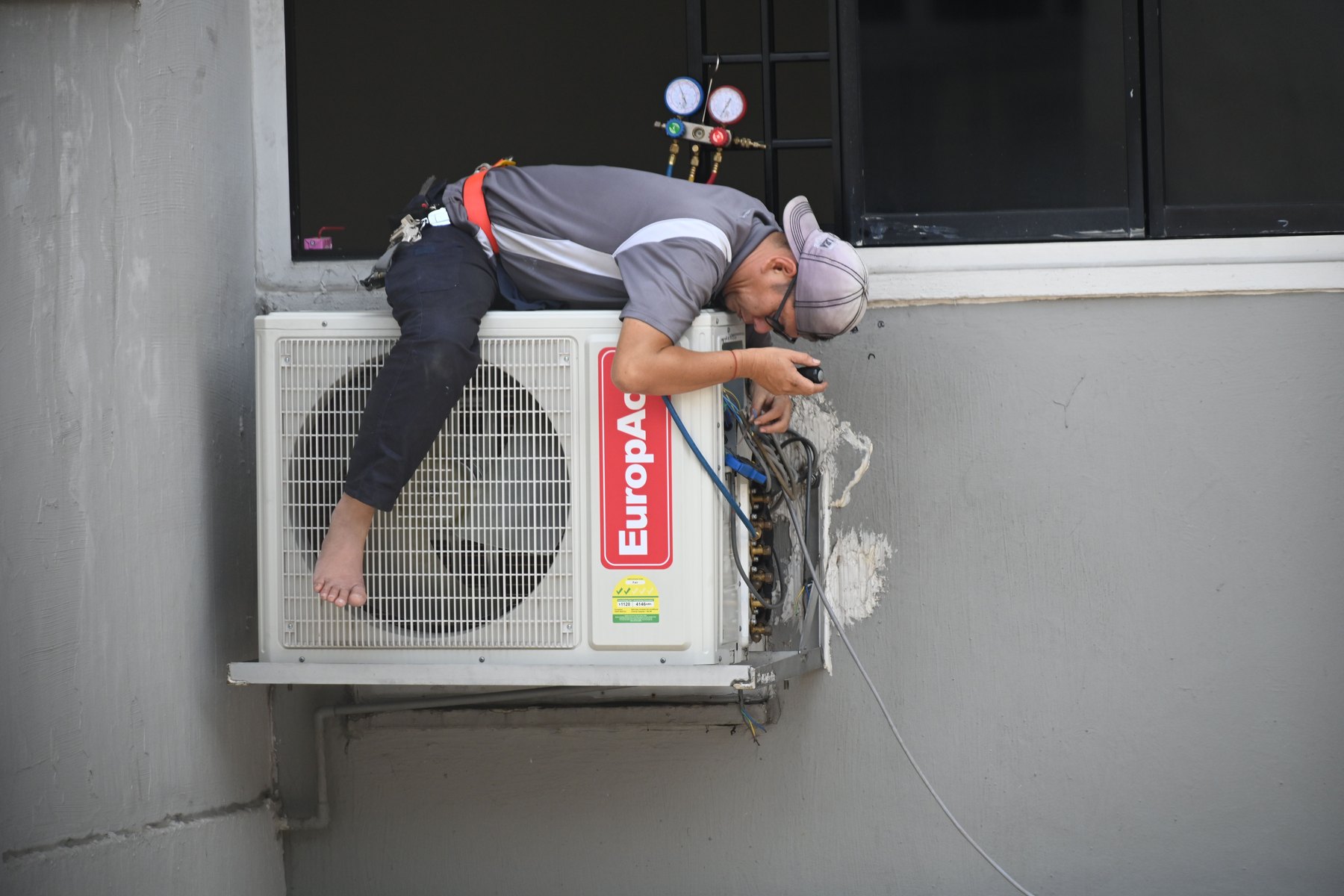
Because the administrator and terms can change over time, your best “review” is a structured checklist. Use this section like a contract-reading guide.
1) Covered items and coverage limits
Most plans are organized as:
- Systems plan: HVAC, electrical, plumbing, water heater.
- Appliance plan: refrigerator, oven, dishwasher, washer, dryer.
- Combo plan: systems + appliances.
- Add-ons: pool/spa, well pump, septic, second fridge, roof leak (limited), standalone freezer.
Key numbers to find in the contract:
- Per-item cap: Maximum the plan pays for a specific category (for example, HVAC or refrigerator).
- Aggregate cap: Maximum the plan pays in total during the contract term.
- Parts vs labor: Some plans cap labor separately or exclude certain components.
2) Service call fee and how claims work
Home warranties typically charge a service fee each time you request service. Even if the repair is denied, you may still owe the service fee. Confirm:
- Service fee amount and whether you can choose a higher fee for a lower premium.
- Whether multiple issues in one visit count as one service fee or multiple.
- How quickly the company must respond and what happens in emergencies.
- Whether you can use your own contractor and get reimbursed (many plans restrict this).
3) Exclusions that commonly surprise homeowners
Exclusions vary, but these are common friction points:
- Improper installation or code violations.
- Pre-existing conditions or unknown prior damage.
- Maintenance-related issues (dirty coils, clogged filters, neglect).
- Refrigerant issues and “mismatched systems” for HVAC.
- Secondary damage (for example, water damage from a leak may be excluded even if the plumbing repair is covered).
- Access costs (opening walls, cranes, permits, disposal) may be limited or excluded.
4) Cancellation, renewals, and price changes
Look for:
- Free-look period and cancellation fees.
- Whether premiums can increase at renewal.
- Whether coverage terms can change at renewal.
5) Member perks and how they are paid
If a Costco-linked plan advertises a member benefit (like a gift card or member-only pricing), confirm:
- Whether the perk is only for new customers.
- When it is issued (after purchase, after a waiting period, after renewal).
- Whether you lose the perk if you cancel early.
Typical costs: what it looks like with real numbers
Exact pricing varies by state, home size, add-ons, and the administrator. Instead of guessing a premium, model the decision using ranges and your own home’s risk.
Scenario A: Newer home, low expected claims
Home: 5 to 10 years old, newer HVAC and appliances. You mainly want budget predictability.
- Annual premium: $450 to $750 (verify current pricing)
- Service fee: $75 to $125 per claim
- Expected claims: 0 to 1 per year
Decision rule: If you expect fewer than one meaningful repair per year, compare the premium to building a repair fund. A warranty may still be valuable if you strongly prefer a managed contractor network and predictable out-of-pocket costs, but it can be less cost-effective if you rarely use it.
Scenario B: Older home, higher expected claims
Home: 20+ years old, mixed appliance ages, HVAC nearing end-of-life.
- Annual premium: $600 to $1,000+
- Service fee: $75 to $150 per claim
- Expected claims: 1 to 3 per year
Decision rule: If you expect multiple service calls, focus on per-item caps and exclusions. A plan can still disappoint if the HVAC cap is low, refrigerant is excluded, or the contract limits “access” and “modifications.”
Scenario C: You want protection mainly for one expensive system
Goal: You are worried about HVAC replacement.
- Check the plan’s HVAC cap and whether it includes major components and refrigerant-related work.
- Get a local quote for likely HVAC repairs and replacement so you can compare the cap to real costs.
Decision rule: If the plan’s HVAC cap is far below replacement cost and the contract emphasizes repair over replacement, you may still need a separate savings plan for a full replacement.
Pros and cons to expect from a Costco-linked home warranty
| Potential advantage | Why it matters | Potential downside |
|---|---|---|
| Member-facing pricing or promotions | Could reduce first-year cost or add a perk | Perks may have timing rules or cancellation clawbacks |
| Single place to start a claim | Convenience if you do not have trusted contractors | Limited contractor choice and scheduling constraints |
| Budget smoothing | Turns some large repairs into smaller, predictable costs | Premiums plus service fees can exceed what you would have paid out of pocket |
| Coverage for wear-and-tear breakdowns | Insurance usually does not cover this | Exclusions for maintenance, pre-existing issues, and code upgrades can reduce payouts |
Alternatives to compare (named options)
Even if you start with a Costco program, compare it against other recognizable home warranty providers and a self-insurance approach. Availability and terms vary by state, so verify current coverage and contract language.
| Option | Best fit | What to compare | Main drawback |
|---|---|---|---|
| American Home Shield | Homeowners who want broad plan choices | Service fee options, HVAC limits, add-ons, claim process | Costs and caps can vary widely by plan and location |
| Select Home Warranty | Price-sensitive shoppers comparing promos | Exclusions, waiting period, cancellation terms, caps | Lower price does not always mean better coverage |
| First American Home Warranty | Homes with older appliances in covered states | Appliance caps, optional upgrades, service fee | Not available everywhere |
| AFC Home Club | People who value longer contract features (where offered) | Repair guarantees, contractor flexibility, caps | Terms and availability vary by state |
| Choice Home Warranty | Shoppers who want a simple plan lineup | Coverage caps, exclusions, service fee, claim timeline | Read exclusions closely for high-cost systems |
| Self-funded home repair fund (savings) | Homeowners who prefer control and fewer contract limits | Target fund size, monthly contribution, where to keep cash | You pay full cost when something breaks |
How to decide: warranty vs repair fund (with sample allocations)
A home warranty is one way to manage repair risk. Another is to build a dedicated repair fund. Here are three sample allocations that add up cleanly, using realistic household numbers. Adjust based on your home age, system condition, and cash reserves.
Allocation 1: Balanced approach (warranty + savings)
Monthly budget: $200 for home maintenance and protection.
- $60/month toward a home warranty premium (about $720/year)
- $120/month into a home repair savings fund
- $20/month for filters, small parts, and preventive maintenance
Total: $200/month
When it fits: You want some contract coverage but also want cash for excluded items like code upgrades or access costs.
Allocation 2: Self-insure with a larger repair fund
Monthly budget: $250.
- $200/month into a high-yield savings account earmarked for repairs
- $50/month for preventive maintenance (HVAC tune-ups, drain cleaning, etc.)
Total: $250/month
When it fits: You have stable cash flow and prefer choosing your own contractors without claim approvals.
Allocation 3: Tight budget, focus on emergency readiness
Monthly budget: $120.
- $100/month into an emergency fund until you reach 3 to 6 months of expenses
- $20/month into a small home repair buffer
Total: $120/month
When it fits: If your emergency fund is thin, building cash resilience can be more flexible than paying a warranty premium. Once your emergency fund is healthier, you can re-evaluate a warranty.
Timeline decision rules (under 1 year to 7+ years)
Under 1 year (moving soon)
- Consider whether the warranty is transferable and whether transfer fees apply.
- If you are buying a home, compare the warranty cost to negotiating repairs or seller credits.
- A short timeline often favors cash reserves over annual contracts unless you have a known near-term risk.
1 to 3 years (new homeowner learning the house)
- A warranty can be useful while you build your contractor list and learn system condition.
- Prioritize plans with clear caps and fewer exclusions for older equipment.
- Start a repair fund even if you buy a warranty.
3 to 7 years (systems aging, bigger repairs more likely)
- Reassess HVAC, water heater, and major appliances. If replacement is likely, a warranty cap may not cover the full cost.
- Increase monthly savings contributions to match expected replacements.
7+ years (long-term ownership)
- Long-term owners often benefit from a structured maintenance plan and a larger repair fund.
- If you keep a warranty, review renewal terms annually and compare competitors to avoid overpaying for shrinking coverage.
Questions to ask before filing a claim
Claims go smoother when you document the issue and understand the contract rules. Before you call:
- What exactly is failing? (symptoms, error codes, photos)
- Is the item listed as covered, and is your specific component excluded?
- Is there a maintenance requirement you can show (filter changes, service records)?
- What is your per-item cap and service fee?
- Do you need pre-authorization before any work begins?
Cost and risk checklist (use this before you buy)
| Item to verify | Where to find it | Why it matters |
|---|---|---|
| Waiting period | Terms and conditions | Some plans do not cover claims immediately after purchase |
| Service fee per claim | Pricing page and contract | A lower premium can be offset by higher per-visit fees |
| Coverage caps (HVAC, plumbing, appliances) | Coverage limits section | Caps determine whether you still face large out-of-pocket costs |
| Exclusions for maintenance and pre-existing conditions | Exclusions section | Common reason for denials |
| Access, permits, code upgrades, disposal | Limitations and exclusions | These can add hundreds or thousands to a “covered” repair |
| Contractor choice | Claims process | Some plans require network contractors and restrict reimbursements |
| Cancellation and renewal rules | Cancellation policy | Helps you avoid surprises if pricing or terms change |
Where to check complaints and consumer protections
If you are evaluating any home warranty company connected to a Costco offer, it helps to understand your dispute options and how service contracts are regulated in your state. These resources can help you research complaint patterns and consumer rights:
- Federal Trade Commission (FTC) consumer guidance
- Consumer Financial Protection Bureau (CFPB) (useful for general complaint and financial product education)
- USA.gov state consumer protection offices
Bottom line: when a Costco-linked home warranty can make sense
A Costco-branded pathway can be a convenient place to start shopping, especially if there is a member incentive. The plan is most likely to feel worthwhile when you (1) understand the service fee and caps, (2) have older systems where repairs are plausible but not guaranteed to require full replacement, and (3) value the managed claims process.
Before you commit, compare at least a few named alternatives, read the exclusions line by line, and run the numbers against a repair fund. If the contract limits would still leave you paying most of a major failure, you may be better served by saving more aggressively for replacements while handling smaller repairs out of pocket.
Named options worth comparing
Because this topic depends on real providers, it helps to compare recognizable names instead of only reading general advice. The options below are examples to research, not a universal ranking. Check current APY, fees, eligibility, and availability before opening an account or applying.
| Option | Best fit | What to compare | Main drawback |
|---|---|---|---|
| State Farm | Shoppers who want agent support | Coverage options, local service, riders, and pricing | May not be the cheapest online quote |
| MassMutual | Permanent life insurance and long-term planning comparisons | Policy type, riders, financial strength, and premiums | Permanent policies can be complex |
| Northwestern Mutual | People comparing full-service insurance planning | Policy design, fees, riders, and advisor support | Requires careful review of cost |
| Mutual of Omaha | Life and supplemental insurance comparisons | Coverage limits, underwriting, riders, and pricing | Availability varies by product |
| Progressive | Auto and bundled insurance comparison | Discounts, coverage limits, deductibles, and claims experience | Best pricing varies by driver |
| Allianz Travel Insurance | Travel insurance comparison | Trip cancellation, medical limits, exclusions, and claims rules | Plans differ by trip details |


