

Flood Insurance Costs FEMA Texas: What You’ll Pay and How to Lower It

Flood insurance costs FEMA Texas can vary widely because pricing depends on your flood risk, your home’s elevation, the coverage you choose, and whether you buy a National Flood Insurance Program policy or a private policy.
Contents
26 sections
-
How FEMA affects flood insurance pricing in Texas
-
Flood insurance costs FEMA Texas: the biggest price drivers
-
1) Flood zone and map details
-
2) Elevation and foundation type
-
3) Coverage amounts and deductibles
-
4) Building characteristics
-
5) NFIP vs private flood insurance
-
6) Lender requirements and escrow
-
Typical Texas flood insurance cost ranges (with real number examples)
-
What this looks like in a household budget
-
NFIP coverage basics: what it covers and what it does not
-
NFIP building coverage vs contents coverage
-
Common gaps to plan for
-
NFIP vs private flood insurance in Texas: named options to compare
-
How to lower flood insurance costs in Texas (without underinsuring)
-
Use this decision checklist
-
Practical rule: insure the risk you cannot comfortably pay
-
Documents and details you will likely need for quotes
-
Planning for deductibles and repairs: simple cash rules by timeline
-
Under 1 year
-
1 to 3 years
-
3 to 7 years
-
7+ years
-
A step by step process to shop flood insurance in Texas
-
Common mistakes that raise costs or create coverage gaps
-
Helpful official resources for Texas homeowners
In Texas, flood risk is not limited to coastal areas. Heavy rain, river flooding, and drainage issues can affect inland communities too. That is why understanding how FEMA flood maps work, what insurers look at, and how to estimate a realistic premium range can help you budget and avoid coverage gaps.
How FEMA affects flood insurance pricing in Texas
FEMA influences flood insurance in two main ways:
- Flood maps (FIRMs) – FEMA Flood Insurance Rate Maps show flood zones and expected flood risk. Lenders often use these maps to decide whether flood insurance is required for a mortgage in certain areas.
- NFIP rules and rating – FEMA administers the National Flood Insurance Program (NFIP). NFIP policies follow standardized coverage forms and pricing methods (including Risk Rating 2.0).
Even if your lender does not require flood insurance, you can still buy it. Many flood claims happen outside high risk zones. The key is to match coverage to your property and your financial risk tolerance.
Flood insurance costs FEMA Texas: the biggest price drivers
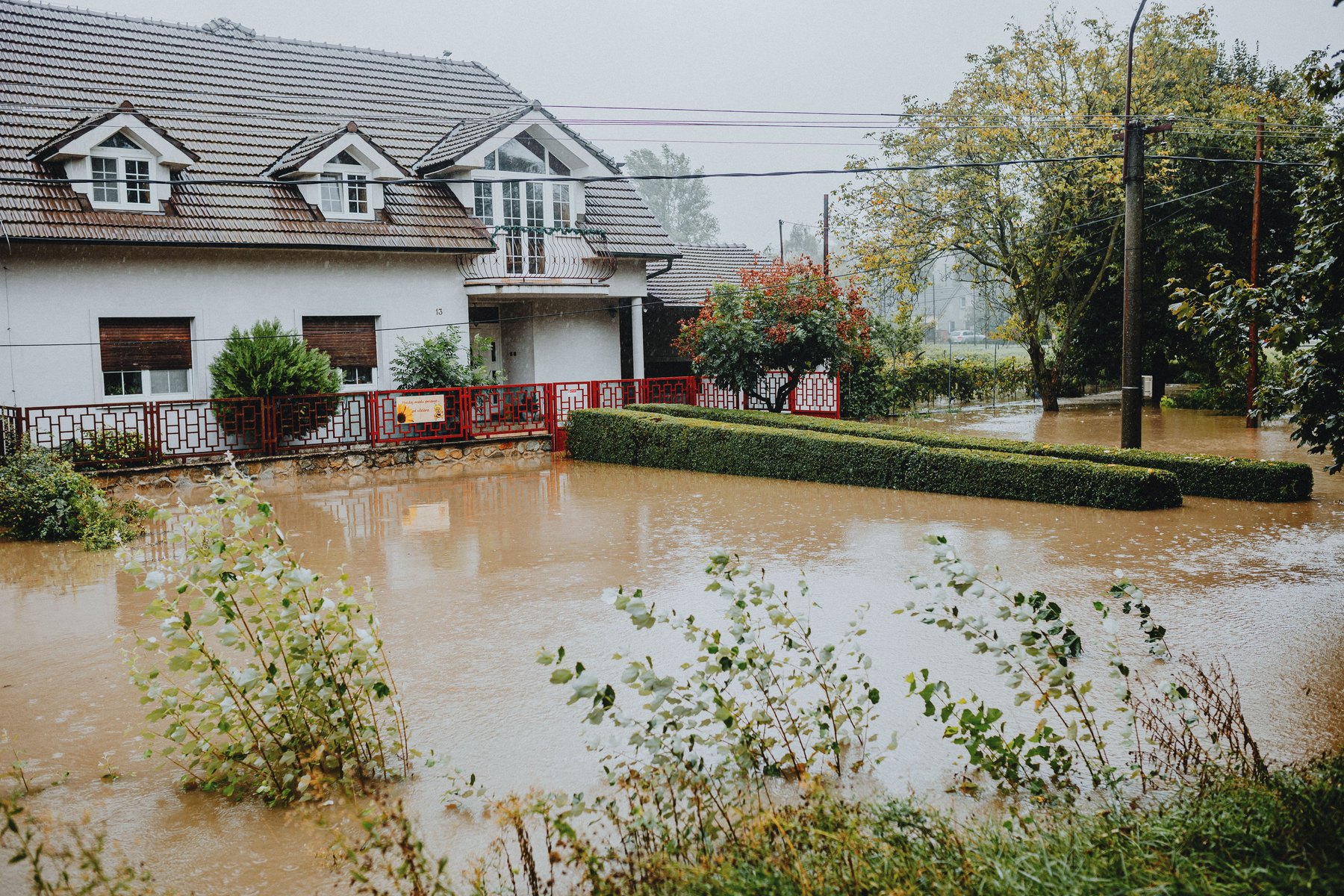
Premiums are not one size fits all. Use the factors below as a practical checklist for what will move your cost up or down.
1) Flood zone and map details
Your FEMA flood zone is a starting point, not the whole story. Homes in Special Flood Hazard Areas (often labeled A or V zones) typically face higher costs and more frequent lender requirements. Homes in moderate or minimal risk zones may still benefit from coverage, but pricing can be lower.
2) Elevation and foundation type
Elevation relative to the Base Flood Elevation (BFE) can strongly affect NFIP pricing. A raised home on piers can price differently than a slab on grade. If you have an Elevation Certificate, it may help document your risk characteristics, especially for certain properties.
3) Coverage amounts and deductibles
Higher coverage limits and lower deductibles generally increase premiums. Choosing a higher deductible can reduce the premium, but it increases what you pay out of pocket after a loss.
4) Building characteristics
- Construction type and number of floors
- Replacement cost and insured value
- Presence of basements or enclosures (where applicable)
- Flood openings and other mitigation features
5) NFIP vs private flood insurance
NFIP policies are standardized and widely available, but private insurers may offer different pricing, higher limits, or extra features depending on the property. Private policies can also be more selective about eligibility and may change pricing at renewal based on underwriting.
6) Lender requirements and escrow
If flood insurance is required for your mortgage, your lender may require proof of coverage and may escrow premiums. Escrow does not change the premium, but it changes cash flow because you pay monthly as part of your mortgage payment.
Typical Texas flood insurance cost ranges (with real number examples)
Exact premiums change by property and insurer, so the most useful approach is to budget using ranges and then refine with quotes. The examples below show how the same state can produce very different outcomes.
| Scenario | Property profile | Likely annual premium range | What drives the range |
|---|---|---|---|
| Lower risk inland home | Outside high risk zone, slab foundation, modest coverage | $400 to $1,200 | Lower mapped risk, higher deductible, lower coverage |
| Moderate risk neighborhood | Near drainage or creek, standard construction, mid level coverage | $900 to $2,500 | Proximity to water, claims history in area, coverage choices |
| High risk zone home | Special Flood Hazard Area, lower elevation, higher coverage | $2,000 to $6,000+ | High risk zone, elevation relative to BFE, building characteristics |
| Coastal or storm surge exposure | Coastal county, wind and surge exposure, elevated or not | $3,000 to $10,000+ | Storm surge risk, zone type, replacement cost, underwriting |
These ranges are planning tools. Your quote could be below or above them depending on elevation, coverage limits, deductible, and insurer. The most reliable next step is to gather your property details and request multiple quotes.
What this looks like in a household budget
Flood insurance is often paid annually, but many households think monthly. Here are three budget examples that add up correctly and show how premiums can fit into a plan.
| Example | Annual premium | Monthly equivalent | Suggested way to set aside money |
|---|---|---|---|
| Budget A | $600 | $50 | Automatic transfer of $50 per month to a dedicated savings subaccount |
| Budget B | $1,800 | $150 | Escrow through mortgage or $75 per paycheck if paid biweekly |
| Budget C | $4,800 | $400 | Monthly sinking fund plus a separate emergency buffer for deductibles |
NFIP coverage basics: what it covers and what it does not
Flood insurance is different from homeowners insurance. Flood damage is often excluded from standard homeowners policies.
NFIP building coverage vs contents coverage
- Building coverage helps pay to repair the structure and certain built in components.
- Contents coverage helps pay to replace personal property, up to the policy limit, subject to policy rules.
Common gaps to plan for
- Deductibles and coverage limits can leave you with significant out of pocket costs after a loss.
- Some items in basements or enclosed areas may be limited by policy rules.
- Temporary living expenses are not always covered the same way they might be under homeowners insurance.
Before buying, ask for a sample declarations page and review what is included under building and contents, the deductible, and any special limitations that apply to your property type.
NFIP vs private flood insurance in Texas: named options to compare
In Texas, you may be able to buy flood insurance through the NFIP (often sold by insurance companies that service NFIP policies) or through private insurers. Availability and pricing depend on the property and location, so comparing multiple quotes can be worthwhile.
| Option | Best fit | What to compare | Main drawback |
|---|---|---|---|
| NFIP (National Flood Insurance Program) | Homes that need standardized coverage or have limited private options | Coverage limits, deductibles, waiting period, claim handling process | May have lower limits than some private options and standardized terms |
| FEMA Flood Insurance via Write Your Own carriers (example: Allstate) | Homeowners who want NFIP coverage serviced by a familiar insurer | Service experience, billing options, agent support | Still NFIP terms and limits, not a custom private policy |
| FEMA Flood Insurance via Write Your Own carriers (example: State Farm) | Borrowers who prefer bundling service with an existing agent relationship | Billing, escrow coordination, documentation speed | NFIP policy terms are standardized regardless of carrier |
| Private flood insurer (example: Neptune Flood) | Some properties that may qualify for competitive pricing or higher limits | Coverage limits, exclusions, waiting period, renewal pricing approach | Eligibility and pricing can change; terms vary by insurer |
| Private flood insurer (example: Wright Flood) | Homeowners who want to compare private options alongside NFIP | Policy form, claim process, additional coverages, lender acceptance | Not all properties qualify; underwriting can be stricter |
| Private flood insurer (example: Aon Edge flood solutions) | Homeowners seeking agent assisted comparison across markets | Which carrier is underwriting, fees, policy terms, claim support | Offerings vary by state and property; may involve broker processes |
Named options above are examples to help you compare. Ask each provider or agent for a quote with the same coverage limits and deductible so you can make an apples to apples comparison.
How to lower flood insurance costs in Texas (without underinsuring)
Lowering premiums is often about reducing risk, choosing coverage intentionally, and documenting your property correctly.
Use this decision checklist
| Action | When it helps most | What to do | Tradeoff to consider |
|---|---|---|---|
| Raise the deductible | When you have cash reserves for a claim | Price quotes at 2 to 3 deductible levels | Higher out of pocket cost after a flood |
| Right size contents coverage | When you have fewer valuables at ground level | Inventory key items and estimate replacement cost | Lower coverage can mean more self funding after a loss |
| Get an Elevation Certificate if relevant | When elevation details could improve rating | Ask your agent if it could affect your quote | Upfront cost for survey or documentation |
| Flood openings and mitigation | For certain foundation and enclosure types | Consult a qualified contractor and verify code requirements | Upfront project cost and permitting |
| Compare NFIP and private quotes | When your property qualifies for multiple markets | Match limits and deductibles across quotes | Terms and renewal pricing can differ |
Practical rule: insure the risk you cannot comfortably pay
If paying a $10,000 to $25,000 repair bill would force you into high interest debt, consider choosing coverage and a deductible that keep your worst case out of pocket cost within your emergency fund capacity.
Documents and details you will likely need for quotes
Having the right information speeds up quoting and reduces errors that can cause premium surprises later.
| Item | Why it matters | Where to find it |
|---|---|---|
| Property address and year built | Basic underwriting and mapping | County appraisal district, closing documents |
| Foundation type and number of floors | Affects risk and rating | Inspection report, builder documents |
| Estimated replacement cost | Helps set building coverage | Insurance agent estimate, contractor estimate |
| Elevation Certificate (if available) | Documents elevation details | Surveyor, prior owner, local floodplain manager |
| Mortgage lender requirements | Ensures compliance and avoids forced placement | Loan documents, lender insurance department |
Planning for deductibles and repairs: simple cash rules by timeline
Flood insurance is only one part of flood readiness. You also need a plan for deductibles, temporary repairs, and gaps.
Under 1 year
- Build a flood deductible buffer equal to your deductible plus $500 to $2,000 for immediate needs (tarps, cleanup, minor repairs).
- Keep this money in an FDIC insured savings account where you can access it quickly. Learn how deposit insurance works at FDIC.gov.
1 to 3 years
- If your premium is large, use a sinking fund: annual premium divided by 12, transferred monthly.
- Consider mitigation projects with a clear payback in reduced risk, not just premium reduction.
3 to 7 years
- Re evaluate coverage limits as home values and construction costs change.
- Re shop quotes periodically, especially after major map updates or renovations.
7+ years
- Plan for resilience upgrades during remodels: drainage improvements, elevation changes where feasible, and material choices that reduce damage.
- Keep records of improvements to support future underwriting and claims.
A step by step process to shop flood insurance in Texas
- Check your FEMA flood zone and map details using official tools and local floodplain resources.
- Decide on coverage goals: building only, contents only, or both. Choose a deductible you can realistically pay.
- Request multiple quotes using the same coverage limits and deductible for each quote.
- Compare policy terms: waiting period, exclusions, claim settlement method, and whether the lender accepts the policy.
- Set up a premium and deductible plan so the cost is not a surprise at renewal or after a loss.
Common mistakes that raise costs or create coverage gaps
- Assuming homeowners insurance covers floods and skipping flood coverage entirely.
- Buying based only on premium without checking deductibles, limits, and what is excluded.
- Not matching quotes by using different deductibles or coverage limits, which makes comparisons misleading.
- Ignoring lender rules, which can lead to forced placed coverage that may be more expensive and less protective.
- Underestimating cash needs for cleanup and repairs before claim funds arrive.
Helpful official resources for Texas homeowners
- NFIP and flood insurance basics: FloodSmart.gov
- FEMA flood maps and risk information: FEMA Map Service Center
- Consumer protection and complaint help for financial products: Consumer Financial Protection Bureau
If you are trying to keep overall housing costs manageable, treat flood insurance like any other major household bill: compare options, choose a deductible you can fund, and revisit your coverage after life changes, renovations, or map updates.


