

Reasons Home Warranty Companies Deny Claims and How to Avoid That

A home warranty claim denied notice can feel like a surprise, especially when you bought coverage to reduce repair stress. In many cases, denials happen for predictable reasons: the item is excluded, the failure is considered pre-existing, maintenance was not documented, or the claim process rules were not followed. The good news is that you can often reduce the risk of denial by understanding the contract, documenting maintenance, and filing claims the “right way” from day one.
Contents
43 sections
-
How home warranties work (and where denials come from)
-
Home warranty claim denied: the most common reasons
-
1) The problem is excluded by the contract
-
2) Pre-existing condition or "not due to normal wear and tear"
-
3) Lack of maintenance or missing maintenance records
-
4) You used an unauthorized contractor or started repairs before approval
-
5) The item has code, permit, or modification issues
-
6) Coverage limits, caps, or depreciation rules apply
-
7) The failure is considered "secondary damage"
-
8) The claim was filed late or the problem was not reported promptly
-
9) The system is improperly sized, installed, or modified
-
10) Access issues or unsafe conditions
-
Quick checklist: reduce denial risk before you file
-
What to document: a simple "claim file" that helps
-
Comparison: major home warranty companies and what to compare
-
Decision rules: when a home warranty is more likely to help
-
If your home systems are older
-
If you want contractor choice
-
If you need speed
-
Real-number scenarios: what "being prepared" can look like
-
Scenario A: Newer home, low breakdown risk (monthly plan + small repair fund)
-
Scenario B: Older HVAC and water heater (bigger gap planning)
-
Scenario C: Tight budget, highest need for predictability (minimum viable buffer)
-
Timeline rules for money planning (under 1 year to 7+ years)
-
How to file a claim the "warranty-friendly" way
-
Step 1: Stop and document
-
Step 2: File the claim before repairs
-
Step 3: Ask what will be needed to approve coverage
-
Step 4: Be present for the service visit if possible
-
Step 5: Review the approval and any out-of-pocket charges
-
If your claim is denied: a practical escalation path
-
1) Ask for the denial reason in writing
-
2) Compare the denial to your contract language
-
3) Provide targeted documentation
-
4) Request a re-evaluation or second opinion
-
5) Escalate to consumer help channels if needed
-
Common "gray areas" and how to handle them
-
"Improper installation" versus "normal wear"
-
Refrigerant and HVAC limitations
-
Code upgrades and permits
-
Questions to ask before you buy or renew a home warranty
-
Bottom line
-
Named options worth comparing
This guide breaks down the most common denial reasons, how to avoid them, and what to do if you believe the denial is wrong. You will also find checklists, decision rules, and real-world examples so you can see what strong claim preparation looks like.
How home warranties work (and where denials come from)
A home warranty is a service contract that helps cover certain repairs or replacements of covered home systems and appliances due to normal wear and tear. It is not the same as homeowners insurance, which typically covers sudden damage from events like fire, storms, or theft.
Most home warranty contracts include:
- Covered items (for example, HVAC, water heater, dishwasher) and what parts are included.
- Exclusions (for example, pre-existing conditions, improper installation, code upgrades, cosmetic issues).
- Service fee (a flat fee you pay per service visit).
- Coverage limits per item, per claim, or per year.
- Process rules about how to request service, timelines, and authorized contractors.
Denials usually happen when the company believes the failure falls outside the contract terms or the claim did not follow required steps.
Home warranty claim denied: the most common reasons
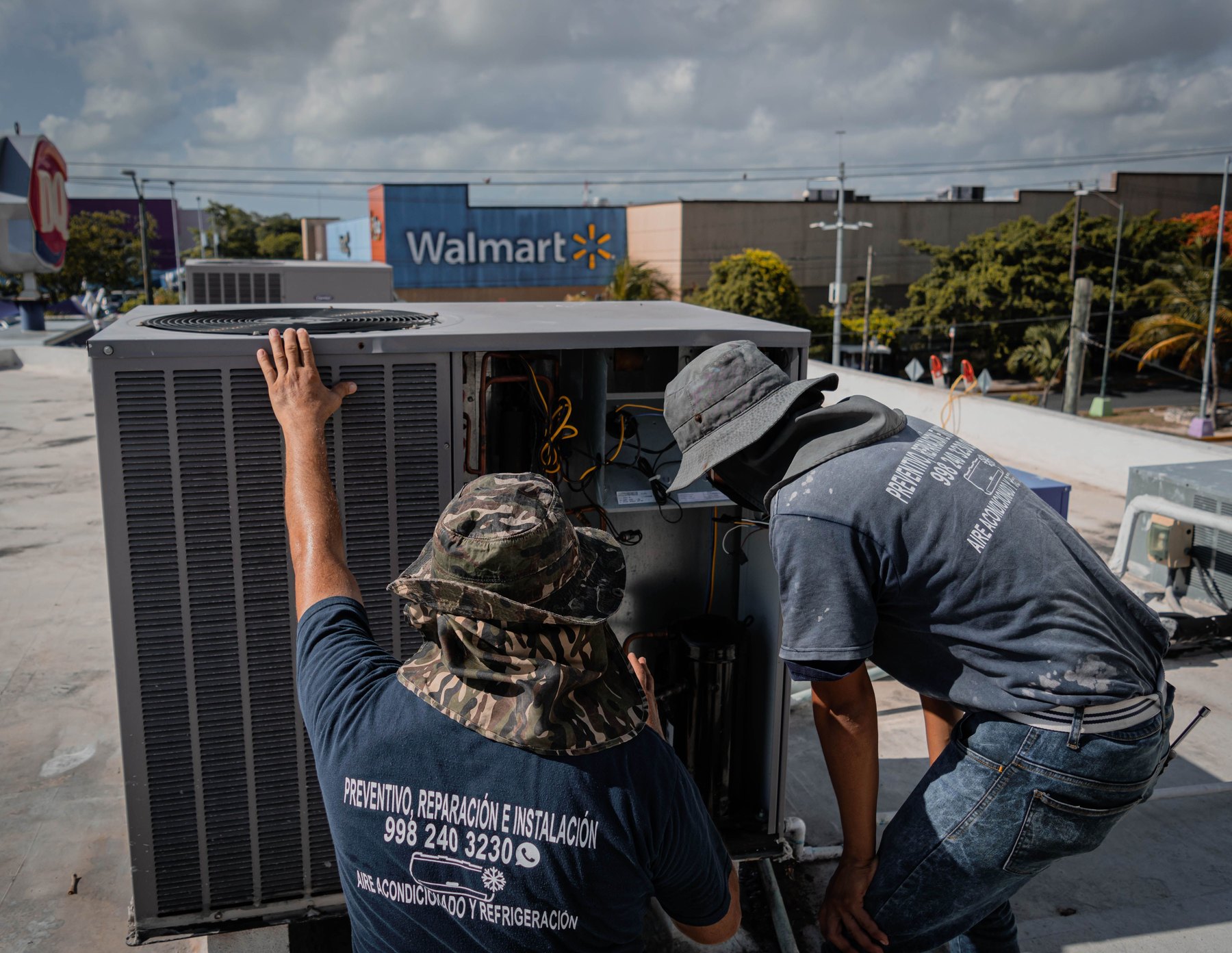
Below are the denial triggers that show up repeatedly across home warranty contracts. Your specific terms matter, so treat these as categories to check against your agreement.
1) The problem is excluded by the contract
Many homeowners assume “appliance is covered” means “every problem is covered.” In reality, contracts often cover certain components but exclude others. Common exclusions include:
- Cosmetic damage (dents, scratches, knobs, trim)
- Non-essential parts (racks, shelves, handles)
- Secondary damage (water damage caused by a failed appliance)
- Items outside the home’s main systems (sprinklers, pools) unless added
How to avoid it: Before you file, locate the exact section for the item and read “covered components” and “not covered.” If the failure is in a gray area, ask the company to confirm in writing what documentation they need to evaluate coverage.
2) Pre-existing condition or “not due to normal wear and tear”
Many contracts exclude problems that existed before coverage started, even if you did not know about them. Companies may also deny claims if they believe the failure was caused by something other than normal wear and tear, such as:
- Improper installation
- Misuse or neglect
- Damage from corrosion, sediment, or pests (depending on the contract)
How to avoid it: When you buy a warranty, save the home inspection report and any seller repair receipts. If something fails soon after coverage begins, those documents can help show the system was functioning at the start date.
3) Lack of maintenance or missing maintenance records
Home warranties often require “proper maintenance.” If you cannot show basic upkeep, the company may argue the failure was preventable. Examples:
- HVAC: missing filter changes, no annual service records
- Water heater: heavy sediment buildup, no periodic flushing where recommended
- Dishwasher: clogged filter, obvious buildup from long-term neglect
How to avoid it: Keep a simple maintenance log and receipts. Even photos can help. If you do your own maintenance, document dates and materials used.
4) You used an unauthorized contractor or started repairs before approval
Many contracts require you to request service first and use the warranty company’s assigned technician. If you hire your own contractor without authorization, the claim may be denied or reimbursed only partially.
How to avoid it: In non-emergency situations, file the claim before anyone touches the system. If it is an emergency (for example, no heat in freezing weather), ask the company what emergency steps are allowed and request written confirmation.
5) The item has code, permit, or modification issues
Even if a part is covered, the job may require code upgrades, permits, or modifications to bring the system up to current standards. Some contracts exclude these costs or cap them.
How to avoid it: Ask for a written breakdown: what is covered (repair or replacement) versus what is not (permits, code upgrades, haul-away, modifications). If your contract offers optional add-ons for code upgrades, evaluate whether that add-on is worth it for your home’s age and systems.
6) Coverage limits, caps, or depreciation rules apply
Denials are not always “no coverage.” Sometimes the company approves part of the claim but denies the rest due to limits. Common limit types:
- Maximum payout per item per contract term
- Maximum payout per claim
- Limited coverage for refrigerant, coils, or specific HVAC components
How to avoid it: Know your caps before a breakdown happens. If your HVAC replacement cap is lower than typical replacement costs in your area, plan for a gap.
7) The failure is considered “secondary damage”
Example: a dishwasher leak damages flooring. The warranty may cover repairing the dishwasher but not the floor. Homeowners insurance might apply to certain sudden water damage events, depending on your policy and cause.
How to avoid it: Separate the claim into (1) appliance/system repair and (2) property damage. For property damage questions, review your homeowners insurance policy and consider contacting your insurer to ask how they handle similar losses.
8) The claim was filed late or the problem was not reported promptly
Some contracts require prompt reporting once you notice a problem. Waiting weeks can create arguments about worsening damage or neglect.
How to avoid it: File as soon as you notice symptoms. If the issue is intermittent, document dates, error codes, and photos or videos.
9) The system is improperly sized, installed, or modified
Warranty companies may deny claims if the system was installed incorrectly, modified without permits, or is not sized appropriately for the home. This comes up often with HVAC and plumbing reconfigurations.
How to avoid it: Keep installation paperwork, permits, and prior service invoices. If you recently bought the home, ask the seller for any receipts and permit records.
10) Access issues or unsafe conditions
If the technician cannot access the unit safely (blocked attic access, aggressive pets, unsafe electrical conditions), service may be delayed or denied until the issue is corrected.
How to avoid it: Ensure clear access, restrain pets, and address obvious hazards before the appointment.
Quick checklist: reduce denial risk before you file
- Find the exact contract section for the item and read covered parts and exclusions.
- Take photos and short videos of symptoms, error codes, leaks, and the serial/model plate.
- Gather maintenance records: receipts, invoices, filter purchases, dated notes.
- Stop using the failing system if continued use could worsen damage.
- File the claim before repairs, unless the company authorizes emergency action.
- Ask for written confirmation of any exceptions (for example, using your own contractor).
What to document: a simple “claim file” that helps
Strong documentation does not guarantee approval, but it can reduce back-and-forth and help you appeal if needed.
| Document or proof | Why it matters | How to get it |
|---|---|---|
| Contract + coverage page | Shows caps, exclusions, and required steps | Download from your account portal or email |
| Model/serial number photo | Confirms the covered unit and age | Photo of data plate on appliance or HVAC unit |
| Maintenance log | Supports “proper maintenance” requirement | Receipts, invoices, or a dated spreadsheet |
| Home inspection report | Helps address pre-existing condition disputes | Your closing documents or inspector portal |
| Photos/videos of symptoms | Captures intermittent issues and damage timing | Phone camera with date stamps if possible |
| All claim communications | Creates a timeline if you need escalation | Save emails, chat transcripts, and call notes |
Comparison: major home warranty companies and what to compare
Terms vary by state, plan level, and add-ons. Use these recognizable companies as starting points for comparison, then verify current coverage limits, service fees, and exclusions in your area.
| Option | Best fit | What to compare | Main drawback to watch |
|---|---|---|---|
| American Home Shield | Homeowners who want multiple plan tiers | HVAC caps, service fee choices, add-ons | Coverage details can vary by plan and location |
| Select Home Warranty | Budget-focused shoppers comparing promos | Exclusions, response times, cancellation terms | Read fine print on what is excluded or capped |
| Choice Home Warranty | People who want broad appliance and system options | Coverage limits, service call fees, contractor network | Limits may be lower than replacement costs for big items |
| First American Home Warranty | Owners of older homes comparing add-ons | Optional coverage for improper installation or modifications, caps | Add-ons can change total cost and still have limits |
| Cinch Home Services | Homeowners who want a straightforward plan comparison | HVAC coverage, exclusions, claim process rules | Availability and terms vary by state |
Decision rules: when a home warranty is more likely to help
Home warranties tend to be most useful when you have older systems, limited repair savings, and you are comfortable following a structured claims process. Use these decision rules to pressure-test whether your expectations match how warranties work.
If your home systems are older
- More likely to help: HVAC, water heater, and appliances are near end of life and you want some cost predictability.
- Higher denial risk: If the system has known issues, was installed incorrectly, or has limited maintenance history.
If you want contractor choice
- More likely to frustrate: Many warranties require their network contractor unless you get approval.
- Better approach: If contractor choice is critical, compare plans that allow you to bring your own technician with prior authorization and clear reimbursement rules.
If you need speed
- Reality check: Warranty timelines can include scheduling delays, parts ordering, and approvals.
- Practical step: Keep a small emergency fund for urgent temporary fixes (portable heater, plumber visit to stop a leak) while the claim is processed.
Real-number scenarios: what “being prepared” can look like
Even with a warranty, you may pay a service fee and some non-covered costs. These sample allocations show how homeowners often plan for the gaps. Adjust amounts to your home size, system age, and local labor costs.
Scenario A: Newer home, low breakdown risk (monthly plan + small repair fund)
- $600 in a “service fees and small parts” fund
- $900 in a home maintenance fund (filters, tune-ups, minor plumbing)
- $1,500 in a home emergency buffer
Total set aside: $3,000
Scenario B: Older HVAC and water heater (bigger gap planning)
- $1,000 for service fees and repeat visits
- $2,500 for non-covered items (permits, code upgrades, modifications)
- $4,500 for replacement gap risk (if caps are below local replacement costs)
Total set aside: $8,000
Scenario C: Tight budget, highest need for predictability (minimum viable buffer)
- $400 for service fees
- $600 for maintenance basics (filters, drain cleaning, small parts)
- $1,000 emergency buffer for urgent stop-the-bleed repairs
Total set aside: $2,000
These numbers are not universal. The point is to plan for the most common out-of-pocket categories: service fees, non-covered upgrades, and any gap between coverage caps and real replacement costs.
Timeline rules for money planning (under 1 year to 7+ years)
If you are deciding how much cash to keep available versus building longer-term savings for replacements, use a simple timeline approach:
- Under 1 year: Prioritize liquid cash for service fees, minor repairs, and urgent temporary fixes. Keep it in a checking or savings account you can access immediately.
- 1 to 3 years: Build a dedicated home repair fund for likely failures (for example, aging dishwasher, garbage disposal, minor plumbing). Consider automating monthly transfers.
- 3 to 7 years: Plan for higher-cost replacements that may exceed warranty caps (HVAC components, water heater, major appliances). Increase contributions if systems are near end of life.
- 7+ years: Think in terms of full system replacement cycles (HVAC, roof-related components not covered by warranty, major plumbing updates). Your best tool is steady saving and periodic inspections.
How to file a claim the “warranty-friendly” way
Small process mistakes can turn into denials. This step-by-step approach helps you stay aligned with typical contract requirements.
Step 1: Stop and document
- Take photos and video of the issue.
- Write down when it started and what changed.
- Capture error codes and thermostat settings if relevant.
Step 2: File the claim before repairs
- Use the portal or phone line listed in your contract.
- Describe symptoms, not your diagnosis. Example: “AC blows warm air and trips breaker” instead of “compressor is dead.”
Step 3: Ask what will be needed to approve coverage
- Maintenance records?
- Proof of prior working condition?
- Photos of the unit location and access?
Step 4: Be present for the service visit if possible
- Ask the technician to explain the cause of failure and what parts are needed.
- Request a written diagnosis and itemized estimate.
Step 5: Review the approval and any out-of-pocket charges
- Confirm what the warranty pays versus what you pay.
- If code upgrades or modifications are excluded, ask for the exact contract language being applied.
If your claim is denied: a practical escalation path
A denial is not always final. If you think the decision does not match the contract terms, take a structured approach.
1) Ask for the denial reason in writing
Request the specific contract section and the evidence used (technician notes, photos, maintenance requirement). Keep all communications in one folder.
2) Compare the denial to your contract language
Look for:
- The exact exclusion being cited
- Whether the exclusion applies to your component or failure type
- Any ambiguity that should be clarified
3) Provide targeted documentation
Send only what supports the disputed point. Examples:
- Maintenance receipts to counter “lack of maintenance”
- Inspection report to counter “pre-existing condition”
- Photos showing no misuse or improper modification
4) Request a re-evaluation or second opinion
Some companies will send a different technician or ask for additional diagnostics. Ask what the next step is and how long it typically takes.
5) Escalate to consumer help channels if needed
If you cannot resolve the issue, you can learn about complaint options and consumer rights through:
- FTC Consumer Advice for guidance on handling disputes and reporting unfair practices.
- Consumer Financial Protection Bureau (CFPB) for general consumer complaint information and financial product education.
Common “gray areas” and how to handle them
Some disputes come down to interpretation. Here are a few frequent gray areas and a practical way to respond.
“Improper installation” versus “normal wear”
- What helps: Installation receipts, permits, or prior service notes showing the system ran normally for years.
- Decision rule: If the company claims improper installation, ask what specific defect caused the failure and whether it is visible in the technician report.
Refrigerant and HVAC limitations
- What helps: Know whether your plan caps refrigerant or excludes certain refrigerants.
- Decision rule: If refrigerant is capped, ask for an itemized estimate showing pounds used and cost per pound so you can see the gap clearly.
Code upgrades and permits
- What helps: A written quote separating covered repair from non-covered compliance work.
- Decision rule: If your home is older, compare plans that offer code upgrade add-ons and check the add-on limit.
Questions to ask before you buy or renew a home warranty
- What are the coverage caps for HVAC, water heater, and major appliances?
- What counts as proper maintenance, and do I need professional records?
- Can I choose my own contractor with authorization?
- Are permits, code upgrades, haul-away, and modifications covered or capped?
- What is the service fee, and does it change by item or time of day?
- What is the cancellation policy and any waiting period?
Bottom line
Most home warranty denials trace back to exclusions, maintenance disputes, pre-existing condition claims, or process mistakes like unauthorized repairs. You can lower the odds of a denial by reading the covered components list, documenting maintenance, filing promptly, and keeping a clean paper trail. If you do get denied, ask for the decision in writing, match it to the contract language, and escalate with targeted documentation.
If you want to strengthen your overall household finances while dealing with repair costs, it can also help to review basic consumer protection resources and budgeting tools. The FTC and CFPB are useful starting points for handling disputes and understanding consumer rights.
Named options worth comparing
Because this topic depends on real providers, it helps to compare recognizable names instead of only reading general advice. The options below are examples to research, not a universal ranking. Check current APY, fees, eligibility, and availability before opening an account or applying.
| Option | Best fit | What to compare | Main drawback |
|---|---|---|---|
| State Farm | Shoppers who want agent support | Coverage options, local service, riders, and pricing | May not be the cheapest online quote |
| MassMutual | Permanent life insurance and long-term planning comparisons | Policy type, riders, financial strength, and premiums | Permanent policies can be complex |
| Northwestern Mutual | People comparing full-service insurance planning | Policy design, fees, riders, and advisor support | Requires careful review of cost |
| Mutual of Omaha | Life and supplemental insurance comparisons | Coverage limits, underwriting, riders, and pricing | Availability varies by product |
| Progressive | Auto and bundled insurance comparison | Discounts, coverage limits, deductibles, and claims experience | Best pricing varies by driver |
| Allianz Travel Insurance | Travel insurance comparison | Trip cancellation, medical limits, exclusions, and claims rules | Plans differ by trip details |


