

How Does Car Insurance Work

How does car insurance work? You pay a premium to an insurance company, and in return the insurer may help pay for covered losses after a crash, theft, or other covered event, based on your policy’s limits, deductibles, and exclusions.
Contents
31 sections
-
The basic idea: risk pooling and a contract
-
How does car insurance work when you buy a policy?
-
Common car insurance coverage types (and what they pay for)
-
Liability coverage
-
Collision coverage
-
Comprehensive coverage
-
Medical payments (MedPay) or personal injury protection (PIP)
-
Uninsured and underinsured motorist coverage
-
Optional add-ons
-
Limits and deductibles: the two numbers that shape your risk
-
How limits work (simple example)
-
How deductibles work (simple example)
-
What happens when you file a car insurance claim?
-
At-fault vs not-at-fault and subrogation
-
Total loss payouts (actual cash value)
-
Real-number examples: what car insurance can cost you in a claim
-
Scenario 1: Fender bender with collision coverage
-
Scenario 2: Hail damage with comprehensive coverage
-
Scenario 3: You cause a serious accident and hit policy limits
-
What affects your car insurance premium?
-
Shopping checklist: what to compare across insurers
-
Named insurer examples to compare (not one-size-fits-all)
-
Decision rules: choosing limits and deductibles with real numbers
-
Rule 1: Pick deductibles you can cover from savings
-
Rule 2: Consider higher liability limits if you have more to protect
-
Rule 3: For older cars, sanity-check collision and comprehensive
-
What to do after an accident: a quick action checklist
-
How car insurance interacts with car loans and leases
-
Common mistakes that can make coverage less useful
-
Helpful resources for complaints and consumer protection
-
Quick summary: how to make car insurance work for you
The basic idea: risk pooling and a contract
Car insurance is a contract between you and an insurer. Many drivers pay premiums into a shared pool. When a covered loss happens, the insurer pays eligible claims from that pool, following the policy rules.
Your policy is built from a few key parts:
- Premium: what you pay (monthly, semiannual, or annual) to keep coverage active.
- Deductible: what you pay out of pocket on certain coverages before the insurer pays.
- Limits: the maximum the insurer will pay for a covered claim.
- Exclusions: situations the policy does not cover.
- Declarations page: the summary of your coverages, limits, deductibles, vehicles, and drivers.
How does car insurance work when you buy a policy?
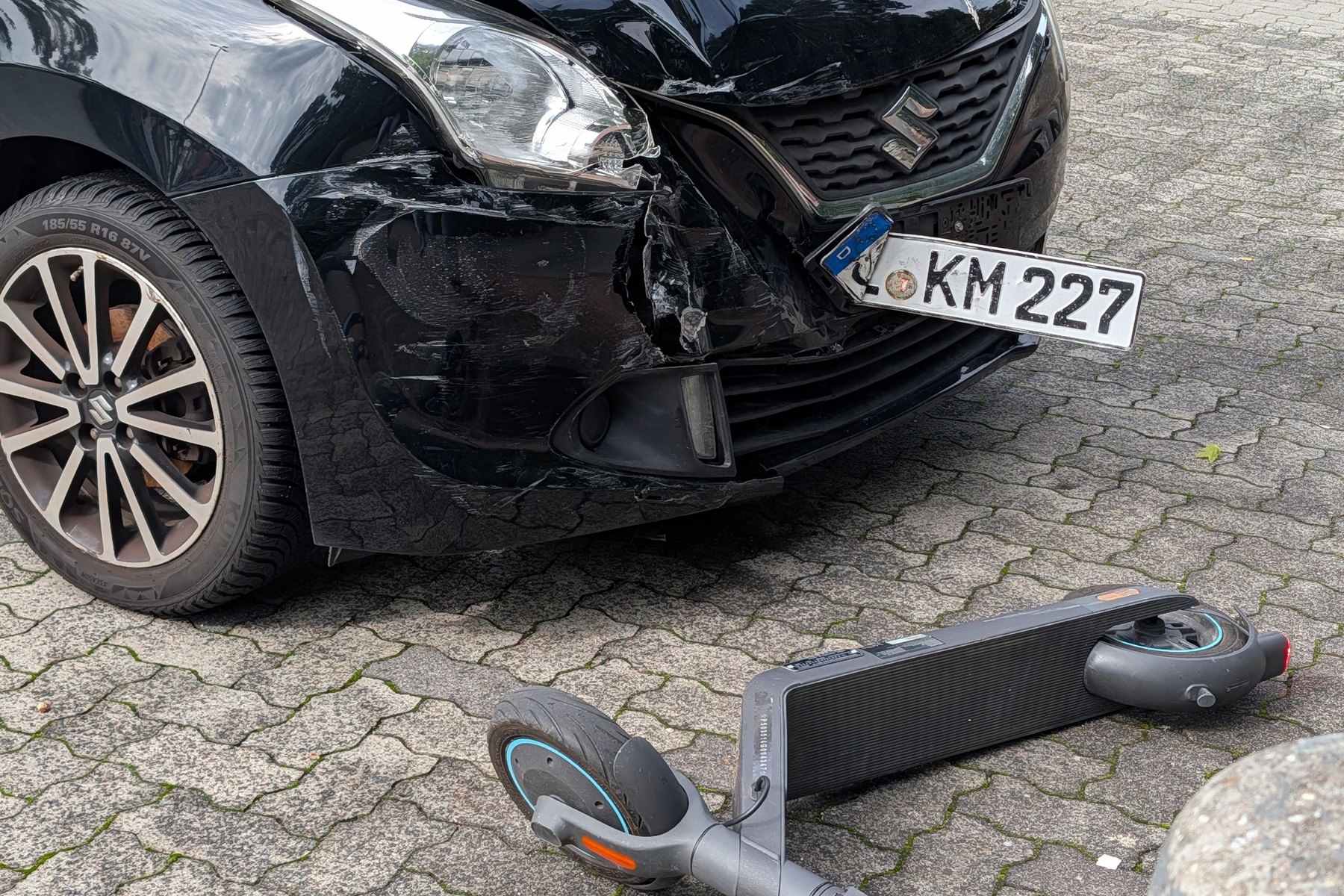
Buying car insurance usually follows a predictable process:
- You request quotes by providing driver and vehicle details.
- You choose coverages (liability, collision, comprehensive, and optional add-ons).
- You pick limits and deductibles that match your budget and risk tolerance.
- The insurer underwrites the risk (they may verify driving history, garaging address, prior insurance, and vehicle details).
- You pay the premium and the policy starts on the effective date.
Many states require at least a minimum amount of liability coverage. If you have a car loan or lease, the lender or leasing company typically requires collision and comprehensive coverage, and may set maximum deductibles.
Common car insurance coverage types (and what they pay for)
Car insurance is not one single coverage. It is a bundle of coverages that can work together.
Liability coverage
Bodily injury liability can help pay for injuries you cause to others. Property damage liability can help pay for damage you cause to someone else’s car or property (like a fence).
Liability generally does not pay to repair your own car after an at-fault crash.
Collision coverage
Collision can help pay to repair or replace your car after a crash with another vehicle or object (like a guardrail), regardless of fault. You usually pay a deductible.
Comprehensive coverage
Comprehensive can help pay for non-collision losses, such as theft, vandalism, hail, fire, or hitting an animal. You usually pay a deductible.
Medical payments (MedPay) or personal injury protection (PIP)
Depending on your state, MedPay or PIP can help pay medical expenses for you and your passengers after an accident. PIP may also cover lost wages or essential services in some states.
Uninsured and underinsured motorist coverage
These coverages can help if you are hit by a driver who has no insurance or not enough insurance. Rules vary by state and policy.
Optional add-ons
- Rental reimbursement: helps pay for a rental car while your car is being repaired for a covered claim.
- Roadside assistance: towing and basic services like jump-starts.
- Gap insurance (often through a lender or insurer): may help cover the difference between what you owe on a loan and the car’s value if it is totaled, depending on terms.
- New car replacement or better car replacement: may pay more than actual cash value in specific situations, if offered.
Limits and deductibles: the two numbers that shape your risk
Limits and deductibles determine how costs are shared between you and the insurer.
How limits work (simple example)
If you cause an accident and the other driver’s medical bills are $60,000, but your bodily injury liability limit per person is $50,000, you could be responsible for the remaining $10,000 (plus other costs), depending on the claim and legal outcome.
How deductibles work (simple example)
If your collision deductible is $1,000 and your repair bill is $3,500, you typically pay $1,000 and the insurer pays $2,500 for a covered collision claim.
| Policy lever | What you choose | What usually happens to premium | Tradeoff to understand |
|---|---|---|---|
| Liability limits | Higher or lower maximum payout | Higher limits often cost more | Lower limits can leave you exposed if damages exceed your coverage |
| Collision deductible | $250, $500, $1,000, etc. | Higher deductible often lowers premium | You need cash available if you file a claim |
| Comprehensive deductible | $250, $500, $1,000, etc. | Higher deductible often lowers premium | Small claims may not be worth filing |
What happens when you file a car insurance claim?
A claim is your request for the insurer to pay for a covered loss. While details vary by company and state, the flow is usually similar:
- Report the incident: through an app, phone, agent, or website. Provide date, location, parties involved, and what happened.
- Document the damage: photos, police report number (if any), witness info, and repair estimates.
- Adjuster review: the insurer investigates coverage, fault, and damages.
- Estimate and settlement: the insurer approves repairs, issues payment, or declares a total loss.
- Payment and repairs: you pay your deductible when applicable, and the insurer pays the rest up to limits.
At-fault vs not-at-fault and subrogation
If another driver caused the crash, their liability insurance may pay. If you use your own collision coverage first, your insurer may later seek reimbursement from the at-fault party’s insurer through subrogation. If they recover money, you may receive your deductible back, depending on state rules and recovery success.
Total loss payouts (actual cash value)
If repair costs exceed a threshold, the insurer may total the car and pay actual cash value (ACV), which is generally the car’s market value right before the loss, minus your deductible (if applicable). ACV is not the same as what you originally paid or what you still owe on a loan.
Real-number examples: what car insurance can cost you in a claim
These simplified scenarios show how deductibles and limits can change your out-of-pocket cost. Actual outcomes depend on fault, state rules, policy language, and the facts of the loss.
Scenario 1: Fender bender with collision coverage
- Repair estimate for your car: $2,800
- Your collision deductible: $500
- Potential result: you pay $500, insurer pays $2,300 (if covered)
Scenario 2: Hail damage with comprehensive coverage
- Damage estimate: $1,200
- Your comprehensive deductible: $1,000
- Potential result: you pay $1,000, insurer pays $200 (if covered). Some drivers decide not to file small claims when the payout is small relative to the deductible.
Scenario 3: You cause a serious accident and hit policy limits
- Other driver’s medical costs: $120,000
- Your bodily injury liability limit per person: $50,000
- Potential result: insurer may pay up to $50,000 for that person’s injuries, and you could be responsible for amounts above your limit, depending on the claim and legal outcome.
What affects your car insurance premium?
Insurers price policies using many factors. Not every factor is used in every state, and rules vary. Common pricing inputs include:
- Driving record: tickets, accidents, claims history.
- Location: theft rates, repair costs, traffic density, weather risks.
- Vehicle: value, safety features, repair costs, theft likelihood.
- Annual mileage and usage: commuting vs pleasure use.
- Driver profile: years of experience, household drivers.
- Coverage choices: limits, deductibles, and add-ons.
- Insurance history: continuous coverage can matter with some insurers.
- Credit-based insurance score (in many states): some states restrict or prohibit its use.
Discounts can vary widely. Examples include multi-policy bundling, safe driver programs, good student discounts, vehicle safety features, low-mileage programs, and paying in full. Always confirm discount rules and whether a telematics program (usage-based insurance) collects driving data you are comfortable sharing.
Shopping checklist: what to compare across insurers
When you compare quotes, try to keep coverage apples-to-apples. A cheaper quote can simply mean lower limits or different deductibles.
| Item to compare | Why it matters | What to look for |
|---|---|---|
| Liability limits | Protects you if you cause injuries or damage | Same limits on every quote so pricing is comparable |
| Collision and comprehensive deductibles | Determines your out-of-pocket cost on many claims | Choose deductibles you could realistically pay on short notice |
| Uninsured/underinsured motorist | Helps if the other driver cannot pay | Check whether it matches your liability limits (where available) |
| Rental and roadside coverage | Convenience costs during repairs or breakdowns | Daily rental limit, max days, towing limits, exclusions |
| Claims experience | Speed and fairness can matter during stressful events | Ask about repair shop options, digital claims tools, and timelines |
| Fees and payment options | Monthly billing fees can add up | Pay-in-full vs monthly cost, late fees, reinstatement rules |
Named insurer examples to compare (not one-size-fits-all)
Different insurers can price the same driver very differently. Here are recognizable options many shoppers compare. Availability, discounts, and coverage features can vary by state, so verify current terms and eligibility.
| Option | Best fit | What to compare | Main drawback |
|---|---|---|---|
| State Farm | Shoppers who want agent support | Coverage options, local service, riders, pricing | May not be the cheapest online quote |
| Progressive | Drivers comparing auto and bundles | Discounts, limits, deductibles, claims process | Best pricing varies by driver |
| GEICO | Drivers who prefer online-first shopping | Total premium for same coverages, fees, discount rules | Less agent-centric experience in some areas |
| Allstate | People who want broad add-on options | Accident forgiveness availability, claim tools, bundling | Price can be higher for some profiles |
| USAA | Eligible military members and families | Coverage features, service model, total cost | Eligibility restrictions |
| Nationwide | Drivers seeking a mix of agent and online options | Discounts, policy features, claims handling | Not available in every state for every product |
Decision rules: choosing limits and deductibles with real numbers
There is no single perfect setup, but you can use practical rules to narrow choices.
Rule 1: Pick deductibles you can cover from savings
If you would struggle to pay a $1,000 deductible tomorrow, a lower deductible may reduce financial stress, even if the premium is higher.
- If you keep $500 in a car repair buffer, a $500 deductible may be more realistic than $1,000.
- If you keep $2,000 to $3,000 available, you may be able to choose a higher deductible to lower premium, depending on the quote difference.
Rule 2: Consider higher liability limits if you have more to protect
Liability claims can be large. If you have savings, a home, or higher income, higher limits may reduce the chance that a serious claim exceeds your coverage. Compare the cost difference between your state minimums and higher limits.
Rule 3: For older cars, sanity-check collision and comprehensive
If your car is worth, for example, $3,000 and you carry collision with a $1,000 deductible, the maximum benefit after a total loss might be limited (ACV minus deductible). That does not automatically mean you should drop coverage, but it is a prompt to compare:
- Car value (ACV estimate)
- Annual cost of collision and comprehensive
- Your ability to replace the car without insurance help
What to do after an accident: a quick action checklist
- Check for injuries and call emergency services if needed.
- Move to a safe location if possible.
- Exchange information: names, contact info, driver’s license, plate numbers, and insurance details.
- Take photos: vehicle positions, damage, road conditions, and any relevant signs.
- Ask about witnesses and get contact info.
- Report the claim promptly and keep notes of who you spoke with and when.
How car insurance interacts with car loans and leases
If you finance or lease a car, your contract often requires:
- Collision and comprehensive until the loan is paid off or the lease ends.
- Deductible limits (for example, the lender may require deductibles no higher than a certain amount).
- Loss payee or lienholder listed on the policy, so the lender is protected if the car is totaled.
If the car is totaled and the payout is less than what you owe, you may still owe the remaining balance. This is where gap coverage can matter, but terms vary, so read the contract carefully.
Common mistakes that can make coverage less useful
- Comparing quotes with different limits, then choosing the cheapest without noticing reduced protection.
- Setting a deductible too high to comfortably pay, leading to financial strain during a claim.
- Letting coverage lapse, which can create driving risk and may increase future premiums with some insurers.
- Not listing household drivers correctly, which can cause claim complications.
- Assuming personal auto covers business use (like deliveries). If you drive for work, ask about the right coverage.
Helpful resources for complaints and consumer protection
If you have a dispute about a claim or policy handling, you can start with your insurer’s claims department and then consider your state insurance department. These federal resources can also help you understand consumer rights and common pitfalls:
Quick summary: how to make car insurance work for you
- Build your policy around the risks you cannot easily pay out of pocket, especially liability.
- Choose deductibles that match your emergency cash, not just the lowest premium.
- Compare quotes using the same limits and deductibles, then evaluate service and claims support.
- Re-shop periodically or after major life changes like moving, buying a new car, or adding a teen driver.
If you want a practical next step, pull your declarations page, write down your limits and deductibles, then request a few apples-to-apples quotes to see what changes in price when you adjust one lever at a time.


