

How to Buy Pet Insurance

Knowing how to buy pet insurance starts with one simple goal: protect your budget from surprise vet bills while choosing coverage that matches your pet’s needs.
Contents
24 sections
-
What pet insurance is (and what it usually is not)
-
How to buy pet insurance step by step
-
Step 1: Decide what problem you are solving
-
Step 2: Gather your pet's details and vet history
-
Step 3: Compare the four core levers that change your cost
-
Step 4: Check waiting periods and pre-existing condition rules
-
Step 5: Compare how claims are paid and what counts as "covered"
-
Step 6: Decide whether a wellness add-on is worth it
-
Step 7: Get quotes from multiple insurers and compare apples to apples
-
Pet insurance companies to compare (named examples)
-
What pet insurance would look like with real numbers
-
Example 1: Emergency bill with an annual deductible
-
Example 2: Multiple smaller claims in one year
-
Example 3: Budgeting with a "premium plus pet fund" approach
-
Key questions to ask before you enroll
-
Common mistakes when buying pet insurance
-
Buying after symptoms appear
-
Choosing the lowest premium without checking limits
-
Assuming wellness add-ons are always a good deal
-
Not planning for upfront payment
-
How to fit pet insurance into your overall budget
-
Decision rules by timeline
-
How to shop safely online and avoid scams
-
Quick buying checklist
What pet insurance is (and what it usually is not)
Pet insurance is typically a reimbursement plan. You pay the vet, submit a claim, and the insurer reimburses you based on your policy’s rules. Most plans are for cats and dogs, though some companies offer coverage for other pets.
What many plans often cover (depending on the policy):
- Accidents (broken bones, swallowed objects, injuries)
- Illnesses (infections, allergies, chronic conditions)
- Diagnostics (bloodwork, imaging) tied to a covered condition
- Emergency care and hospitalization
- Some prescriptions
What many plans often do not cover (or cover only with add-ons):
- Pre-existing conditions (anything noted before the policy starts or during waiting periods)
- Routine wellness (vaccines, annual exams) unless you buy a wellness add-on
- Dental cleanings and some dental disease unless specified
- Breeding, pregnancy, elective procedures
- Grooming and non-medical services
Because terms vary, the best way to avoid surprises is to read the “exclusions” section and the definitions for “pre-existing,” “curable,” “chronic,” and “hereditary.”
How to buy pet insurance step by step
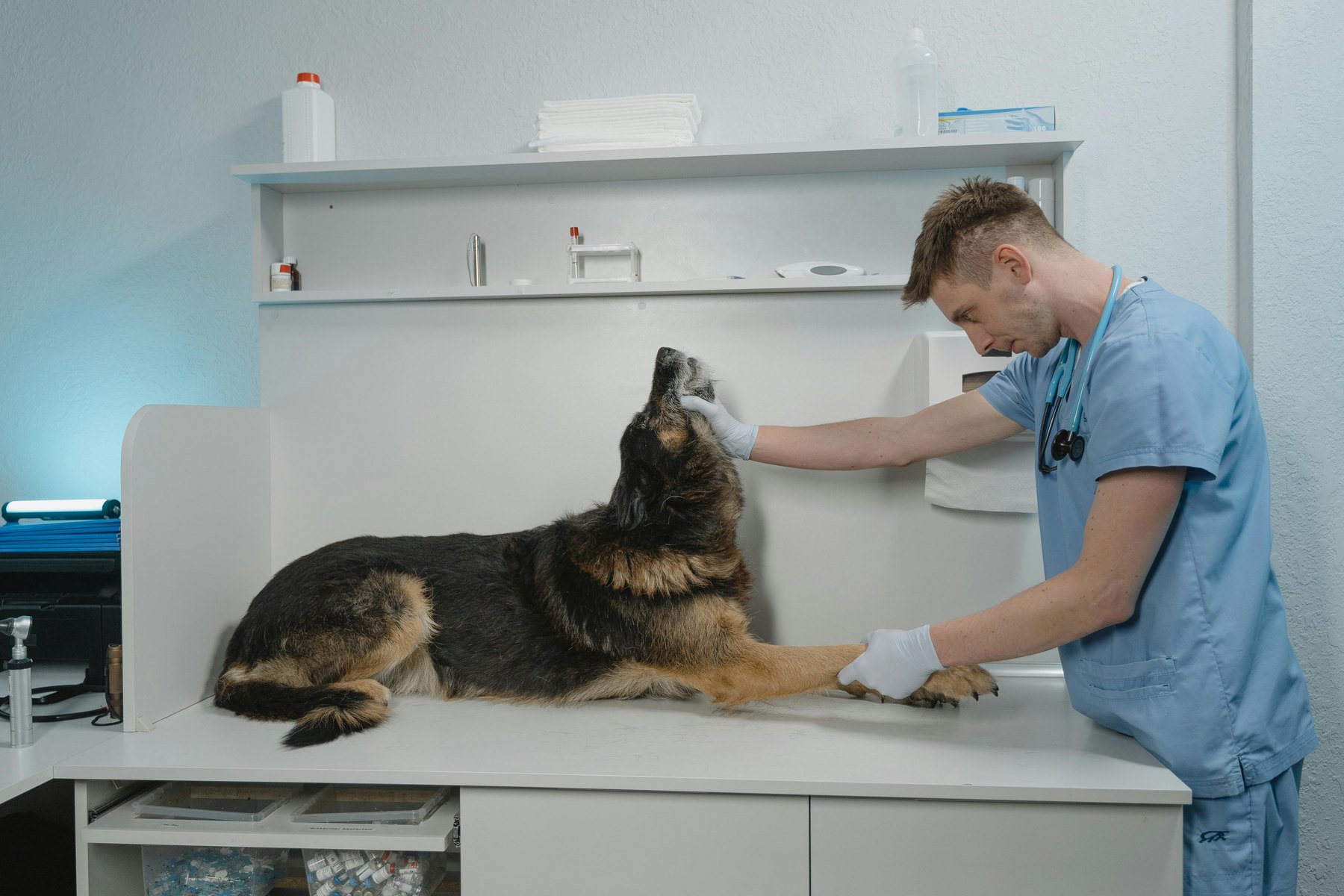
Use this process to compare plans without getting lost in marketing language.
Step 1: Decide what problem you are solving
Most households buy pet insurance for one of these reasons:
- Catastrophe protection: You want help if a $3,000 to $10,000 emergency happens.
- Chronic condition protection: You want help if your pet develops ongoing issues like allergies, diabetes, or arthritis.
- Predictable budgeting: You prefer a monthly premium over irregular large bills, even if you still pay some costs out of pocket.
Decision rule: If you mainly want catastrophe protection, prioritize a higher annual limit (or no limit) and a deductible you can afford on short notice.
Step 2: Gather your pet’s details and vet history
Quotes usually depend on:
- Species (cat or dog)
- Breed
- Age
- ZIP code
- Any prior diagnoses in medical records
Some insurers require a recent exam or medical records. If your pet has not had a checkup recently, schedule one so you have clean documentation and can address issues early.
Step 3: Compare the four core levers that change your cost
Most pet insurance pricing and value comes down to these variables:
- Deductible: What you pay before reimbursements begin. Can be annual or per-condition.
- Reimbursement rate: Commonly 70%, 80%, or 90% of covered costs after deductible.
- Annual (or lifetime) limit: Maximum the plan pays in a policy period.
- Coverage type: Accident-only vs accident and illness vs accident and illness plus wellness add-on.
| Plan lever | Higher setting usually means | Lower setting usually means | Good fit when |
|---|---|---|---|
| Deductible | Lower out-of-pocket before claims pay, higher premium | More out-of-pocket, lower premium | You want predictable costs and can pay a higher monthly premium |
| Reimbursement rate | More paid back per claim, higher premium | Less paid back, lower premium | You want more protection on big bills |
| Annual limit | Better protection in a high-cost year, higher premium | Lower premium, more risk if costs exceed limit | You want catastrophe coverage without worrying about caps |
| Coverage type | More conditions and services covered, higher premium | Fewer covered events, lower premium | You mainly want accident-only for emergencies on a tight budget |
Step 4: Check waiting periods and pre-existing condition rules
Most plans have waiting periods, such as a few days for accidents and longer for illnesses. Some also have special waiting periods for orthopedic issues (like cruciate ligament injuries), especially for certain breeds.
Checklist questions to ask each insurer:
- How long are the waiting periods for accidents and illnesses?
- Is there an extended waiting period for orthopedic conditions?
- How do you define a pre-existing condition?
- Do you treat some conditions as “curable” after a symptom-free period?
Step 5: Compare how claims are paid and what counts as “covered”
Two plans can look similar but reimburse differently because of how they calculate “eligible expenses.” Some reimburse based on your actual vet bill, while others may use a benefit schedule or usual-and-customary limits.
Look for these details:
- Do they reimburse based on the invoice or a schedule?
- Are exam fees, diagnostics, and prescriptions included for covered conditions?
- Are specialist and emergency clinic fees treated differently?
- Do they cover alternative therapies (rehab, acupuncture) if prescribed?
Step 6: Decide whether a wellness add-on is worth it
Wellness coverage (sometimes called preventive care) can help with routine costs like vaccines, flea and tick prevention, and annual exams. These add-ons often work like a set allowance rather than true insurance for unpredictable events.
Decision rule: If you already budget for routine care and mainly want protection from big bills, you may prefer skipping wellness and putting that extra premium into a “pet sinking fund.”
Step 7: Get quotes from multiple insurers and compare apples to apples
When you compare quotes, keep the deductible, reimbursement rate, and annual limit the same across companies so you can see real price differences. Then adjust settings to hit a monthly premium you can live with.
Pet insurance companies to compare (named examples)
Here are recognizable pet insurance options people commonly compare. Availability, pricing, and plan details can change, so verify current terms and your state’s availability before enrolling.
| Option | Best fit | What to compare | Main drawback to watch |
|---|---|---|---|
| Trupanion | Owners who want straightforward accident and illness coverage | Deductible type, reimbursement method, any vet-direct pay features | Premiums can be higher depending on pet and location |
| Healthy Paws | People focused on accident and illness coverage | Annual limits, reimbursement options, exclusions | Plan design may not include wellness without separate options |
| Embrace | Shoppers who want flexible deductibles and add-ons | Wellness add-on structure, dental coverage details, waiting periods | Add-ons can increase total cost quickly |
| ASPCA Pet Health Insurance | Owners comparing broad plan options | Coverage limits, deductibles, reimbursement, claim rules | Coverage details vary by plan and state |
| Nationwide Pet Insurance | People who want to compare multiple plan types | Reimbursement method, benefit schedules vs invoice-based plans | Some plans may reimburse based on schedules, which can affect payouts |
| Pets Best | Budget-focused shoppers who still want accident and illness coverage | Claim processing, coverage caps, optional wellness | Lower premiums can come with higher deductibles or lower reimbursements |
What pet insurance would look like with real numbers
Because premiums and reimbursements vary by pet, breed, age, and location, use these examples to understand the math. Replace the numbers with your quote and your vet’s typical costs.
Example 1: Emergency bill with an annual deductible
Scenario: Your dog swallows a toy and needs emergency surgery. Total eligible vet bill: $4,000.
- Annual deductible: $500
- Reimbursement rate: 80%
- Annual limit: high enough not to matter in this case
Estimate:
- You pay: $4,000 at the vet
- Deductible: $500 (not reimbursed)
- Remaining eligible: $3,500
- Reimbursement at 80%: $2,800
- Your net cost (before premiums): $1,200
Example 2: Multiple smaller claims in one year
Scenario: Your cat has three illness visits in a year. Eligible costs: $350, $450, and $600 (total $1,400).
- Annual deductible: $250
- Reimbursement rate: 90%
Estimate:
- Deductible: $250
- Remaining eligible: $1,150
- Reimbursement at 90%: $1,035
- Your net cost (before premiums): $365
Example 3: Budgeting with a “premium plus pet fund” approach
Some households pair insurance with a dedicated savings buffer so they can pay the vet upfront and handle deductibles and exclusions.
Here are three sample monthly allocations that add up cleanly:
- Lean protection: $25/month premium + $25/month pet fund = $50/month total
- Balanced: $45/month premium + $35/month pet fund = $80/month total
- Higher protection: $70/month premium + $50/month pet fund = $120/month total
Decision rule: If paying a $250 to $1,000 deductible would be stressful, prioritize building the pet fund even if you choose a lower premium plan.
Key questions to ask before you enroll
Use this checklist while reviewing policy documents and sample claims.
| Question | Why it matters | What to look for in the policy |
|---|---|---|
| Is the deductible annual or per-condition? | Changes how much you pay in a year with multiple issues | Clear definition and examples of how it resets |
| How are reimbursements calculated? | Invoice-based vs schedule-based can change payouts | “Eligible expenses” definition and any fee schedules |
| What counts as pre-existing? | Common reason claims are denied | Definitions for pre-existing, curable, chronic, bilateral |
| Are exam fees and diagnostics covered? | These can be a big part of total cost | Coverage list for office visits, imaging, lab work |
| Are hereditary and congenital conditions covered? | Some breeds have higher risk of certain issues | Explicit inclusion or exclusion language |
| What are the annual limits and sub-limits? | Caps can matter in a high-cost year | Annual maximums and any condition-based caps |
| How do renewals and premium changes work? | Costs can rise as pets age | Renewal terms and factors affecting premium adjustments |
Common mistakes when buying pet insurance
Buying after symptoms appear
If your pet already has documented symptoms, that issue may be considered pre-existing. Buying earlier can give you more options and fewer surprises.
Choosing the lowest premium without checking limits
A low premium can come with a low annual cap, a high deductible, or a reimbursement method that pays less than expected. Always check the annual limit and how “eligible expenses” are defined.
Assuming wellness add-ons are always a good deal
Wellness can be convenient, but it may not save money if the allowance is close to the extra premium. Compare the add-on cost to what you realistically spend each year.
Not planning for upfront payment
Many vets require payment at the time of service. Even with insurance, you may need a cash buffer, a credit card, or a payment plan to cover the bill before reimbursement.
How to fit pet insurance into your overall budget
Pet insurance is one part of a broader “risk plan” for your household. A practical approach is to decide how much volatility you can handle, then choose the mix of premium and savings that keeps you stable.
Decision rules by timeline
- Under 1 year: Prioritize cash flow and a starter pet fund. If you buy insurance, choose a deductible you can pay immediately.
- 1 to 3 years: Build a dedicated vet buffer (often $500 to $2,000 depending on your pet and comfort level) while keeping coverage for big events.
- 3 to 7 years: Reassess coverage as your pet ages. Compare whether higher premiums still fit your budget and whether limits remain adequate.
- 7+ years: Expect higher premiums and potentially higher medical needs. Focus on clarity around chronic conditions, renewals, and exclusions.
How to shop safely online and avoid scams
When you buy a policy online, stick to basic consumer protections:
- Use secure checkout pages and save copies of the policy documents and your quote.
- Review billing terms, cancellation rules, and how to file claims.
- Watch for lookalike websites and high-pressure sales tactics.
For general guidance on avoiding scams and deceptive marketing, you can review resources from the FTC and consumer protection information from the CFPB.
Quick buying checklist
- Pick coverage type: accident-only or accident and illness (plus optional wellness).
- Set a deductible you can pay without stress.
- Choose a reimbursement rate and annual limit that match your risk tolerance.
- Read exclusions and pre-existing condition definitions.
- Confirm waiting periods, especially orthopedic rules.
- Compare at least three quotes with the same settings.
- Keep a pet fund for deductibles, non-covered items, and upfront vet payments.
If you want to strengthen your overall financial safety net while adding pet insurance, it can also help to review broader money management basics like budgeting and building an emergency fund. The FDIC has consumer resources on banking and savings that can support that plan.


