

Insurance for E Bikes, Mopeds, and Scooters: Costs, Coverage, and How to Choose

Insurance for e bikes can be simple or surprisingly confusing, because the right policy depends on how fast your ride goes, where you use it, and how your state classifies it.
Contents
30 sections
-
How e bikes, mopeds, and scooters are classified (and why it matters)
-
E-bike classes (common framework)
-
Mopeds and motor scooters
-
Insurance for e bikes: when you need it and when you might still want it
-
Situations where insurance is commonly required
-
Situations where insurance is optional but often worth pricing out
-
What e-bike and scooter insurance can cover
-
Liability coverage
-
Collision and comprehensive (physical damage)
-
Uninsured or underinsured motorist (where available)
-
Medical payments or personal injury protection (where available)
-
Accessory coverage
-
Roadside or transport coverage
-
Common exclusions and fine print to watch
-
Named insurance options to compare (real providers)
-
Typical cost drivers (and how to lower premiums without underinsuring)
-
Ways to reduce cost while keeping protection
-
Quick decision rules: what coverage to consider by your situation
-
What this looks like with real numbers: budgets and coverage choices
-
Scenario 1: $1,200 commuter e-bike, indoor storage
-
Scenario 2: $3,500 cargo e-bike, street parking at work
-
Scenario 3: 150cc scooter, registered and financed
-
How to shop and compare policies step by step
-
1) Gather the details insurers will ask for
-
2) Compare apples to apples
-
3) Check how claims work
-
Borrowing to buy an e-bike or scooter: how insurance affects the true cost
-
Fraud, complaints, and how to protect yourself when buying insurance
-
Checklist: choose the right policy in 10 minutes
-
Helpful official resources
This guide breaks down how insurance works for e-bikes, mopeds, and scooters, what coverage types actually do, when insurance is required, and how to compare providers without overpaying. You will also see real-number examples so you can estimate a budget and decide what to insure and what to self-insure.
How e bikes, mopeds, and scooters are classified (and why it matters)
Insurance requirements usually follow the legal classification of the vehicle. The classification affects whether you need registration, a license, and liability insurance.
E-bike classes (common framework)
- Class 1: Pedal-assist only, typically up to 20 mph.
- Class 2: Throttle capable, typically up to 20 mph.
- Class 3: Pedal-assist up to 28 mph, often with extra rules (helmet, age limits, road restrictions).
Many places treat Class 1 and Class 2 e-bikes more like bicycles, meaning no mandatory auto-style liability insurance. Class 3 rules vary more and can affect where you can ride and how insurers view the risk.
Mopeds and motor scooters
Mopeds and scooters are more likely to be treated like motor vehicles. If your ride has a motor above a certain power threshold, can exceed certain speeds, or is gas-powered, you may need:
- Registration and a plate
- A driver license or motorcycle endorsement (varies)
- Minimum liability insurance
Because rules vary by state and city, confirm your local requirements through your state DMV or transportation agency before you assume you are covered or exempt.
Insurance for e bikes: when you need it and when you might still want it
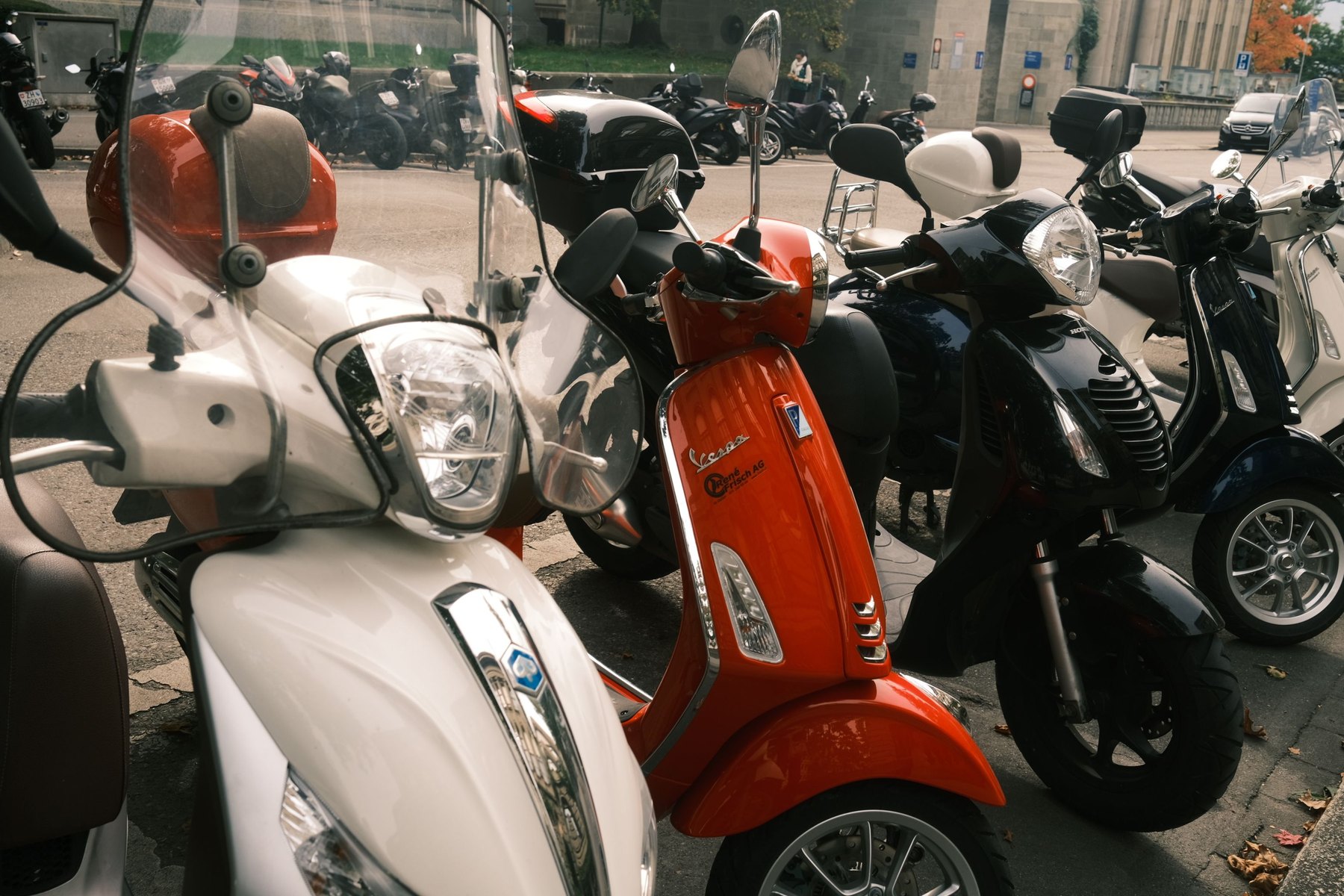
Even when it is not required by law, insurance can be a practical tool for protecting your budget from two big risks: liability (injuring someone or damaging property) and theft or damage to the bike itself.
Situations where insurance is commonly required
- Mopeds and motor scooters: Many states require liability coverage if the vehicle must be registered.
- Financed purchases: A lender may require certain coverage to protect collateral, similar to auto loans. Requirements differ by lender and product.
- Delivery and commercial use: Some personal policies exclude business use. If you use your ride for gig work, you may need a policy that allows it.
- Building or campus rules: Some property managers require proof of coverage for storage or parking access.
Situations where insurance is optional but often worth pricing out
- You park outside regularly or live in a high-theft area.
- Your e-bike is expensive to replace (often true for cargo and commuter models).
- You ride in traffic daily and want liability protection beyond what you already have.
- You travel with the bike and worry about damage in transit.
What e-bike and scooter insurance can cover
Coverage names vary by insurer, but most policies map to a few core protections. The key is to match coverage to your real risks and your ability to pay out of pocket.
Liability coverage
Helps pay if you are found responsible for injuries or property damage. For mopeds and scooters that are registered, liability is often the required minimum. For e-bikes, liability may be available through a specialty policy or sometimes through personal liability coverage you already have, depending on the situation and policy terms.
Collision and comprehensive (physical damage)
- Collision: Damage from a crash, regardless of fault (subject to deductible).
- Comprehensive: Non-crash losses like theft, vandalism, or fire (subject to deductible).
Uninsured or underinsured motorist (where available)
Can help if a driver hits you and lacks enough insurance. Availability and details vary widely, especially for e-bikes.
Medical payments or personal injury protection (where available)
May help with medical bills after a crash. Some riders rely on health insurance for this, but deductibles and out-of-pocket maximums can still be large.
Accessory coverage
Cargo racks, child seats, upgraded batteries, lights, and locks can add up. Some policies include a small amount automatically, while others require you to schedule accessories.
Roadside or transport coverage
Some policies offer towing or transport if your scooter breaks down. For e-bikes, this is less common but may exist through specialty providers.
Common exclusions and fine print to watch
Two policies with the same premium can behave very differently when you file a claim. Look for these common gotchas:
- Battery coverage limits: Some policies cap battery reimbursement or require proof of purchase.
- Unlocked theft exclusions: Theft may require forced entry or a specific lock type. Keep receipts and photos.
- Commercial use exclusions: Delivery, rentals, or paid courier work may be excluded.
- Speed or class restrictions: A policy may exclude higher-speed e-bikes or modified bikes.
- Off-road use: Trail riding or private property use may be treated differently.
- Wear and tear: Maintenance issues are not insurance events.
Named insurance options to compare (real providers)
Availability and eligibility vary by state and vehicle type, but these are recognizable options people often compare for e-bikes, mopeds, and scooters. Use them as a starting list, then check whether your specific ride qualifies.
| Option | Best fit | What to compare | Main drawback |
|---|---|---|---|
| Markel | Mopeds and scooters needing motorcycle-style coverage | Liability limits, comp and collision deductibles, accessory coverage | May not be a fit for low-speed e-bikes that are treated like bicycles |
| Progressive | Scooters and mopeds, bundling with auto | Discounts, coverage for custom parts, claims process | Eligibility depends on vehicle classification and state rules |
| GEICO (motorcycle/scooter) | Registered scooters and mopeds | Minimum required liability, optional comp and collision, towing | Not designed for every e-bike class |
| State Farm | Some scooters and mopeds, plus bundling with home or renters | How the agent classifies your ride, accessory coverage, deductibles | Coverage approach can vary by state and underwriting |
| Allstate | Scooters and some small motorcycles, bundling | Liability limits, comp and collision, discounts | May not offer a straightforward e-bike product in all areas |
| Lemonade (renters/homeowners) | People seeking theft coverage through personal property (where eligible) | Sub-limits for bikes, deductible, off-premises coverage | May not cover liability from riding and may limit certain motorized vehicles |
Tip: If you already have auto, renters, or homeowners insurance, ask how your current policy treats e-bikes and motorized scooters. Some insurers treat certain e-bikes like bicycles for personal property theft, while excluding motorized liability. Get the answer in writing or in the policy language, not just verbally.
Typical cost drivers (and how to lower premiums without underinsuring)
Insurers price risk. For e-bikes, mopeds, and scooters, these factors often matter:
- Vehicle value: Higher replacement cost usually increases comprehensive and collision premiums.
- Top speed and power: Faster rides generally cost more to insure.
- Where you park: Street parking and high-theft ZIP codes can raise costs.
- Deductible: Higher deductibles can lower premiums, but increase out-of-pocket cost at claim time.
- Riding frequency: Daily commuting can be viewed differently than occasional recreation.
- Claims and driving history: For motorcycle-style policies, your record can matter.
Ways to reduce cost while keeping protection
- Choose deductibles you can actually pay: A low premium is not helpful if a $1,000 deductible would derail your budget.
- Insure the big risks: Many riders prioritize liability and theft over collision on older, low-value rides.
- Bundle where it makes sense: Some insurers offer multi-policy discounts, but compare the total cost, not just the discount.
- Use strong theft prevention: A quality lock, secure storage, and documented serial numbers can reduce losses even if it does not reduce premiums.
Quick decision rules: what coverage to consider by your situation
Use these rules of thumb to narrow your options, then confirm what is available for your exact vehicle class.
| Your situation | Coverage to prioritize | Coverage you might skip | Why |
|---|---|---|---|
| High-value e-bike ($2,000+), parked outside often | Theft (comprehensive), accessory coverage | Collision (if you can self-insure minor damage) | Theft is a common large loss; collision claims may be smaller and more frequent |
| Registered scooter used for commuting in traffic | Liability above minimums, uninsured motorist (if offered) | Comprehensive on an older scooter (case-by-case) | Injury and property damage can be financially severe |
| Low-value used e-bike ($500 to $1,000) stored indoors | Liability options (if available), personal property review | Physical damage coverage with high premium | Premiums can approach the replacement value over time |
| Gig delivery or business use | Policy that explicitly allows commercial use | Relying on a personal policy that excludes business use | Exclusions can leave you paying out of pocket after a claim |
What this looks like with real numbers: budgets and coverage choices
Scenario 1: $1,200 commuter e-bike, indoor storage
- Bike value: $1,200
- Accessories: $200 (lights, rack)
- Risk profile: moderate traffic, low theft exposure
Sample annual protection budget: $180
- $0 to $60: review renters/homeowners personal property limits and deductible impact
- $120 to $180: consider a standalone bike policy if theft coverage is weak or deductible is high
Decision rule: if your renters deductible is $1,000 and your bike is $1,200, a theft claim may not help much. A dedicated policy with a lower deductible could be worth pricing.
Scenario 2: $3,500 cargo e-bike, street parking at work
- Bike value: $3,500
- Accessories: $600 (child seat, upgraded lock, cargo bags)
- Risk profile: high theft exposure, heavy use
Sample annual protection budget: $420
- $250 to $350: theft and damage coverage with a deductible you can pay
- $70 to $170: optional liability coverage if available and not already covered elsewhere
Decision rule: if replacing the bike would require a credit card balance or a loan you would rather avoid, insuring theft and major damage can stabilize your budget.
Scenario 3: 150cc scooter, registered and financed
- Scooter value: $2,800
- Loan payment: $95 per month
- Risk profile: traffic commuting, lender may require comp and collision
Sample monthly transportation protection budget: $165
- $95: loan payment
- $50 to $70: insurance premium (liability plus any required physical damage coverage)
Decision rule: if the lender requires comp and collision, compare deductibles and confirm whether accessories and theft are included. A low premium with exclusions can be costly later.
How to shop and compare policies step by step
1) Gather the details insurers will ask for
| Item | Why it matters | Where to find it |
|---|---|---|
| Make, model, year | Determines eligibility and pricing | Receipt, manufacturer website |
| Serial number or VIN | Needed for theft claims and registration (if applicable) | Frame label, paperwork |
| Top speed and class | Classification affects whether it is treated like a bicycle or motor vehicle | Manual, manufacturer specs |
| Purchase price and accessories | Sets coverage amounts and replacement valuation | Receipts, photos |
| Storage and parking | Impacts theft risk and underwriting | Your routine |
2) Compare apples to apples
- Match liability limits across quotes.
- Match deductibles across quotes.
- Confirm replacement cost vs actual cash value for theft and total loss.
- Ask about accessories and battery coverage.
- Confirm where you are covered (home, away from home, locked storage requirements).
3) Check how claims work
- What documentation is required for theft?
- Do you need a police report?
- Are there preferred repair shops or reimbursement limits?
Borrowing to buy an e-bike or scooter: how insurance affects the true cost
If you finance a scooter or take a personal loan to buy an e-bike, insurance becomes part of your monthly cash flow. Before you commit, estimate the all-in monthly cost:
- Monthly payment (loan or financing)
- Insurance premium (required or chosen)
- Maintenance (tires, brakes, battery wear)
- Security (lock, tracking device, secure storage)
Decision rule: if adding insurance pushes the total monthly cost above what you would pay for your next-best transportation option, consider buying used, increasing your down payment, or choosing a lower-cost model.
Fraud, complaints, and how to protect yourself when buying insurance
- Be cautious of ads that promise unusually low prices without showing coverage details.
- Read the declarations page and exclusions before paying.
- Keep photos, serial numbers, and receipts in cloud storage.
For broader consumer protection and complaint resources, you can review guidance from the FTC and the CFPB.
Checklist: choose the right policy in 10 minutes
- Confirm your vehicle classification and whether liability insurance is required.
- Write down replacement cost for the bike or scooter and accessories.
- Pick a deductible you can pay within a week without missing bills.
- Choose liability limits that match your risk exposure (traffic commuting usually means higher exposure).
- Verify theft requirements (lock type, storage rules, proof needed).
- Confirm whether business use is allowed if you deliver or courier.
- Compare at least three quotes with the same limits and deductibles.
Helpful official resources
- State motor vehicle services directory to find your DMV and local rules.
- Federal Trade Commission consumer guidance for avoiding scams and understanding consumer rights.
- Consumer Financial Protection Bureau for help with financial products and complaint tools.
Once you know whether your ride is treated like a bicycle or a motor vehicle, insurance shopping gets much easier. Start with your biggest risk (liability, theft, or both), set a deductible you can afford, and compare policies line by line so the coverage matches how you actually ride and park.


