

Gold and Silver Prices Are Rising: How to Protect Jewelry With Insurance

Jewelry insurance becomes more important when gold and silver prices are rising, because the cost to repair or replace a ring, necklace, or watch can jump faster than many people update their coverage.
Contents
29 sections
-
Why rising gold and silver prices change the insurance math
-
Jewelry insurance basics: what it covers and what it may not
-
Commonly covered events
-
Common exclusions and friction points
-
Replacement cost vs cash payout
-
Jewelry insurance options to compare (with named examples)
-
How to set the right insured value when prices move
-
Step 1: Identify the value type your policy uses
-
Step 2: Refresh documentation on a schedule
-
Step 3: Use a "coverage gap" check
-
Homeowners or renters policy vs standalone jewelry policy
-
Scheduling jewelry on homeowners or renters insurance
-
Standalone jewelry insurance
-
What jewelry insurance can cost and how to shop without overpaying
-
Quote checklist: questions to ask
-
Real-number examples: what coverage decisions look like
-
Scenario 1: Single ring, moderate budget
-
Scenario 2: Small collection with travel risk
-
Scenario 3: High-value heirloom and a luxury watch
-
Timeline decision rules: when to insure, update, or self-fund
-
Under 1 year
-
1 to 3 years
-
3 to 7 years
-
7+ years
-
How to document jewelry for a smoother claim
-
Reducing loss risk without relying only on insurance
-
Common mistakes when gold and silver prices are rising
-
Where to get help if you have a dispute or need consumer guidance
-
Action plan: update your coverage in 60 minutes
If you bought a piece years ago, the “replacement cost” today may be far higher than the receipt you still have in a drawer. That gap can matter after a loss, theft, or damage claim. This guide explains how jewelry coverage typically works, what to document, how to set a realistic insured value, and how to compare insurers and policy types without overpaying for protection you do not need.
Why rising gold and silver prices change the insurance math
Most people think of jewelry value as the original purchase price. Insurance claims, however, often depend on what it costs today to repair or replace the item with something of like kind and quality. When precious metal prices rise, several costs can move at once:
- Metal value – gold and silver content can push up the base cost of a piece.
- Labor – bench jeweler labor and specialized craftsmanship can rise over time.
- Stones and settings – even if the metal is the headline, diamonds and colored stones can have their own market swings.
- Retail replacement – replacing through a jeweler can cost more than a private sale value.
A common problem: you insure a ring for $5,000 based on an old appraisal, but a comparable replacement now costs $7,500. If your policy limit is $5,000, you may have to cover the difference out of pocket, depending on how the policy settles claims.
Jewelry insurance basics: what it covers and what it may not
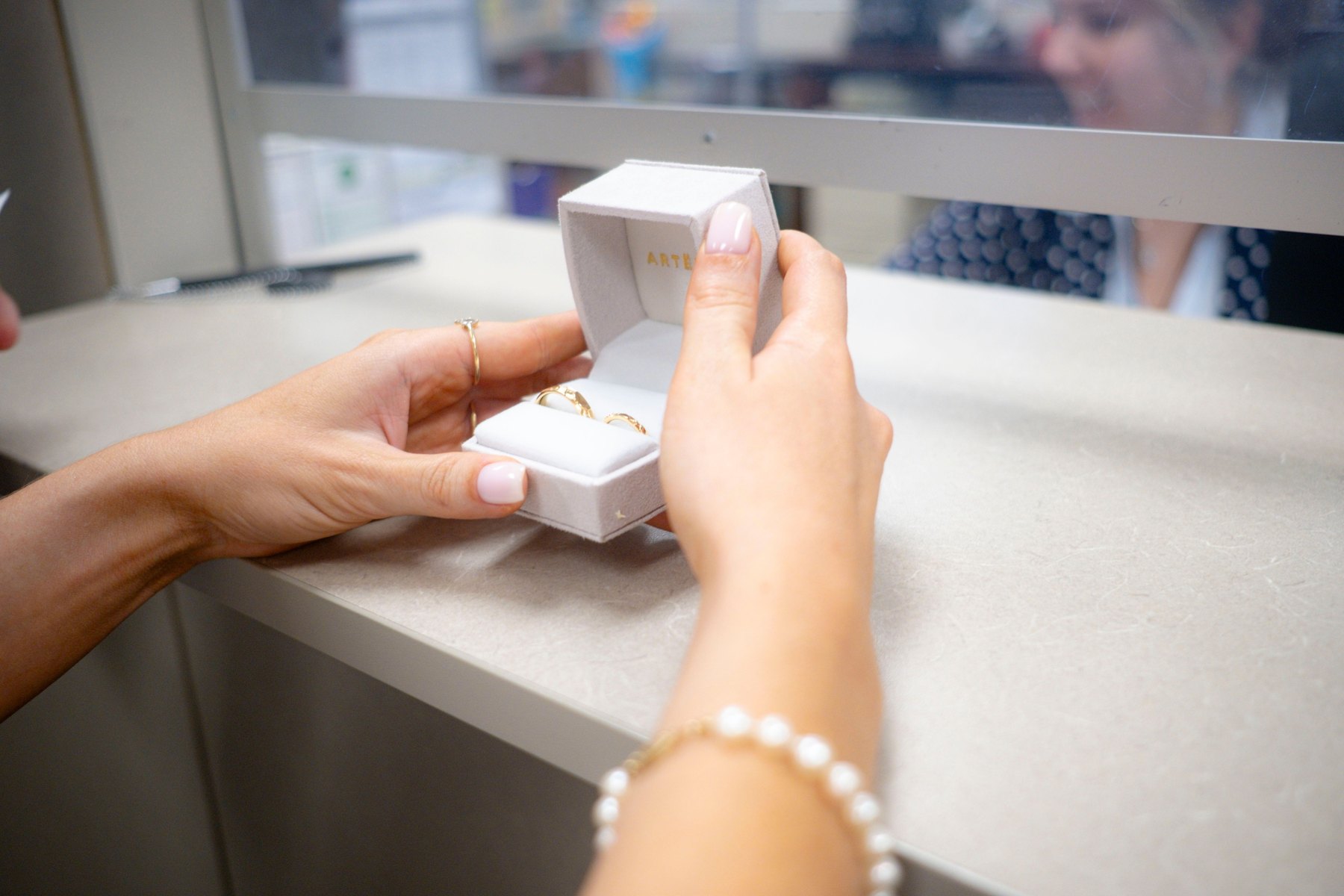
Jewelry coverage is usually written in one of two ways: as a scheduled item on a homeowners or renters policy, or as a separate jewelry policy (sometimes called a personal jewelry policy). The details vary by insurer, but these are common coverage themes to verify:
Commonly covered events
- Theft – including burglary, robbery, and sometimes mysterious disappearance (verify).
- Accidental damage – chipped stones, bent prongs, broken clasps, cracked watch crystal (terms vary).
- Loss – some policies cover losing an item, others exclude it unless you add a specific endorsement.
- Worldwide coverage – many jewelry policies cover travel, but confirm limits and requirements.
Common exclusions and friction points
- Wear and tear – gradual deterioration is often excluded.
- Unexplained loss – some policies exclude “mysterious disappearance” unless explicitly included.
- Maintenance requirements – some insurers expect periodic inspections for prongs or settings.
- Coverage caps – homeowners policies often have low sublimits for jewelry unless scheduled.
Replacement cost vs cash payout
Ask how claims are settled. Some policies pay cash up to the limit. Others replace through a jeweler network. Neither approach is automatically better. A replacement model can be convenient, but you will want clarity on whether you can choose your jeweler, how “like kind and quality” is defined, and what happens if you prefer a cash settlement.
Jewelry insurance options to compare (with named examples)
You can shop jewelry coverage through specialty insurers, endorsements on your home or renters policy, or through some jewelers. Below are recognizable options to compare. Availability, pricing, and features vary, so use this as a starting list and verify details for your location and item type.
| Option | Best fit | What to compare | Main drawback |
|---|---|---|---|
| Jewelers Mutual | Standalone jewelry coverage for rings, watches, collections | Loss coverage, repair vs replace, deductible choices, appraisal rules | May require documentation and underwriting steps for high values |
| Chubb | High value items and broader personal insurance packages | Agreed value options, worldwide coverage, claims service model | May be priced for higher net worth profiles and larger policies |
| State Farm (scheduled personal property) | People who want to add jewelry to an existing insurer | Scheduling process, deductible, claim settlement method, bundling impacts | Features may differ from a dedicated jewelry policy |
| GEICO (often via partners) | Shoppers who want to compare quotes through a familiar brand | Who underwrites the policy, coverage terms, exclusions, claim process | Terms depend on the partner insurer, so read the policy carefully |
| Progressive (often via partners) | People comparing multiple personal lines in one place | Partner underwriting, loss coverage, replacement rules, deductibles | Coverage details vary by partner and state |
| Allstate (scheduled items endorsement) | Homeowners or renters customers who prefer one insurer | Jewelry sublimits, scheduling requirements, claim impact on home policy | Scheduling on a home policy can affect premiums after claims |
| Lemonade (scheduled personal property where available) | Digital-first renters who want add-on coverage | Availability, covered perils, limits, documentation requirements | Not available everywhere and may have item or category rules |
Decision rule: if your jewelry value is significant relative to your home or renters deductible, or you worry about a jewelry claim affecting your homeowners premium, compare a standalone jewelry policy against scheduling the item on your home policy.
How to set the right insured value when prices move
Underinsuring is common when metal prices rise. Overinsuring can also be a problem if it pushes premiums up without improving what you actually receive at claim time. Use a process instead of guessing.
Step 1: Identify the value type your policy uses
- Replacement cost – aims to replace with a comparable item at today’s retail pricing.
- Agreed value – you and the insurer agree to a number up front, and claims may pay up to that amount depending on terms.
- Actual cash value – may subtract depreciation. This is often less favorable for jewelry.
Step 2: Refresh documentation on a schedule
Many people update appraisals only after a loss. A practical cadence is every 2 to 5 years, or sooner if metal prices spike, you reset the stone, or you upgrade the piece.
Step 3: Use a “coverage gap” check
Compare your current insured limit to a realistic replacement quote. If you are more than about 10% to 20% below a current replacement estimate, it is worth asking your insurer how to update the scheduled value.
| Item | What to gather | How often to update | Quick coverage check |
|---|---|---|---|
| Engagement ring | Appraisal, grading report, photos, receipt | Every 2 to 5 years | Is the scheduled limit within 10% to 20% of current replacement? |
| Gold chain or bracelet | Weight, karat, photos, receipt | Every 2 to 3 years in volatile periods | Does the limit reflect current retail replacement, not scrap value? |
| Luxury watch | Model and serial, service records, photos, receipt | Every 2 to 4 years | Is the limit aligned with current market and replacement availability? |
| Heirloom piece | Appraisal with detailed description, photos, provenance notes | Every 3 to 5 years | Would a jeweler be able to recreate it at the insured amount? |
Homeowners or renters policy vs standalone jewelry policy
Many people start with homeowners or renters insurance, then add jewelry coverage. The best structure depends on your risk, item value, and how you want claims handled.
Scheduling jewelry on homeowners or renters insurance
- Pros: convenient, one bill, may allow broader coverage than the base policy’s jewelry sublimit.
- Cons: a claim might affect your home policy pricing or renewal, deductibles may apply depending on endorsement, and coverage terms may be less specialized.
Standalone jewelry insurance
- Pros: often designed for jewelry risks like loss and damage, may offer low or optional deductibles, may keep jewelry claims separate from homeowners history.
- Cons: separate policy to manage, may require appraisals and more documentation, underwriting can be stricter for high values.
What jewelry insurance can cost and how to shop without overpaying
Premiums depend on value, location, deductible, security practices, and the item type. Instead of focusing on a single “typical” number, compare quotes using the same inputs:
- Same insured value (or same appraisal amount)
- Same deductible
- Same coverage features (loss, damage, worldwide, mysterious disappearance)
- Same claim settlement preference (cash vs replacement)
Quote checklist: questions to ask
- Is “mysterious disappearance” covered?
- Is accidental damage covered? Any limits on repairs?
- Can I choose my jeweler for repairs or replacement?
- How is the replacement item selected and approved?
- Is there a deductible? Can I choose a higher deductible to lower premium?
- Are there security requirements (safe, alarm, travel rules)?
- What documentation is required at purchase and at claim time?
Real-number examples: what coverage decisions look like
Below are sample scenarios to show how people often structure coverage and cash reserves when metal prices rise. These are examples, not a one-size-fits-all plan.
Scenario 1: Single ring, moderate budget
Facts: You have a ring you insured for $4,000 five years ago. A jeweler quotes $5,500 to replace it today.
- Update coverage: increase scheduled limit from $4,000 to about $5,500 after confirming your insurer’s valuation method.
- Out-of-pocket buffer: set aside $500 to $1,000 for potential deductible, resizing, or temporary replacement costs.
Sample allocation (adds to $2,000):
- $1,000 in an emergency fund top-up
- $500 reserved for deductible and incidentals
- $500 for appraisal and maintenance (inspection, prong work) over the next 1 to 2 years
Scenario 2: Small collection with travel risk
Facts: You own $18,000 total in jewelry (wedding set, watch, gold necklace). You travel several times a year.
Decision rule: if you often wear items outside the home, prioritize worldwide coverage and loss coverage, then compare whether a standalone policy keeps claims separate from your homeowners policy.
Sample allocation (adds to $5,000):
- $2,500 emergency fund (3 to 12 months of expenses is a common target overall)
- $1,500 “insurance and documentation” bucket (premiums, appraisal updates, safe deposit box fees if used)
- $1,000 travel buffer (deductible, temporary replacement, expedited shipping for repairs)
Scenario 3: High-value heirloom and a luxury watch
Facts: You have a $35,000 heirloom piece and a $12,000 watch. You are concerned about replacement quality and choosing your own jeweler.
- Coverage approach: compare insurers that offer clear “like kind and quality” standards, optional agreed value, and flexibility on jeweler choice.
- Documentation: detailed appraisal descriptions, high-resolution photos, and service records for the watch.
Sample allocation (adds to $10,000):
- $6,000 emergency fund reserve
- $2,000 for premiums and periodic appraisal updates
- $2,000 for a higher deductible option if it materially lowers premium, plus incidentals
Timeline decision rules: when to insure, update, or self-fund
Insurance is one tool. Your timeline and ability to absorb a loss also matter.
Under 1 year
- If you just bought the piece, insure it promptly using the receipt and any grading report.
- If you are proposing soon, consider coverage that includes loss and damage during daily wear.
1 to 3 years
- Re-check insured value if gold and silver prices have moved sharply or you changed the setting.
- Confirm inspection requirements and keep records of cleanings and prong checks.
3 to 7 years
- Plan for an updated appraisal, especially for higher-value items.
- Re-shop quotes if premiums rose or your needs changed (moving, travel, collection growth).
7+ years
- Assume your original purchase price is outdated. Replacement costs and craftsmanship pricing can be very different.
- For heirlooms, consider whether the goal is exact restoration, a comparable replacement, or cash value. Align the policy to that goal.
How to document jewelry for a smoother claim
Good documentation can reduce disputes about what was lost and what it costs to replace.
- Photos: take clear photos from multiple angles, including any unique markings.
- Receipts: keep purchase receipts and any upgrade receipts (new stone, new setting).
- Appraisals: use a detailed appraisal that describes metal type, weight, stone specs, and craftsmanship.
- Reports: keep diamond grading reports (if you have them) and watch service records.
- Storage proof: if you use a safe or safe deposit box, keep records and photos of the setup.
Reducing loss risk without relying only on insurance
Insurance helps after something goes wrong. Prevention helps reduce the chance of a claim.
- Use a jeweler inspection schedule for prongs and clasps, especially for daily-wear rings.
- Consider a travel routine: wear fewer high-value pieces, use a hotel safe when appropriate, and avoid leaving jewelry unattended.
- Store rarely worn pieces in a secure location and keep an updated inventory list.
Common mistakes when gold and silver prices are rising
- Assuming homeowners coverage is enough: base policies often have low jewelry limits for theft.
- Not updating appraisals: old appraisals can lag replacement costs.
- Confusing scrap value with replacement cost: scrap value is not what it costs to buy a similar piece at retail.
- Ignoring claim settlement terms: cash payout, replacement networks, and jeweler choice can change your outcome.
- Not reading exclusions: loss, mysterious disappearance, and wear-and-tear rules matter.
Where to get help if you have a dispute or need consumer guidance
If you are shopping for coverage or dealing with a claim issue, these resources can help you understand consumer protections and next steps:
- FTC Consumer Advice for guidance on scams, identity theft, and consumer complaints.
- Consumer Financial Protection Bureau (CFPB) for broader consumer finance education and complaint pathways (especially if financing is involved).
- Insurance Information Institute (III) for general insurance education and terminology.
Action plan: update your coverage in 60 minutes
- List each item you want covered and estimate current replacement cost (receipt, jeweler quote, or appraisal).
- Check your homeowners or renters policy for jewelry sublimits and whether items are scheduled.
- Pick your must-haves: loss coverage, accidental damage, worldwide coverage, jeweler choice.
- Get 2 to 3 quotes using the same insured values and deductibles.
- Store documentation digitally (photos, appraisal PDFs, receipts) and set a calendar reminder to review values in 2 to 5 years.
When gold and silver prices are rising, the key is not panic buying coverage. It is making sure the insured value and claim settlement terms match what replacement would actually cost today.


