

Home Insurance: What Happens If You Have No Coverage?

No home insurance coverage can turn a manageable home problem into a financial emergency, especially if you have a mortgage. One storm, kitchen fire, or liability claim can create costs that are hard to pay out of pocket, and your lender may step in if your policy lapses.
Contents
40 sections
-
Why home insurance matters in real life
-
No home insurance coverage: what happens next
-
If you have a mortgage, your lender may buy insurance for you
-
Your monthly payment can jump and you can fall behind
-
If a loss happens during the gap, you may pay everything out of pocket
-
If you own the home outright, you still face major financial risk
-
If you rent, your landlord's policy will not protect your stuff
-
Common reasons coverage lapses
-
Force-placed insurance vs regular homeowners insurance
-
Real-number scenarios: what a coverage gap can cost
-
Scenario 1: Small fire and smoke damage during a 30-day lapse
-
Scenario 2: Roof damage and water intrusion
-
Scenario 3: Liability claim after a guest injury
-
How to fix a lapse quickly: step-by-step checklist
-
1) Confirm the status and dates
-
2) Ask if reinstatement is possible
-
3) Shop for replacement coverage if needed
-
4) Send proof of insurance to your lender
-
5) Review escrow and payment setup
-
Decision rules: choosing deductibles and coverage limits
-
Dwelling coverage: insure the rebuild cost, not the market value
-
Deductible: pick a number you can actually pay quickly
-
Liability: prioritize this if you have assets or higher income
-
Special items: schedule what would hurt to lose
-
Budgeting for insurance: three sample monthly plans with real numbers
-
Plan A: Stable income, want fewer surprises
-
Plan B: Tight budget, focus on preventing a lapse
-
Plan C: Higher deductible strategy (only if you can self-fund it)
-
Comparison: where to shop for homeowners insurance (named options)
-
What to compare when you get quotes
-
If you cannot afford coverage: practical options to explore
-
Adjust the deductible thoughtfully
-
Ask about discounts and mitigation credits
-
Consider policy changes that reduce risk, not just coverage
-
State programs and last-resort markets
-
How a lapse can affect your credit and borrowing
-
What to do if your lender already force-placed insurance
-
Quick home insurance gap-prevention routine
-
When to get help
-
Bottom line
This guide explains what can happen when you have no coverage, how lenders respond, what risks you face as a homeowner or renter, and practical steps to restore protection. You will also see real number examples so you can picture the tradeoffs.
Why home insurance matters in real life
Home insurance is designed to protect your finances from sudden, high-cost events tied to your home. It typically helps with:
- Damage to the structure from covered events like fire, wind, hail, or vandalism (coverage varies by policy and location).
- Your belongings such as furniture, clothing, and electronics.
- Liability if someone is injured on your property and you are found responsible.
- Loss of use (additional living expenses) if a covered loss makes the home temporarily unlivable.
Without coverage, you may have to pay for repairs, replacement items, legal defense, and temporary housing yourself. If you have a mortgage, the stakes are higher because your loan agreement almost always requires you to keep homeowners insurance in force.
No home insurance coverage: what happens next
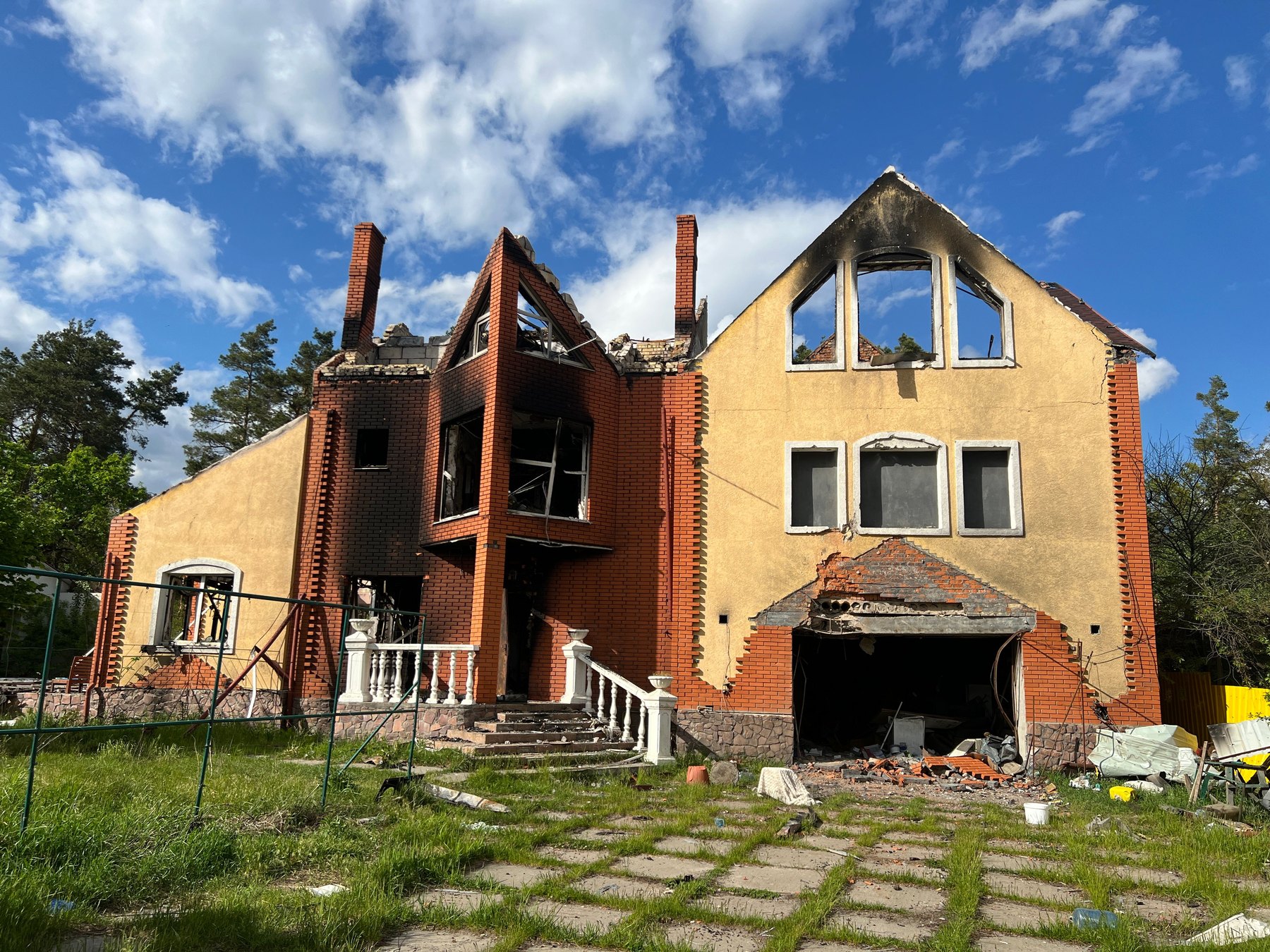
What happens depends on whether you own the home outright, have a mortgage, or rent. Here are the most common outcomes.
If you have a mortgage, your lender may buy insurance for you
Most mortgage contracts require you to maintain hazard insurance. If your policy lapses, the lender can purchase a policy on your behalf, often called force-placed insurance or lender-placed insurance. This protects the lender’s collateral, not your finances.
Force-placed insurance is often more expensive than a regular homeowners policy and may provide narrower coverage. It commonly:
- Focuses on the structure only, not your personal property.
- May not include liability coverage.
- May not include loss-of-use coverage.
The lender typically adds the premium to your monthly payment or your loan balance, which can raise your housing cost quickly.
For more on mortgage servicing and insurance issues, you can review consumer resources from the CFPB at https://www.consumerfinance.gov/.
Your monthly payment can jump and you can fall behind
If the lender adds force-placed insurance, your escrow payment can increase. If you cannot absorb the increase, you may miss payments and become delinquent. Delinquency can lead to late fees, credit score damage, and in severe cases, foreclosure risk.
If a loss happens during the gap, you may pay everything out of pocket
If your home is damaged while you have no coverage, you may have no insurer to help. Even a smaller event can be costly:
- Kitchen fire smoke cleanup and repairs can run into the thousands.
- Roof damage from a storm can require a full replacement.
- A burst pipe can damage floors, drywall, and cabinets.
And if someone is injured on your property, you could face medical bills and legal costs without liability coverage.
If you own the home outright, you still face major financial risk
Without a lender, nobody forces you to carry insurance. But the risk does not disappear. If you cannot afford a major repair, you may end up using high-cost debt, draining retirement savings, or selling the home under pressure.
If you rent, your landlord’s policy will not protect your stuff
Landlord insurance typically covers the building, not your belongings. Without renters insurance, you may have to replace everything yourself after a covered event like a fire. You also may lack liability coverage if you accidentally cause damage or someone is injured in your unit.
Common reasons coverage lapses
- Missed premium payment because of a tight month, autopay failure, or a billing address change.
- Escrow shortage where your mortgage payment did not cover the full premium increase.
- Nonrenewal after claims, property condition issues, or underwriting changes.
- Policy cancellation for miscommunication, missing documents, or inspection findings.
- Moving and forgetting to start a new policy on the new home’s closing date.
If you are unsure whether you are currently insured, check your mortgage escrow statements, your insurer’s online portal, and any cancellation notices. If you have a lender, you can also call the mortgage servicer and ask what policy is on file.
Force-placed insurance vs regular homeowners insurance
Force-placed insurance can keep your lender satisfied, but it is not a substitute for a well-chosen homeowners policy that protects your household. Use the table below to understand the differences you should verify.
| Feature | Typical homeowners policy | Typical force-placed policy | Why it matters |
|---|---|---|---|
| Who it protects | You and the lender | Mainly the lender | You may still be exposed to personal losses. |
| Personal property | Often included | Often limited or excluded | Replacing belongings can be expensive. |
| Liability | Often included | Often excluded | Liability claims can create large, unpredictable costs. |
| Loss of use | Often included | Often excluded | Temporary housing costs can add up fast. |
| Cost | Varies by home and risk | Often higher | Higher premiums can strain your monthly budget. |
| How it starts | You shop and choose | Lender places it after lapse | You may have less control over coverage and price. |
Real-number scenarios: what a coverage gap can cost
Exact costs vary by location, home size, and the event, but the goal here is to make the risk concrete.
Scenario 1: Small fire and smoke damage during a 30-day lapse
- Smoke remediation and cleaning: $4,000 to $10,000
- Drywall and paint repairs: $2,000 to $6,000
- Replacing damaged items: $1,000 to $5,000
Out-of-pocket range: $7,000 to $21,000. If you had insurance, you might have paid a deductible and had the rest covered, depending on the policy and cause of loss.
Scenario 2: Roof damage and water intrusion
- Roof replacement: $8,000 to $20,000+
- Interior water damage repairs: $3,000 to $15,000
- Mold remediation (if needed): $2,000 to $10,000+
Out-of-pocket range: $13,000 to $45,000+. Even if you can finance repairs, the interest cost can add to the total.
Scenario 3: Liability claim after a guest injury
- Medical bills: $3,000 to $50,000+
- Legal defense costs: can be significant
- Settlement or judgment: varies widely
Out-of-pocket risk: potentially very large. Liability is one of the hardest risks to self-insure because the upper end is unpredictable.
How to fix a lapse quickly: step-by-step checklist
If you discover you have no coverage, speed matters. Use this checklist to reduce the gap and limit lender action.
1) Confirm the status and dates
- Call your insurer and ask whether the policy is active, canceled, or nonrenewed.
- Ask for the cancellation effective date and the reason.
- If you have a mortgage, call your servicer and ask what insurance they show on file.
2) Ask if reinstatement is possible
- If the lapse is due to nonpayment, some insurers may reinstate if you pay promptly and meet any requirements.
- Ask whether reinstatement is retroactive to avoid a gap. Not all reinstatements are retroactive.
3) Shop for replacement coverage if needed
- Get quotes from multiple insurers.
- Compare dwelling coverage, deductibles, exclusions, and endorsements (like water backup).
- Verify start date and bind coverage as soon as you are ready.
4) Send proof of insurance to your lender
- Provide the declarations page and the mortgagee clause details.
- Confirm the lender updated their records and removed any force-placed policy if applicable.
5) Review escrow and payment setup
- If you pay through escrow, ask whether your monthly payment will change.
- If you pay directly, set up autopay and calendar reminders.
Decision rules: choosing deductibles and coverage limits
When money is tight, it is tempting to cut coverage. A better approach is to use decision rules that protect you from the biggest risks while keeping premiums manageable.
Dwelling coverage: insure the rebuild cost, not the market value
Market value includes land and neighborhood factors. Insurance is about rebuilding the structure. Ask your insurer how they estimate replacement cost and whether you have extended replacement cost coverage available.
Deductible: pick a number you can actually pay quickly
A higher deductible can reduce premium, but only helps if you can cover it without high-cost debt. A common rule is to keep at least your deductible amount in an accessible emergency fund.
Liability: prioritize this if you have assets or higher income
Liability claims can exceed savings. If you have significant assets, you may also compare an umbrella policy, but first make sure your homeowners liability limit meets the umbrella requirements.
Special items: schedule what would hurt to lose
Jewelry, collectibles, and certain electronics may have sub-limits. If you own high-value items, ask about scheduling them.
Budgeting for insurance: three sample monthly plans with real numbers
Insurance costs vary widely, so these examples show how to build a plan around a premium you can verify with quotes. Assume a homeowners premium of $1,800 per year (about $150 per month) and a deductible of $2,500. Adjust the numbers to your quotes and deductible.
Plan A: Stable income, want fewer surprises
- $150 per month to insurance premium (escrow or direct)
- $100 per month to a home repair fund
- $75 per month to build deductible cash until you reach $2,500
Total: $325 per month. After about 34 months, you would have $2,550 set aside for the deductible (assuming no withdrawals).
Plan B: Tight budget, focus on preventing a lapse
- $150 per month to insurance premium
- $25 per month to a small buffer for billing errors
- $25 per month to deductible savings
Total: $200 per month. This builds a smaller cushion while prioritizing staying insured.
Plan C: Higher deductible strategy (only if you can self-fund it)
Assume you raise the deductible to $5,000 and your premium drops, for example, from $150 to $120 per month. Verify your actual savings with quotes.
- $120 per month to insurance premium
- $140 per month to deductible savings until you reach $5,000
- $50 per month to home maintenance
Total: $310 per month. You may pay less in premium but must be ready for a larger out-of-pocket cost if you file a claim.
Comparison: where to shop for homeowners insurance (named options)
You can shop directly with insurers, through independent agents, or via online marketplaces. Availability and pricing depend on your state, property type, and loss history. Use these as recognizable examples to compare quotes and coverage details.
| Option | Best fit | What to compare | Main drawback |
|---|---|---|---|
| State Farm | People who want local agent support | Replacement cost options, endorsements, bundling | Rates and eligibility vary by location and home condition |
| Allstate | Homeowners who like policy customization | Deductible choices, claim history impact, discounts | Some coverages may cost extra depending on state |
| GEICO (through partner insurers) | People who prefer online quoting | Which underwriting company issues the policy, coverage limits | Coverage and service depend on the partner insurer |
| Progressive (through partner insurers) | Shoppers comparing multiple quotes quickly | Deductibles, exclusions, water-related endorsements | Final policy terms depend on the issuing insurer |
| USAA (eligible military families) | Military members and eligible families | Coverage breadth, replacement cost, claims process | Eligibility is limited |
| Nationwide | Homeowners who want optional add-ons | Ordinance or law coverage, roof settlement terms | Pricing and availability vary by state |
What to compare when you get quotes
Two policies with the same premium can protect you very differently. Use this quick comparison checklist:
| Item to check | Questions to ask | Why it matters |
|---|---|---|
| Dwelling coverage (Coverage A) | Is it based on replacement cost? Any extended replacement? | Underinsuring can leave you short after a major loss. |
| Roof settlement | Replacement cost or actual cash value? | Actual cash value can pay less for older roofs. |
| Water damage details | What is covered vs excluded? Water backup endorsement? | Water losses are common and coverage varies. |
| Deductibles | Flat dollar vs percentage for wind/hail? | A percentage deductible can be much larger than expected. |
| Personal property | Replacement cost option? Sub-limits for valuables? | Sub-limits can cap payouts for jewelry or electronics. |
| Liability and medical payments | What limits are included? Any exclusions? | Liability claims can be financially severe. |
| Loss of use | What percentage or limit applies? | Temporary housing can be costly after a covered loss. |
If you cannot afford coverage: practical options to explore
If premiums jumped or you were nonrenewed, you still have levers to pull. The right mix depends on your home, your risk tolerance, and lender requirements.
Adjust the deductible thoughtfully
Raising the deductible can reduce premium, but only do this if you can keep the deductible amount accessible. If you would need a high-interest loan to cover the deductible, the strategy can backfire.
Ask about discounts and mitigation credits
- Bundling home and auto (if it makes sense for your situation)
- Security systems, smoke alarms, or water leak sensors
- Roof upgrades or wind mitigation features in certain states
Consider policy changes that reduce risk, not just coverage
- Fix known hazards (handrails, broken steps, aggressive dog exposure)
- Address roof or plumbing issues that can trigger nonrenewal
- Document repairs with receipts and photos for underwriting
State programs and last-resort markets
Some states have FAIR Plans or similar programs for homeowners who cannot find coverage in the standard market. Coverage can be limited and may cost more, but it can help you meet lender requirements while you work on longer-term solutions. Search for your state’s department of insurance and ask about availability and eligibility.
How a lapse can affect your credit and borrowing
Home insurance itself is not typically reported like a loan, but the ripple effects can matter:
- Mortgage delinquency if force-placed insurance raises your payment and you fall behind.
- Higher debt usage if you finance repairs on credit cards or personal loans after an uninsured loss.
- Collections risk if you cannot pay contractors or medical bills tied to a liability incident.
If you are monitoring your credit while managing housing costs, you can get your free credit reports at https://www.annualcreditreport.com/.
What to do if your lender already force-placed insurance
If you already see a sudden payment increase or a notice about lender-placed insurance:
- Ask for the exact reason it was placed (lapse, missing documents, incorrect mortgagee clause).
- Provide proof of your active policy if you were insured and it was a paperwork issue.
- Replace coverage quickly if you truly had a lapse, then send the declarations page.
- Ask how refunds work if the force-placed policy is removed. Timing and refund rules vary.
Quick home insurance gap-prevention routine
Use this simple routine to reduce the chance of another lapse:
- Set two reminders: 30 days before renewal and 7 days before payment due.
- Keep your insurer and lender contact info updated after any move or email change.
- Review your declarations page once per year for coverage limits and deductibles.
- Save a PDF copy of your declarations page and proof of insurance.
- If you escrow, read escrow statements and ask about shortages early.
When to get help
If you are stuck between an insurer cancellation and lender deadlines, consider:
- Calling your state department of insurance for guidance on complaints, nonrenewals, and market options.
- Working with a licensed independent insurance agent who can quote multiple carriers.
- Contacting your mortgage servicer early if you cannot afford the new payment amount to ask about options and timelines.
For general consumer protection information related to financial products and disputes, the FTC has resources at https://consumer.ftc.gov/.
Bottom line
A lapse in home insurance can lead to expensive out-of-pocket losses and lender action if you have a mortgage. The fastest path forward is to confirm your status, pursue reinstatement if possible, shop replacement coverage if needed, and send proof to your lender. When you compare policies, focus on rebuild cost coverage, deductibles you can pay, and liability protection, not just the monthly premium.


