

How to Make a Pet Insurance Claim

A pet insurance claim is the paperwork and proof you submit to your insurer after your pet gets care, so the company can review the bill and reimburse you based on your policy. The process is usually straightforward, but small mistakes like missing invoices, unclear medical notes, or filing too late can slow things down.
Contents
35 sections
-
How a pet insurance claim works (in plain English)
-
Before you file: confirm the visit is likely eligible
-
Quick eligibility checklist
-
Pet insurance claim step-by-step
-
Step 1: Collect the right documents at the vet
-
Step 2: Review your invoice for common issues
-
Step 3: Fill out the claim form (or portal fields)
-
Step 4: Upload documents and submit
-
Step 5: Track status and respond quickly to requests
-
Step 6: Review the explanation of benefits (EOB)
-
Documents you typically need for a pet insurance claim
-
What reimbursement can look like with real numbers
-
Example 1: Simple illness visit with an annual deductible
-
Example 2: Accident claim after deductible is already met
-
Example 3: Claim with a coverage limit or excluded line item
-
Common reasons pet insurance claims get delayed or denied
-
Missing or unclear documentation
-
Pre-existing condition concerns
-
Waiting period not satisfied
-
Service not covered under your plan
-
Filing after the deadline
-
Decision rules: when to file, when to call, when to appeal
-
Claim checklist you can copy and use
-
Comparing claim processes across pet insurers (named examples)
-
How to organize pet medical bills so claims are easier
-
A simple folder system
-
Tip: keep a one-page timeline
-
If you cannot pay the vet bill upfront
-
How to dispute a pet insurance claim decision
-
Frequently asked questions
-
How long does a pet insurance claim take?
-
Can my vet submit the claim for me?
-
Do I need proof of payment?
-
What if the insurer says it is pre-existing but I disagree?
-
Key takeaways
This guide walks you through the full claim process from the vet visit to reimbursement, with checklists, examples, and decision rules to help you avoid common delays.
How a pet insurance claim works (in plain English)
Most pet insurance plans are reimbursement-based. That means you typically pay the veterinarian first, then submit a claim to your insurer for eligible expenses. Your reimbursement depends on:
- Coverage: What your policy covers (accidents, illnesses, hereditary conditions, dental, rehab, prescriptions, exam fees, and so on).
- Waiting periods: Time after enrollment before coverage starts.
- Deductible: Amount you pay before reimbursement begins (annual or per-condition, depending on the plan).
- Reimbursement rate: The percentage the insurer pays after the deductible (for example, 70%, 80%, or 90%).
- Annual or lifetime limits: Caps on what the insurer will pay.
- Exclusions: Commonly pre-existing conditions and certain preventive items unless you bought a wellness add-on.
Many insurers offer online portals and mobile apps, and some vets can submit claims directly. Even when a vet submits, you should still keep copies of every document.
Before you file: confirm the visit is likely eligible
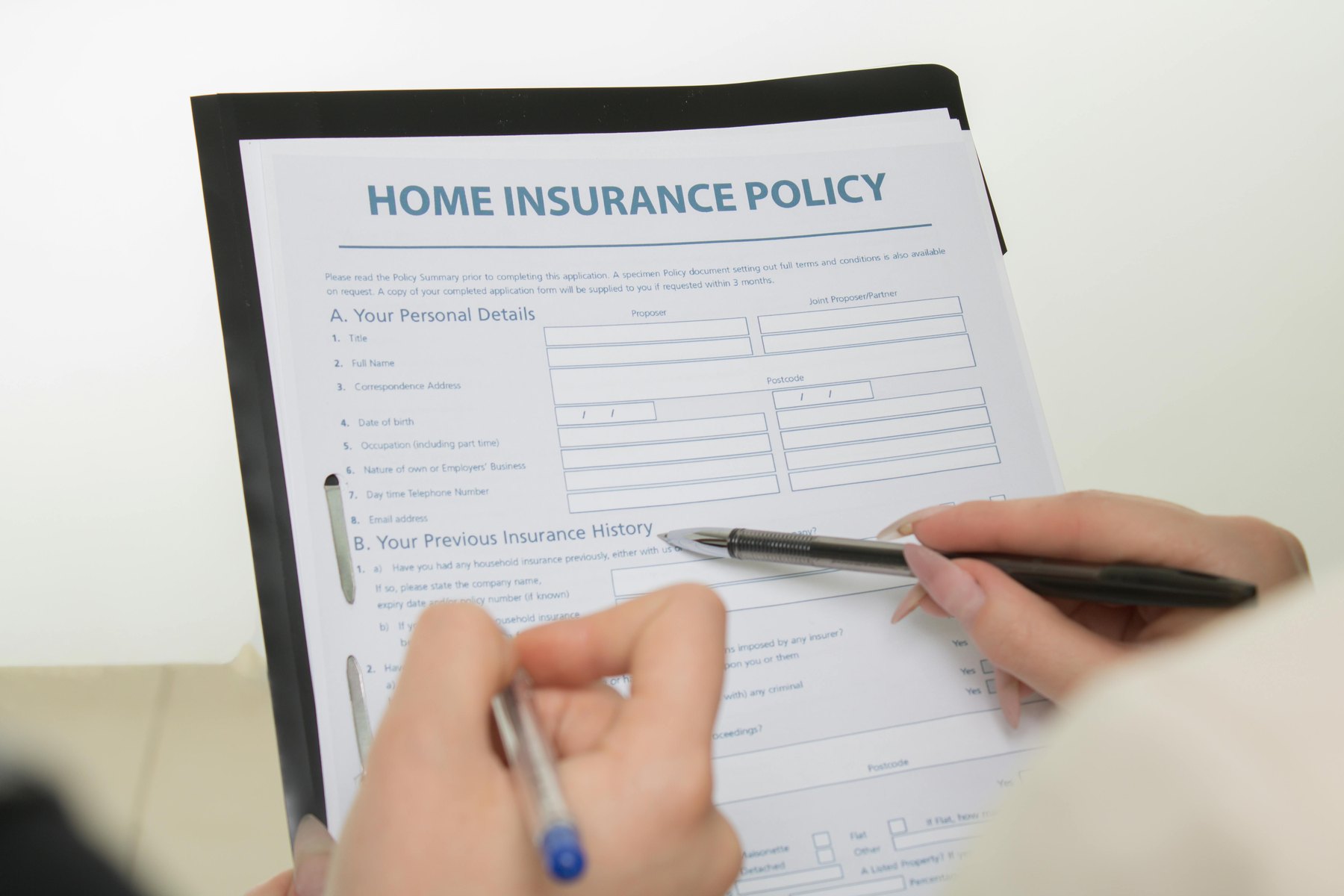
Before you spend time uploading documents, do a quick eligibility check. This helps you avoid surprises and sets expectations for what the insurer may reimburse.
Quick eligibility checklist
- Was the policy active on the date of service? If you recently enrolled, confirm the waiting period has passed.
- Is the condition new? Many plans exclude pre-existing conditions. If symptoms existed before coverage started, the insurer may deny related claims.
- Is the service covered? Some plans cover exam fees and prescriptions, others do not unless you selected those options.
- Are there any special rules? Some insurers require prior authorization for certain therapies or have specific documentation rules.
- Are you within the filing deadline? Policies often require claims to be filed within a set number of days after treatment.
If you are unsure, call the insurer and ask what documents they need for that specific visit. Write down the date, time, and the representative’s name.
Pet insurance claim step-by-step
Use this workflow for most accident and illness claims.
Step 1: Collect the right documents at the vet
Ask for an itemized invoice and the medical record notes for the visit. If the visit involved diagnostics or a referral, request those results too.
Step 2: Review your invoice for common issues
- Make sure your pet’s name matches your policy.
- Confirm the date of service is correct.
- Check that line items are detailed (not just “services rendered”).
- Ensure the diagnosis or reason for visit is documented in the medical notes.
Step 3: Fill out the claim form (or portal fields)
Most insurers ask for the same core details: policy number, pet info, date of service, clinic name, and a brief description of what happened. Keep your description factual and consistent with the vet’s notes.
Step 4: Upload documents and submit
Upload clear scans or photos. If you take photos, use good lighting and capture the full page. Combine multi-page documents into a single PDF if the portal allows it.
Step 5: Track status and respond quickly to requests
Insurers may request additional records, especially for first-time claims or conditions that could be pre-existing. Respond quickly and ask exactly what they need so you do not send incomplete information.
Step 6: Review the explanation of benefits (EOB)
When the claim is processed, you typically receive an EOB showing what was covered, what was excluded, how the deductible applied, and how the reimbursement was calculated. Save the EOB for your records.
Documents you typically need for a pet insurance claim
| Document | Why it matters | Where to get it | Common mistake |
|---|---|---|---|
| Itemized invoice | Shows each charge so the insurer can apply coverage rules | Vet front desk or email receipt | Submitting only a credit card receipt |
| Medical notes (SOAP notes) | Documents symptoms, diagnosis, and treatment plan | Vet records department | Missing diagnosis or unclear reason for visit |
| Lab results and imaging reports | Supports medical necessity and diagnosis | Clinic or outside lab | Uploading screenshots that cut off details |
| Prescription details | Confirms medication name, dose, and purpose | Vet or pharmacy receipt | Not showing the prescribing vet or diagnosis link |
| Prior medical records (sometimes) | Helps insurer evaluate pre-existing condition questions | Previous vets, shelters, adoption records | Only sending partial history |
| Claim form (if required) | Provides policy details and owner attestation | Insurer portal or PDF form | Leaving sections blank or mismatching dates |
What reimbursement can look like with real numbers
Pet insurance reimbursement is usually a math problem based on your bill, deductible, reimbursement rate, and any limits or exclusions. Here are three simplified examples. Your policy may calculate differently depending on what it covers and whether the deductible is annual or per-condition.
Example 1: Simple illness visit with an annual deductible
- Vet bill: $450 (exam, tests, medication)
- Annual deductible remaining: $250
- Reimbursement rate: 80%
Eligible expenses after deductible: $450 – $250 = $200. Reimbursement: 80% of $200 = $160. Your out-of-pocket for this claim: $450 – $160 = $290.
Example 2: Accident claim after deductible is already met
- Vet bill: $1,200
- Deductible remaining: $0
- Reimbursement rate: 90%
Reimbursement: 90% of $1,200 = $1,080. Out-of-pocket: $120, assuming all items are covered and no limits apply.
Example 3: Claim with a coverage limit or excluded line item
- Vet bill: $900
- Non-covered item: $75 (for example, a wellness add-on item you did not purchase)
- Eligible amount: $825
- Deductible remaining: $100
- Reimbursement rate: 70%
Eligible after deductible: $825 – $100 = $725. Reimbursement: 70% of $725 = $507.50. Out-of-pocket: $900 – $507.50 = $392.50.
Common reasons pet insurance claims get delayed or denied
Delays and denials are often documentation problems or policy rule issues. Here are the most common ones and what to do next.
Missing or unclear documentation
- Problem: No itemized invoice, no diagnosis, or incomplete medical notes.
- Fix: Request the full invoice and SOAP notes. Ask the clinic to include diagnosis codes or a clear written diagnosis.
Pre-existing condition concerns
- Problem: The insurer sees earlier symptoms in prior records and treats the condition as pre-existing.
- Fix: Ask the insurer what record triggered the decision. If appropriate, request a vet letter clarifying onset date and whether the condition is unrelated to prior issues.
Waiting period not satisfied
- Problem: Treatment occurred before coverage started for that condition type.
- Fix: Verify your policy effective date and waiting period terms. If you believe the dates are wrong, provide proof of service date.
Service not covered under your plan
- Problem: Routine care, exam fees, dental cleanings, or alternative therapies may require add-ons.
- Fix: Check your declarations page and endorsements. Ask the insurer to point to the specific exclusion or limitation.
Filing after the deadline
- Problem: Claim submitted too late.
- Fix: Submit as soon as possible and ask if the insurer allows exceptions. Set a reminder after every visit.
Decision rules: when to file, when to call, when to appeal
Use these simple rules to decide your next step.
- File immediately if the bill is large, the condition is new, or you are unsure what is covered. Filing starts the review clock and can surface documentation needs early.
- Call the insurer before filing if the condition could be confused with a prior issue (for example, recurring ear infections) or if the treatment plan includes ongoing therapy. Ask what records they will require.
- Follow up after 7 to 14 days if your portal shows no movement and the insurer’s typical processing time has passed.
- Appeal if the denial reason seems to conflict with your policy language or the medical record. Ask for the exact policy section used and what additional evidence would change the decision.
Claim checklist you can copy and use
| Task | Done | Notes |
|---|---|---|
| Confirm policy active and waiting period satisfied | □ | |
| Get itemized invoice (not just receipt) | □ | |
| Request medical notes with diagnosis and symptoms | □ | |
| Collect lab and imaging reports (if any) | □ | |
| Save proof of payment (if required) | □ | |
| Complete claim form or portal fields accurately | □ | |
| Upload clear scans or PDFs | □ | |
| Set a follow-up reminder for status check | □ | |
| Review EOB and save it with your records | □ |
Comparing claim processes across pet insurers (named examples)
Claim experience varies by insurer and plan. When you shop, compare how you will submit claims, what documentation is required, typical processing time, and whether the company offers direct pay to vets in some situations. Here are recognizable examples to compare (verify current terms and availability where you live):
| Option | Best fit | What to compare | Main drawback |
|---|---|---|---|
| Trupanion | Owners who want potential vet-direct payment options where available | Direct pay availability, deductible structure, exclusions | Premiums and plan design may differ from reimbursement-first models |
| Healthy Paws | People who want a streamlined digital claim experience | Reimbursement options, documentation needs, processing time | Coverage limits and rules vary by policy and state |
| Nationwide Pet Insurance | Households comparing multiple plan types including wellness options | What is covered under each tier, claim deadlines, reimbursement method | Plan details can be complex across tiers |
| Embrace | Owners who want customization across deductible and reimbursement rate | Customization, exam fee coverage, claim submission steps | More choices can make it harder to estimate out-of-pocket costs |
| ASPCA Pet Health Insurance | Shoppers who want a well-known brand and online claims | Waiting periods, exclusions, and required vet records | Availability and policy terms can vary |
| Pets Best | Owners comparing accident and illness plans with optional add-ons | Add-ons, reimbursement timing, required documents | Coverage details can differ by add-on selection |
How to organize pet medical bills so claims are easier
Good recordkeeping can reduce claim friction, especially if your pet develops a chronic condition.
A simple folder system
- Folder 1: Policy – declarations page, endorsements, renewal notices.
- Folder 2: Claims – submitted forms, invoices, EOBs, insurer messages.
- Folder 3: Medical records – vaccination history, prior diagnoses, lab results, imaging.
Tip: keep a one-page timeline
Maintain a timeline with dates of symptoms, vet visits, diagnoses, and medications. If an insurer asks about pre-existing conditions, a clear timeline helps you respond quickly and consistently.
If you cannot pay the vet bill upfront
Because many pet insurance plans reimburse after you pay, the timing can be tough during emergencies. Options to ask about include:
- Clinic payment plans (some clinics offer in-house arrangements).
- Third-party financing (terms vary widely, so compare APR, fees, and repayment schedule carefully).
- Direct pay programs if your insurer and vet participate.
If you use financing, match the repayment plan to your budget and confirm whether interest accrues immediately or after a promotional period.
How to dispute a pet insurance claim decision
If your claim is denied or reimbursed less than expected, take a structured approach:
- Request the written explanation and the specific policy language used.
- Compare the EOB to your invoice to see which line items were reduced or excluded.
- Ask your vet for clarification if the diagnosis, onset date, or medical necessity was not clear in the notes.
- Submit an appeal packet with a short cover letter, the invoice, medical notes, and any supporting lab results.
- Escalate if needed by asking for a supervisor review and keeping a log of dates, names, and outcomes.
For general guidance on resolving insurance and billing disputes, you can review consumer resources from the Federal Trade Commission at https://consumer.ftc.gov/ and the Consumer Financial Protection Bureau at https://www.consumerfinance.gov/.
Frequently asked questions
How long does a pet insurance claim take?
Processing times vary by insurer, claim complexity, and whether additional records are needed. Digital submissions with complete documentation often move faster than claims missing medical notes or itemized invoices.
Can my vet submit the claim for me?
Some clinics will submit claims, and some insurers support vet-direct workflows in certain situations. Even if the clinic submits, keep your own copies of invoices and medical notes so you can respond if the insurer requests more information.
Do I need proof of payment?
Some insurers ask for proof of payment, while others focus on the itemized invoice and medical records. If you are unsure, include a receipt or payment confirmation to avoid a follow-up request.
What if the insurer says it is pre-existing but I disagree?
Ask what prior record or symptom triggered the decision and what documentation could change it. A vet letter clarifying onset date and differentiating conditions can help when the medical record supports it.
Key takeaways
- Submit a pet insurance claim with an itemized invoice and clear medical notes to reduce delays.
- Check waiting periods, deductibles, reimbursement rate, and exclusions before you assume a bill is covered.
- Use a consistent recordkeeping system so you can respond quickly to insurer questions.
- If a decision seems off, review the EOB line by line and appeal with targeted documentation.
For additional consumer help with billing issues and dispute steps, the FTC and CFPB resources can be useful starting points: https://consumer.ftc.gov/ and https://www.consumerfinance.gov/.


