

What Pet Insurance Covers

What pet insurance covers depends on the plan type you buy, the fine print in the policy, and your pet’s age and health history.
Contents
24 sections
-
How pet insurance works (so coverage makes sense)
-
Real-number example: same vet bill, different outcomes
-
What pet insurance covers in accident and illness plans
-
Coverage checklist: confirm these line items
-
Accident-only plans: what they cover and who they fit
-
Wellness add-ons: what "routine care" coverage usually includes
-
Common exclusions that surprise pet owners
-
Pre-existing condition example
-
Coverage limits, deductibles, and reimbursement: a quick comparison table
-
Named pet insurance options to compare (examples)
-
What this looks like with real numbers: budgeting for pet care
-
Scenario 1: New puppy or kitten (lower medical history risk)
-
Scenario 2: Adult dog with predictable routine costs
-
Scenario 3: Senior pet where premiums may be higher
-
Decision rules: when pet insurance tends to matter most
-
If you could not comfortably pay a $2,000 to $5,000 vet bill
-
If you can cover emergencies but want help with chronic conditions
-
If your main goal is predictable routine costs
-
How to compare policies quickly (a buyer's checklist)
-
Claims and paperwork: what you may need
-
Tip: build a "pet health file"
-
How pet insurance fits into your broader finances
-
Where to learn more about insurance basics and consumer protections
-
Bottom line: match coverage to your risk and your budget
Most pet insurance is designed to help with unexpected vet bills, not routine care. The typical policy reimburses you after you pay the vet, and the amount you get back is based on your deductible, reimbursement percentage, and coverage limits. Understanding those moving parts is the difference between “this helped a lot” and “why wasn’t this covered?”
How pet insurance works (so coverage makes sense)
Pet insurance usually works on a reimbursement model:
- You pay the vet at the time of service.
- You submit a claim with the invoice and medical notes.
- The insurer reimburses you after applying your deductible, reimbursement rate, and any limits or exclusions.
Three policy features shape what you actually receive:
- Deductible: What you pay before reimbursement starts. It may be annual or per condition.
- Reimbursement rate: Commonly 70%, 80%, or 90% of eligible costs after the deductible.
- Coverage limit: Could be annual, per incident, or lifetime. Some plans have no annual cap, but still have exclusions.
Real-number example: same vet bill, different outcomes
Assume your dog needs emergency treatment and the eligible vet bill is $2,000.
- Plan A: $250 annual deductible, 80% reimbursement, $10,000 annual limit.
- Plan B: $500 annual deductible, 90% reimbursement, unlimited annual limit.
Plan A reimbursement: ($2,000 – $250) x 80% = $1,400. You pay $600 total ($250 deductible + $350 coinsurance).
Plan B reimbursement: ($2,000 – $500) x 90% = $1,350. You pay $650 total.
Even with a higher reimbursement rate, a higher deductible can mean you pay more on smaller claims. Limits matter more on very large claims or chronic conditions.
What pet insurance covers in accident and illness plans
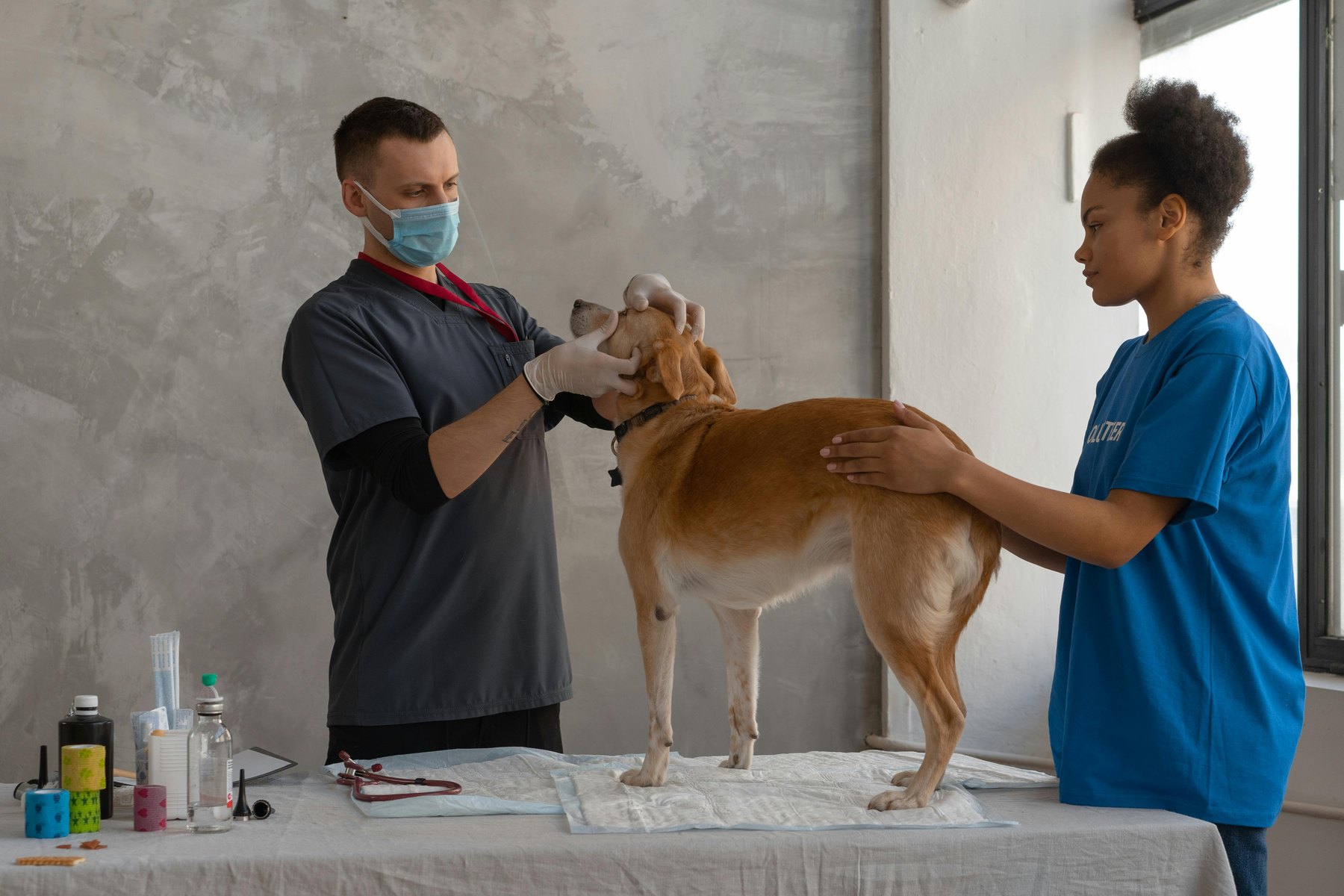
Accident and illness plans are the most common type of pet insurance. Coverage varies by insurer, but many plans include:
- Accidents: Broken bones, cuts, bite wounds, swallowed objects, poisoning, car accidents.
- Illnesses: Infections, allergies, digestive issues, cancer, diabetes, arthritis, skin conditions.
- Diagnostics: X-rays, ultrasounds, bloodwork, urinalysis, MRIs when medically necessary.
- Hospitalization: ER and inpatient care, monitoring, fluids.
- Surgery: Procedures related to covered accidents and illnesses.
- Prescription medications: When tied to a covered condition.
- Specialist care: Orthopedists, oncologists, dermatologists, internal medicine.
- Hereditary and congenital conditions: Often covered if not pre-existing, but rules vary.
Coverage checklist: confirm these line items
- Emergency exam fees (some plans limit or exclude exam fees)
- Specialty hospital surcharges
- Rehabilitation and physical therapy
- Behavioral therapy (anxiety, aggression) and whether it requires a vet referral
- Alternative therapies (acupuncture, chiropractic) and any caps
- Dental illness and injury (not just dental accidents)
Accident-only plans: what they cover and who they fit
Accident-only plans typically cover injuries and emergencies caused by accidents, but not illnesses. They can be a lower-cost way to get some protection for high-cost surprises.
Common covered examples:
- Foreign object ingestion
- Lacerations and bite wounds
- Fractures and sprains
- Toxin ingestion
Common not covered examples:
- Ear infections, allergies, cancer, diabetes
- Chronic conditions that develop over time
Accident-only can make sense if you mainly worry about emergency events and you are comfortable self-funding routine and illness care.
Wellness add-ons: what “routine care” coverage usually includes
Many insurers offer a wellness plan or preventive care add-on. These are usually structured like a benefit schedule with annual caps, not open-ended coverage.
Typical wellness benefits include:
- Annual wellness exam
- Vaccines
- Flea, tick, and heartworm prevention (sometimes)
- Routine bloodwork
- Spay or neuter (sometimes)
- Dental cleaning (sometimes, often capped)
Decision rule: add wellness only if the annual value you expect to use is close to or above the added premium, and you are comfortable with the schedule and caps.
Common exclusions that surprise pet owners
Exclusions are where many claims get reduced or denied. The most common ones include:
- Pre-existing conditions: Anything noted before coverage starts or during the waiting period. Some insurers distinguish between curable and incurable conditions.
- Waiting periods: Time after enrollment when accidents or illnesses are not yet covered. Orthopedic conditions may have longer waits.
- Routine and elective care: Unless you buy a wellness add-on.
- Breeding and pregnancy: Often excluded.
- Grooming: Typically excluded.
- Diet and supplements: Often excluded unless prescribed for a covered condition, and even then may be limited.
- Experimental treatments: Coverage varies.
- Dental limitations: Many plans exclude dental disease or require proof of regular cleanings.
Pre-existing condition example
If your cat had vomiting noted in a vet record before you enrolled, and later gets diagnosed with inflammatory bowel disease, the insurer may treat it as related to a pre-existing symptom. That can affect coverage even if the diagnosis came later. This is why it helps to enroll when your pet is young and healthy, and to read how the policy defines “pre-existing.”
Coverage limits, deductibles, and reimbursement: a quick comparison table
| Feature | Common options | Best for | Tradeoff to watch |
|---|---|---|---|
| Deductible | $0 to $1,000+ (annual or per condition) | Lower deductible if you expect frequent claims | Lower deductible usually means higher premium |
| Reimbursement rate | 70% to 90% | Higher rate for expensive conditions | Higher rate often raises premium |
| Annual limit | $5,000 to unlimited | Higher limit for high-risk breeds or chronic illness concerns | Unlimited can cost more and still has exclusions |
| Per-incident limit | Set cap per condition or event | Lower premium shoppers | Big emergencies can exceed the cap |
| Lifetime limit | Less common today | Budget planning | Chronic conditions can exhaust it |
Named pet insurance options to compare (examples)
Terms change over time and vary by state, pet age, and breed, so use these as recognizable starting points and verify current details in the sample policy and quote.
| Option | Best fit | What to compare | Main drawback |
|---|---|---|---|
| Trupanion | Owners who want straightforward accident and illness coverage | Deductible structure, any per-condition features, payout process | Premiums can be higher depending on pet and location |
| Healthy Paws | People focused on accident and illness coverage | Reimbursement options, annual limits, exclusions | May not offer wellness add-on in some cases |
| Nationwide | Shoppers who want multiple plan types to compare | Plan tiers, wellness availability, benefit schedules | Coverage details can vary significantly by plan |
| ASPCA Pet Health Insurance | Owners who want customizable deductibles and limits | Waiting periods, dental coverage rules, wellness add-ons | Reimbursement timing and exclusions require careful review |
| Embrace | People comparing accident and illness plus optional wellness | Wellness caps, dental coverage, chronic condition rules | Premiums and coverage vary by customization choices |
| Pets Best | Budget shoppers comparing multiple deductible and limit options | Accident-only vs accident and illness, add-ons, exclusions | Cheapest plan may have lower limits or higher deductible |
| Figo | Tech-forward shoppers who want flexible plan design | Annual limit choices, reimbursement, add-ons | Costs can rise with richer coverage |
What this looks like with real numbers: budgeting for pet care
Pet insurance is one tool. Another is keeping a pet emergency fund. Many households use both: insurance for big surprises and savings for deductibles, routine care, and exclusions.
Scenario 1: New puppy or kitten (lower medical history risk)
Assume you can set aside $1,200 per year ($100 per month) for pet health costs.
- $600 toward premiums for an accident and illness plan
- $300 toward a pet emergency fund (deductible and coinsurance)
- $300 toward routine care (vaccines, exam, prevention)
Total: $600 + $300 + $300 = $1,200.
Scenario 2: Adult dog with predictable routine costs
Assume you can set aside $2,400 per year ($200 per month).
- $900 premiums for accident and illness
- $900 emergency fund contributions (aiming for $1,500 to $3,000 over time)
- $600 routine care and dental cleaning savings
Total: $900 + $900 + $600 = $2,400.
Scenario 3: Senior pet where premiums may be higher
Assume you can set aside $3,600 per year ($300 per month).
- $1,800 premiums (higher due to age and risk)
- $1,200 emergency fund contributions (to handle deductibles, coinsurance, and excluded items)
- $600 routine care and prescriptions not covered
Total: $1,800 + $1,200 + $600 = $3,600.
Decision rules: when pet insurance tends to matter most
Use these practical rules to decide how much coverage to buy and how to structure it.
If you could not comfortably pay a $2,000 to $5,000 vet bill
Consider an accident and illness plan with an annual limit that matches your risk tolerance. A higher deductible can reduce premium, but make sure you can pay the deductible quickly in an emergency.
If you can cover emergencies but want help with chronic conditions
Focus on:
- How the policy treats chronic and hereditary conditions
- Whether there are per-condition caps
- Whether prescription meds and ongoing diagnostics are covered
If your main goal is predictable routine costs
A wellness add-on may help, but compare the annual benefit caps to the added premium. If the add-on pays a maximum of $250 for vaccines and exams and costs $300 extra per year, you may prefer to self-fund routine care.
How to compare policies quickly (a buyer’s checklist)
| Question | Why it matters | What to look for |
|---|---|---|
| Is it accident-only or accident and illness? | Illness is where many big costs happen | Clear plan type and definitions |
| What are the waiting periods? | Claims during waiting periods are typically denied | Accident, illness, and orthopedic waiting periods |
| How are pre-existing conditions defined? | Impacts future coverage | Curable vs incurable rules, lookback periods |
| Are exam fees covered? | ER exam fees can be significant | Included, excluded, or capped |
| What limits apply? | Limits can reduce reimbursement on big claims | Annual, per incident, per condition, lifetime |
| How are reimbursements calculated? | Some plans use benefit schedules | Percentage of actual invoice vs schedule-based reimbursement |
| Does it cover dental illness? | Dental disease is common | Coverage rules and required cleanings |
Claims and paperwork: what you may need
To reduce claim delays, keep your documentation organized. Many insurers ask for:
- Itemized invoice
- Vet medical notes for the visit
- Proof of payment
- Prior records if the condition could be pre-existing
Tip: build a “pet health file”
Keep a folder with vaccination records, prior diagnoses, lab results, and a list of medications. If you switch vets or move, this can also help your new clinic treat your pet faster.
How pet insurance fits into your broader finances
Pet costs can compete with other priorities like paying down high-interest debt or building an emergency fund. If you are balancing multiple goals, a simple approach is:
- Pick a deductible you can pay from savings without using a credit card.
- Choose a reimbursement rate and annual limit that would meaningfully reduce a worst-case bill.
- Skip add-ons that do not pay for themselves based on realistic use.
If you do use a credit card for vet bills, compare interest costs to the premium savings from choosing a higher deductible. A lower premium is less helpful if it increases the chance you carry a balance at a high APR.
Where to learn more about insurance basics and consumer protections
Pet insurance is regulated differently than health insurance, but general insurance and consumer protection resources can still help you evaluate contracts and complaints processes.
- Federal Trade Commission (FTC) consumer guidance
- Consumer Financial Protection Bureau (CFPB) resources
- FDIC guidance on banking and saving safely
Bottom line: match coverage to your risk and your budget
The best way to understand what pet insurance covers is to read the sample policy for exclusions, confirm how reimbursements are calculated, and run a few real-number scenarios using your likely vet costs. Compare at least a few insurers side by side, focusing on deductibles, reimbursement, limits, waiting periods, and how pre-existing conditions are handled.


