

How to Buy Crypto and Bitcoin in Australia

To buy crypto and bitcoin in Australia, you typically choose a regulated exchange, verify your identity, fund your account, place an order, and decide how you will store your coins.
Contents
35 sections
-
Before you buy: quick decisions that change your cost and risk
-
1) What are you buying: Bitcoin only or a mix?
-
2) How often will you buy: one-time or recurring?
-
3) Where will you store it: exchange or your own wallet?
-
How to buy crypto and bitcoin in Australia: step-by-step
-
Step 1: Choose a platform type
-
Step 2: Create an account and complete identity checks
-
Step 3: Fund your account in AUD
-
Step 4: Place your order
-
Step 5: Decide on storage and withdrawals
-
Comparison table: popular ways Australians buy crypto
-
Fees to watch: a checklist that prevents expensive surprises
-
Payment methods in Australia: PayID vs bank transfer vs card
-
PayID
-
Bank transfer
-
Debit or credit card
-
Wallets and storage: choosing between convenience and control
-
Exchange custody (leaving coins on the platform)
-
Software wallets (hot wallets)
-
Hardware wallets (cold wallets)
-
A simple decision rule for storage
-
What this looks like with real numbers: three sample budgets
-
Scenario A: New buyer with $1,000 to start
-
Scenario B: Steady saver with $5,000 available
-
Scenario C: Higher-risk tolerance with $20,000 earmarked for investing
-
Timeline decision rules: when crypto may fit and when it may not
-
Under 1 year
-
1 to 3 years
-
3 to 7 years
-
7+ years
-
Safer buying habits: a practical checklist
-
Borrowing to buy crypto: why it can backfire
-
Taxes and records: what to track from day one
-
Where to learn more and avoid common scams
-
Quick start: a 10-minute buying plan
This guide walks through the process with practical checklists, real platform examples, and decision rules for budgeting and risk. Crypto prices can move fast, so the goal is to help you make fewer avoidable mistakes with fees, transfers, and security.
Before you buy: quick decisions that change your cost and risk
1) What are you buying: Bitcoin only or a mix?
If you only want exposure to Bitcoin, your setup can be simpler. If you want a mix of coins, you will care more about coin availability, trading fees, and whether the exchange supports features like recurring buys and easy AUD withdrawals.
2) How often will you buy: one-time or recurring?
One-time buys make it easier to compare total fees for a single purchase. Recurring buys (weekly or monthly) make it more important to look at the spread, recurring purchase fees, and whether the platform offers automated investing.
3) Where will you store it: exchange or your own wallet?
Keeping crypto on an exchange is convenient for trading, but it adds platform risk. Moving crypto to your own wallet gives you more control, but you must manage backup phrases and avoid sending to the wrong address.
How to buy crypto and bitcoin in Australia: step-by-step
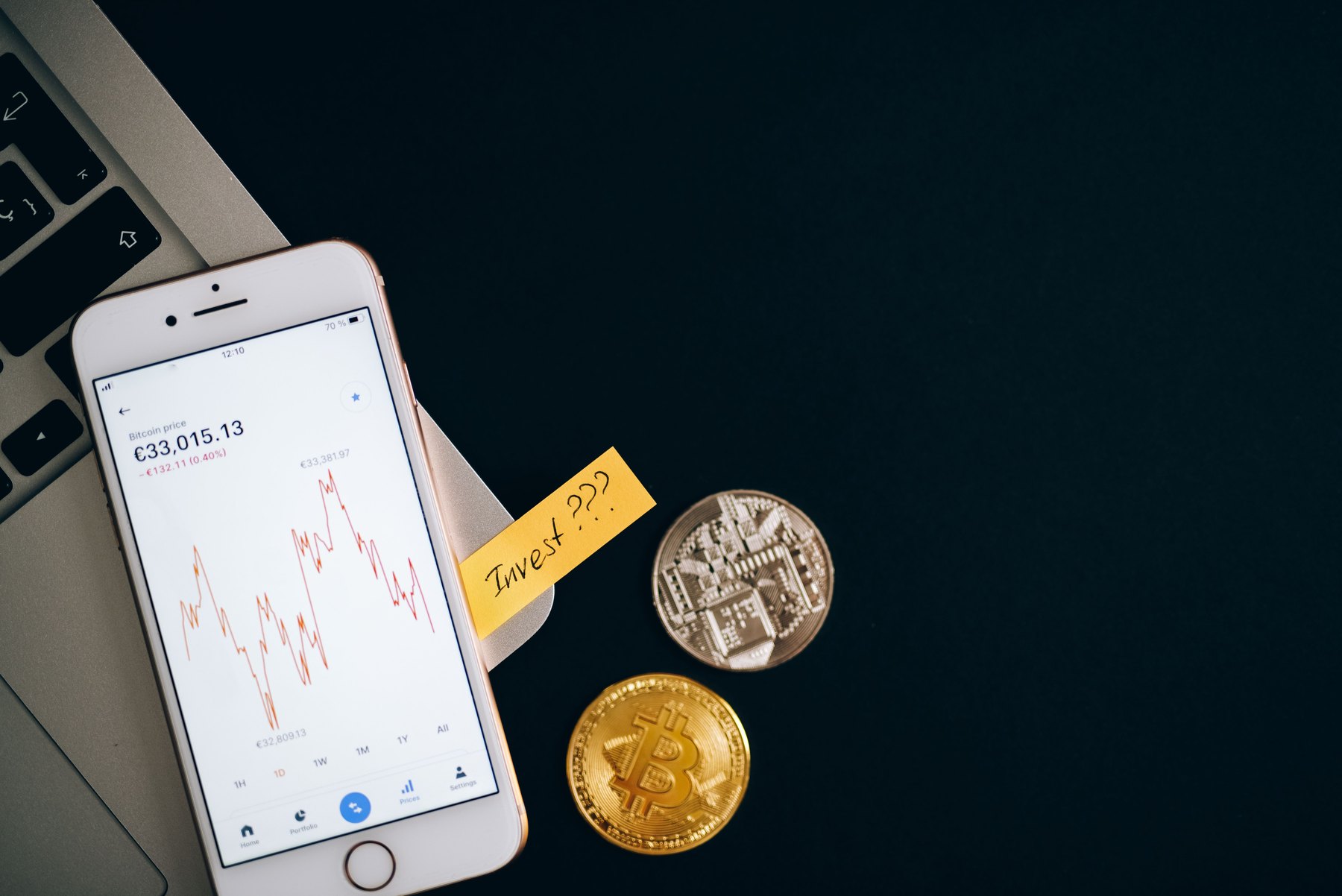
Step 1: Choose a platform type
Most Australians buy crypto through one of these:
- Australian crypto exchanges that support AUD deposits and withdrawals.
- Broker style apps that simplify buying but may have wider spreads or fewer advanced tools.
- Bitcoin ATMs for cash purchases, often with higher fees.
- Peer-to-peer marketplaces where you buy from another person, with extra scam risk if you do not use escrow properly.
Step 2: Create an account and complete identity checks
Most major exchanges require identity verification. Be ready to provide details that match your bank account. If your details do not match, deposits or withdrawals can be delayed.
Step 3: Fund your account in AUD
Common funding methods include PayID, bank transfer, debit card, and sometimes credit card. PayID and bank transfer often have lower fees than cards, but processing times vary by platform and bank.
Step 4: Place your order
You will usually see two main order types:
- Market order: buys immediately at the best available price. Simple, but you accept the current spread and slippage.
- Limit order: you set the maximum price you will pay. It may not fill if the market never reaches your price.
Step 5: Decide on storage and withdrawals
You can leave coins on the exchange, or withdraw to a wallet you control. If you withdraw, double-check the network (for example, Bitcoin network for BTC) and the address. A wrong network selection can lead to permanent loss.
Comparison table: popular ways Australians buy crypto
| Option | Best fit | What to compare | Main drawback |
|---|---|---|---|
| CoinSpot | Beginners who want a simple AUD on-ramp | Instant buy fees vs market fees, spreads, withdrawal fees | Convenience buys can cost more than advanced trading |
| Swyftx | People who want an easy app and recurring buys | Spread, AUD deposit methods, coin availability | Costs can be less transparent if you only look at headline fees |
| Independent Reserve | Users who want an exchange style interface and OTC options | Trading fees, AUD withdrawal process, liquidity | Interface can feel less beginner-friendly |
| BTC Markets | People who want an Australian exchange with trading tools | Maker/taker fees, order types, withdrawal fees | May have fewer coins than some global platforms |
| Binance Australia | Active traders comparing deep liquidity and tools | Fee tiers, AUD on-ramp availability, withdrawal options | Features and AUD rails can change, so you must verify current access |
| Kraken | Users who want a large global exchange and security features | AUD funding methods, trading fees, withdrawal fees | AUD deposit experience can differ by method and time |
Fees to watch: a checklist that prevents expensive surprises
Crypto costs are often a mix of visible fees and hidden costs in the spread. Use this checklist before you deposit money.
| Cost item | Where it shows up | How to reduce it | Common mistake |
|---|---|---|---|
| Deposit fee | When adding AUD via card or certain payment rails | Compare PayID vs card, check your bank transfer options | Using a card for speed without checking the fee |
| Trading fee | When you buy or sell on the exchange | Use advanced trading where available, compare maker/taker rates | Only looking at “$0 commission” marketing |
| Spread | Difference between buy and sell price | Compare the quoted buy price to the market price, use limit orders | Assuming spread is the same across platforms |
| Withdrawal fee (crypto) | When sending coins to your wallet | Batch withdrawals, withdraw less often, check fee schedule | Withdrawing small amounts repeatedly |
| Network fee | Paid to the blockchain miners/validators | Choose lower-fee times when possible, avoid tiny transfers | Confusing exchange fee with network fee |
| AUD withdrawal fee | When cashing out to your bank | Check bank transfer costs and minimums | Not testing a small withdrawal first |
Payment methods in Australia: PayID vs bank transfer vs card
PayID
- Why people use it: often fast and convenient for AUD deposits.
- What to check: deposit limits, name matching, and whether your bank flags transfers to exchanges for extra verification.
Bank transfer
- Why people use it: can be low cost and reliable.
- What to check: processing time, cut-off times, and correct reference numbers.
Debit or credit card
- Why people use it: speed.
- What to check: card fees, cash-advance treatment, and whether your card issuer blocks crypto purchases.
Wallets and storage: choosing between convenience and control
Exchange custody (leaving coins on the platform)
This is the simplest approach if you plan to trade or you are buying small amounts while learning. If you do this, prioritize strong account security: unique password, two-factor authentication, and anti-phishing tools if offered.
Software wallets (hot wallets)
Apps like Exodus, Trust Wallet, and MetaMask are common examples. They are convenient but connected to the internet, so your device security matters. If you use a hot wallet, keep your recovery phrase offline and never share it.
Hardware wallets (cold wallets)
Devices like Ledger and Trezor store keys offline. They can be a good fit if you plan to hold larger amounts long term. The tradeoff is setup complexity and the need to protect your recovery phrase from loss, theft, and damage.
A simple decision rule for storage
- Small learning balance: exchange custody can be acceptable while you learn transfers.
- Growing long-term holdings: consider a hardware wallet and practice with a small test transfer first.
- Active trading: keep only what you need on the exchange, store the rest in a wallet you control.
What this looks like with real numbers: three sample budgets
Crypto is volatile, so many people treat it as a higher-risk slice of their overall plan. Below are example allocations that add up correctly. Adjust the numbers to your income, expenses, and timeline.
Scenario A: New buyer with $1,000 to start
- $700 to a high-interest savings buffer for near-term bills
- $200 to a diversified long-term investment (for example, a broad index fund in a brokerage or super option you understand)
- $100 to crypto (for example, Bitcoin) as a learning position
Why: you get experience without making crypto the center of your finances.
Scenario B: Steady saver with $5,000 available
- $2,500 emergency fund top-up (aiming for 3 to 6 months of expenses over time)
- $2,000 long-term diversified investments
- $500 crypto split across 2 to 3 assets (for example, BTC plus one or two large-cap coins)
Decision rule: if you would feel forced to sell crypto to pay rent or a credit card, the crypto slice is probably too large.
Scenario C: Higher-risk tolerance with $20,000 earmarked for investing
- $12,000 diversified investments (core)
- $4,000 cash reserve for opportunities and unexpected costs
- $4,000 crypto (for example, $3,000 BTC and $1,000 in a small basket)
Decision rule: set a maximum crypto percentage (for example, 0% to 20% depending on risk tolerance) and rebalance if a price surge pushes you above it.
Timeline decision rules: when crypto may fit and when it may not
Under 1 year
If you need the money within a year (bond, tuition, moving costs), prioritize cash and low-volatility options. Crypto price swings can be large over short periods, which can force you to sell at a bad time.
1 to 3 years
Consider keeping most funds in cash or diversified investments you can tolerate fluctuating. If you buy crypto, keep the allocation small enough that a major drop would not derail your plan.
3 to 7 years
You may have more flexibility to hold through downturns. If you invest in crypto, consider a recurring buy plan and a clear rebalancing rule.
7+ years
Long timelines can make volatility easier to live with, but risk is still real. Focus on secure storage, a long-term thesis, and avoiding leverage.
Safer buying habits: a practical checklist
- Start with a small test buy before moving larger amounts.
- Turn on two-factor authentication and store backup codes securely.
- Use a unique password and consider a password manager.
- Verify URLs and apps to avoid phishing and fake support channels.
- Do a test withdrawal of a small amount to your wallet before sending more.
- Double-check the network and address every time you send crypto.
- Avoid borrowing to buy crypto if repayment would depend on price gains.
Borrowing to buy crypto: why it can backfire
Some people consider using a credit card, personal loan, or buy now pay later to purchase crypto. This can add fixed repayment obligations to an asset that can drop quickly. If you are comparing borrowing options, focus on the total cost of credit (APR, fees, and repayment schedule) and whether you could repay even if the crypto value fell sharply.
Taxes and records: what to track from day one
In Australia, crypto transactions can have tax implications. Keeping clean records makes life easier later. Track:
- Date and time of each buy and sell
- AUD value at the time of the transaction
- Fees paid
- Wallet addresses and transaction IDs
- Purpose (investment, transfer between your wallets, purchase)
For official guidance, review the Australian Taxation Office crypto pages and keep documentation consistent with your tax reporting approach.
Where to learn more and avoid common scams
Crypto scams often involve fake support, impersonation, and pressure to act quickly. For general scam prevention and identity protection practices that also apply to financial accounts, these resources are useful:
- FTC consumer advice on scams and fraud prevention
- CFPB resources on managing financial products and avoiding fraud
- FDIC guidance on protecting bank accounts and avoiding fraud
Quick start: a 10-minute buying plan
- Pick 2 to 3 exchanges from the table and compare deposit methods, trading fees, spreads, and withdrawal fees.
- Create an account and complete identity checks.
- Deposit a small amount via PayID or bank transfer.
- Place a small market buy or a limit buy if you want price control.
- Turn on two-factor authentication immediately.
- If you plan to self-custody, set up your wallet and do a small test withdrawal.
- Write down your record-keeping system (spreadsheet or app) and log the first transaction.
If you take your time with fees, transfers, and security, buying crypto can be straightforward. The key is to choose a platform that fits how you plan to buy, hold, and cash out in AUD, then build habits that reduce preventable mistakes.


