

Congress Getting Rich Trading Stocks: What’s Legal, What’s Not, and How It Can Affect Your Money

Congress stock trading is legal in many situations today, but it is heavily scrutinized, restricted by certain rules, and frequently targeted by proposed bans and reforms.
Contents
24 sections
-
Why Congress stock trading is such a big deal
-
Is it illegal for members of Congress to trade stocks?
-
What can be illegal
-
What is often legal but controversial
-
Congress stock trading: the STOCK Act and disclosure basics
-
What reforms are being proposed and what "making it illegal" could look like
-
Common tradeoffs lawmakers debate
-
How this affects your money: investing, borrowing, and financial stress
-
A decision rule: what to do when political trading headlines spike
-
Timeline rules for your money (under 1 year to 7+ years)
-
Under 1 year
-
1 to 3 years
-
3 to 7 years
-
7+ years
-
What this looks like with real numbers: 3 sample allocations
-
Scenario A: $5,000 starter cushion while paying down high interest debt
-
Scenario B: $20,000 household fund with a near term goal (car replacement in 18 months)
-
Scenario C: $100,000 split between safety, medium term goals, and long term investing
-
Table: Headline risk checklist for your financial decisions
-
How to protect your credit if market and political news makes you anxious
-
Table: Where to park cash safely while you decide
-
What to watch for in the news (without turning it into a trading strategy)
-
If you are borrowing soon: keep your plan boring and documentable
-
Practical takeaways
If you have ever wondered whether members of Congress can trade stocks, why it matters, and what it means for your own finances, this guide breaks it down in plain English. You will learn what the current rules generally require, what “illegal” would mean in practice, what reforms are being debated, and how to protect your budget, credit, and investing plan from headline driven decisions.
Why Congress stock trading is such a big deal
When lawmakers buy and sell stocks, it raises two big concerns:
- Conflicts of interest: A lawmaker may vote on rules that affect a company or industry while also owning related investments.
- Information advantage: Lawmakers may learn market moving information through briefings or committee work. Trading on material nonpublic information is illegal for everyone, including members of Congress.
Even if a trade is technically allowed, it can still look unfair to the public. That perception can erode trust and create political pressure for stricter rules.
Is it illegal for members of Congress to trade stocks?
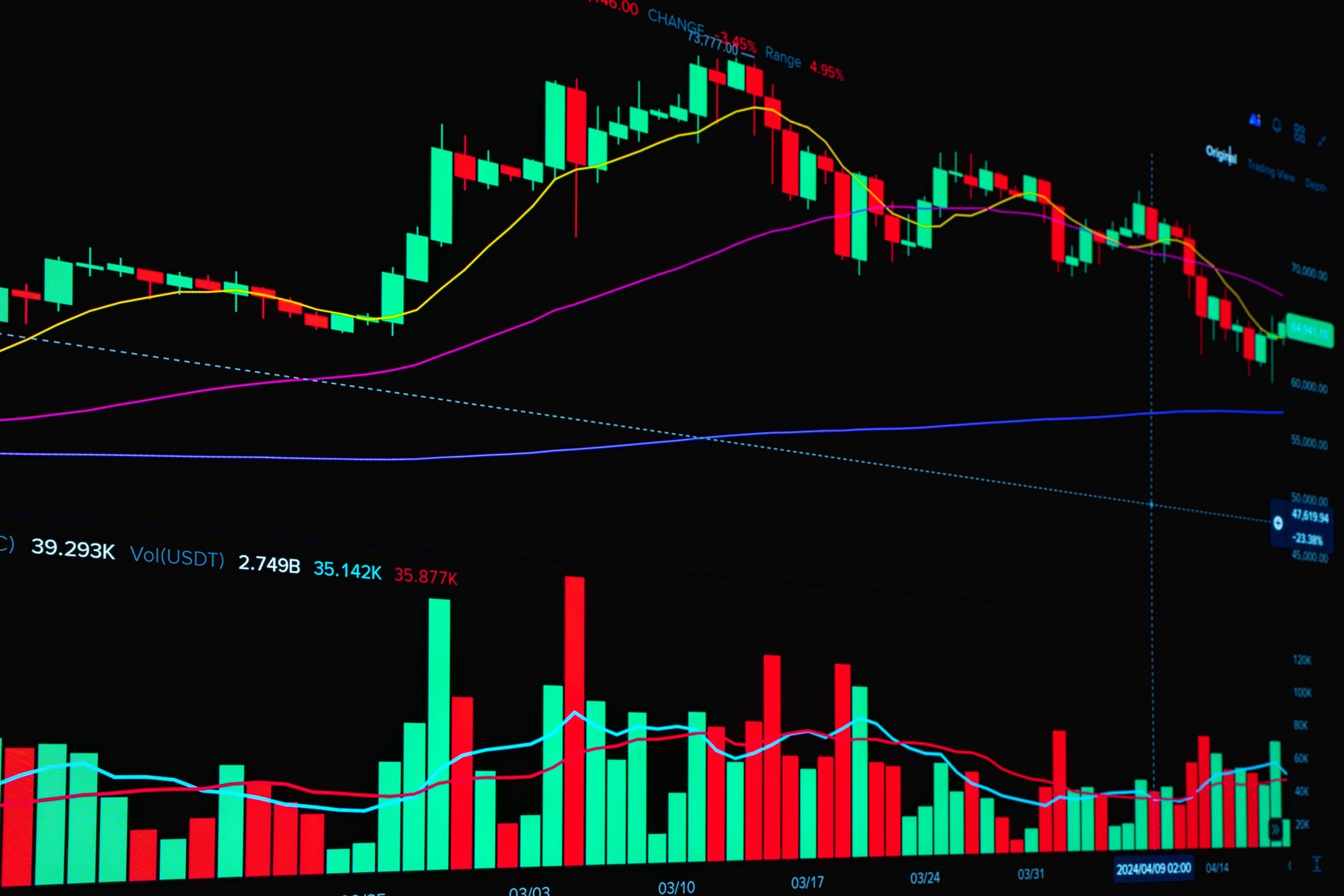
Not automatically. Stock trading by members of Congress is not broadly illegal under current federal law. However, certain conduct can be illegal, and certain reporting failures can violate rules.
What can be illegal
- Insider trading: Trading based on material nonpublic information is illegal under securities laws. The challenge is proving what someone knew and when they knew it.
- Failure to disclose trades: Members of Congress are generally required to report certain transactions within a set timeframe under the STOCK Act. Missing or inaccurate disclosures can lead to penalties.
- Other ethics violations: Depending on the situation, conflicts of interest rules, gift rules, or misuse of official resources can create additional problems.
What is often legal but controversial
- Owning diversified investments such as broad index funds.
- Trading individual stocks when it is properly disclosed and not based on nonpublic information.
- Spouses trading in their own accounts, which can still create conflict concerns and may be subject to disclosure depending on the rules.
Congress stock trading: the STOCK Act and disclosure basics
The Stop Trading on Congressional Knowledge (STOCK) Act was designed to reinforce that members of Congress are not exempt from insider trading laws and to require more timely public disclosure of certain financial transactions.
Key ideas to understand:
- Disclosure is a core requirement: Many transactions must be reported, typically within a short window after the trade.
- Disclosure is not the same as approval: A disclosed trade can still be criticized or investigated if there are concerns about conflicts or information advantage.
- Penalties exist: Late filings can trigger fines, but critics argue penalties may be too small to deter behavior.
If you want to read consumer friendly explanations of how markets and fraud enforcement work, the SEC is the primary regulator, but for personal finance protection and scams, the FTC is often more relevant for households. See the FTC’s consumer resources here: https://consumer.ftc.gov/.
What reforms are being proposed and what “making it illegal” could look like
When people say “make Congress getting rich trading stocks illegal,” they usually mean one of these policy approaches:
- Ban individual stock trading for members of Congress (and sometimes spouses and senior staff).
- Require qualified blind trusts so lawmakers cannot control day to day investment choices.
- Limit holdings to diversified funds like broad index funds, mutual funds, or ETFs.
- Stronger enforcement and penalties for late disclosures or violations.
- Shorter reporting windows and more real time transparency.
These proposals differ in how strict they are and how they handle family accounts, retirement plans, and pre existing holdings.
Common tradeoffs lawmakers debate
- Fairness vs. practicality: A strict ban is simple to understand but can be complex to implement for spouses, trusts, and retirement accounts.
- Transparency vs. privacy: Faster disclosures increase transparency but also increase personal security and privacy concerns.
- Enforcement: Rules only matter if they are monitored and penalties are meaningful.
How this affects your money: investing, borrowing, and financial stress
Most households are not directly affected by whether a specific lawmaker buys a specific stock. The bigger risk is what headlines can do to your behavior:
- Chasing trades: Trying to copy trades you see in the news can tempt you into short term speculation, higher taxes, and higher risk.
- Market timing: Political headlines can make you buy high or sell low.
- Budget drift: Stress scrolling and reactive decisions can lead to overspending, missed bills, or taking on expensive debt.
A practical approach is to focus on what you can control: your emergency fund, high interest debt, credit health, and a diversified long term investment plan.
A decision rule: what to do when political trading headlines spike
Use this quick checklist before you change anything in your finances:
- Pause 48 hours before making a big portfolio change based on a headline.
- Check your cash runway: Do you have 3 to 12 months of essential expenses in a safe place?
- Check your interest rates: Any credit card APR or personal loan APR that is high relative to expected investment returns is a priority to address.
- Rebalance, do not react: If your portfolio drifted, consider rebalancing to your target allocation rather than making a new bet.
- Document your plan: Write down your target allocation and rules for buying and selling so you are not improvising under stress.
Timeline rules for your money (under 1 year to 7+ years)
Political news can be noisy. Your timeline is usually the best guide for what to do.
Under 1 year
- Prioritize liquidity and stability.
- Common tools: FDIC insured savings accounts, money market deposit accounts, short term CDs (verify early withdrawal penalties).
- Avoid tying up bill money in volatile assets.
1 to 3 years
- Focus on preserving principal with modest yield.
- Consider a CD ladder or a conservative mix of cash and short duration bond funds, depending on risk tolerance.
3 to 7 years
- You may be able to take moderate market risk if the goal date is flexible.
- Diversification matters more than headlines. Broad index funds can reduce single company risk.
7+ years
- Long term goals can typically tolerate market cycles better than short term goals.
- Focus on contribution rate, diversification, and costs rather than political trading stories.
What this looks like with real numbers: 3 sample allocations
Below are example allocations that show how a household might organize money so that headlines do not force expensive borrowing later. These are illustrations, not one size fits all plans.
Scenario A: $5,000 starter cushion while paying down high interest debt
- $2,000 in an FDIC insured savings account for immediate surprises
- $1,000 in checking for bills and a small buffer
- $2,000 extra toward the highest APR credit card balance
Total: $5,000
Scenario B: $20,000 household fund with a near term goal (car replacement in 18 months)
- $10,000 in a high yield savings account (emergency fund core)
- $7,000 in a 12 to 18 month CD ladder (match to expected purchase timing)
- $3,000 toward a personal loan principal or credit card payoff (if APR is high)
Total: $20,000
Scenario C: $100,000 split between safety, medium term goals, and long term investing
- $25,000 in savings or money market deposit account (3 to 6 months of expenses for many households)
- $15,000 in CDs or short term Treasuries for a 1 to 3 year goal
- $60,000 in a diversified portfolio (for 7+ year goals), such as broad stock and bond index funds
Total: $100,000
Table: Headline risk checklist for your financial decisions
| Decision you are considering | Best time to do it | What to check first | Main risk if you rush |
|---|---|---|---|
| Sell investments because of a political trading story | After a 48 hour pause and review | Goal timeline, diversification, tax impact | Selling low, locking in losses, tax bill |
| Buy a “hot” stock mentioned in the news | Only if it fits your long term plan | Position size limit, fundamentals, volatility | Concentration risk, FOMO buying |
| Take a personal loan to invest | Rarely appropriate for most households | APR, repayment term, downside scenario | Owing fixed payments during a market drop |
| Increase emergency savings | Any time cash flow allows | Monthly essentials, job stability | Keeping too little cash and using credit cards later |
How to protect your credit if market and political news makes you anxious
When people feel uncertain, they sometimes lean on credit cards, buy now pay later plans, or high cost loans. A few practical moves can reduce the chance that anxiety becomes expensive debt:
- Automate minimum payments for all debts to avoid late fees and credit score damage.
- Set a “news budget” rule: no financial decisions after reading breaking news. Review finances on a scheduled day instead.
- Check your credit reports for errors and fraud, especially if you are applying for a loan soon.
You can get your credit reports at https://www.annualcreditreport.com/.
Table: Where to park cash safely while you decide
| Place to keep money | Best for | What to compare | Main drawback |
|---|---|---|---|
| FDIC insured savings account | Emergency fund, near term goals | APY, fees, transfer speed, minimums | Rate can change; may lag inflation |
| Money market deposit account (bank) | Cash you might need soon | APY tiers, withdrawal limits, fees | May have minimum balance requirements |
| Certificates of deposit (CDs) | Funds you can lock up for a set term | APY by term, early withdrawal penalty | Less flexible if you need cash early |
| U.S. Treasury bills (via broker or TreasuryDirect) | Short term parking with government backing | Maturity date, yield, liquidity | Requires setup and understanding settlement timing |
What to watch for in the news (without turning it into a trading strategy)
If you follow this topic, focus on structural changes rather than day to day drama:
- Rule changes: new restrictions on individual stock trading, blind trust requirements, or expanded coverage to spouses and staff.
- Enforcement changes: stronger penalties, audits, or improved disclosure systems.
- Disclosure quality: whether filings become easier to search and analyze.
If you are borrowing soon: keep your plan boring and documentable
Political headlines can tempt people to move money around quickly. If you plan to apply for a mortgage, auto loan, or personal loan in the next 3 to 12 months, stability helps. Consider these decision rules:
- Avoid opening new credit lines unless you need them and can manage them.
- Keep cash for down payments and closing costs in stable accounts rather than volatile investments.
- Reduce credit utilization by paying down revolving balances when possible.
- Keep documentation for large deposits and transfers so underwriting is smoother.
For general guidance on borrowing and avoiding costly loan features, the CFPB has consumer resources at https://www.consumerfinance.gov/.
Practical takeaways
- Congress stock trading is not automatically illegal, but insider trading and certain disclosure failures can be illegal or sanctionable.
- Proposed reforms often focus on banning individual stock trading, requiring blind trusts, and strengthening enforcement.
- Your best protection is a plan built on timeline, diversification, and cash reserves, not reacting to headlines.
- If stress pushes you toward debt, prioritize emergency savings, on time payments, and reducing high APR balances.
If you are unsure whether your bank account is protected, you can review FDIC deposit insurance basics here: https://www.fdic.gov/.

