

Gold Investing Before Fed Decision

Gold investing before Fed decision can feel like trying to read a weather forecast that changes by the hour. Prices often react to interest rate expectations, inflation data, and the US dollar, sometimes within minutes of a Federal Reserve announcement. If you are considering buying gold or adjusting an existing position, the goal is usually not to predict the exact headline. It is to choose a gold exposure that fits your timeline, cash needs, and risk tolerance, and to avoid common mistakes like overconcentrating or paying unnecessary costs.
Contents
38 sections
-
Why gold often moves around Fed decisions
-
1) Real interest rates and opportunity cost
-
2) The US dollar
-
3) Inflation expectations and uncertainty
-
4) Market positioning and short term liquidity
-
Gold investing before Fed decision: a simple decision framework
-
Step 1: Define the job of gold in your plan
-
Step 2: Choose a timeline and matching vehicle
-
Step 3: Set position size rules
-
Step 4: Plan the trade mechanics
-
What to watch in the Fed statement and press conference
-
Dot plot and rate path expectations
-
Language about inflation progress
-
Balance sheet policy
-
Market reaction, not just the news
-
Ways to invest in gold and how they differ
-
Physical gold: coins and bars
-
Gold ETFs and trusts
-
Gold mining stocks and mining ETFs
-
Futures and options
-
Comparison table: recognizable gold investing options
-
Costs and risks checklist before you buy
-
Timeline rules: under 1 year, 1 to 3 years, 3 to 7 years, 7+ years
-
Under 1 year
-
1 to 3 years
-
3 to 7 years
-
7+ years
-
What this looks like with real numbers: 3 sample allocations
-
Scenario A: $10,000 set aside, Fed decision in a week, money needed within 12 months
-
Scenario B: $50,000 taxable brokerage, long term investor, wants diversification
-
Scenario C: $100,000 net worth portfolio, includes emergency fund, wants some physical gold
-
Practical entry and exit rules around the Fed
-
If you are investing (not trading)
-
If you are trading the event
-
How gold fits with debt and cash flow decisions
-
Common mistakes to avoid before a Fed announcement
-
Helpful resources for safer financial decisions
-
Quick pre Fed checklist
This guide breaks down what typically drives gold around Fed meetings, how different gold products behave, and how to build a simple decision plan with real numbers. You will also see a comparison of well known options and a checklist you can use before placing any trade.
Why gold often moves around Fed decisions
Gold is priced globally and tends to respond to a few key forces that the Fed influences directly or indirectly:
1) Real interest rates and opportunity cost
Gold does not pay interest or dividends. When real yields (interest rates after inflation) rise, some investors prefer interest bearing assets, which can pressure gold. When real yields fall, gold can look more attractive as a store of value.
2) The US dollar
Gold is commonly priced in US dollars. A stronger dollar can make gold more expensive for non US buyers, which can reduce demand. A weaker dollar can have the opposite effect. Fed policy expectations can move the dollar quickly.
3) Inflation expectations and uncertainty
Gold is often treated as a hedge against unexpected inflation and financial stress. If markets interpret the Fed as behind the curve on inflation, or if uncertainty rises, gold can benefit. If the Fed is seen as credibly containing inflation, gold can cool off.
4) Market positioning and short term liquidity
Sometimes gold moves less because of fundamentals and more because traders are crowded on one side of the trade. Around Fed days, volatility can spike, stops can trigger, and prices can overshoot in either direction.
Gold investing before Fed decision: a simple decision framework
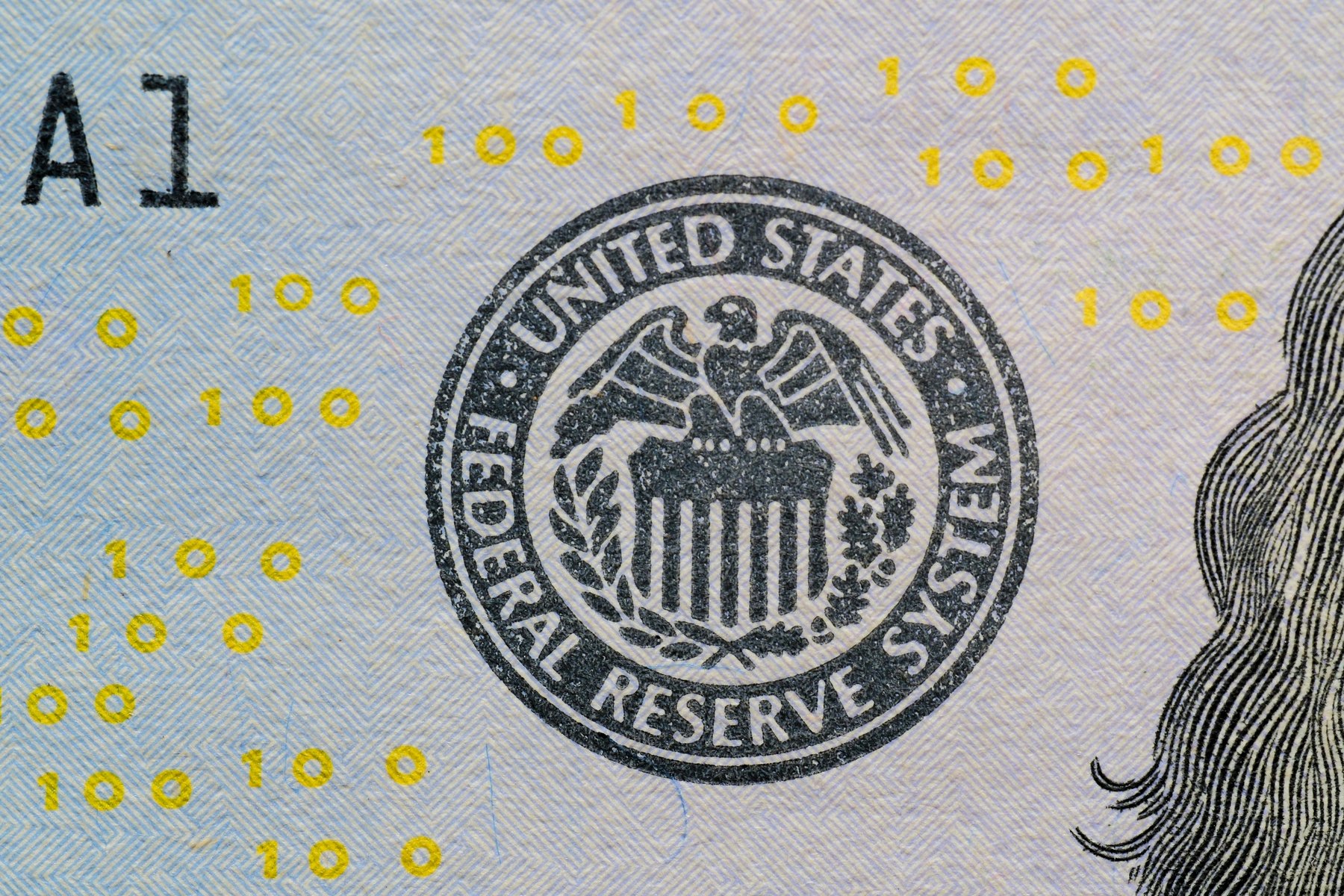
Instead of guessing the announcement, decide what role gold should play in your finances. Use this framework:
Step 1: Define the job of gold in your plan
- Diversifier: a small allocation to reduce portfolio swings.
- Inflation hedge: a partial hedge if you worry about purchasing power.
- Crisis hedge: a position meant to hold value in risk off periods.
- Short term trade: a tactical bet on a near term move.
Step 2: Choose a timeline and matching vehicle
Gold products vary a lot in costs, taxes, storage, and tracking error. Your timeline helps narrow the choices.
Step 3: Set position size rules
Many diversified investors keep gold as a modest slice rather than a dominant holding. A common range you will see discussed is 0% to 10% of a long term portfolio, but the right number depends on your other assets, job stability, and how you react to volatility. If you are using gold as a short term trade, consider using smaller sizing and predefined exit rules because Fed day moves can reverse quickly.
Step 4: Plan the trade mechanics
- Decide whether you will buy all at once or use dollar cost averaging over several weeks.
- Know your total costs: spreads, premiums, management fees, shipping, storage, and taxes.
- Decide in advance what would make you trim, add, or hold.
What to watch in the Fed statement and press conference
Gold can react to the rate decision itself, but often the bigger move comes from the details. Here are practical items to track:
Dot plot and rate path expectations
If the Fed signals fewer cuts or more hikes than markets expected, yields and the dollar can rise, which can pressure gold. If the Fed signals a more dovish path, gold can benefit.
Language about inflation progress
Gold can respond to whether the Fed sounds confident about inflation returning to target or concerned about sticky inflation.
Balance sheet policy
Changes to quantitative tightening pace can affect liquidity and risk sentiment, which can spill into gold.
Market reaction, not just the news
Sometimes the Fed delivers what everyone expected, but gold still moves because positioning was one sided. Watching how yields and the dollar react in the first hour can be more informative than the headline.
Ways to invest in gold and how they differ
You can get gold exposure through physical metal, funds, mining stocks, or derivatives. Each behaves differently around Fed events.
Physical gold: coins and bars
Physical gold can be appealing if you want direct ownership without fund structures. Costs can be higher due to dealer premiums, shipping, and storage. Liquidity depends on where and how you sell.
Gold ETFs and trusts
Funds can be convenient and liquid, with transparent pricing and easy rebalancing. You will typically pay an expense ratio and you do not hold the metal directly in your home. Some products are structured as trusts and can have different tax treatment than stock ETFs.
Gold mining stocks and mining ETFs
Miners can move more than gold itself because they are operating businesses with costs, debt, and management risk. They can outperform in some gold bull markets and underperform when costs rise or operations disappoint. Around Fed days, miners can behave more like equities than like bullion.
Futures and options
Derivatives can provide leverage and precise risk controls, but they can also magnify losses. They are typically better suited to experienced traders who understand margin, contract specs, and volatility around events.
Comparison table: recognizable gold investing options
| Option | Best fit | What to compare | Main drawback |
|---|---|---|---|
| SPDR Gold Shares (GLD) | Liquid, simple gold price exposure in a brokerage account | Expense ratio, bid ask spread, tax treatment, tracking vs spot | Ongoing fees and you do not hold physical metal directly |
| iShares Gold Trust (IAU) | Lower cost style exposure for long term holders | Expense ratio, liquidity, tax treatment, tracking | Still a fund structure with ongoing fees |
| Aberdeen Standard Physical Gold Shares ETF (SGOL) | Investors who care about custody and vault details | Vaulting disclosures, expense ratio, liquidity | Can be less liquid than the largest funds |
| Vanguard Gold Miners ETF (GDX) | Those seeking higher beta exposure via miners | Holdings, geographic risk, fees, concentration, correlation to equities | Mining business risk and equity market sensitivity |
| Physical coins (American Gold Eagle, Canadian Maple Leaf) | Direct ownership and potential portability | Dealer premium, buyback spread, authenticity, storage and insurance | Higher transaction costs and storage considerations |
| Allocated bullion storage (via major bullion dealers) | Those who want titled metal stored professionally | Storage fees, audit policy, redemption rules, insurance | Ongoing storage costs and counterparty logistics |
Costs and risks checklist before you buy
Use this checklist to avoid paying too much or taking risks you did not intend.
| Item to check | Why it matters | Quick rule of thumb |
|---|---|---|
| Total ownership cost | Fees and spreads can quietly reduce returns | Add up expense ratios, premiums, shipping, storage, and sell spread |
| Liquidity | You may need to sell quickly after a Fed move | ETFs are usually more liquid than physical coins |
| Tax treatment | Some gold products can be taxed differently than stock funds | Check how your product is taxed before choosing an account type |
| Tracking and structure | Not all products follow spot gold closely | Miners can diverge significantly from bullion |
| Storage and insurance | Physical gold creates security and loss risks | If you cannot store it safely, consider a fund or professional storage |
| Counterparty risk | Funds and storage programs rely on custodians and processes | Read custody disclosures and redemption rules |
| Event day volatility | Fed days can produce whipsaws | Avoid using money you need in the next few months |
Timeline rules: under 1 year, 1 to 3 years, 3 to 7 years, 7+ years
Under 1 year
- Primary goal: protect near term cash needs.
- Decision rule: if you need the money for rent, a down payment, taxes, or debt payments, prioritize liquidity and stability over a Fed day trade.
- What gold can do: potentially hedge a shock, but it can also drop quickly. Consider keeping gold exposure small or skipping it for this bucket.
1 to 3 years
- Primary goal: balance modest growth with capital preservation.
- Decision rule: if you want gold here, consider a small allocation and prefer liquid, lower friction vehicles so you can rebalance.
3 to 7 years
- Primary goal: diversify a multi asset portfolio.
- Decision rule: a steady allocation with periodic rebalancing can matter more than the exact Fed meeting entry point.
7+ years
- Primary goal: long term resilience across inflation regimes.
- Decision rule: decide a target range for gold, then rebalance annually or when it drifts beyond your band.
What this looks like with real numbers: 3 sample allocations
Below are examples to make the tradeoffs concrete. These are not one size fits all templates. They show how gold might fit alongside cash reserves and a diversified portfolio.
Scenario A: $10,000 set aside, Fed decision in a week, money needed within 12 months
- $9,500 in an FDIC insured savings account or money market deposit account (check current APY and withdrawal rules)
- $500 in a gold ETF for a small hedge (5%)
Why: the main job is preserving cash for near term needs. The gold slice is small enough that a sharp move should not derail the plan.
Scenario B: $50,000 taxable brokerage, long term investor, wants diversification
- $42,500 in a diversified stock and bond mix (85%)
- $5,000 in a gold ETF (10%)
- $2,500 in cash for rebalancing opportunities (5%)
Decision rule: rebalance if gold grows above 12% or falls below 8% of the portfolio. This focuses on discipline rather than predicting the Fed.
Scenario C: $100,000 net worth portfolio, includes emergency fund, wants some physical gold
- $20,000 emergency fund in FDIC insured accounts (20%)
- $72,000 diversified investments (72%)
- $5,000 in a gold ETF (5%)
- $3,000 in widely recognized bullion coins (3%)
Why: the investor gets some direct ownership while keeping physical gold small enough to reduce storage and resale friction.
Practical entry and exit rules around the Fed
If you are investing (not trading)
- Use a band: choose a target allocation range, such as 3% to 8%, and rebalance when you drift outside it.
- Stagger buys: consider splitting a purchase into 2 to 4 tranches over several weeks to reduce the risk of buying the top of a spike.
- Focus on all in cost: a slightly better entry price can matter less than high premiums or ongoing fees.
If you are trading the event
- Size smaller: event volatility can be higher than normal.
- Define the invalidation point: decide what price move would tell you the thesis is wrong.
- Avoid forced selling: do not use money needed for bills or near term debt payments.
How gold fits with debt and cash flow decisions
Before adding gold, it helps to check whether other moves may have a clearer payoff for your situation:
- High interest debt: paying down high APR credit card balances can reduce financial stress and free cash flow. Compare the certainty of interest savings to the uncertainty of gold price moves.
- Emergency fund: if you do not have 3 to 12 months of essential expenses in accessible cash, building that buffer can reduce the chance you sell investments at a bad time.
- Insurance and deductibles: if a single expense could force you into debt, consider whether cash reserves are more urgent than increasing gold exposure.
Common mistakes to avoid before a Fed announcement
- Buying because of a single headline: gold can reverse quickly after the press conference or after markets digest the details.
- Confusing miners with gold: mining stocks can drop even when gold rises if costs or broader equities fall.
- Ignoring premiums on physical coins: a high premium means gold must rise more before you break even on resale.
- Overconcentrating: a large gold bet can increase portfolio swings, especially if you also hold other commodity sensitive assets.
- Not planning taxes: different gold products can have different tax rules. Check how your holding is taxed and how that interacts with your account type.
Helpful resources for safer financial decisions
- FDIC guidance on deposit insurance and bank accounts: https://www.fdic.gov/
- CFPB resources on managing money and financial products: https://www.consumerfinance.gov/
- FTC guidance on spotting scams and fraud: https://consumer.ftc.gov/
Quick pre Fed checklist
- What is gold supposed to do in my plan: diversify, hedge inflation, hedge crisis, or trade?
- What is my timeline: under 1 year, 1 to 3 years, 3 to 7 years, 7+ years?
- What vehicle matches that timeline: physical, ETF, miners, or derivatives?
- What is my maximum allocation and my rebalance band?
- What are the total costs: premiums, spreads, fees, storage, taxes?
- If gold drops 10% to 20% quickly, can I still meet my cash needs without selling?
Gold can be a useful tool, especially when you treat it as part of a broader plan rather than a single event bet. If you decide to invest before the Fed decision, focus on choosing the right type of exposure, keeping costs reasonable, and sizing the position so a volatile week does not force a bad financial decision.


