

How to Find New Crypto Coins

How to find new crypto coins starts with knowing where coins first appear, how to verify basic facts, and how to spot common red flags before you put money at risk.
Contents
26 sections
-
What "new crypto coin" can mean (and why it matters)
-
How to find new crypto coins: the main discovery sources
-
1) Coin and token aggregators (fast, but not a quality filter)
-
2) Exchange listing announcements (better visibility, still not risk-free)
-
3) DEX analytics and "new pairs" feeds (where many tokens debut)
-
4) On-chain explorers and dashboards (verification layer)
-
5) Launchpads and fundraising platforms (structured, but still speculative)
-
6) Developer and community signals (useful, easy to fake)
-
Comparison table: common places to discover new coins (with named options)
-
A practical vetting checklist before you buy
-
Step 1: Verify you have the correct token
-
Step 2: Check liquidity and trading conditions
-
Step 3: Review token distribution and unlocks
-
Step 4: Evaluate the project's purpose and traction
-
Step 5: Security and governance basics
-
Risk and scam signals table: what to watch for
-
Decision rules: how much to allocate and when (with real numbers)
-
Timeline rules
-
Three sample allocations that add up
-
Position sizing rule of thumb for new coins
-
How to compare a new coin to alternatives
-
Execution basics: buying safely and keeping records
-
Minimize avoidable mistakes when trading
-
Security habits that matter
-
Where to learn more about fraud and protecting your money
-
A simple workflow you can repeat
New coins can show up on decentralized exchanges (DEXs), launchpads, and smaller centralized exchanges (CEXs) before they reach major platforms. That early access can come with higher volatility, thinner liquidity, and more scams. The goal is not to chase hype. It is to build a repeatable process for discovery, verification, and position sizing.
What “new crypto coin” can mean (and why it matters)
“New coin” is used loosely. Clarifying what you are looking at changes how you research it and where you find it.
- New token on an existing chain (most common): A token deployed on Ethereum, Solana, BNB Chain, Base, Arbitrum, Polygon, etc. These often trade first on DEXs.
- New coin with its own chain (less common): A new Layer 1 network or a major fork. These often appear via testnets, foundations, and exchange listings.
- New listing: An older token that is newly listed on a major exchange. This can move price and liquidity, but it is not “new” tech.
- New narrative: A token that becomes “new” to the market because of a trend (AI, restaking, memecoins). Discovery sources are often social and analytics tools.
How to find new crypto coins: the main discovery sources
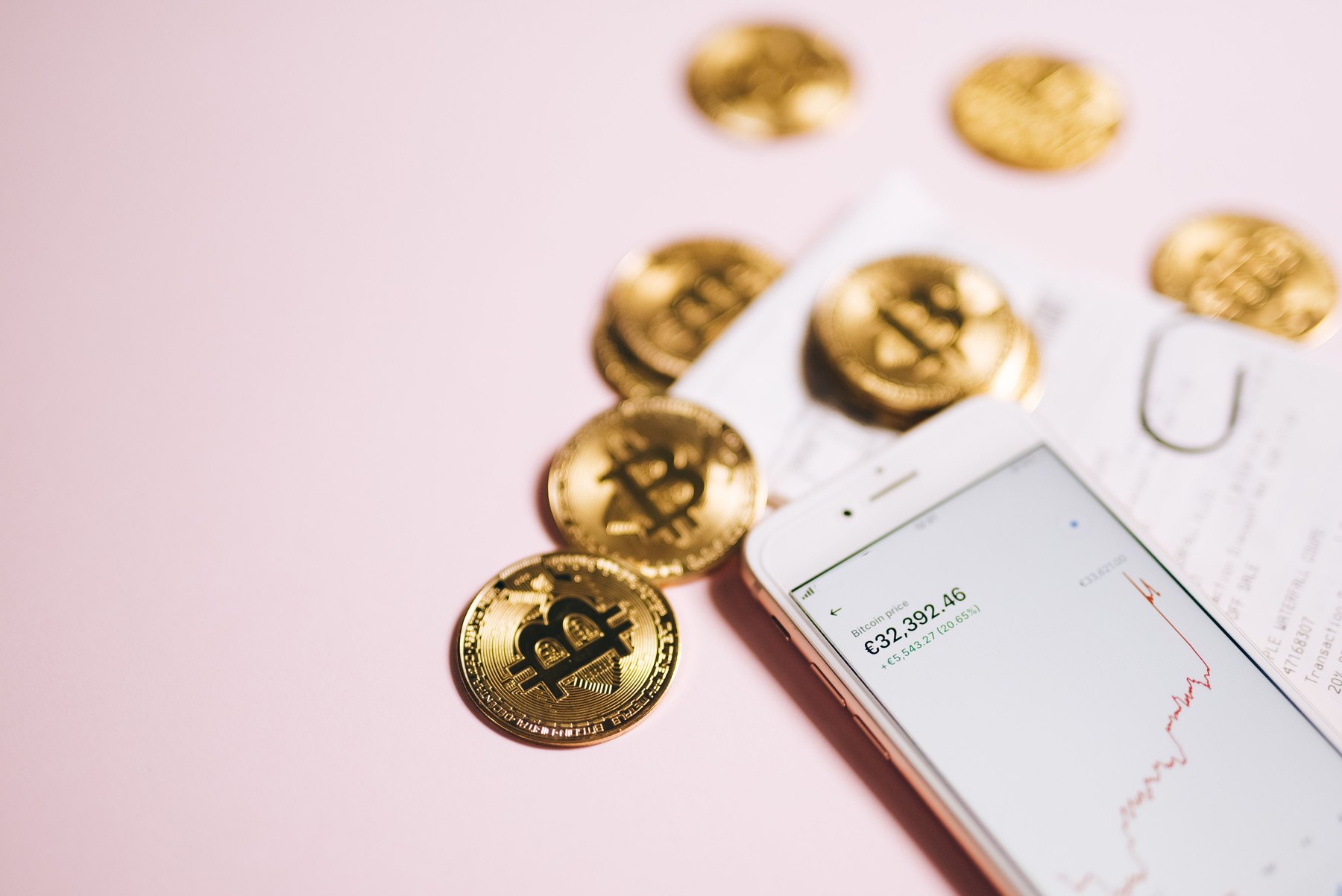
Use multiple sources so you are not relying on one feed that can be gamed. Start broad, then narrow to projects that pass basic checks.
1) Coin and token aggregators (fast, but not a quality filter)
Aggregators are useful for seeing newly tracked tokens, market data, and links to explorers. Examples include CoinMarketCap and CoinGecko. Many low quality tokens still appear, so treat these as a starting list, not a buy list.
- Look for “Recently Added” or “New Listings” sections.
- Check whether the project links to an official website, docs, and verified social accounts.
- Confirm the contract address using an explorer, not a random post.
2) Exchange listing announcements (better visibility, still not risk-free)
Major exchanges often publish listing announcements and “roadmap” style updates. Examples: Binance, Coinbase, Kraken, OKX, and Bybit. A listing can improve liquidity and access, but it does not remove market risk.
- Compare where it is listed (spot, perpetuals, or both).
- Check trading restrictions, supported networks, and deposit and withdrawal status.
- Watch for copycat tickers. Verify the contract address and network.
3) DEX analytics and “new pairs” feeds (where many tokens debut)
Many brand new tokens first trade on DEXs. Tools like DexScreener and DEXTools can show new pairs, volume spikes, liquidity, and price action. This is also where scams can spread quickly.
- Filter by chain (for example, Ethereum vs Solana) and by minimum liquidity.
- Look for consistent volume over time, not one candle spike.
- Check whether liquidity is locked or if the deployer can remove it easily.
4) On-chain explorers and dashboards (verification layer)
Explorers help you confirm the contract, holders, and transactions. Examples include Etherscan (Ethereum), Solscan (Solana), and BscScan (BNB Chain). For deeper analysis, Nansen and Dune dashboards can help you see wallet behavior and token flows.
- Confirm the contract address matches the official site and docs.
- Review top holders and whether one wallet controls a large share.
- Check recent transactions for patterns like wash trading.
5) Launchpads and fundraising platforms (structured, but still speculative)
Some projects launch through platforms that coordinate token sales or liquidity bootstrapping. Examples include CoinList (token sales), Binance Launchpad, and decentralized approaches like liquidity bootstrapping pools. Read the token distribution and unlock schedule carefully.
- Understand vesting, cliffs, and unlock dates.
- Check whether insiders and early investors have large allocations.
- Look for clear use of funds and a realistic roadmap.
6) Developer and community signals (useful, easy to fake)
GitHub activity, developer docs, and community channels can indicate whether a project is building. But follower counts and engagement can be purchased. Use these signals only after you verify the basics.
- Check whether code repos are active and whether issues are being addressed.
- Read the docs for clarity on token utility and risks.
- Be cautious with influencer-driven launches and paid promotions.
Comparison table: common places to discover new coins (with named options)
| Option | Best fit | What to compare | Main drawback |
|---|---|---|---|
| CoinMarketCap | Broad discovery and quick stats | Links, contract address, markets, liquidity | Listings are not a quality stamp |
| CoinGecko | Cross-checking data and categories | Markets, community links, token info | New tokens can be noisy and risky |
| DexScreener | Finding brand new DEX pairs | Liquidity, volume, price impact, pair age | High scam density and thin liquidity |
| DEXTools | Charting and pair monitoring | Liquidity locks, holders, trend tools | Signals can be gamed by manipulators |
| Binance listing announcements | New listings with higher visibility | Network support, trading pairs, restrictions | Listing hype can increase volatility |
| Coinbase listings | Users who want a regulated on-ramp | Availability by region, custody, fees | Not all tokens are available everywhere |
| Etherscan and Solscan | Verifying contracts and holders | Contract verification, top holders, transfers | Requires interpretation and context |
A practical vetting checklist before you buy
Discovery is easy. Filtering is the hard part. Use this checklist to reduce avoidable mistakes.
Step 1: Verify you have the correct token
- Get the contract address from the project’s official website or docs.
- Cross-check the address on an explorer (for example, Etherscan or Solscan).
- Confirm the ticker and network match the market you plan to use.
Step 2: Check liquidity and trading conditions
- Liquidity depth: Low liquidity can cause large slippage and make exits difficult.
- Price impact: Test a small trade size to see expected slippage.
- Trading restrictions: Some tokens have transfer taxes or anti-bot rules that can affect selling.
Step 3: Review token distribution and unlocks
- Look for a tokenomics page with allocations (team, investors, community, treasury).
- Check vesting schedules and upcoming unlock dates.
- On-chain, review top holders. Extreme concentration can increase dump risk.
Step 4: Evaluate the project’s purpose and traction
- What problem does it solve, and why does it need a token?
- Is there a working product, testnet, or mainnet usage?
- Are partnerships specific and verifiable, or just logos?
Step 5: Security and governance basics
- Look for audits from reputable firms, but read what was audited and when.
- Check whether the contract is verified and whether admin keys can change rules.
- Understand who can pause transfers, mint tokens, or upgrade contracts.
Risk and scam signals table: what to watch for
| Signal | Why it matters | What to do |
|---|---|---|
| Unverified contract or mismatched address | Common in fake tokens and copycats | Only use addresses from official sources and verify on explorers |
| Liquidity is tiny or not locked | Higher chance of rug pulls and extreme slippage | Set minimum liquidity rules and avoid pairs with fragile liquidity |
| Top holders control a large share | Concentrated supply can dump on buyers | Review holder distribution and wallet labels where available |
| “Guaranteed returns” or pressure tactics | Classic fraud pattern | Walk away and verify claims independently |
| Complicated taxes or transfer fees without clarity | Can trap sellers or erode returns | Read token docs and test small transfers before sizing up |
| Anonymous team with no accountability | Not always bad, but raises execution and fraud risk | Demand stronger on-chain evidence, audits, and transparent governance |
Decision rules: how much to allocate and when (with real numbers)
New coins are typically high volatility. A simple way to manage risk is to separate your money by timeline and purpose, then size any speculative position small enough that a large drawdown does not derail your plan.
Timeline rules
- Under 1 year: Favor cash and near-cash for planned bills and emergencies. Avoid relying on new coins for money you need soon.
- 1 to 3 years: Keep most funds in lower volatility options. If you buy crypto, consider keeping it a small slice and focus on liquidity and exit plans.
- 3 to 7 years: You may be able to tolerate more volatility, but diversification and position sizing still matter.
- 7+ years: Long timelines can help, but new coins can still go to zero. Treat early-stage tokens as speculative.
Three sample allocations that add up
Scenario A: $1,000 total savings, building stability
- $900 in emergency and near-term cash
- $100 in a speculative bucket for learning (including any new coins)
Scenario B: $10,000 available, moderate risk tolerance
- $6,000 emergency fund and short-term goals
- $3,000 diversified long-term investments
- $1,000 speculative bucket for crypto, with only a portion in new coins
Scenario C: $50,000 available, higher risk tolerance but structured
- $20,000 emergency fund and near-term needs
- $25,000 diversified long-term investments
- $5,000 speculative bucket, split across multiple positions and staged entries
Position sizing rule of thumb for new coins
- Consider limiting any single brand new coin to a small percentage of your speculative bucket.
- Use staged buys (for example, 3 smaller purchases over time) instead of one entry.
- Decide your exit plan before you buy: profit-taking levels, maximum loss you can tolerate, and what would change your thesis.
How to compare a new coin to alternatives
Even if a token is “new,” it usually competes with existing projects. Comparing it to alternatives can reveal whether it is truly differentiated or just a copy.
- Category peers: Compare to similar protocols (DEX vs DEX, L2 vs L2, lending vs lending).
- Token utility: Does the token capture value (fees, staking, governance), or is it mostly marketing?
- Adoption metrics: Active users, TVL, transaction counts, and developer activity (verify sources).
- Valuation sanity check: Compare market cap and fully diluted valuation (FDV) to peers and to current traction.
Execution basics: buying safely and keeping records
Minimize avoidable mistakes when trading
- Start with a small test transaction to confirm you can buy and sell.
- Watch slippage settings on DEXs. High slippage can lead to bad fills.
- Be careful with approvals and permissions. Revoke token approvals you no longer need.
- Keep a written log: date, amount, price, fees, and the reason you bought.
Security habits that matter
- Use strong, unique passwords and turn on multi-factor authentication for exchanges.
- Consider a hardware wallet for larger balances.
- Do not share seed phrases. No legitimate support agent needs them.
Where to learn more about fraud and protecting your money
Crypto scams often use the same playbook as other financial frauds: urgency, secrecy, and promises that sound too good to be true. These resources can help you recognize and report fraud patterns:
A simple workflow you can repeat
- Discover: Pull candidates from aggregators, exchange listings, and DEX new pairs.
- Verify: Confirm contract address and network using explorers.
- Filter: Apply minimum rules for liquidity, holder concentration, and unlock schedules.
- Understand: Read docs, token utility, and risks. Compare to peers.
- Size: Allocate from a speculative bucket only, and limit single-position exposure.
- Monitor: Track unlock dates, treasury moves, and major governance changes.
If you follow a consistent process, you will skip more coins than you buy. That is often a sign the process is working.


