

Invest in Silver Price Gains: A Practical Guide for Real-World Portfolios

To invest in silver price gains, you need to choose the right vehicle for your goal, timeline, and tolerance for volatility, then control costs and storage or fund fees.
Contents
31 sections
-
How silver prices move (and why gains are not steady)
-
Key drivers of silver price changes
-
Decision rule: match silver to the job you want it to do
-
Invest in silver price gains: ETFs, physical silver, miners, and more
-
1) Silver ETFs and trusts (simple brokerage access)
-
2) Physical silver (coins and bars)
-
3) Silver mining stocks and miner ETFs (more volatility)
-
4) Futures and options (advanced, higher risk)
-
5) "Silver exposure" through diversified commodity funds
-
Comparison table: common ways to buy silver exposure (named options)
-
Costs that can erase gains (premiums, spreads, fees, and taxes)
-
Physical silver cost checklist
-
ETF and stock cost checklist
-
Real-number portfolio examples: how much silver is "reasonable"
-
Example 1: New investor with a $5,000 starting portfolio
-
Example 2: Household with $25,000 to allocate after building an emergency fund
-
Example 3: Investor with $100,000 and a "hard assets" preference
-
Timeline rules: when silver fits and when it can backfire
-
Under 1 year
-
1 to 3 years
-
3 to 7 years
-
7+ years
-
How to buy silver step by step (without overpaying)
-
If you choose an ETF
-
If you choose physical coins or bars
-
Borrowing to buy silver: what to weigh before using a loan or margin
-
Key questions before borrowing
-
Common mistakes when chasing silver price gains
-
Practical guardrails: a simple silver investing policy
-
Helpful resources for safer financial decisions
-
Bottom line: focus on process, not predictions
Silver can act like a hybrid asset. It has a “precious metal” role similar to gold, but it also has heavy industrial demand (electronics, solar, medical, and manufacturing). That mix can create sharp moves up and down. The best approach is usually not “all in,” but a clear plan: what you are trying to hedge, how much you can afford to lose in a bad year, and how you will buy and sell.
How silver prices move (and why gains are not steady)
Silver prices can rise quickly, but they can also drop fast. Understanding the main drivers helps you set realistic expectations and avoid buying purely on headlines.
Key drivers of silver price changes
- U.S. dollar strength: Silver is priced globally in dollars. A stronger dollar can pressure commodity prices; a weaker dollar can support them.
- Real interest rates and inflation expectations: When investors expect inflation or lower real yields, precious metals can become more attractive. When yields rise, metals can face headwinds.
- Industrial demand: Growth in manufacturing and solar can increase demand, but recessions can reduce it.
- Supply dynamics: Mine output, recycling, and byproduct production (silver is often mined alongside other metals) can affect supply.
- Investor sentiment: ETFs flows, futures positioning, and risk-on vs risk-off markets can move prices quickly.
Decision rule: match silver to the job you want it to do
- If you want a short-term trade, focus on liquidity, spreads, and a defined exit plan.
- If you want a portfolio diversifier, focus on position sizing and rebalancing rules.
- If you want a crisis hedge, consider whether you mean “paper exposure” (ETFs) or “physical access” (coins/bars), and budget for storage and insurance.
Invest in silver price gains: ETFs, physical silver, miners, and more
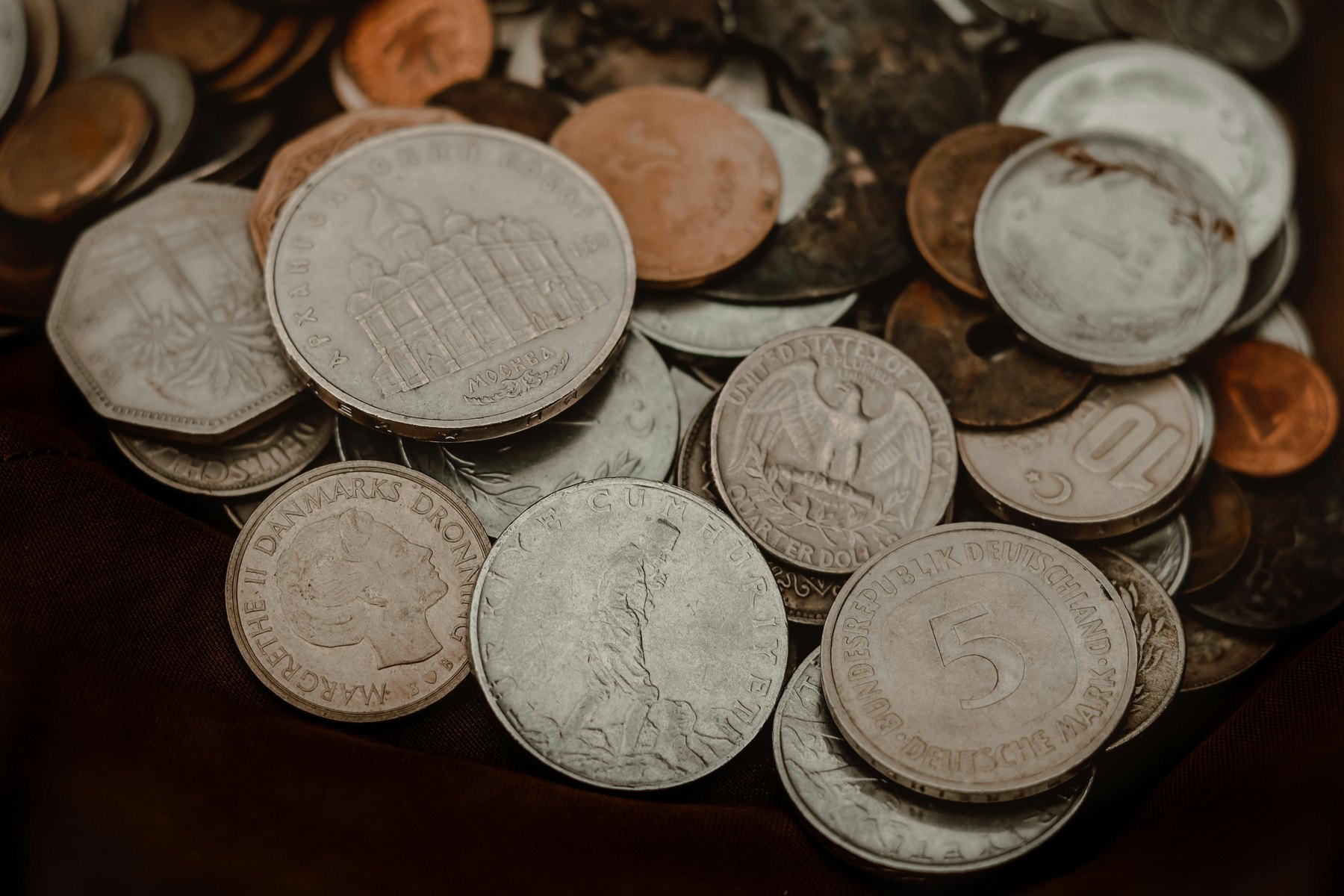
There are several common ways to get silver exposure. Each has different costs, risks, and tax treatment. The “best” choice depends on whether you value convenience, direct ownership, or leverage to price moves.
1) Silver ETFs and trusts (simple brokerage access)
Silver ETFs can be bought and sold like stocks in a brokerage account. They are often the easiest way to track silver’s price without handling metal.
- Pros: High liquidity, easy to buy/sell, no personal storage.
- Cons: Ongoing expense ratios, potential tracking differences, and you do not personally hold the metal.
Named examples many investors recognize include iShares Silver Trust (SLV), abrdn Physical Silver Shares ETF (SIVR), and GraniteShares Silver Trust (SILJ is miners, not physical; see miners below). Always check the fund’s holdings approach, expense ratio, and how it stores metal.
2) Physical silver (coins and bars)
Buying coins or bars gives you direct ownership, but it adds real-world frictions: dealer premiums, shipping, storage, and resale spreads.
- Pros: Direct ownership, no fund fees, potential “in-hand” access.
- Cons: Premiums over spot price, storage and insurance costs, and the risk of theft or loss.
Common products include American Silver Eagle coins, Canadian Silver Maple Leaf coins, and generic 1 oz rounds or bars from well-known mints. When comparing dealers, focus on total delivered cost and buyback policies rather than marketing claims.
3) Silver mining stocks and miner ETFs (more volatility)
Mining companies can move more than silver itself because profits depend on costs, management execution, political risk, and financing conditions. Miner ETFs bundle multiple companies.
- Pros: Potential leverage to silver price moves, can generate cash flow (some miners pay dividends).
- Cons: Company-specific risk, equity market risk, and miners can fall even if silver is flat.
Named examples: Global X Silver Miners ETF (SIL), VanEck Gold Miners ETF (GDX) for broader precious miners, and individual companies like Pan American Silver (PAAS), First Majestic Silver (AG), and Wheaton Precious Metals (WPM, a streamer/royalty company).
4) Futures and options (advanced, higher risk)
Futures and options can provide leverage, but they can also magnify losses. They require margin, active monitoring, and a clear risk plan.
- Pros: Capital efficiency, flexible strategies.
- Cons: Complexity, margin calls, time decay (options), and the possibility of rapid losses.
5) “Silver exposure” through diversified commodity funds
Some broad commodity funds include precious metals exposure. This can be useful if you want a basket approach rather than a single-metal bet. Check the fund’s composition and whether it uses futures (which can introduce roll costs).
Comparison table: common ways to buy silver exposure (named options)
| Option | Best fit | What to compare | Main drawback |
|---|---|---|---|
| iShares Silver Trust (SLV) | Simple brokerage exposure to silver price | Expense ratio, liquidity, tracking, bid-ask spread | You do not hold physical metal personally |
| abrdn Physical Silver Shares ETF (SIVR) | Lower-friction “physical-backed” ETF approach | Expense ratio, custody details, spread | Ongoing fees and reliance on fund structure |
| American Silver Eagle coins | People who want recognizable, widely traded coins | Dealer premium, shipping, authenticity, buyback policy | Premiums can be high and resale spreads can widen |
| Global X Silver Miners ETF (SIL) | Investors seeking miner exposure without single-stock risk | Holdings, fees, concentration, volatility | Mining stocks can diverge from silver’s price |
| Pan American Silver (PAAS) | Investors comfortable analyzing a single miner | Costs, jurisdictions, debt, production, hedging | Company and political risks can dominate returns |
| First Majestic Silver (AG) | Higher-volatility single-stock silver exposure | Operating costs, dilution risk, production updates | Can be much more volatile than silver itself |
| Wheaton Precious Metals (WPM) | Streaming/royalty model exposure with different risk profile | Contract portfolio, counterparties, metal mix | Not a pure silver play and depends on partners |
Costs that can erase gains (premiums, spreads, fees, and taxes)
Silver investing is often sold as “simple,” but the true cost is the all-in cost to buy, hold, and sell. Small frictions matter because silver can move sideways for long stretches.
Physical silver cost checklist
- Dealer premium: The amount above spot price you pay for coins or bars.
- Sales tax: Depends on your state and product type. Verify local rules before buying.
- Shipping and insurance: Delivered cost can be meaningfully higher than the sticker price.
- Storage: Home safe vs safe deposit box vs third-party vaulting.
- Buyback spread: What you can sell for may be below spot, especially in calm markets.
ETF and stock cost checklist
- Expense ratio: Ongoing annual fee embedded in performance.
- Bid-ask spread: Wider spreads increase trading costs, especially for smaller funds.
- Brokerage commissions: Many brokers offer $0 stock/ETF trades, but verify.
- Tax treatment: Some precious metal funds can be taxed differently than standard stock ETFs. Check how your chosen product is treated.
| Cost or risk | More common with | What to do before buying |
|---|---|---|
| High premium over spot | Coins, small bars | Compare total delivered price across multiple dealers |
| Wide buy/sell spread | Physical, thinly traded funds | Check typical buyback terms or average bid-ask spreads |
| Storage and theft risk | Physical | Decide on storage method and consider insurance options |
| Tracking difference and fees | ETFs/trusts | Review holdings approach, custodian info, and expense ratio |
| Company-specific blowups | Mining stocks | Read filings, watch debt levels, and diversify or use an ETF |
Real-number portfolio examples: how much silver is “reasonable”
Because silver can be volatile, many people treat it as a satellite position rather than a core holding. The right percentage depends on your emergency savings, debt costs, and how soon you might need the money.
Example 1: New investor with a $5,000 starting portfolio
- $4,500 in a diversified stock and bond mix (for example, broad index funds)
- $250 in silver exposure (5%) via an ETF like SLV or SIVR
- $250 kept as cash buffer for near-term needs
Why this can work: a small silver slice lets you participate if silver rises, but a drop is less likely to derail your plan.
Example 2: Household with $25,000 to allocate after building an emergency fund
- $18,000 diversified long-term investments
- $2,000 silver ETF exposure (8%)
- $3,000 I Bonds or Treasury bills ladder for near-term stability (check current rates)
- $2,000 extra principal toward high-interest debt (if applicable)
This mix balances growth, stability, and a modest inflation-hedge style allocation.
Example 3: Investor with $100,000 and a “hard assets” preference
- $70,000 diversified stock and bond portfolio
- $10,000 silver exposure (10%) split: $6,000 ETF and $4,000 physical coins
- $10,000 gold exposure (optional diversification within metals)
- $10,000 cash or short-term Treasuries for opportunities and emergencies
Splitting ETF and physical can reduce single-structure risk, but it increases complexity and requires a storage plan.
Timeline rules: when silver fits and when it can backfire
Silver is not ideal for every time horizon. Use timeline rules to decide position size and vehicle.
Under 1 year
- Use case: Only if you can tolerate a sharp drawdown and you have a defined exit plan.
- Better tools for near-term needs: High-yield savings, T-bills, or money market funds (compare yields and access).
- Decision rule: If you need the money for rent, a car, or a tuition bill, keep it in cash-like options rather than silver.
1 to 3 years
- Use case: Small allocation only, and prefer liquid vehicles like ETFs.
- Decision rule: Keep silver at 0% to 5% if you might need funds for a down payment or major expense.
3 to 7 years
- Use case: Moderate satellite allocation can make sense if you rebalance.
- Decision rule: Consider 0% to 10% depending on how stable your income and emergency reserves are.
7+ years
- Use case: Silver can be part of a long-term diversification plan, but stocks often remain the primary growth engine for many investors.
- Decision rule: If you hold silver, set rebalancing bands (example: rebalance when it drifts 2 percentage points above or below your target).
How to buy silver step by step (without overpaying)
If you choose an ETF
- Pick an account: taxable brokerage, IRA, or Roth IRA depending on your goals.
- Compare funds: expense ratio, average volume, bid-ask spread, and how the fund holds silver.
- Use limit orders: especially when markets are moving quickly.
- Set a position size: decide your target percentage before you buy.
- Plan rebalancing: calendar-based (quarterly/annually) or band-based.
If you choose physical coins or bars
- Choose product type: widely recognized coins often resell more easily; bars may have lower premiums.
- Compare total delivered cost: premium + shipping + insurance + any payment method fees.
- Confirm authenticity safeguards: sealed packaging, serial numbers for bars, and reputable sourcing.
- Decide storage: home safe, bank safe deposit box, or insured vaulting.
- Know your exit: local coin shop, online dealer buyback, or peer-to-peer, and understand spreads.
Borrowing to buy silver: what to weigh before using a loan or margin
Some people consider borrowing to increase exposure. This can amplify gains, but it also increases the chance of forced selling or long-term losses if silver drops.
Key questions before borrowing
- What is the interest rate and total cost? Compare APR, fees, and whether the rate can change.
- Can you repay from income without selling? If repayment depends on silver going up, the plan is fragile.
- What happens in a 30% to 50% drawdown? Would you panic sell, or could you hold?
- Is the loan secured? Margin loans can trigger margin calls. Secured loans can put collateral at risk.
For many households, paying down high-interest debt first can be a more reliable “return” than taking on commodity risk. If you do borrow, keep the amount small enough that a bad year does not disrupt bills, housing, or emergency savings.
Common mistakes when chasing silver price gains
- Buying after a spike without a plan for what would make you sell or add.
- Ignoring premiums and spreads on physical silver, which can delay breakeven.
- Overconcentrating in a single miner stock and confusing company risk with silver risk.
- Using money needed soon for a down payment or debt payoff.
- Skipping rebalancing, letting a small position become a big one after a run-up.
Practical guardrails: a simple silver investing policy
If you want a repeatable approach, write a one-page “policy” you can follow in calm and stressful markets.
- Target allocation: Example 0% to 10% depending on timeline and risk tolerance.
- Vehicle: ETF for liquidity, physical for direct ownership, miners only if you accept equity risk.
- Buy rule: Example dollar-cost average monthly for 6 to 12 months instead of one lump sum.
- Rebalance rule: Example rebalance annually or when allocation drifts by 2 percentage points.
- Sell rule: Example sell part if it exceeds your max allocation, or if you need funds for a planned goal.
Helpful resources for safer financial decisions
- Consumer Financial Protection Bureau (CFPB) for guidance on borrowing, fees, and financial products.
- Federal Trade Commission (FTC) consumer advice for spotting scams, including investment-related fraud.
- IRS for general tax information that may apply to investment gains and reporting.
Bottom line: focus on process, not predictions
Silver can play a role in a diversified plan, but it is not a guaranteed path to profits. If you want to invest in silver price gains, pick the exposure type that matches your timeline, keep costs visible, size the position so you can stick with it during drawdowns, and use clear rebalancing rules to avoid emotional decisions.


