

Retirement Money Stuck in a Korean IRP: What to Do Next

Korean IRP retirement money stuck situations are common when you leave a Korean job, move abroad, or try to consolidate accounts and hit withdrawal rules you did not expect.
Contents
27 sections
-
How a Korean IRP works (and why it can feel locked)
-
Common reasons your IRP feels "stuck"
-
Korean IRP retirement money stuck: the main legal paths to access or move it
-
1) Transfer the IRP to another provider (consolidation)
-
2) Withdraw under an allowed condition (early withdrawal rules vary)
-
3) Keep the IRP and plan around access timing
-
4) Coordinate with severance and employment paperwork
-
Checklist: information and documents that usually unblock an IRP
-
Practical steps to take (in order)
-
Step 1: Identify what type of IRP you have and where it is held
-
Step 2: Ask for the provider's "available actions" list
-
Step 3: Fix access issues first (login, identity, contact info)
-
Step 4: If you need money, compare the "cost of access" options
-
Decision rules by timeline (what to do if you need cash)
-
Under 1 year
-
1 to 3 years
-
3 to 7 years
-
7+ years
-
What this looks like with real numbers (sample plans)
-
Scenario A: $12,000 needed within 6 months, IRP balance equivalent $25,000
-
Scenario B: $30,000 IRP balance, moving abroad, no immediate cash need
-
Scenario C: $8,000 cash need now, IRP balance $10,000, high withdrawal friction
-
Comparison: where Korean IRPs are commonly held (named examples)
-
Costs and risks to watch before you move or withdraw
-
Key cost buckets
-
If you suspect a problem: errors, fraud, or unfair treatment
-
Quick action plan
An IRP in Korea is an Individual Retirement Pension account designed to hold retirement benefits and encourage long-term saving. Because it is a retirement vehicle, access is intentionally restricted. The good news is that “stuck” usually means “requires the right pathway and paperwork,” not that the money is lost. This guide walks through the most common reasons funds feel locked, the legitimate ways people access or move IRP balances, and how to plan around timelines and taxes.
How a Korean IRP works (and why it can feel locked)
Most people encounter an IRP after leaving a Korean employer that paid severance (retirement benefits) into an IRP instead of paying it out in cash. Others open an IRP voluntarily to save for retirement. Either way, IRPs are built to keep money invested for retirement, so providers typically require specific conditions for withdrawals or transfers.
Common reasons your IRP feels “stuck”
- You are not at retirement age and your provider will not allow a standard withdrawal.
- Your account is “inactive” or missing identity verification after you left Korea or changed your phone number.
- Your ARC (Alien Registration Card) expired and the provider needs updated ID or a passport-based verification process.
- You are trying to withdraw from overseas and the provider requires in-person verification, notarized documents, or a Korean phone number for authentication.
- There is a mismatch in your name (Romanization differences) between the IRP, bank account, and passport.
- Your funds are in products with settlement timing (for example, funds that take several business days to sell and settle before cash can transfer).
Korean IRP retirement money stuck: the main legal paths to access or move it
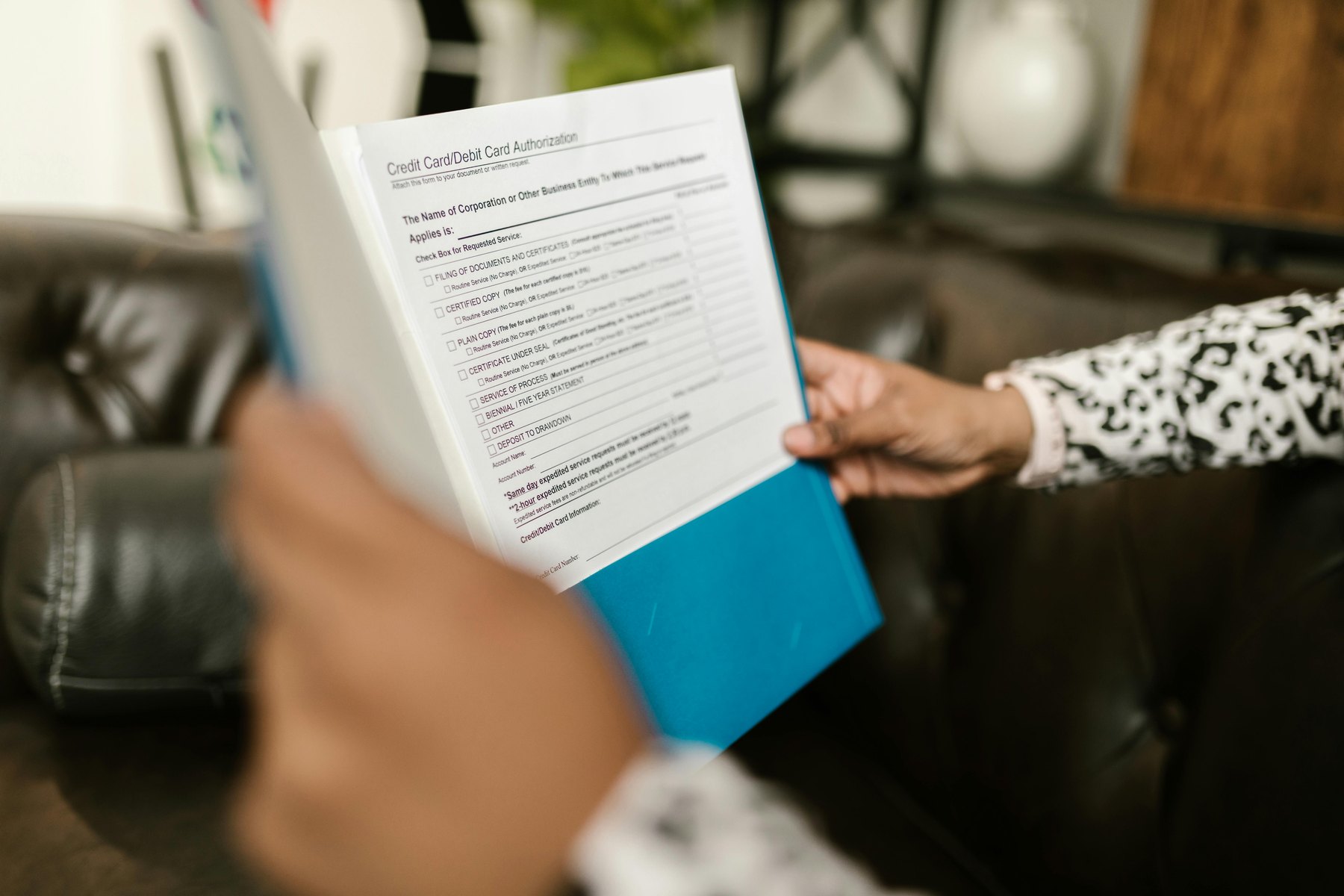
What you can do depends on why the money is in the IRP and your personal status (age, residency, employment, and whether you are leaving Korea permanently). In practice, most people use one of these paths:
1) Transfer the IRP to another provider (consolidation)
If your goal is to manage the account more easily, a transfer to another Korean IRP provider may be possible. People do this to consolidate multiple IRPs, access better online service, or change investment options. Transfers typically require:
- Identity verification
- Receiving provider account opening
- Transfer request forms
Decision rule: If you expect to keep the money in Korea for retirement and you mainly want simplicity, a provider-to-provider transfer is often the cleanest route.
2) Withdraw under an allowed condition (early withdrawal rules vary)
Early withdrawals can be limited and may trigger taxes or penalties depending on the reason and the type of contributions. Providers may ask for proof documents for the allowed reason. Examples of reasons that sometimes qualify include specific life events or statutory exceptions. Because rules and documentation standards can change, confirm the current requirements with your provider and, if needed, the relevant Korean pension authority guidance.
Decision rule: If you need cash soon, first ask the provider for a written list of “eligible early withdrawal reasons” and required documents, then compare the tax impact of each route.
3) Keep the IRP and plan around access timing
If you do not qualify for an early withdrawal and a transfer does not solve your problem, the practical move may be to keep the IRP, ensure you can log in from abroad, and set a plan for future access. This is especially relevant if you are under retirement age and the account is functioning normally.
Decision rule: If the money is not needed for near-term expenses and the cost of forcing access is high, focus on account access, fees, and investment risk rather than withdrawal.
4) Coordinate with severance and employment paperwork
If the IRP was funded by severance, your employer’s paperwork matters. Issues like missing separation date, incorrect employee number, or incomplete severance transfer documentation can delay processing. If the IRP balance is lower than expected, ask for a severance statement and the transfer confirmation.
Checklist: information and documents that usually unblock an IRP
Providers differ, but these items solve a large share of “stuck” cases. Prepare them before you call or visit.
| Item | Why it matters | Common issues | How to reduce delays |
|---|---|---|---|
| Passport and ARC (if applicable) | Identity verification | Expired ARC, name mismatch | Bring both, confirm name spelling used on the IRP |
| Korean bank account details | Where proceeds are sent | Account closed after leaving Korea | Keep one account open if possible, confirm it can receive transfers |
| Phone number and authentication method | Login and transaction approval | No Korean number, app cannot verify abroad | Ask about alternative verification, in-branch options, or notarized forms |
| Employment separation proof | Supports severance-related processing | Employer paperwork incomplete | Request a separation certificate and severance statement |
| Overseas address and tax residency info | Compliance and reporting | Provider flags account for missing info | Update address and contact details promptly |
Practical steps to take (in order)
Step 1: Identify what type of IRP you have and where it is held
Start by confirming the institution (bank, securities firm, insurer) and whether the IRP is tied to severance. If you have multiple jobs in Korea, you might have multiple retirement accounts.
- Find the account number and product list (cash, deposits, funds, insurance-type products).
- Check whether assets must be sold before transfer or withdrawal.
Step 2: Ask for the provider’s “available actions” list
When you contact the provider, ask them to list the actions they can process for your account right now:
- Provider-to-provider transfer
- Partial withdrawal (if allowed)
- Full withdrawal (if allowed)
- Change of registered phone number and address
- Overseas processing options (notarization, consulate certification, etc.)
Also ask what fees apply (account maintenance, fund expense ratios, transfer fees if any) and what taxes are withheld on withdrawals.
Step 3: Fix access issues first (login, identity, contact info)
Many people chase withdrawal rules when the real blocker is authentication. If you cannot log in, focus on:
- Resetting credentials and updating your phone number
- Switching to a supported authentication method
- Completing any “know your customer” updates
Step 4: If you need money, compare the “cost of access” options
Before you push for an early withdrawal, compare:
- Taxes withheld and potential additional tax filing requirements
- Penalties or loss of tax benefits
- Time to process (including settlement of investments)
- Alternative funding sources (emergency fund, short-term loan, family support) and their costs
Decision rules by timeline (what to do if you need cash)
Because IRP access can be slow and costly, your timeline matters as much as the rules.
Under 1 year
- If you need funds for essentials, prioritize liquidity: emergency savings, negotiating payment plans, or lower-cost credit options.
- Use the IRP only if you confirm an eligible withdrawal path and understand taxes and processing time.
1 to 3 years
- If you expect to return to Korea or keep financial ties, consider keeping the IRP and improving access (online login, updated phone, Korean bank account).
- If you want simplicity, explore a transfer to a provider with better overseas support.
3 to 7 years
- Focus on fees and investment risk. Small annual fee differences can add up over years.
- Consolidate accounts if you have multiple IRPs to reduce administrative friction.
7+ years
- Plan for retirement access and cross-border tax complexity. Keep records of contributions, statements, and any withholding.
- Review investment allocation periodically and confirm beneficiary settings if available.
What this looks like with real numbers (sample plans)
Below are example allocations for someone who has an IRP balance but cannot access it quickly. These are not predictions, just planning templates that show how to build a workable cash plan around a locked retirement account.
Scenario A: $12,000 needed within 6 months, IRP balance equivalent $25,000
Goal: avoid forcing an IRP withdrawal if it is slow or expensive.
- $4,000 – cash buffer in checking for bills
- $6,000 – high-yield savings account (check current APY and fees)
- $2,000 – short-term liquidity backup (0% intro APR credit card if eligible, or a small credit union personal loan) with a payoff plan
Total: $12,000
Scenario B: $30,000 IRP balance, moving abroad, no immediate cash need
Goal: keep the IRP invested but reduce “stuck” risk by improving access and reducing fees.
- $0 – immediate withdrawal (avoid unless needed)
- $5,000 – separate emergency fund outside Korea (3 to 6 months of core expenses)
- $25,000 – keep in IRP, but consolidate to one provider and choose a diversified allocation you understand
Total: $30,000
Scenario C: $8,000 cash need now, IRP balance $10,000, high withdrawal friction
Goal: cover the gap while you work through paperwork, then reassess.
- $2,000 – cut expenses and negotiate due dates (rent, utilities, medical bills)
- $3,000 – income bridge (overtime, side work, selling unused items)
- $3,000 – temporary credit option with a clear repayment schedule (compare APR, fees, and term)
Total: $8,000
Comparison: where Korean IRPs are commonly held (named examples)
If your IRP service is poor or overseas access is difficult, you may consider transferring to another Korean provider. Availability, English support, and app features vary, so verify current policies directly.
| Option (examples) | Best fit | What to compare | Main drawback |
|---|---|---|---|
| KB Kookmin Bank (KB) | People who want a large retail bank network | IRP fees, app access, overseas verification steps | Processes can be branch-dependent |
| Shinhan Bank | Users who prefer major bank platforms | Transfer workflow, authentication methods, customer support | May require Korean phone-based verification |
| Woori Bank | People consolidating multiple Korean accounts | Account maintenance fees, fund lineup, online service | Overseas handling may be paperwork-heavy |
| Hana Bank | Those who value international banking familiarity | Foreign customer processes, remittance integration, fees | Policies vary by branch and account type |
| Samsung Securities | Investors who want broader investment choices | Trading and fund fees, product selection, online access | Investment complexity and market risk |
| Mirae Asset Securities | People who prefer a brokerage-style IRP | Platform usability, fund lineup, transfer support | May be less straightforward for non-investors |
Costs and risks to watch before you move or withdraw
“Getting the money out” is not the only goal. You also want to avoid preventable losses.
Key cost buckets
- Taxes and withholding: Ask what is withheld at withdrawal and whether additional reporting applies to your situation.
- Fees: IRP administration fees, product fees (fund expense ratios), and any transfer-related costs.
- Market risk: If assets must be sold to transfer or withdraw, the sale price depends on market conditions.
- Currency risk: If you ultimately need non-KRW cash, exchange rates can change your outcome.
| Question | If “yes” | Action |
|---|---|---|
| Do you need the money within 90 days? | Delays matter more than fees | Confirm processing time and settlement time in writing |
| Is your Korean bank account closed? | Transfers may fail | Ask if you can register a new account or use alternative payout methods |
| Are you abroad without a Korean phone number? | Authentication may block transactions | Ask about notarized forms, consulate certification, or in-branch options |
| Is your IRP invested in funds? | Cash is not immediately available | Ask how many business days to sell and settle before payout |
| Are you unsure about tax impact? | Unexpected withholding is possible | Request a tax estimate from the provider and keep statements for your records |
If you suspect a problem: errors, fraud, or unfair treatment
If your provider cannot explain the block clearly, escalate methodically:
- Ask for the exact reason code or policy reference for the restriction.
- Request a written checklist of required documents and acceptable formats.
- Keep a log of dates, names, and what was requested.
If you are a U.S. consumer dealing with related identity theft or account takeover issues on the U.S. side (for example, someone opened credit in your name while you were abroad), these resources can help you respond and monitor your credit:
Quick action plan
- Confirm where the IRP is held and whether it is severance-funded.
- Fix access issues first: ID, phone authentication, address updates.
- Ask the provider for a list of allowed actions and required documents.
- If you need cash soon, compare the total cost of early withdrawal versus alternative liquidity options.
- If you do not need cash, consider consolidating to one provider and reviewing fees and investment risk.
When your retirement money feels stuck, the fastest progress usually comes from narrowing the problem to one of three categories: authentication, eligibility, or settlement timing. Once you know which one it is, you can choose the least costly path that matches your timeline.


