

Protect Social Security Check from Fraud

To protect Social Security check from fraud, start by locking down how you receive benefits, tightening account access, and acting fast when something looks off.
Contents
29 sections
-
Why Social Security checks are a common target
-
Protect Social Security check from fraud with safer payment setup
-
Direct deposit vs paper check: practical tradeoffs
-
Checklist: harden your benefit delivery
-
Lock down your "my Social Security" account
-
Account security steps that matter most
-
Secure the bank account where your benefits land
-
Bank account protections to turn on
-
Decision rule: debit card vs credit card for everyday spending
-
Common Social Security scams and how to spot them
-
Red flags that should stop you immediately
-
What to do instead
-
What this looks like with real numbers: safer cash flow setups
-
Scenario 1: $1,800 monthly benefit, renter, tight budget
-
Scenario 2: $2,600 monthly benefit, homeowner, moderate cushion
-
Scenario 3: $3,200 monthly benefit, higher medical costs, caregiver involved
-
Timeline decision rules: how much to keep where
-
If you think your Social Security payment was stolen or redirected
-
Step-by-step response plan
-
Where to report and monitor
-
Credit protection tools: what to use and when
-
Fraud alert vs credit freeze
-
Caregivers and joint finances: reduce risk without losing control
-
Safer ways to share access
-
Phone, mail, and device security that prevents benefit fraud
-
Quick device and communication checklist
-
Bank and card options to compare (examples)
-
Monthly self-audit: a 10-minute routine
-
Key takeaways
Why Social Security checks are a common target
Scammers go after Social Security benefits because the payments are predictable and often essential for rent, food, and medical costs. Fraud attempts usually fall into a few buckets:
- Imposter scams – someone pretends to be the Social Security Administration (SSA), your bank, or Medicare.
- Account takeover – a criminal gets your login, changes your direct deposit, or reroutes funds.
- Identity theft – your Social Security number is used to open accounts, file taxes, or pass bank verification.
- Payment interception – stolen mail, altered checks, or fraudulent address changes.
- Tech support and “refund” scams – designed to get remote access to your device or your bank details.
The best defense is a layered approach: secure the benefit account, secure the bank account, and reduce the ways criminals can reach you.
Protect Social Security check from fraud with safer payment setup
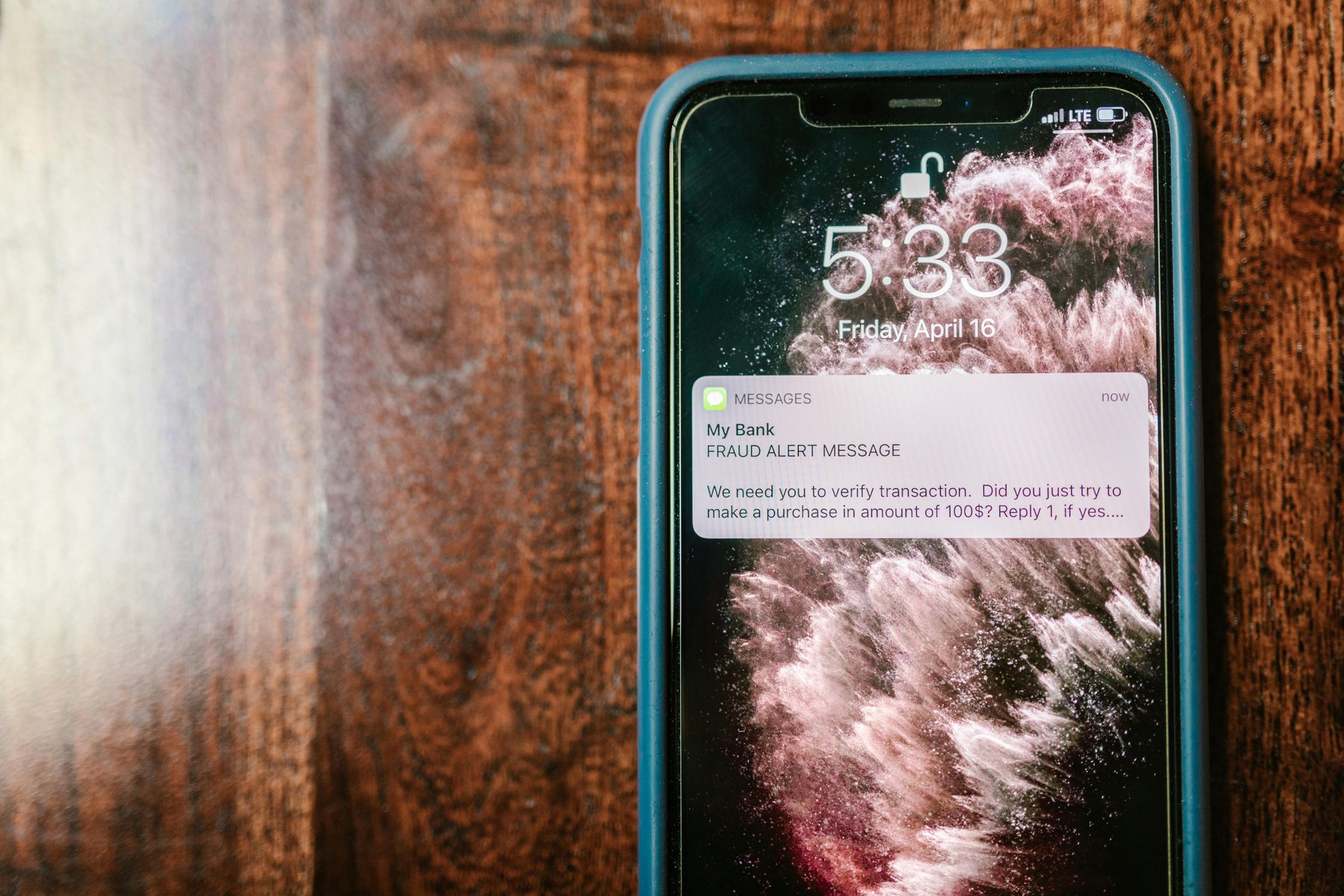
How you receive benefits can reduce risk. Direct deposit is often easier to monitor than paper checks, and it avoids mail theft. If you already use direct deposit, focus on strengthening the accounts and alerts tied to it.
Direct deposit vs paper check: practical tradeoffs
| Method | What to watch for | Pros | Main drawback |
|---|---|---|---|
| Direct deposit to bank or credit union | Login security, deposit changes, account takeover | Fast access, easier tracking, no mail theft | If credentials are stolen, funds can be rerouted |
| Paper check by mail | Missing mail, altered checks, address change fraud | No online account needed | Higher risk of theft and delays |
| Direct Express card (for some recipients) | Card theft, customer service delays, fee schedule | Alternative if you do not want a bank account | Fees may apply, and disputes can take time |
Checklist: harden your benefit delivery
- Use a dedicated account for benefits if it helps you notice unusual activity faster.
- Turn on account alerts for deposits, withdrawals, and balance drops.
- Review your payment date and expected amount so you can spot missing or reduced payments quickly.
- Keep contact info current with SSA so you receive legitimate notices.
- Avoid sharing bank routing and account numbers unless you initiated the request and verified the destination.
Lock down your “my Social Security” account
Many benefit-related fraud cases start with stolen credentials. Your “my Social Security” account is a high value target because it can be used to change direct deposit details and contact information.
Account security steps that matter most
- Use a long, unique password that you do not reuse anywhere else.
- Enable multi-factor authentication if available on the login method you use.
- Use a password manager so you are not tempted to reuse passwords.
- Watch for login alerts and unexpected password reset emails or texts.
- Do not log in on public Wi-Fi unless you use a trusted VPN.
If you suspect someone accessed your account, act quickly: change your password, review direct deposit settings, and contact SSA to confirm your payment details.
Secure the bank account where your benefits land
Even if your SSA account is secure, criminals may target your bank login, debit card, or checks. Focus on reducing ways money can leave the account without your approval.
Bank account protections to turn on
- Transaction alerts for any withdrawal, debit purchase, ACH transfer, or wire.
- Low-balance alerts so you know quickly if funds are drained.
- Card controls like freezing your debit card when not in use, if your bank offers it.
- Overdraft settings that prevent surprise fees if fraud triggers negative balances.
- Daily transfer limits when available.
Decision rule: debit card vs credit card for everyday spending
If you can qualify and manage it, using a credit card for routine purchases can limit direct access to your bank balance. If you prefer debit, consider keeping only a small spending buffer in the checking account and moving the rest to savings.
Common Social Security scams and how to spot them
Fraud attempts often sound urgent. The goal is to get you to share personal information, send money, or hand over access to your device.
Red flags that should stop you immediately
- Threats of arrest, deportation, or benefit suspension if you do not act right now.
- Requests for payment by gift card, cryptocurrency, wire transfer, or cash.
- Requests for your full Social Security number, bank login, or one-time security codes.
- Caller ID that looks like SSA, your bank, or a government office.
- Links in texts or emails that ask you to “verify” your account.
What to do instead
- Hang up and call back using a number you find on an official website or a statement.
- Do not click links in unexpected messages. Navigate directly to the official site.
- Do not share codes from text messages or authentication apps. Those codes are often the last step in account takeover.
What this looks like with real numbers: safer cash flow setups
Organizing your accounts can reduce the damage if fraud happens. Below are three sample setups using realistic dollar amounts. Adjust the amounts to match your bills and comfort level.
Scenario 1: $1,800 monthly benefit, renter, tight budget
Goal: Keep bill money stable and limit debit card exposure.
- $1,300 stays in checking for rent, utilities, and insurance autopay.
- $300 moved to savings as a buffer for medical copays and irregular bills.
- $200 transferred to a separate spending account (or prepaid spending card) for groceries and small purchases.
Why it helps: If a debit card is compromised, the spending account has less to lose, and the main checking balance is easier to monitor.
Scenario 2: $2,600 monthly benefit, homeowner, moderate cushion
Goal: Build a fraud-resistant routine with alerts and limited outgoing pathways.
- $1,900 in checking for mortgage, utilities, and predictable bills.
- $500 to a high-yield savings account (check current APY) for emergency reserves.
- $200 to a separate checking account used only for debit purchases and ATM withdrawals.
Why it helps: Two checking accounts can separate “bill pay” from “card swipe” risk.
Scenario 3: $3,200 monthly benefit, higher medical costs, caregiver involved
Goal: Add oversight without giving broad access.
- $2,200 in primary checking for bills and caregiver-approved expenses.
- $700 in savings for medical deductibles and planned procedures.
- $300 in a controlled spending account with a low balance and alerts to a trusted family member.
Why it helps: Alerts and limited balances can reduce the impact of mistakes or misuse.
Timeline decision rules: how much to keep where
Fraud protection is easier when your money is organized by purpose and time horizon.
| Time horizon | Primary goal | Common place to keep funds | Fraud-control move |
|---|---|---|---|
| Under 1 year | Pay bills and handle near-term expenses | Checking plus a small savings buffer | Use alerts and keep debit spending balance limited |
| 1 to 3 years | Planned costs like car replacement or dental work | FDIC insured savings or CDs (verify early withdrawal rules) | Separate account with no debit card access |
| 3 to 7 years | Medium-term goals and larger reserves | Mix of insured savings and conservative investments if appropriate | Reduce linked accounts and limit transfer permissions |
| 7+ years | Long-term purchasing power | Diversified investments for those who can tolerate volatility | Use strong account security and beneficiary reviews |
If you think your Social Security payment was stolen or redirected
Speed matters. The sooner you report, the easier it is to stop further losses and correct account changes.
Step-by-step response plan
- Check your bank activity for the deposit and any withdrawals or transfers you did not authorize.
- Contact your bank immediately to report unauthorized transactions and ask what dispute steps apply to ACH transfers, debit transactions, or wires.
- Contact SSA to confirm your direct deposit information and report a missing payment or suspected diversion.
- Change passwords for your email and financial accounts, starting with email (since password resets often go there).
- Place a fraud alert or credit freeze if identity theft is suspected.
- Document everything – dates, names, phone numbers, and case IDs.
Where to report and monitor
- FTC identity theft reporting: https://consumer.ftc.gov/identity-theft
- CFPB help for bank account problems: https://www.consumerfinance.gov/
- Free credit reports: https://www.annualcreditreport.com/
Credit protection tools: what to use and when
If a scammer has your Social Security number or enough personal data to open accounts, credit protections can reduce future damage.
Fraud alert vs credit freeze
| Tool | Best for | How it works | Main drawback |
|---|---|---|---|
| Fraud alert | When you suspect misuse but still need credit access | Asks lenders to take extra steps to verify identity | Does not block all new accounts |
| Credit freeze | When you want to block most new credit accounts | Restricts access to your credit file until you unfreeze | You must manage unfreezing when applying for credit |
Caregivers and joint finances: reduce risk without losing control
Fraud risk can rise when multiple people help manage money. The goal is to create transparency and limits.
Safer ways to share access
- Use view-only access where available, so a helper can monitor without moving money.
- Create a separate spending account with a limited balance for caregiver purchases.
- Set alerts to multiple people for large withdrawals or transfers.
- Review monthly statements together and match transactions to receipts.
Phone, mail, and device security that prevents benefit fraud
Many Social Security scams start with a phone call, text, email, or a compromised device.
Quick device and communication checklist
- Use a phone passcode and enable biometric unlock if you are comfortable with it.
- Keep your operating system updated on phones, tablets, and computers.
- Do not install remote access software because a caller asked you to.
- Use a locked mailbox or hold mail when traveling.
- Shred sensitive documents including bank statements and insurance forms.
Bank and card options to compare (examples)
If you are considering switching accounts to reduce fraud risk, compare features that make monitoring and control easier. Here are recognizable options people often evaluate. Availability and features can vary by state and account type, so verify details before opening.
| Option | Best fit | What to compare | Main drawback |
|---|---|---|---|
| Local credit union | People who want in-person help and relationship banking | Fraud support, alerts, overdraft policies, branch access | Fewer ATMs or tech features in some areas |
| Chase | Those who want many branches and robust app tools | Account fees, alert controls, dispute process, ATM access | Monthly fees may apply depending on balance or deposits |
| Bank of America | Those who prefer a large branch network | Alerts, card controls, customer service hours, fees | Fee structure can be complex |
| Wells Fargo | Those who want broad access and standard checking tools | Fraud monitoring, alerts, fee waivers, branch access | Fees may apply if requirements are not met |
| Capital One 360 | People comfortable with mostly online banking | Mobile alerts, transfer controls, ATM network, fees | Limited in-person support depending on location |
| Direct Express (benefit card) | Those who do not want a traditional bank account | Fee schedule, ATM access, dispute steps, replacement process | Some fees and service limitations compared with banks |
Monthly self-audit: a 10-minute routine
A simple routine can catch problems early.
- Confirm your Social Security deposit arrived on the expected date.
- Scan transactions for transfers, cash withdrawals, and new payees.
- Review alerts and update thresholds if needed.
- Check that your contact info is correct with your bank and SSA.
- Pull one free credit report periodically and look for unfamiliar accounts.
Key takeaways
- Reduce exposure by using alerts, strong passwords, and multi-factor authentication.
- Separate bill money from spending money to limit damage if a card or account is compromised.
- Know the red flags of SSA imposter scams and never share one-time codes.
- If money goes missing, contact your bank and SSA quickly and document every step.
For more consumer protection guidance, you can also review scam reporting and prevention resources at the FTC: https://consumer.ftc.gov/.


