

When to Buy Gold as a First-Time Buyer in 2026

When to buy gold in 2026 depends less on predicting the perfect price and more on matching gold to your timeline, cash flow, and risk tolerance.
Contents
30 sections
-
What gold is good for (and what it is not)
-
Gold may help when you want
-
Gold is usually not ideal when you want
-
When to buy gold in 2026: timing rules beginners can use
-
Rule 1: Buy after your cash safety net is in place
-
Rule 2: Match the "buy" decision to your timeline
-
Rule 3: Use dollar-cost averaging (DCA) instead of "all at once"
-
Rule 4: Buy on cost and liquidity, not headlines
-
Rule 5: Consider "buying dips" only with a clear plan
-
Ways to buy gold: coins, bars, ETFs, and more
-
Beginner-friendly physical coins to know
-
Named places beginners commonly buy gold (and what to compare)
-
Red flags to avoid when buying gold
-
Cost checklist: what you actually pay (and what you might get back)
-
What this looks like with real numbers: 3 beginner allocations
-
Scenario A: New saver building stability (portfolio: $10,000)
-
Scenario B: Mid-career investor diversifying (portfolio: $50,000)
-
Scenario C: Higher net worth, wants a "crisis hedge" (portfolio: $200,000)
-
Beginner decision matrix: should you buy physical gold or a gold ETF?
-
How to buy gold step-by-step (without overpaying)
-
Step 1: Set a target allocation and cap
-
Step 2: Choose the form
-
Step 3: Compare total cost to buy and sell
-
Step 4: Plan storage before you purchase
-
Step 5: Keep records
-
Gold and your broader financial picture in 2026
-
If you are also working on credit or borrowing
-
If you are worried about inflation
-
Quick "buy in 2026" checklist for first-time gold buyers
-
Bottom line
Gold can play a role as a diversifier, an inflation hedge over long periods, and a “crisis insurance” asset for some households. But it can also be frustrating for beginners because it does not pay interest or dividends, and the costs to buy, store, and sell can be higher than people expect. The goal is not to time the exact bottom. The goal is to choose a sensible entry method and position size so you can stick with it.
What gold is good for (and what it is not)
Before you pick a “buy” date, decide what job gold is supposed to do in your plan.
Gold may help when you want
- Diversification – gold sometimes behaves differently than stocks and bonds.
- Long-term purchasing power hedge – over long periods, gold has often held value relative to some goods and currencies, but results vary by timeframe.
- Portfolio “shock absorber” – some investors hold a small allocation for periods of market stress.
Gold is usually not ideal when you want
- Income – physical gold does not pay interest; gold funds generally do not either.
- Short-term gains – gold prices can be volatile and trendless for long stretches.
- A substitute for an emergency fund – selling quickly can mean accepting a wide bid-ask spread or dealer discount.
When to buy gold in 2026: timing rules beginners can use
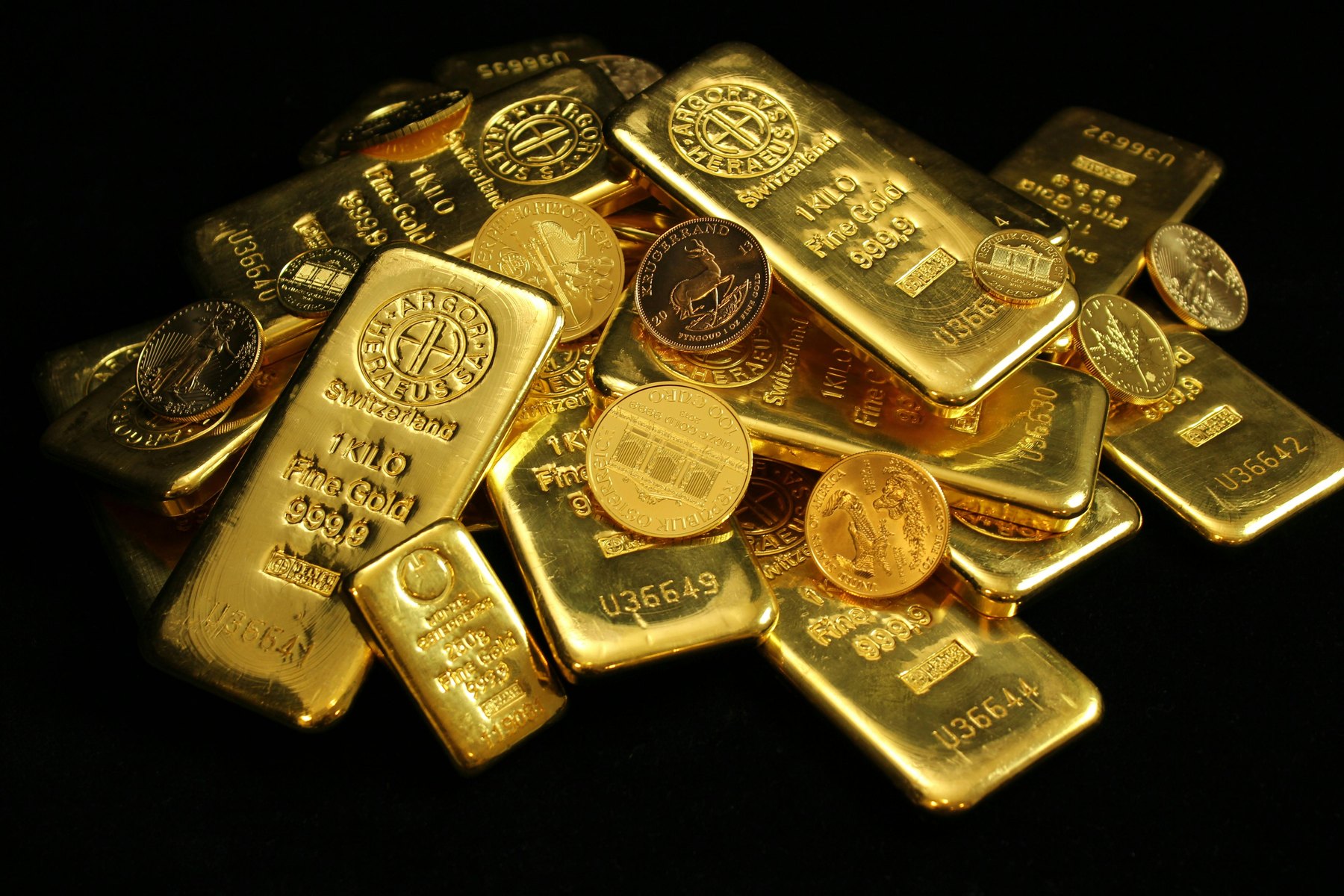
If you are new to gold, the most practical “timing” approach is rules-based. Here are decision rules that reduce regret and help you avoid common mistakes.
Rule 1: Buy after your cash safety net is in place
If you are carrying high-interest debt or you do not have a cash buffer, buying gold can create stress. A common baseline is:
- Emergency fund: 3 to 12 months of essential expenses in cash or a high-yield savings account.
- High-interest debt: consider prioritizing payoff if APR is high enough that it is hard for any investment to “beat” it reliably.
If you are unsure where your money is safest, the FDIC explains what deposit insurance covers and what it does not: https://www.fdic.gov/.
Rule 2: Match the “buy” decision to your timeline
Gold timing looks different depending on when you might need the money.
- Under 1 year: Usually avoid buying gold with money you may need soon. Spreads and price swings can turn a short holding period into a loss.
- 1 to 3 years: If you buy, keep it small and prioritize low-friction options like a liquid ETF in a brokerage account. Physical gold can be costly to round-trip.
- 3 to 7 years: A modest allocation can make more sense. Consider dollar-cost averaging to reduce timing risk.
- 7+ years: You have more time to ride out volatility. Focus on keeping costs low and sizing the position so you can hold through drawdowns.
Rule 3: Use dollar-cost averaging (DCA) instead of “all at once”
For beginners, a simple method is to buy a fixed dollar amount on a schedule (monthly or quarterly). This reduces the pressure to pick the perfect day in 2026. You can also use “band rebalancing”:
- Set a target allocation (example: 5% of your portfolio).
- Rebalance when it drifts outside a band (example: 3% to 7%).
Rule 4: Buy on cost and liquidity, not headlines
In 2026 you will see plenty of narratives about inflation, central banks, elections, and geopolitics. Headlines can move prices, but beginners often do better focusing on what they can control:
- Premiums and spreads
- Storage and insurance
- Taxes and reporting
- How quickly you can sell and at what discount
Rule 5: Consider “buying dips” only with a clear plan
Buying dips can work, but only if you define the dip and the budget in advance. Example plan:
- If gold falls 5% to 10% from a recent high, buy one scheduled tranche early.
- Do not increase your total annual gold budget.
- Keep the same target allocation.
Ways to buy gold: coins, bars, ETFs, and more
“When” to buy is tied to “how” you buy. The best beginner choice is often the one with the lowest total friction for your goal.
| Method | Best for | What to compare | Main drawback |
|---|---|---|---|
| Physical coins (bullion) | People who want direct ownership and easy resale | Premium over spot, dealer buyback policy, authenticity | Premiums and spreads can be high |
| Physical bars | Lower premium per ounce at larger sizes | Assay costs, brand recognition, storage | Harder to sell quickly in some cases |
| Gold ETFs | Low-friction exposure in brokerage accounts | Expense ratio, liquidity, tracking, tax treatment | No physical delivery for most investors |
| Gold mining stocks / funds | Higher-risk, equity-like exposure | Company risk, fund fees, volatility | Can move very differently than gold |
| Allocated storage accounts | People who want physical gold stored professionally | Storage fees, audit policy, withdrawal rules | Ongoing fees and counterparty risk |
Beginner-friendly physical coins to know
If you buy physical gold, many beginners start with widely recognized bullion coins because they are easier to authenticate and resell than obscure products. Examples include:
- American Gold Eagle
- American Gold Buffalo
- Canadian Gold Maple Leaf
- South African Krugerrand
- Austrian Gold Philharmonic
These are examples, not a universal “best” list. What matters is the total cost to buy and sell in your local market.
Named places beginners commonly buy gold (and what to compare)
Where you buy affects your all-in cost and your ability to sell later. Below are recognizable options many U.S. buyers compare. Always verify current fees, shipping, insurance, and availability.
| Option | Best fit | What to compare | Main drawback |
|---|---|---|---|
| APMEX | Wide selection and established dealer | Premiums, shipping/insurance, buyback process | Premiums can vary by product and demand |
| JM Bullion | Online buyers comparing deals | Price per ounce, payment method discounts, delivery times | Inventory and premiums can change quickly |
| SD Bullion | Cost-focused buyers | Spot + premium, minimums, shipping terms | Selection may be narrower at times |
| Kitco | Buyers who also track market pricing | Product pricing, storage options, spreads | Spreads and fees depend on product and service |
| Costco (when available) | Members who want simple purchasing | Per-ounce price vs dealers, limits, resale plan | Limited selection and inconsistent availability |
| Local coin shop | People who want in-person inspection and privacy | Local premiums, testing, buyback quote | Pricing can be less transparent than online |
Red flags to avoid when buying gold
- High-pressure sales tactics or “limited time” urgency
- Large markups on collectible or “rare” coins pitched as investments
- Unclear buyback policy or refusal to quote a spread
- Payment methods that remove your ability to dispute fraud
The FTC has practical guidance on spotting scams and high-pressure sales: https://consumer.ftc.gov/.
Cost checklist: what you actually pay (and what you might get back)
Gold’s “timing” can be overwhelmed by transaction costs. Use this checklist before you buy.
| Cost or risk | Where it shows up | What to ask | Why it matters |
|---|---|---|---|
| Premium over spot | Coins, bars | What is the premium today for this exact item? | Higher premium means you need a bigger price move to break even |
| Bid-ask spread | All forms | What is your buy price and sell price right now? | Wide spreads punish short holding periods |
| Shipping and insurance | Online physical purchases | Is shipping insured? What are the thresholds? | Raises all-in cost and affects delivery risk |
| Storage | Home safe, bank safe deposit, vault | What does storage cost per year? Is it insured? | Ongoing drag on returns |
| Counterfeit risk | Peer-to-peer, unknown sellers | How will authenticity be verified? | Can turn “cheap” gold into a total loss |
| Taxes | ETFs, physical sales | How is this taxed in my situation? | After-tax results can differ by product and holding period |
What this looks like with real numbers: 3 beginner allocations
Below are sample allocations to show how gold might fit. These are illustrations, not a one-size-fits-all plan. The key is that gold is usually a slice, not the whole pie.
Scenario A: New saver building stability (portfolio: $10,000)
- $7,000 emergency fund in a high-yield savings account
- $2,500 broad stock and bond funds (or retirement contributions)
- $500 gold exposure (5%) via a low-cost gold ETF or one small bullion coin
Total: $10,000
Timing rule: if your emergency fund is not stable yet, delay the gold purchase until you can keep 3 to 6 months of essentials in cash.
Scenario B: Mid-career investor diversifying (portfolio: $50,000)
- $10,000 emergency fund
- $37,500 diversified stock and bond funds
- $2,500 gold (5%) split as $1,500 ETF + $1,000 physical coins
Total: $50,000
Timing rule: buy in 5 monthly tranches of $500 to reduce regret if the price swings in 2026.
Scenario C: Higher net worth, wants a “crisis hedge” (portfolio: $200,000)
- $30,000 cash and short-term reserves
- $154,000 diversified stock and bond funds
- $16,000 gold (8%) with a plan: $10,000 ETF + $6,000 physical stored securely
Total: $200,000
Timing rule: rebalance annually. If gold rises to 10%+, trim back to your target. If it falls to 6% or less, top up using your scheduled contributions.
Beginner decision matrix: should you buy physical gold or a gold ETF?
Use this quick matrix to pick a method before you worry about timing.
| If you care most about… | Often points to… | Why | Watch out for |
|---|---|---|---|
| Low transaction friction | Gold ETF | Easy to buy/sell in a brokerage account | Expense ratio and tax treatment |
| Direct ownership | Physical coins | No fund structure, tangible asset | Storage, insurance, resale spread |
| Lowest premium per ounce | Larger bars | Premiums can be lower at higher weights | Liquidity and assay concerns |
| Small starter amount | ETF or fractional coin sizes | Lower barrier to entry | Fractional coins can have higher premiums |
How to buy gold step-by-step (without overpaying)
Step 1: Set a target allocation and cap
Many beginners start with a small range like 0% to 10% depending on goals and comfort. Pick a number you can hold through volatility. If you are unsure, start smaller and scale in.
Step 2: Choose the form
- If you want simplicity and liquidity: consider an ETF in a brokerage account.
- If you want physical ownership: start with widely recognized bullion coins.
Step 3: Compare total cost to buy and sell
Ask for both the buy price and the buyback price (or expected discount to spot). A “low premium” ad is not helpful if the dealer’s buyback is weak.
Step 4: Plan storage before you purchase
- Home safe: consider theft risk and whether insurance applies.
- Safe deposit box: access limits and bank hours matter.
- Professional vault: compare fees, audits, and withdrawal rules.
Step 5: Keep records
Save invoices, product details, and dates. If you sell later, good records help you track cost basis and taxes.
For general tax information and recordkeeping expectations, the IRS provides resources: https://www.irs.gov/.
Gold and your broader financial picture in 2026
If you are also working on credit or borrowing
Gold is not a shortcut around credit issues. If you are planning a major loan in the next 6 to 18 months (mortgage, auto loan), keeping cash reserves and reducing revolving debt can matter more than adding a volatile asset. If you want to check your credit reports, you can get free copies at https://www.annualcreditreport.com/.
If you are worried about inflation
Gold is one tool, but not the only one. Inflation protection can also come from keeping a solid cash plan, avoiding high-interest debt, and using diversified investments aligned with your timeline. If you buy gold as an inflation hedge, consider spreading purchases across 2026 instead of making one big bet.
Quick “buy in 2026” checklist for first-time gold buyers
- I have at least 3 to 12 months of essential expenses in cash reserves.
- I am not relying on this money for bills in the next 12 months.
- I chose a target allocation (example: 2% to 8%) and a maximum cap.
- I decided on ETF vs physical and understand the tradeoffs.
- I compared premiums, spreads, shipping, storage, and buyback terms.
- I have a plan to buy in tranches (monthly or quarterly) in 2026.
- I know how I will store it and how I will sell it if needed.
Bottom line
For most beginners, the best answer to timing is a process: buy only after your cash foundation is solid, keep the allocation modest, and use a schedule to spread purchases across 2026. Focus on controlling costs and choosing a form of gold you can hold comfortably through price swings.


