

EV Tax Credit Expires September Deadline: What to Do Before Time Runs Out

EV tax credit expires September, and that timing can change what you pay at the dealership, what you can claim on your tax return, and how you should plan financing.
Contents
32 sections
-
What the September deadline usually means
-
Delivery date vs. order date: a quick rule
-
EV tax credit expires September: eligibility checklist
-
1) Vehicle eligibility
-
2) Buyer eligibility
-
3) Transaction eligibility
-
How the EV credit affects financing and monthly payments
-
Decision rule: choose based on cash timing
-
Real-number example: tax-time credit vs. point-of-sale
-
September deadline action plan: a practical timeline
-
2 to 4 weeks before purchase
-
1 week before purchase
-
Day of purchase
-
After purchase
-
Comparison table: ways to pay for an EV purchase before a deadline
-
Budgeting with real numbers: three sample purchase plans
-
Scenario A: Conservative cash buffer (higher down payment, strong reserves)
-
Scenario B: Deadline-focused (lower down payment, plan to apply credit later)
-
Scenario C: Payment-minimizing (maximize down payment, smaller buffer)
-
Loan term decision rules by timeline
-
Under 1 year
-
1 to 3 years
-
3 to 7 years
-
7+ years
-
Paperwork and data you should collect before you leave the dealership
-
Common pitfalls when a credit is about to expire
-
Assuming every EV qualifies
-
Buying based on MSRP, not out-the-door price
-
Rushing into a long loan term
-
Falling for payment-only negotiations
-
How to protect yourself from scams and bad info
-
Quick decision checklist before the September cutoff
This guide walks through what a September deadline can mean in practice, how to confirm whether a vehicle and your household qualify, and how to avoid common mistakes that can cost you time or money. You will also see real-number examples for budgeting, down payments, and monthly payment tradeoffs.
What the September deadline usually means
When people say an EV tax credit is expiring in September, they typically mean one of these situations:
- A law or temporary provision sunsets on a specific date.
- A program changes rules (for example, eligibility, income limits, or which vehicles qualify) after a certain date.
- A dealer point-of-sale credit window ends, meaning you might still claim a credit later on your tax return, but you cannot apply it at purchase.
The key is that EV incentives often depend on the date you place the vehicle in service (generally when you take delivery), not when you order it. If you are ordering a vehicle with a long wait time, a September cutoff can be especially important.
Delivery date vs. order date: a quick rule
- If the deadline is tied to delivery, signing a purchase agreement in August may not help if you take delivery in October.
- If the deadline is tied to binding contract date (less common, but possible in some transitions), you may need specific contract language and documentation.
To confirm which date matters for your situation, start with the IRS guidance and the current credit rules: https://www.irs.gov/credits-deductions/clean-vehicle-credit.
EV tax credit expires September: eligibility checklist
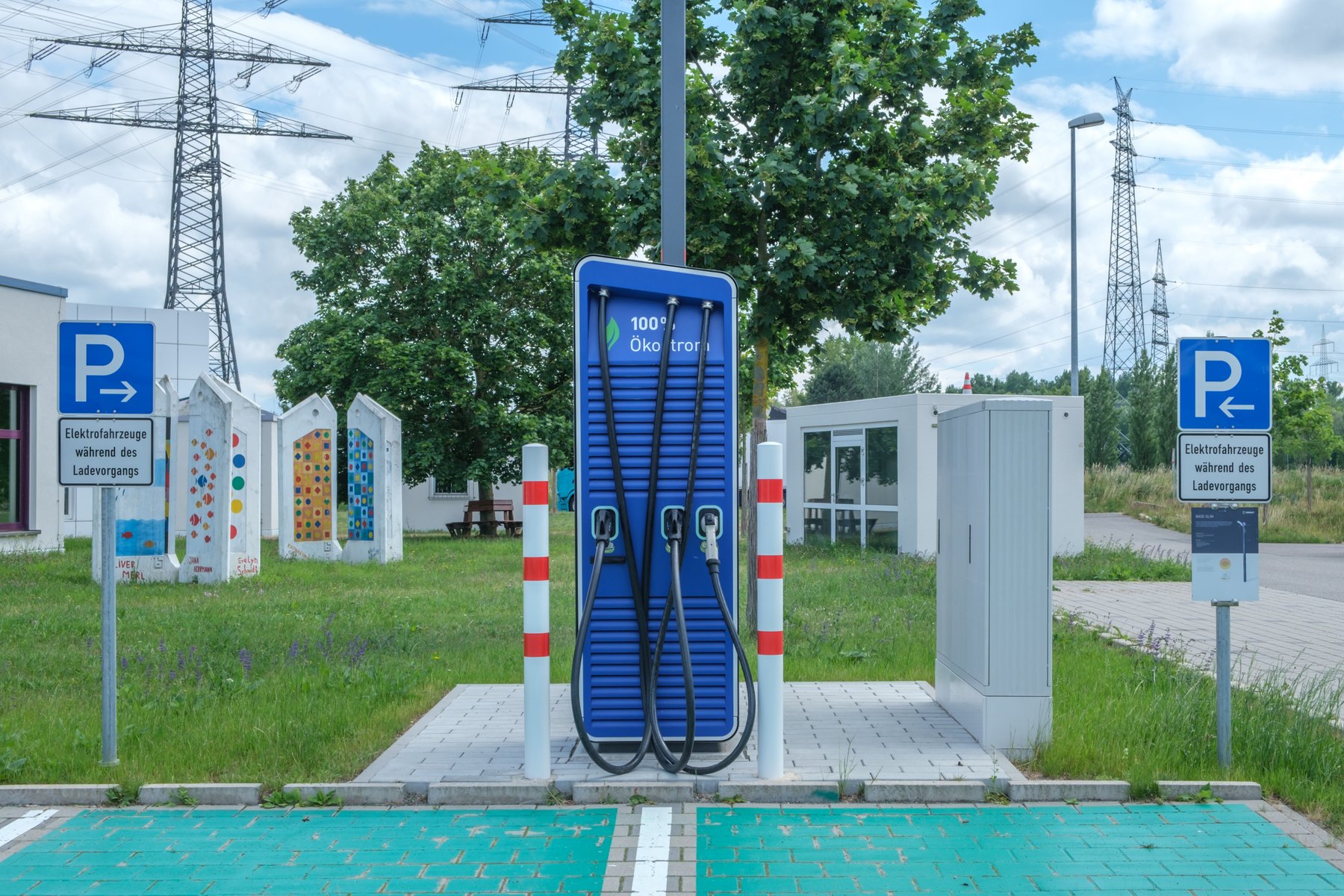
Before you rush to meet a deadline, verify the basics. EV credits are not one-size-fits-all, and eligibility can hinge on details that are easy to miss.
1) Vehicle eligibility
- New vs. used: New clean vehicle credits and used EV credits have different rules and caps.
- Final assembly and sourcing rules: Some credits require final assembly in North America and may include battery component or critical mineral requirements.
- MSRP cap: Some vehicles are excluded if the sticker price is above a threshold.
- Vehicle must be on the qualifying list: Eligibility can change as manufacturers update sourcing and as the government updates lists.
2) Buyer eligibility
- Income limits: Credits can phase out or be unavailable above certain modified adjusted gross income thresholds.
- Tax liability: Some credits are nonrefundable, meaning you may need enough tax liability to benefit. A point-of-sale transfer may work differently, depending on current rules.
- Filing status: Single, head of household, and married filing jointly can have different thresholds.
3) Transaction eligibility
- Dealer reporting: Many credits require the dealer to submit specific information to the IRS and provide you a report.
- Placed-in-service date: Often the delivery date matters.
- One credit per vehicle, limits per taxpayer: Rules can restrict how often you can claim certain credits.
If you are unsure about your tax situation, you can still do a quick self-check by reviewing IRS guidance and comparing it to your most recent tax return. For broader consumer protection and complaint resources related to auto financing and dealer practices, the CFPB is a useful reference: https://www.consumerfinance.gov/.
How the EV credit affects financing and monthly payments
An EV tax credit can change your cash flow in two main ways:
- Point-of-sale credit (if available): You may be able to apply the credit to reduce the amount financed at purchase.
- Tax-time credit: You pay the full purchase cost now, then potentially receive the benefit when you file taxes.
These two paths can lead to very different borrowing needs. If the credit is only realized later, you might need a larger down payment, a larger loan, or a plan to refinance or make a principal payment after you receive your refund.
Decision rule: choose based on cash timing
- If you need the monthly payment lower now, a point-of-sale credit (when available and eligible) can help by reducing the amount financed.
- If you can handle the payment now, claiming at tax time may be fine, but plan where that future money will go: emergency fund, principal payment, or other goals.
Real-number example: tax-time credit vs. point-of-sale
Assume a $45,000 out-the-door price (vehicle, taxes, fees), a $5,000 down payment, and a potential $7,500 credit.
- Point-of-sale credit scenario: Amount financed could be $45,000 – $5,000 – $7,500 = $32,500 (if the credit is applied at purchase and you qualify).
- Tax-time credit scenario: Amount financed could be $45,000 – $5,000 = $40,000, and you may receive the credit later depending on eligibility and tax liability.
That difference in principal can materially change interest paid over time. The best approach depends on your budget, your expected tax situation, and whether the dealer can process the credit correctly before the September deadline.
September deadline action plan: a practical timeline
If you are trying to buy before a cutoff, use a simple project plan. The goal is to avoid being stuck with a non-qualifying vehicle or missing paperwork.
2 to 4 weeks before purchase
- Check the IRS clean vehicle credit page and confirm the current rules.
- Shortlist qualifying vehicles and trims, including MSRP limits and assembly requirements.
- Get preapproved for financing from at least 2 sources so you can compare APR and fees.
- Estimate your total out-the-door price, not just MSRP.
1 week before purchase
- Ask the dealer how they handle the EV credit and what documentation you will receive.
- Confirm the expected delivery date in writing.
- Review your down payment plan and cash reserves.
Day of purchase
- Verify the VIN matches the vehicle you researched.
- Review the buyer’s order for add-ons and fees you did not request.
- Get the dealer report or required documentation for the credit before you leave.
After purchase
- Save all paperwork in one folder: purchase agreement, financing contract, dealer credit report, and any eligibility confirmations.
- Track your placed-in-service date and keep proof of delivery.
Comparison table: ways to pay for an EV purchase before a deadline
If you are trying to close before September, your financing choice affects speed, total cost, and flexibility. Here are common options to compare.
| Option | Best fit | What to compare | Main drawback |
|---|---|---|---|
| Dealer-arranged financing | You want a one-stop transaction and quick delivery | APR, dealer fees, add-ons, whether credit is applied at sale | May include markups or extras unless you negotiate |
| Bank auto loan (your bank or another) | You want a clear rate quote before negotiating | APR, term length, prepayment rules, funding speed | May require extra steps with the dealer to finalize |
| Credit union auto loan | You can join a credit union and want competitive terms | Membership requirements, APR, fees, GAP options | Joining and funding can take time close to a deadline |
| Manufacturer captive financing (example: Tesla financing partners, Ford Credit, GM Financial) | You are buying new and want streamlined incentives | APR promos, eligibility, required down payment, timing | Promos can be limited to certain models and credit tiers |
| Home equity loan or HELOC | You have home equity and want flexibility | Variable vs fixed rate, closing costs, draw period | Your home is collateral, and setup may be slow |
| Cash purchase | You have strong reserves and want no auto loan | Opportunity cost, emergency fund impact | Can reduce liquidity right before unexpected expenses |
Budgeting with real numbers: three sample purchase plans
Below are three example allocations for a buyer trying to purchase before a September deadline. These are not recommendations, just models to help you see tradeoffs. Each allocation adds up correctly.
Scenario A: Conservative cash buffer (higher down payment, strong reserves)
Total cash available: $20,000
- $10,000 down payment
- $7,000 emergency fund reserve (kept in a liquid account)
- $3,000 for taxes, registration, home charging setup, and first-month insurance changes
Decision rule: If your monthly budget is tight, prioritize a larger down payment and keep at least 3 to 6 months of essential expenses accessible.
Scenario B: Deadline-focused (lower down payment, plan to apply credit later)
Total cash available: $12,000
- $4,000 down payment
- $6,000 emergency fund reserve
- $2,000 for fees and charging
Decision rule: If you expect a tax-time credit, decide in advance whether you will (1) make a principal-only payment when it arrives, or (2) rebuild savings. Do not assume the credit will automatically lower your loan balance unless it is applied at purchase.
Scenario C: Payment-minimizing (maximize down payment, smaller buffer)
Total cash available: $15,000
- $12,000 down payment
- $2,000 emergency fund reserve
- $1,000 for fees and charging
Decision rule: If this leaves you with less than about 1 month of essential expenses in cash, consider whether you are taking on too much liquidity risk, especially if your income is variable.
Loan term decision rules by timeline
EV incentives can push buyers to act quickly, but your loan term should still match your time horizon and risk tolerance.
Under 1 year
- If you plan to sell or pay off quickly, focus on loans with no prepayment penalty and minimal fees.
- Avoid stretching to a long term just to meet a monthly payment target if you expect to exit soon.
1 to 3 years
- Consider a shorter term if you can afford it, because interest cost is often lower over time.
- Plan for insurance, tires, and charging installation costs that may hit early.
3 to 7 years
- This is a common ownership window. Compare total interest paid across 48, 60, and 72 months.
- Watch for negative equity risk if you choose a very long term with a small down payment.
7+ years
- Long terms can lower monthly payments but increase total interest and can keep you upside down longer.
- If you must go long, consider a larger down payment and avoid rolling old loan balances into the new loan.
Paperwork and data you should collect before you leave the dealership
Deadlines create pressure, and paperwork mistakes are common. Use this checklist to reduce the chance of problems at tax time.
| Item | Why it matters | Where to find it |
|---|---|---|
| Buyer’s order and final purchase agreement | Shows price, fees, and delivery date | Dealer finance office |
| VIN and vehicle details (trim, battery) | Needed to confirm the exact vehicle qualifies | Vehicle paperwork and window sticker |
| Dealer EV credit report or required IRS documentation | Supports your claim and confirms dealer reporting | Dealer, at purchase |
| Loan contract (APR, term, amount financed) | Helps you compare true cost and plan payoff | Lender or dealer |
| Proof of delivery or placed-in-service date | Important if the September deadline is delivery-based | Delivery documents, registration paperwork |
| Insurance binder or updated policy | Often required to drive off the lot and by the lender | Your insurer |
Common pitfalls when a credit is about to expire
Assuming every EV qualifies
Eligibility can vary by model year, trim, and sourcing. Confirm using current IRS guidance and the dealer’s documentation.
Buying based on MSRP, not out-the-door price
Taxes, registration, dealer fees, add-ons, and financing costs can change affordability more than the credit itself. Ask for a full out-the-door quote early.
Rushing into a long loan term
A deadline can cause buyers to focus on getting the deal done, not on total cost. Compare at least three terms (for example 48, 60, 72 months) and look at total interest.
Falling for payment-only negotiations
Dealers can make a monthly payment look attractive by extending the term or adding products. Negotiate price first, then financing.
How to protect yourself from scams and bad info
When incentives are in the news, misinformation spreads fast. Use primary sources and keep your personal data secure.
- Verify rules directly with the IRS: IRS Clean Vehicle Credit.
- If you see misleading advertising or suspect a scam, the FTC has reporting and guidance: https://consumer.ftc.gov/.
- If you are comparing financing offers, focus on APR, total finance charge, and add-on products. The CFPB has tools and complaint options: https://www.consumerfinance.gov/.
Quick decision checklist before the September cutoff
- Confirm whether the deadline is based on delivery date or contract date.
- Verify the exact vehicle (VIN, trim) is eligible under current rules.
- Check income limits and whether you can benefit from the credit structure.
- Get at least two financing quotes and compare APR, fees, and term.
- Decide how you will use the credit if it arrives later: principal payment, savings, or other goals.
- Leave the dealership with the required EV credit documentation and a complete contract packet.
If you plan carefully, a September EV credit deadline can be a manageable timeline rather than a stressful scramble. The best outcome usually comes from verifying eligibility early, keeping your financing options open, and documenting everything on the day you take delivery.


