

States Giving Tax Rebates: What to Know and How to Use the Money Wisely

States giving tax rebates can put extra cash in your pocket, but the rules vary by state, tax year, and income level. Some rebates arrive as automatic payments, while others require you to file a state return, claim a credit, or meet residency requirements. This guide explains common rebate types, how to check whether you qualify, and practical ways to use a rebate to strengthen your budget, reduce high-cost debt, or build savings.
Contents
33 sections
-
How state tax rebates work
-
States giving tax rebates: what to check first
-
1) Did you file a state tax return for the required year?
-
2) Are you a full-year resident?
-
3) Is there an income cap?
-
4) Do you have dependents?
-
5) Do you owe past-due debts subject to offset?
-
Common types of state rebate programs you may see
-
Inflation relief payments
-
Earned income tax credit (EITC) supplements
-
Property tax rebates and renter credits
-
Child tax credits or dependent credits
-
Energy or utility credits
-
Where to verify whether your state is offering a rebate
-
How to avoid rebate-related scams
-
Smart ways to use a state tax rebate (with decision rules)
-
If your timeline is under 1 year
-
If your timeline is 1 to 3 years
-
If your timeline is 3 to 7 years
-
If your timeline is 7+ years
-
What this looks like with real numbers (3 sample allocations)
-
Scenario A: $600 rebate, tight month, small emergency fund
-
Scenario B: $1,200 rebate, carrying credit card debt
-
Scenario C: $2,500 rebate, stable bills, planning ahead
-
Where to park the rebate while you decide
-
Using a rebate to reduce borrowing costs
-
Checklist: steps to take if you think you qualify
-
Frequently asked questions
-
Are state tax rebates taxable?
-
Will my rebate be direct deposited?
-
What if I moved?
-
How long does it take to arrive?
-
Bottom line
How state tax rebates work
A “tax rebate” is a payment or credit a state provides to eligible residents, often tied to a prior year tax return or a specific policy goal like inflation relief. States may use different names, including:
- Rebate checks – a one-time payment mailed or deposited.
- Refundable credits – claimed on a state return; you can receive money even if you owe no tax.
- Nonrefundable credits – reduce state tax owed, but may not generate a payment.
- Property tax rebates or “circuit breaker” credits – targeted to homeowners or renters meeting income rules.
- Sales tax holidays or rate reductions – not a check, but can lower costs at the register.
Many programs are temporary and tied to a particular tax year. That means the best first step is confirming the exact program name and year on your state’s department of revenue website.
States giving tax rebates: what to check first
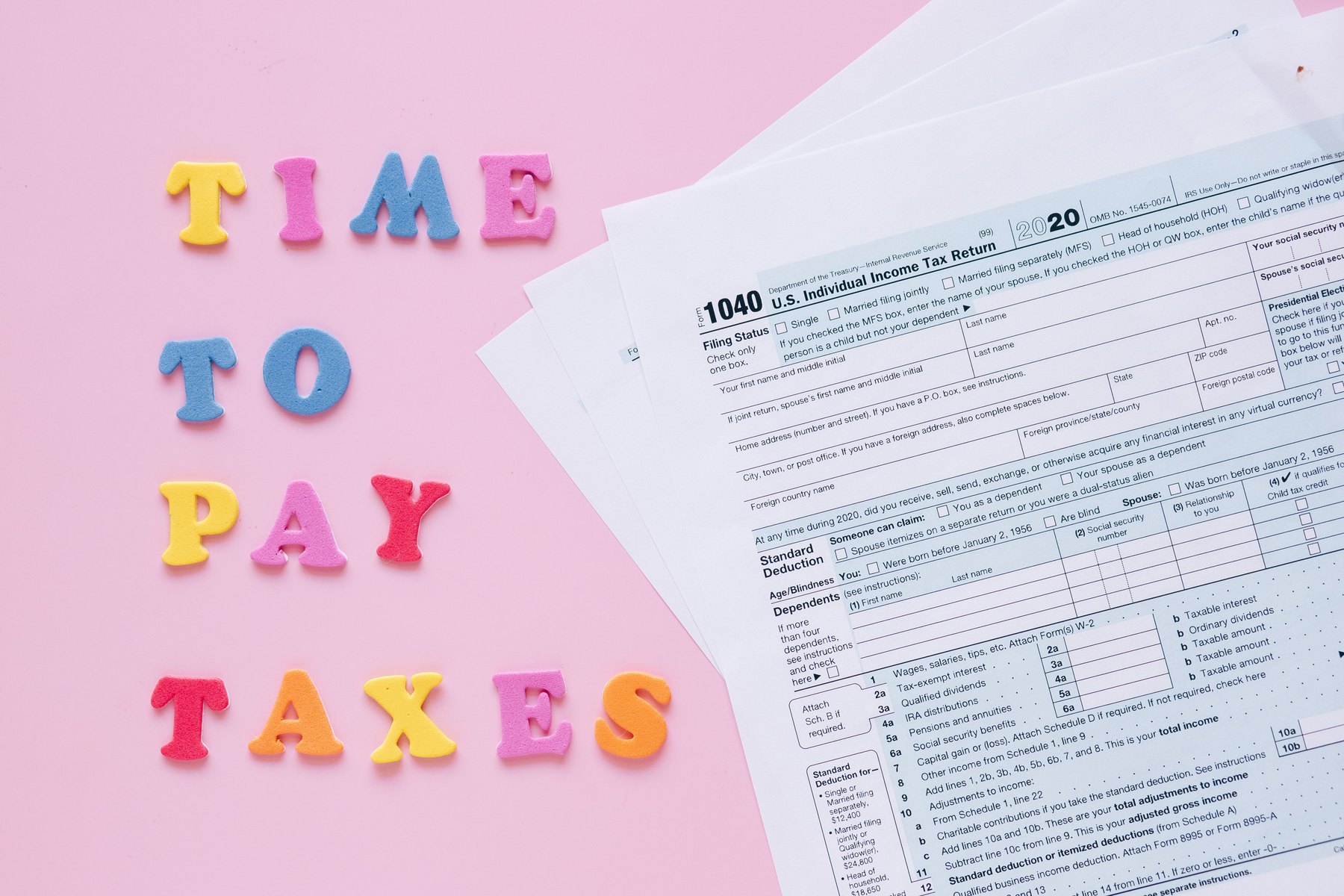
If you are trying to figure out whether you will receive a rebate or credit, focus on the specific eligibility triggers states commonly use:
1) Did you file a state tax return for the required year?
Many rebates are based on a prior year return. If you did not file, you may need to file to be considered, even if you had low income.
2) Are you a full-year resident?
Some programs require full-year residency. Part-year residents may receive a reduced amount or may be ineligible.
3) Is there an income cap?
Inflation relief rebates often phase out at higher incomes. The cap may be based on adjusted gross income or taxable income.
4) Do you have dependents?
Some states provide extra amounts per dependent or different amounts for joint filers versus single filers.
5) Do you owe past-due debts subject to offset?
States may offset rebates for certain debts such as past-due child support, state tax debts, or other obligations subject to state intercept programs. If you expect an offset, check your state’s guidance before you plan how to use the money.
| Question | Why it matters | What to gather |
|---|---|---|
| Which tax year is the rebate tied to? | Eligibility often depends on filing for a specific year | Copy of your state return and W-2 or 1099s |
| Is it automatic or claimed? | Automatic payments may use old bank info; claimed credits need forms | Direct deposit details, mailing address, state forms |
| Is there an income limit? | Higher incomes may phase out or receive smaller amounts | AGI or taxable income from your return |
| Do dependents change the amount? | Some programs increase payments per child or dependent | Dependent SSNs and prior year return |
| Could it be offset? | Past-due obligations can reduce or eliminate the payment | Notices about child support or tax debts |
Common types of state rebate programs you may see
Even when states do not call it a “rebate,” the effect can be similar. Here are the most common categories and how they typically work.
Inflation relief payments
These are usually one-time payments funded by budget surpluses. They may be automatic for people who filed a prior year return, and they often have income caps. Payment delivery can be by direct deposit, paper check, or prepaid debit card depending on the state.
Earned income tax credit (EITC) supplements
Some states offer their own EITC based on the federal EITC. If you qualify for the federal credit, you may also qualify for a state credit. Whether you receive a payment depends on whether the state credit is refundable.
Property tax rebates and renter credits
These programs often target seniors, people with disabilities, veterans, or households under certain income thresholds. Renters may qualify in states that treat part of rent as property tax paid indirectly.
Child tax credits or dependent credits
States may provide per-child credits that can reduce taxes owed or generate a refund if refundable. Eligibility can depend on the child’s age, residency, and your income.
Energy or utility credits
Some states provide credits for energy-efficient home upgrades, electric vehicles, or utility relief. These are often claimed on a return and may require receipts and certification documents.
Where to verify whether your state is offering a rebate
Because programs change, the most reliable sources are official state and federal sites. Start with your state department of revenue or taxation website and look for “rebate,” “relief payment,” “refundable credit,” or “one-time payment.” For federal context and tax administration details, these sources can help:
- IRS – federal tax guidance and updates that sometimes affect state filings.
- FTC Consumer Advice – how to spot and avoid government payment scams.
- CFPB – budgeting and debt repayment tools and guidance.
How to avoid rebate-related scams
When states announce rebates, scams often follow. Use these rules to protect yourself:
- Do not pay a fee to “release” a rebate or speed up a payment.
- Do not share your full Social Security number, bank login, or one-time passcodes with unsolicited callers or texts.
- Verify the sender by navigating to your state’s official website directly, not through a link in a message.
- Be cautious with prepaid cards – some states use them, but scammers also mimic them. Confirm the program details on the official site.
Smart ways to use a state tax rebate (with decision rules)
A rebate can be a chance to reduce financial stress. The best use depends on your timeline and your highest-cost risks.
If your timeline is under 1 year
- Catch up on essentials: rent, utilities, car insurance, prescriptions.
- Prevent late fees: bring any past-due accounts current.
- Build a starter emergency fund: aim for $500 to $1,500 if you have little cash buffer.
Decision rule: If you are paying late fees or overdraft fees, stopping those leaks often beats any other use.
If your timeline is 1 to 3 years
- Pay down high-interest debt first (often credit cards).
- Stabilize transportation: maintenance that prevents bigger repairs.
- Increase emergency savings: work toward 1 to 3 months of expenses.
Decision rule: If you have revolving credit card balances, consider splitting the rebate between a cash buffer and principal reduction so you do not swipe the card again for emergencies.
If your timeline is 3 to 7 years
- Pay down debt strategically: focus on the highest APR or the smallest balance for momentum.
- Save for planned costs: moving, childcare changes, replacing a vehicle.
- Consider retirement contributions if you are already stable on bills and have an emergency fund.
Decision rule: If you are likely to need the money within a few years, prioritize safety and accessibility over chasing higher returns.
If your timeline is 7+ years
- Strengthen long-term goals: retirement accounts, education savings, or paying down long-term debt.
- Improve credit profile: reduce utilization, avoid missed payments, and keep a budget buffer.
Decision rule: If you are already on track with short-term needs, directing a rebate to long-term goals can help, but keep enough cash for near-term surprises.
What this looks like with real numbers (3 sample allocations)
Below are examples of how someone might allocate a rebate. These are not one-size-fits-all plans, but they show practical tradeoffs.
Scenario A: $600 rebate, tight month, small emergency fund
- $250 – catch up on utilities and avoid shutoff or late fees
- $200 – starter emergency fund in a savings account
- $150 – pay down a credit card balance (target the highest APR)
Total: $600
Scenario B: $1,200 rebate, carrying credit card debt
- $700 – credit card principal payment
- $300 – emergency fund (aiming toward 1 month of expenses)
- $200 – car maintenance (tires, brakes, oil change) to prevent bigger costs
Total: $1,200
Scenario C: $2,500 rebate, stable bills, planning ahead
- $1,000 – emergency fund (building toward 3 to 6 months over time)
- $1,000 – pay down high-interest debt or a personal loan with a high APR
- $500 – sinking fund for annual expenses (insurance premiums, school costs, holidays)
Total: $2,500
Where to park the rebate while you decide
If you are not sure how to use the money yet, prioritize safety and quick access. Many people use an FDIC-insured bank account or NCUA-insured credit union account for short-term cash. You can learn the basics of deposit insurance at the FDIC.
Using a rebate to reduce borrowing costs
A rebate can lower how much you need to borrow or how long you carry balances. Here are practical moves that can reduce borrowing costs over time:
- Lower credit utilization: paying down credit card balances can improve your utilization ratio, which may help your credit score over time.
- Avoid new debt for predictable expenses: use a sinking fund so you do not rely on credit for car repairs or annual bills.
- Refinance only when it truly improves terms: compare APR, fees, repayment term, and total interest. A lower payment is not always a lower total cost if the term is extended.
| Use of rebate | Best fit | What to compare or measure | Main drawback |
|---|---|---|---|
| Pay down credit cards | High APR balances, variable income | APR, utilization, minimum payment reduction | Less cash on hand if you drain savings |
| Build emergency fund | No savings, frequent surprises | Target $500 to $1,500 starter, then 3 to 6 months over time | Does not immediately reduce interest costs |
| Catch up on bills | Behind on rent, utilities, insurance | Late fees avoided, services kept active | One-time fix if budget is still short monthly |
| Car maintenance | Older vehicle, long commute | Cost of repair now vs risk of breakdown later | Easy to underestimate total upcoming costs |
| Extra payment on a loan | High-rate personal loan or auto loan | APR, prepayment rules, interest saved | Some loans have fees or limited benefit if rate is low |
| Short-term savings for planned expenses | Annual bills, upcoming move, childcare changes | Timeline, monthly contribution needed | Requires discipline not to spend early |
Checklist: steps to take if you think you qualify
- Find the official program page on your state department of revenue or taxation site.
- Confirm the tax year and filing requirement.
- Check income limits, residency rules, and dependent rules.
- Verify your mailing address and direct deposit information on your most recent return.
- Watch for official notices and keep copies of letters.
- If you need to file, gather W-2s, 1099s, and last year’s return to reduce errors.
Frequently asked questions
Are state tax rebates taxable?
It depends on the program and the tax year. Some payments may be treated differently for federal or state tax purposes. Check your state’s guidance and any IRS updates for the relevant year.
Will my rebate be direct deposited?
Some states use direct deposit if you used it on your state return. Others mail checks or use prepaid debit cards. If you changed banks, confirm whether the state will reissue a payment.
What if I moved?
Update your address with the state tax agency if the program allows it. If the rebate is tied to residency, confirm whether part-year residents qualify and whether the amount is prorated.
How long does it take to arrive?
Timelines vary widely. States may send payments in batches. Use the official program page for expected dates and any tracking tools.
Bottom line
States giving tax rebates can provide meaningful short-term relief, but the details matter: tax year, filing status, income limits, and delivery method. Once you confirm eligibility, treat the money like a chance to reduce financial risk. Cover essentials, prevent fees, build a cash buffer, and pay down high-interest debt in a way that keeps you from needing to borrow again.


