

8 Tips for Apartment Security

Apartment security tips start with understanding your building, your daily routines, and the small weak points that burglars look for.
Contents
29 sections
-
1) Do a quick "risk walk" of your unit and building
-
Apartment security checklist: what to look for
-
Decision rule
-
2) Upgrade the door basics (often low cost, high impact)
-
Practical steps
-
Budget note
-
3) Secure windows and sliding doors with simple barriers
-
Low-cost fixes that work
-
Decision rule
-
4) Use lighting and visibility to remove hiding spots
-
What to do in an apartment
-
Package theft tip
-
5) Choose smart devices that fit renters (and compare ongoing costs)
-
Named options to compare (examples)
-
Apartment-friendly device rules
-
6) Apartment security tips for daily habits that actually reduce risk
-
High-impact habits
-
Roommate decision rule
-
7) Use renters insurance and document your stuff (financial protection)
-
What to compare in renters insurance
-
Home inventory in 20 minutes
-
Fraud and identity protection tie-in
-
8) Budget for security upgrades without derailing your finances
-
Step 1: Put upgrades into three buckets
-
Step 2: Use real-number examples (sample budgets)
-
Ongoing cost planning example
-
Decision rules by timeline
-
What to do if something happens: theft, break-in, or suspicious activity
-
Quick recap: the 8 tips in priority order
Security is not only about gadgets. It is also about habits, communication with your landlord, and smart spending. The goal is to reduce risk without overspending on upgrades you cannot take with you when you move.
1) Do a quick “risk walk” of your unit and building
Before you buy anything, walk your route like a stranger would. Look for easy access, hiding spots, and places where someone could linger unnoticed.
Apartment security checklist: what to look for
- Main entry door: Is the door solid? Does it close and latch every time? Is there a peephole?
- Strike plate and screws: Are the screws short and loose? Is the frame cracked?
- Sliding doors and windows: Can they be lifted off track? Do they lock tightly?
- Hallways and stairwells: Are lights working? Are cameras visible? Are doors propped open?
- Parking and mail areas: Are there blind corners? Is package storage secure?
- Ground floor access: Can someone step from a railing, dumpster, or low roof onto a balcony?
Decision rule
If you can reach your balcony or window without a ladder, or if your door does not latch reliably, fix those first. These are higher priority than adding more cameras.
2) Upgrade the door basics (often low cost, high impact)
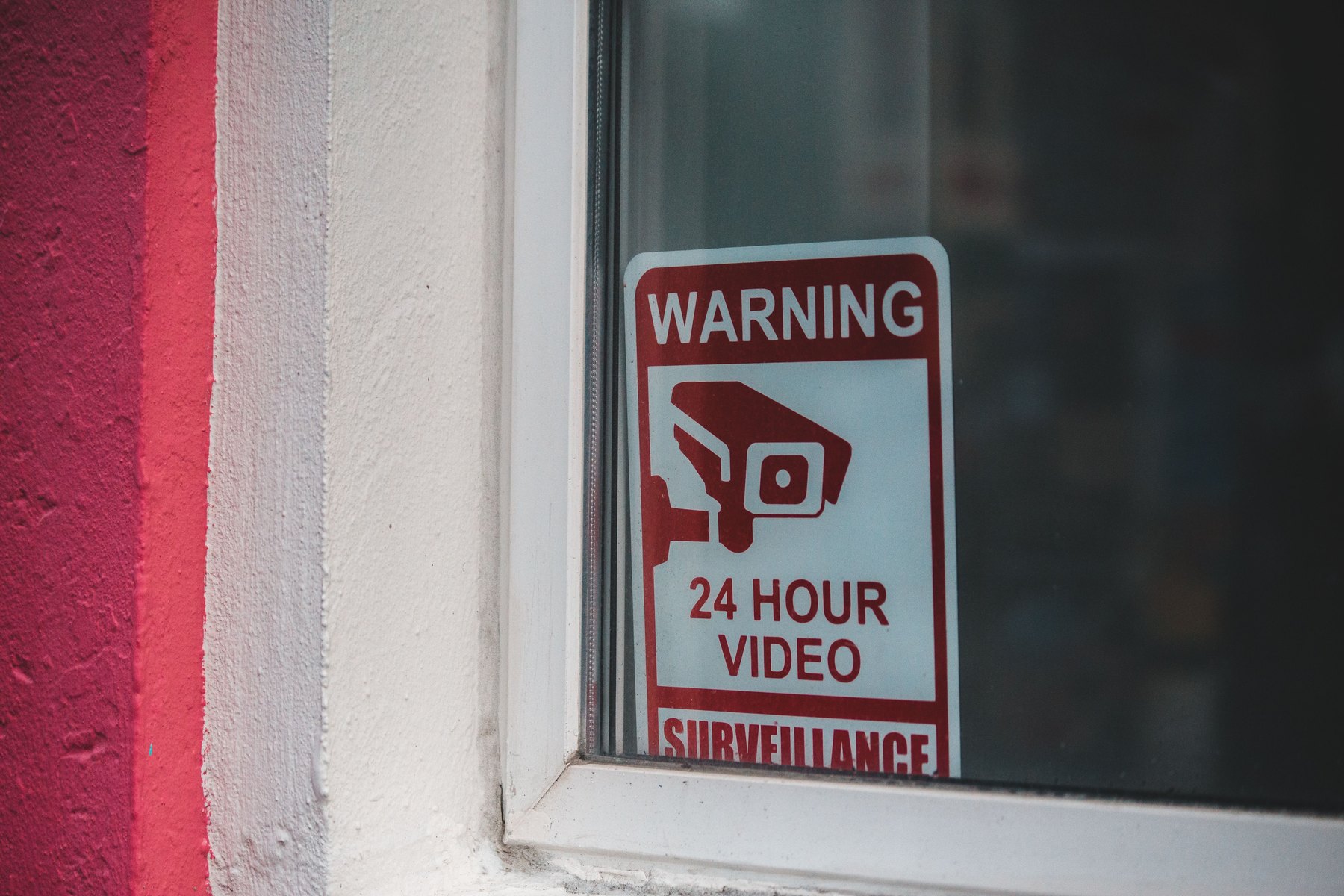
Most apartment break-ins are about speed and silence. A few small upgrades can make forced entry harder and louder.
Practical steps
- Ask maintenance to adjust the door: If it sticks or does not latch, request a repair in writing.
- Reinforce the strike plate: Many landlords will install a stronger strike plate or longer screws if you ask.
- Add a door jammer or wedge: A removable jammer can add resistance without modifying the door.
- Use a wide-angle peephole or door viewer: If your door has one, make sure it is clear and usable.
Budget note
Removable items like a door jammer are usually cheaper and move with you. Permanent changes should go through your landlord to avoid lease issues or deposit disputes.
3) Secure windows and sliding doors with simple barriers
Windows and sliders are common weak points, especially on ground floors or near fire escapes.
Low-cost fixes that work
- Window pins or stops: Limit how far a window can open.
- Sliding door bar: A simple bar in the track prevents the door from opening even if the lock fails.
- Anti-lift devices: Prevent a slider from being lifted out of its track.
- Privacy film or curtains: Reduce “window shopping” for valuables.
Decision rule
If you live on the first floor, or your unit faces an alley, treat window and slider security as a top-three priority along with door latching and lighting.
4) Use lighting and visibility to remove hiding spots
Good lighting changes behavior. It increases the chance someone will be seen and recognized.
What to do in an apartment
- Inside: Use timers or smart plugs for lamps when you are out at night.
- Entry area: Keep the doorway clear of tall plants or storage that creates cover.
- Balcony: Use a motion light if your lease allows it, or a plug-in light facing outward.
Package theft tip
If your building allows it, ask about package lockers or a secure package room. If not, consider delivery holds or pickup locations for high-value items.
5) Choose smart devices that fit renters (and compare ongoing costs)
Smart locks, cameras, and alarms can help, but the best setup depends on your building rules, Wi-Fi reliability, and whether you can drill holes. Many systems also have optional monthly monitoring fees.
Named options to compare (examples)
These are recognizable brands renters often consider. Availability and features vary by model and location, so compare current pricing, subscription costs, and compatibility before buying.
| Option | Best fit | What to compare | Main drawback |
|---|---|---|---|
| Ring Alarm | Renters who want a popular DIY system | Sensor bundle size, camera integration, monitoring cost | Some features may require a subscription |
| SimpliSafe | Easy setup with optional monitoring | Equipment cost, monitoring tiers, cellular backup availability | Upfront equipment can be higher than basic kits |
| Abode | Smart home users who want automation options | Integrations, monitoring plans, sensor selection | Setup can be more technical depending on devices |
| Wyze Cam + sensors | Budget-focused renters | Camera placement, cloud storage cost, notifications | Lower-cost devices may have fewer advanced features |
| Google Nest Cam | Households already in Google ecosystem | Video history, subscription needs, indoor vs outdoor models | Full video history often requires a paid plan |
| Arlo cameras | Renters prioritizing higher-end camera features | Battery life, video quality, subscription pricing | Costs can add up with multiple cameras and plans |
Apartment-friendly device rules
- Prefer peel-and-stick mounting when your lease limits drilling.
- Check Wi-Fi strength at the door and windows before buying cameras.
- Price the full year – equipment plus optional cloud storage or monitoring.
- Use two-factor authentication on accounts tied to cameras and locks.
6) Apartment security tips for daily habits that actually reduce risk
Devices help, but habits close the gaps. These apartment security tips focus on what you do every day, not just what you buy.
High-impact habits
- Lock up every time: Even quick trips to the laundry room or mailbox.
- Do not buzz in strangers: If someone says they are a delivery driver, ask them to contact the resident they are visiting.
- Keep valuables out of sight: Laptops, handbags, and car keys should not be visible from windows.
- Be careful with social posts: Avoid posting travel plans in real time.
- Rotate lights: Use a timer so your unit does not look empty every night.
Roommate decision rule
If you share a unit, agree on a “last out locks up” rule and a key policy. Many security failures are simple miscommunication.
7) Use renters insurance and document your stuff (financial protection)
Security is about preventing loss, but also about reducing the financial hit if something happens. Renters insurance may help with covered theft, certain types of damage, and liability, depending on the policy.
What to compare in renters insurance
- Personal property coverage limit: Does it match the value of your belongings?
- Deductible: Higher deductibles can lower premiums but increase out-of-pocket cost on a claim.
- Replacement cost vs actual cash value: Replacement cost coverage can pay closer to the cost of new items.
- Special limits: Jewelry, bikes, electronics, and collectibles may have sub-limits unless scheduled.
- Off-premises coverage: Some policies cover belongings stolen from your car or while traveling.
Home inventory in 20 minutes
- Walk room to room and record a video on your phone.
- Open drawers and closets briefly.
- Capture serial numbers for electronics if possible.
- Save receipts or order confirmations for big purchases.
- Back up the file to cloud storage.
| Item category | What to record | Where to store proof | Why it matters |
|---|---|---|---|
| Electronics | Model, serial number, purchase date | Email receipts, cloud folder | Speeds up claims and police reports |
| Bikes | Serial number, photos, lock type | Cloud folder | Improves chance of recovery and coverage clarity |
| Jewelry and watches | Appraisal, photos, receipts | Cloud + printed copy | May need scheduling for higher values |
| Furniture | Photos, purchase confirmation | Retail order history | Helps estimate replacement cost |
Fraud and identity protection tie-in
If mail is stolen, identity theft risk can rise. You can learn more about identity theft reporting and recovery steps at the FTC: https://consumer.ftc.gov/identity-theft.
8) Budget for security upgrades without derailing your finances
Apartment security spending is easiest when you separate one-time purchases from ongoing monthly costs. A camera kit might be a one-time cost, while cloud storage or monitoring can be monthly. Renters insurance is typically monthly or annual.
Step 1: Put upgrades into three buckets
- Free: habit changes, visibility, inventory, talking to neighbors, requesting maintenance fixes.
- Low-cost: door jammer, window stops, slider bar, timers, better curtains.
- Higher-cost: multi-sensor alarm system, multiple cameras, smart lock, professional monitoring.
Step 2: Use real-number examples (sample budgets)
Below are three sample allocations. These are examples to help you plan, not a required spending level.
| Scenario | One-time security budget | Allocation (adds up) | Good for |
|---|---|---|---|
| Starter setup | $75 | $25 door jammer + $20 window stops + $30 smart plug timers = $75 | Students, first apartment, tight budget |
| Balanced setup | $250 | $60 door and window hardware + $120 indoor camera(s) + $70 basic sensors = $250 | Most renters who want coverage at entry points |
| Higher coverage | $600 | $150 smart lock (if allowed) + $250 alarm kit + $200 extra cameras or sensors = $600 | Ground-floor units, frequent travel, higher-value items |
Ongoing cost planning example
If you are considering a monitoring plan or cloud video storage, map it into your monthly budget. For example, if you spend $15 to $40 per month on subscriptions, that is $180 to $480 per year. Compare that annual cost to the value you get: faster alerts, longer video history, or professional monitoring.
Decision rules by timeline
- Under 1 year in the unit: Prioritize portable, low-cost items (door jammer, window stops, timers). Avoid expensive permanent installs unless you can reuse them.
- 1 to 3 years: A DIY alarm kit can make sense if you will move it with you. Compare subscription costs carefully.
- 3 to 7 years: Consider a fuller system plus renters insurance review. You have more time to spread out purchases and optimize placement.
- 7+ years: If you expect to stay long-term, talk to your landlord about building-level improvements (lighting, locks, cameras) and consider higher-durability equipment.
What to do if something happens: theft, break-in, or suspicious activity
Quick action can reduce financial damage and improve the chance of recovery.
- Call local emergency services if you believe someone is inside or you are in immediate danger.
- File a police report and keep the report number for insurance.
- Notify your landlord or property manager and request repairs to locks or doors.
- Change passwords if devices, keys, or mail were taken.
- Check your credit reports if sensitive documents were stolen.
You can request free credit reports at https://www.annualcreditreport.com/. For more on protecting your finances after theft or fraud, the CFPB has resources at https://www.consumerfinance.gov/consumer-tools/fraud/.
Quick recap: the 8 tips in priority order
- Do a risk walk of your unit and building.
- Fix door latching and reinforce entry basics.
- Secure windows and sliding doors with barriers.
- Improve lighting and visibility.
- Choose renter-friendly smart devices and compare total costs.
- Lock in daily habits that reduce opportunity.
- Use renters insurance and document your belongings.
- Budget upgrades using one-time vs monthly cost planning.
If you want a simple starting point: make sure the door latches, add a slider bar or window stops if needed, set up light timers, and create a home inventory. Those steps are affordable, portable, and effective for many renters.
For additional consumer guidance on scams and safety issues that can affect renters, you can also review the FTC consumer resources at https://consumer.ftc.gov/.

