

How Long Does It Take to Get Carbon Monoxide Poisoning?

How long does it take to get carbon monoxide poisoning depends on the concentration of carbon monoxide (CO) in the air, how long you breathe it, and your personal risk factors.
Contents
34 sections
-
How carbon monoxide exposure turns into poisoning
-
Why timing varies so much
-
How long does it take to get carbon monoxide poisoning?
-
Typical timing patterns people report
-
Quick reference table: exposure factors and what they can mean
-
Symptoms by stage: what to watch for
-
Common early symptoms
-
More serious symptoms
-
Decision rule: "better outside than inside"
-
What affects how quickly CO poisoning happens
-
1) The source and the space
-
2) Sleep and overnight exposure
-
3) Health and household risk factors
-
What to do if you suspect carbon monoxide exposure
-
Immediate checklist
-
Helpful external resources
-
Carbon monoxide alarms: placement, testing, and replacement
-
Placement rules of thumb
-
Maintenance checklist
-
The money side: planning for costs after a CO incident
-
Common cost categories
-
Table: CO incident cost and paperwork checklist
-
Real-number examples: how families cover unexpected CO-related bills
-
Scenario 1: $600 urgent care and testing
-
Scenario 2: $2,500 furnace repair plus 2 hotel nights
-
Scenario 3: $7,500 major replacement and follow-up care
-
Borrowing options if you need cash for repairs or medical bills
-
Comparison table: common ways people finance emergency expenses
-
Decision rules to choose a financing path
-
How to protect your credit if bills pile up
-
Steps that often help
-
Useful links for credit and complaint help
-
Prevention checklist: reduce CO risk and reduce surprise expenses
-
Key takeaways
Even though this topic is health-related, it can quickly become a money problem too. A CO incident can lead to emergency care bills, missed work, temporary housing costs, and repairs or replacement of appliances. This guide explains the timing, common scenarios, and practical steps to reduce risk and plan for potential costs.
How carbon monoxide exposure turns into poisoning
Carbon monoxide is a colorless, odorless gas created when fuels burn incompletely. Common sources include gas furnaces, water heaters, fireplaces, wood stoves, portable generators, charcoal grills, and cars running in attached garages.
CO becomes dangerous because it binds to hemoglobin in your blood more strongly than oxygen does. That reduces oxygen delivery to your brain and organs. The result can be mild symptoms at first, then rapid worsening if exposure continues.
Why timing varies so much
- CO concentration (ppm) – higher levels can cause symptoms in minutes.
- Exposure duration – lower levels can still be harmful if exposure lasts hours.
- Ventilation – open windows, working exhaust vents, and airflow can reduce buildup.
- Activity level – exercising or moving around increases breathing rate and can speed effects.
- Individual risk – infants, older adults, pregnant people, and those with heart or lung conditions may be affected sooner.
How long does it take to get carbon monoxide poisoning?
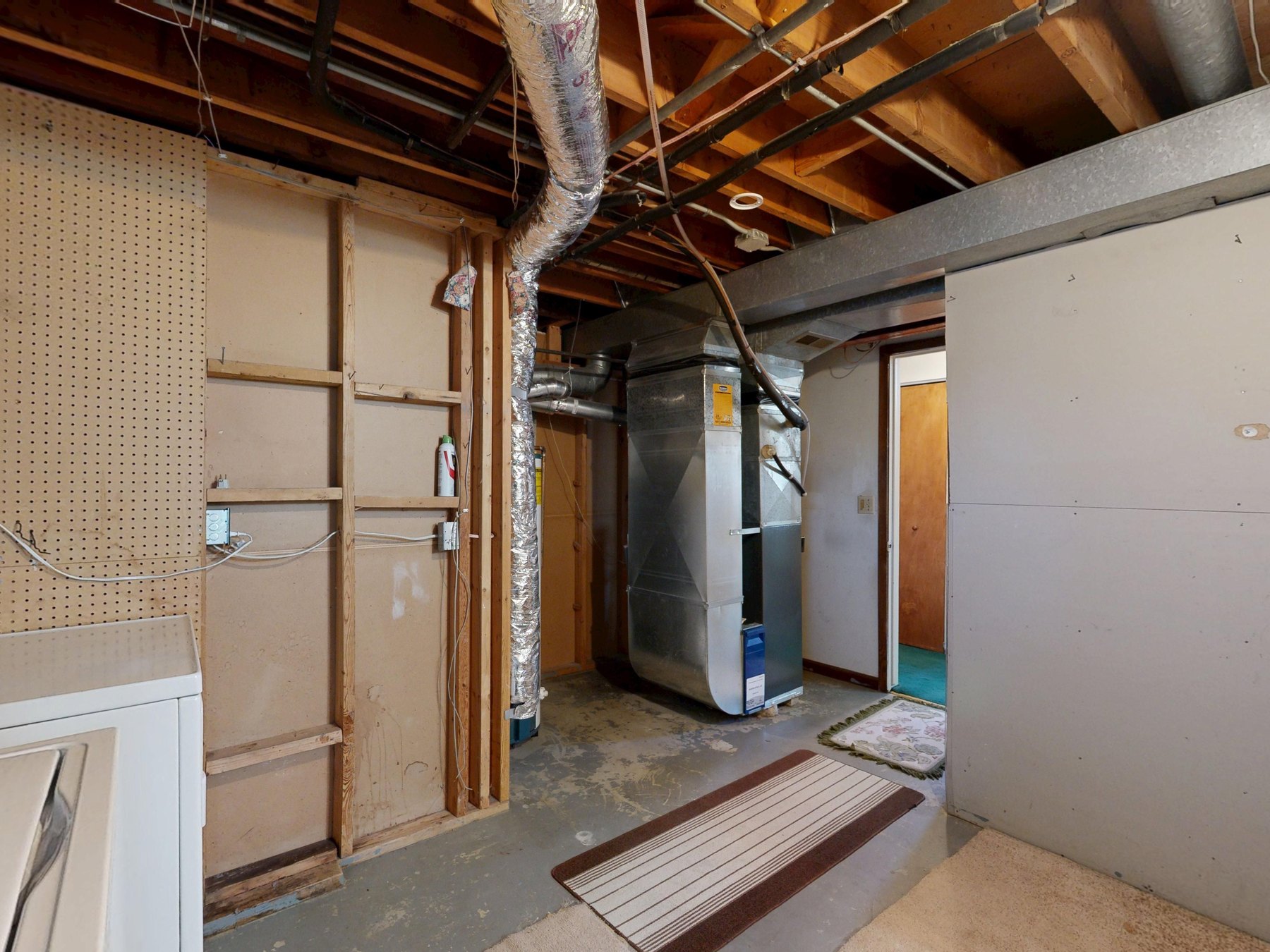
There is no single universal timeline. In general, higher concentrations can cause noticeable symptoms within minutes, while lower concentrations may take hours to cause clear poisoning. The key point is that you can feel “flu-like” at first and still be in a dangerous situation, especially if symptoms improve when you leave the space and return when you go back inside.
Typical timing patterns people report
- Minutes: Often tied to very high CO levels, such as running a generator indoors or in a garage, or severe venting failures.
- 1 to 3 hours: Common in scenarios like a malfunctioning furnace or blocked chimney in a closed home, especially overnight.
- Several hours to days: Low-level exposure can cause headaches, fatigue, and nausea that come and go, sometimes mistaken for illness.
Quick reference table: exposure factors and what they can mean
| Situation | What often drives the timeline | Why it can be missed | Practical next step |
|---|---|---|---|
| Generator used in garage or near open windows | Very high CO output and poor airflow | People assume “cracked door” is enough | Move to fresh air immediately and call emergency services if symptoms occur |
| Furnace or water heater venting problem | Moderate CO buildup over hours | Symptoms look like cold or flu | Leave the home, get evaluated if symptoms, and have equipment inspected |
| Car idling in attached garage | Rapid CO seepage into living space | CO is odorless, people rely on smell | Turn off engine, ventilate, and do not re-enter until safe |
| Blocked chimney or fireplace backdraft | Intermittent spikes depending on wind and airflow | Symptoms come and go | Stop using appliance and schedule inspection |
Symptoms by stage: what to watch for
Symptoms can vary and may not match a neat checklist. People in the same home can feel different effects depending on where they were and how long they were exposed.
Common early symptoms
- Headache
- Dizziness or lightheadedness
- Nausea or vomiting
- Fatigue or unusual sleepiness
- Shortness of breath
More serious symptoms
- Confusion, trouble thinking clearly
- Chest pain or rapid heartbeat
- Loss of coordination
- Fainting or loss of consciousness
- Seizures
Decision rule: “better outside than inside”
If symptoms improve when you leave a building and come back when you return, treat that as a strong warning sign of an indoor air issue, including possible CO.
What affects how quickly CO poisoning happens
1) The source and the space
Small, enclosed spaces can become dangerous faster. A running car in a garage, a generator near a doorway, or a blocked vent in a tight home can raise risk quickly.
2) Sleep and overnight exposure
CO exposure during sleep is especially dangerous because you may not notice symptoms. This is one reason CO alarms are so important in sleeping areas.
3) Health and household risk factors
- Infants and children may be affected sooner because of smaller body size and higher breathing rates.
- Older adults and people with heart disease may develop serious symptoms faster.
- Pregnancy can increase risk for both the pregnant person and the fetus.
What to do if you suspect carbon monoxide exposure
Act quickly. CO can become life-threatening, and waiting to “see if it passes” can be risky.
Immediate checklist
- Get everyone to fresh air right away.
- If anyone has severe symptoms (confusion, fainting, chest pain), call emergency services.
- Do not try to find the source while you are symptomatic.
- Do not re-enter the building until it is declared safe by professionals.
- Arrange inspection and repairs for fuel-burning appliances and vents.
Helpful external resources
Carbon monoxide alarms: placement, testing, and replacement
CO alarms are a practical, relatively low-cost way to reduce risk. Many building codes and local rules require them, but even when not required, they are worth considering.
Placement rules of thumb
- Install at least one CO alarm on each level of the home.
- Place alarms near sleeping areas so you can hear them at night.
- Follow the manufacturer’s height and distance guidance, especially near fuel-burning appliances.
Maintenance checklist
- Test alarms monthly.
- Replace batteries at least once a year (or as directed).
- Replace the entire unit when it reaches end-of-life (often 5 to 10 years, check the label).
The money side: planning for costs after a CO incident
A CO event can trigger both immediate and follow-up costs. Planning ahead can help you avoid high-interest debt if something happens.
Common cost categories
- Medical care: urgent care, ER visits, ambulance, follow-up appointments.
- Home repairs: furnace repair or replacement, chimney cleaning, venting fixes.
- Temporary housing: hotel stays if the home is unsafe.
- Lost income: missed work during recovery or while handling repairs.
- Equipment: CO alarms, possible air quality assessments.
Table: CO incident cost and paperwork checklist
| Item | What to save | Why it matters | Where it may be used |
|---|---|---|---|
| Medical visits | Discharge papers, itemized bills, test results | Helps you review charges and track follow-up care | Health insurance, HSA/FSA records |
| Repairs and inspections | Written estimates, invoices, technician notes | Documents the cause and the fix | Homeowners or renters insurance claims |
| Temporary lodging | Hotel receipts, dates, reason for stay | May support reimbursement depending on coverage | Insurance claim file |
| Time off work | Pay stubs, PTO records, employer notes | Clarifies income impact | Budget planning, assistance applications |
| CO alarms | Receipts and model numbers | Tracks replacement schedule and proof of purchase | Home maintenance records |
Real-number examples: how families cover unexpected CO-related bills
Costs vary widely. The goal is to avoid making a stressful situation worse by relying only on high-cost debt. Below are three example funding plans that add up correctly. They are not one-size-fits-all, but they show what a practical mix can look like.
Scenario 1: $600 urgent care and testing
- $300 from checking buffer
- $200 from HSA/FSA (if available)
- $100 from a short-term budget cut (pause dining out for 2 weeks)
Total: $600
Scenario 2: $2,500 furnace repair plus 2 hotel nights
- $1,200 from emergency fund
- $800 from a 0% APR credit card promo balance (only if you have a payoff plan before the promo ends)
- $500 from a payment plan with the HVAC company (ask about terms and fees)
Total: $2,500
Scenario 3: $7,500 major replacement and follow-up care
- $2,500 from emergency fund
- $3,000 from homeowners or renters insurance reimbursement timing gap covered by savings or a short-term loan option you can afford
- $2,000 from a home improvement financing offer or personal loan after comparing APR, fees, and term length
Total: $7,500
Borrowing options if you need cash for repairs or medical bills
If you do not have enough savings, you may consider borrowing. Compare total cost, not just the monthly payment. Look at APR, fees, repayment term, and what happens if you miss a payment.
Comparison table: common ways people finance emergency expenses
| Option | Best fit | What to compare | Main drawback |
|---|---|---|---|
| Emergency fund (cash savings) | Any urgent need | How much you can use while keeping a minimum buffer | May leave you short for the next emergency |
| 0% APR credit card promo (if offered) | Medium bills you can repay within promo period | Promo length, post-promo APR, balance transfer fees | Cost can jump if not repaid before promo ends |
| Personal loan from a bank or credit union | Larger repairs with predictable payments | APR, origination fees, term length, prepayment penalties | Approval and rates depend on credit and income |
| Home equity loan or HELOC | Homeowners with equity and stable income | Variable vs fixed rate, closing costs, draw period rules | Your home is collateral, missed payments can be serious |
| Contractor payment plan | HVAC or chimney work with clear terms | Interest rate, fees, late penalties, lien policy | Terms vary widely, read the contract carefully |
Decision rules to choose a financing path
- If you can repay within 30 to 60 days: prioritize cash flow changes and a payment plan before long-term debt.
- If you need 6 to 18 months: compare a 0% promo (if available) versus a personal loan with no prepayment penalty.
- If you need multiple years: compare total interest cost and risk, especially if using home equity.
- If the payment strains your budget: reduce the loan size by using partial savings, negotiating repair scope, or seeking local assistance programs.
How to protect your credit if bills pile up
Medical and repair bills can become credit problems if they go unpaid. A few practical moves can reduce damage.
Steps that often help
- Ask for itemized bills and check for errors before paying.
- Request a payment plan in writing and confirm due dates.
- If you are overwhelmed, contact a nonprofit credit counselor to review options and prioritize payments.
- Monitor your credit reports for accuracy.
Useful links for credit and complaint help
- AnnualCreditReport.com to check your credit reports.
- Consumer Financial Protection Bureau for consumer finance tools and complaint options.
Prevention checklist: reduce CO risk and reduce surprise expenses
- Install CO alarms on every level and near bedrooms.
- Schedule annual inspections for fuel-burning appliances where recommended.
- Never run generators, grills, or camp stoves indoors or in garages.
- Do not idle a car in an attached garage, even with the door open.
- Keep chimneys and vents clear and address backdrafting issues.
- Build a starter emergency fund (even $500 to $1,000 can reduce reliance on high-cost credit).
Key takeaways
- CO poisoning can happen in minutes at high levels or over hours at lower levels.
- Symptoms often mimic flu, especially headaches, nausea, and fatigue.
- Leaving the area and getting help quickly is critical if exposure is suspected.
- CO alarms, inspections, and safe generator practices reduce risk.
- CO incidents can create sudden bills, so it helps to plan how you would cover $600, $2,500, or $7,500 without relying only on expensive debt.

