

Pet Safe Homes

Pet safe homes start with spotting everyday hazards, then choosing upgrades you can actually afford and maintain.
Contents
32 sections
-
What makes a home "pet safe" (and where problems start)
-
Pet safe homes checklist by room
-
Entryways and hallways
-
Kitchen
-
Living room
-
Bathroom and laundry
-
Bedrooms
-
Yard, balcony, and garage
-
Pet safe homes upgrades that cost the most (and how to decide)
-
Budgeting for pet safety: what it looks like with real numbers
-
Sample allocation 1: $300 monthly surplus, renter with a dog
-
Sample allocation 2: $800 monthly surplus, homeowner planning a fence repair
-
Sample allocation 3: $1,200 monthly surplus, multiple pets and older HVAC
-
Timeline decision rules (under 1 year, 1 to 3 years, 3 to 7 years, 7+ years)
-
Financing options for pet safety upgrades (compare costs and risks)
-
Simple rule for choosing a financing path
-
Cost and risk checklist before you spend
-
How to lower costs without cutting corners
-
Use "layered safety" instead of one expensive fix
-
Buy used for the right items
-
Bundle projects to reduce labor costs
-
Credit and borrowing moves that protect your budget
-
Check your credit before applying
-
Know what lenders must disclose
-
Watch for contractor and financing scams
-
Keep cash in a safe place while you save
-
Practical examples: turning hazards into a plan
-
Example 1: The door dasher dog in a rental
-
Example 2: Cat in a high rise with risky windows
-
Example 3: Older dog slipping on hard floors
-
Documents and info to gather if you finance a larger upgrade
-
Bottom line: make safety improvements that fit your cash flow
If you rent or own, safety usually comes down to three things: preventing escapes, preventing poisoning, and preventing injuries. The good news is many fixes are low cost. For bigger projects like fencing, HVAC repairs, or flooring replacement, you may need a plan to spread costs over time. This guide walks through practical home changes, what they typically cost, and how to think about paying for them without overextending your budget.
What makes a home “pet safe” (and where problems start)
Most pet emergencies at home come from a short list of issues:
- Escape routes: loose gates, broken latches, torn screens, balcony gaps, doors that do not latch.
- Toxins: human medications, cleaning products, rodent bait, certain plants, antifreeze, essential oils.
- Choking and foreign objects: kids’ toys, socks, strings, bones, batteries.
- Falls and injuries: slippery floors, stairs, balconies, unsecured furniture, exposed cords.
- Heat and air risks: hot cars, poor ventilation, space heaters, broken AC during heat waves.
- Water risks: pools, ponds, open toilets for small pets, flooding or mold after leaks.
A helpful way to prioritize is to start with the highest consequence hazards (poisoning, escape, heat) and then move to comfort and convenience upgrades.
Pet safe homes checklist by room
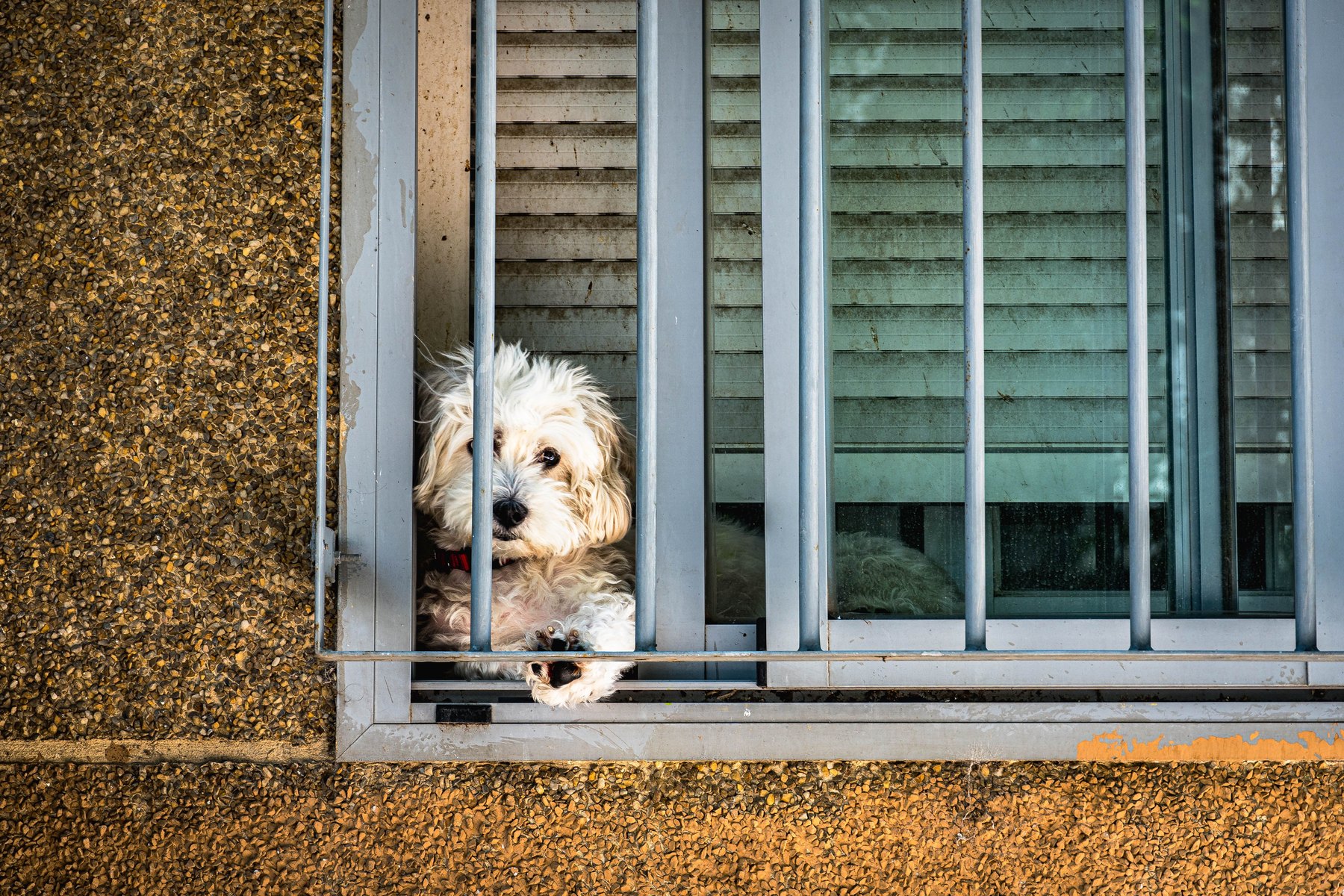
Use this room by room checklist to find quick wins. If you are budgeting, mark each item as: free, under $50, $50 to $250, or $250+.
Entryways and hallways
- Add a double barrier for door dashers: baby gate, exercise pen, or a small “airlock” area.
- Install a self closing hinge or door closer if your household forgets to latch doors.
- Use a leash hook and treat jar near the door to reduce rushed exits.
- Store shoes, backpacks, and kids’ toys in closed bins to reduce chewing and choking.
Kitchen
- Use childproof latches on lower cabinets with cleaners and trash.
- Switch to a lidded trash can or keep trash behind a latched door.
- Keep grapes, raisins, chocolate, xylitol gum, and alcohol out of reach.
- Do a weekly “drop zone” sweep for pills and vitamins.
Living room
- Secure tall furniture and TVs to reduce tip over risk.
- Bundle and cover cords with cord protectors.
- Choose pet friendly rugs or add non slip pads to reduce sliding injuries.
Bathroom and laundry
- Keep medications in a closed cabinet, not on counters.
- Close toilet lids if you have small pets or puppies.
- Store detergent pods in a latched container or high shelf.
- Check for mold or leaks under sinks and around washers.
Bedrooms
- Use a hamper with a lid to prevent sock and underwear ingestion.
- Keep charging cables and earbuds in drawers.
- For cats, provide scratch posts to reduce carpet damage and stress behaviors.
Yard, balcony, and garage
- Inspect fences and gates for gaps, rot, and loose boards.
- Lock up antifreeze, fertilizers, pesticides, and paint.
- Use balcony netting or barriers where allowed and safe.
- Consider a shaded area and a spill proof water station in hot climates.
Pet safe homes upgrades that cost the most (and how to decide)
Some of the most effective safety improvements are also the most expensive. Use these decision rules to prioritize:
- Fix it now if it prevents a high risk event: escape to traffic, poisoning access, heat exposure, electrical hazards.
- Schedule it if it reduces frequent injuries or property damage: slippery floors, torn screens, worn carpet that traps allergens.
- Skip or scale down if it is mostly aesthetic: premium finishes, luxury pet doors, custom built ins.
| Upgrade | Why it matters | Typical cost drivers | Lower cost alternative |
|---|---|---|---|
| Fence repair or new fencing | Reduces escape risk and neighbor conflicts | Linear feet, terrain, materials, gates | Exercise pen, tie out system used safely, supervised yard time |
| HVAC repair or portable cooling | Heat safety, especially for seniors and brachycephalic breeds | System age, parts, labor, duct issues | Window unit, fans plus shaded rest area, cooling mats |
| Flooring replacement | Traction, easier cleanup, fewer slips | Square footage, subfloor, material choice | Runners, non slip pads, washable rugs |
| Window and screen upgrades | Prevents falls and escapes | Window type, screen strength, installation | Window stops, reinforced screen inserts |
| Pet door installation | Convenience, but also security and escape considerations | Door material, wall cut, smart features | Scheduled potty breaks, secure run area |
Budgeting for pet safety: what it looks like with real numbers
Start with two numbers: your monthly surplus (money left after bills and essentials) and your emergency fund target. Many households aim for 3 to 6 months of essential expenses in an emergency fund, but your target can be higher if your income is variable or you have higher risk factors.
Sample allocation 1: $300 monthly surplus, renter with a dog
- $150 to emergency fund
- $75 to pet safety sinking fund (gates, latches, screen repair)
- $50 to routine vet and meds sinking fund
- $25 to training and enrichment (to reduce destructive behavior)
Total: $300
Sample allocation 2: $800 monthly surplus, homeowner planning a fence repair
- $300 to emergency fund until it reaches your target
- $350 to fence and yard safety sinking fund
- $100 to home maintenance (HVAC tune up, leak checks)
- $50 to pet insurance premium or vet sinking fund
Total: $800
Sample allocation 3: $1,200 monthly surplus, multiple pets and older HVAC
- $400 to emergency fund
- $300 to HVAC replacement reserve
- $250 to pet safety upgrades (floor runners, balcony barrier, storage)
- $150 to vet sinking fund
- $100 to debt payoff above minimums (if applicable)
Total: $1,200
Timeline decision rules (under 1 year, 1 to 3 years, 3 to 7 years, 7+ years)
- Under 1 year: Focus on low cost, high impact fixes and a cash sinking fund. Avoid long repayment loans for small purchases.
- 1 to 3 years: Plan for medium projects like fence sections, screen upgrades, or replacing worn flooring in one room. Consider financing only if the payment fits comfortably and you have a cash buffer.
- 3 to 7 years: Larger home systems and major renovations become realistic. Build reserves and compare financing options carefully.
- 7+ years: If you expect to stay long term, durable upgrades (quality fencing, resilient flooring, HVAC efficiency) may be easier to justify because you spread the benefit over more years.
Financing options for pet safety upgrades (compare costs and risks)
If you cannot pay cash for a needed safety fix, financing can help you spread the cost. The right choice depends on your credit, timeline, and whether the project is urgent. Compare APR, fees, repayment term, prepayment rules, and what happens if you miss a payment.
| Option | Best fit | What to compare | Main drawback |
|---|---|---|---|
| 0% intro APR credit card (issuer examples: Chase, Citi, Discover, Capital One) | Smaller projects you can pay off before promo ends | Promo length, post promo APR, balance transfer fee, credit limit | High APR if not paid off in time; utilization can affect credit |
| Personal loan (examples: SoFi, LightStream, Discover Personal Loans, Upstart, LendingClub) | Fixed payment for a defined project cost | APR range, origination fee, term length, funding speed | Interest cost over time; approval and rates vary by credit |
| Home equity loan or HELOC (often from local banks or credit unions) | Homeowners with equity funding larger upgrades | Variable vs fixed rate, closing costs, draw period, repayment terms | Your home is collateral; costs and timelines can be higher |
| Retail or contractor financing (examples: Synchrony, Wells Fargo retail financing where offered) | Specific purchases like flooring or HVAC through a partner | Promo terms, deferred interest rules, fees, contractor pricing | Deferred interest can be expensive if terms are missed |
| Buy now, pay later (examples: Affirm, Klarna, Afterpay) | Smaller items like gates, crates, storage systems | Total cost, late fees, payment schedule, return policies | Easy to overextend with multiple plans; terms vary by purchase |
Simple rule for choosing a financing path
- If you can repay within 3 to 12 months, a 0% intro APR card or short term plan may be cheaper, but only if you can realistically clear the balance before the promo ends.
- If you need 1 to 5 years, compare personal loans and home equity options (homeowners) for total interest and fees.
- If the project is not urgent, consider building a sinking fund and paying cash to avoid interest.
Cost and risk checklist before you spend
Use this checklist to avoid paying for fixes twice or financing the wrong scope.
| Question | Why it matters | Decision rule |
|---|---|---|
| Is this a safety emergency? | Some hazards can lead to immediate harm | If yes, prioritize a fast fix even if it is temporary |
| Can I reduce the risk today at low cost? | Temporary barriers buy time | Use gates, latches, storage bins, and supervision while planning |
| What is the total project cost, including installation? | Materials only quotes can mislead | Get at least 2 written estimates for larger jobs |
| What is the total financing cost? | APR and fees change the real price | Compare total interest paid over the full term, not just the payment |
| Will this upgrade reduce other costs? | Some upgrades reduce damage or vet risks | Prioritize upgrades that prevent repeat incidents |
| Do I have a cash buffer after paying? | Unexpected vet bills happen | Aim to keep at least 1 month of essential expenses accessible |
How to lower costs without cutting corners
Use “layered safety” instead of one expensive fix
Example: If a full fence replacement is not possible this year, you might combine a repaired gate latch, a temporary exercise pen, and supervised outdoor time. This reduces escape risk while you save for a permanent solution.
Buy used for the right items
Crates, baby gates, and storage cabinets are often available secondhand. Avoid used items where failure is dangerous or hygiene is hard to verify, such as car restraints with unknown crash history.
Bundle projects to reduce labor costs
If you are hiring help, combining small jobs (screen replacement plus door sweep plus gate latch) can reduce minimum service call charges.
Credit and borrowing moves that protect your budget
Check your credit before applying
Review your credit reports for errors that could raise your borrowing costs. You can get free weekly reports at AnnualCreditReport.com.
Know what lenders must disclose
When comparing loans or credit cards, focus on APR, fees, and total repayment. The CFPB has plain language resources on credit products and consumer protections at consumerfinance.gov.
Watch for contractor and financing scams
Be cautious with high pressure sales tactics, especially after storms or local emergencies. The FTC’s consumer guidance can help you spot red flags at consumer.ftc.gov.
Keep cash in a safe place while you save
If you are building a sinking fund for a project, consider keeping it in an FDIC insured bank account. You can learn how deposit insurance works at fdic.gov.
Practical examples: turning hazards into a plan
Example 1: The door dasher dog in a rental
- Hazard: Dog bolts when the front door opens.
- Today: Add a pressure mounted gate in the hallway and a leash hook by the door.
- This month: Replace a loose latch and add a self closing hinge if allowed.
- Budget plan: $30 to $80 for a used gate, $10 to $25 for hardware, plus a $25 monthly sinking fund for replacements.
Example 2: Cat in a high rise with risky windows
- Hazard: Weak screens and wide window openings.
- Today: Use window stops to limit opening width.
- Next: Upgrade to reinforced screens or screen guards where permitted.
- Budget plan: Treat it as a high priority safety item before buying nonessential pet furniture.
Example 3: Older dog slipping on hard floors
- Hazard: Slips on tile or hardwood leading to injury risk.
- Today: Add runners and non slip pads in main pathways.
- Later: Consider replacing flooring room by room if needed.
- Budget plan: Start with $100 to $300 of rugs before committing to a full flooring project.
Documents and info to gather if you finance a larger upgrade
Having paperwork ready can speed up comparisons and applications.
- Proof of income (recent pay stubs or tax returns if self employed)
- Housing info (rent or mortgage payment, time at address)
- Project estimates (written quotes, scope of work)
- Basic budget numbers (monthly surplus, existing debts)
- For home equity products: home value estimate, mortgage balance, insurance info
Bottom line: make safety improvements that fit your cash flow
Pet safety is not one purchase. It is a system of habits, barriers, and maintenance. Start with the hazards most likely to cause serious harm, use low cost fixes to reduce risk quickly, and build a sinking fund for bigger upgrades. If you choose to finance, compare total costs and keep enough cash on hand for surprises like vet visits and home repairs.

