

Home Renovations That Prepare You for Retirement

Home renovations for retirement work best when they make your home safer, easier to maintain, and cheaper to run for the next 10 to 30 years.
Contents
26 sections
-
Start with the retirement goals your home must support
-
Quick self-assessment checklist
-
Home renovations for retirement: the highest-impact projects
-
1) Fall prevention and accessibility
-
2) "Big systems" to reduce surprise repairs
-
3) Energy and water efficiency for monthly savings
-
4) Layout changes that support aging in place
-
Budgeting with real numbers: three sample renovation plans
-
Scenario A: $15,000 safety-first plan (1 to 12 months)
-
Scenario B: $50,000 "stay put" plan (1 to 3 years)
-
Scenario C: $120,000 long-horizon plan (3 to 7 years)
-
Timeline decision rules: what to do now vs later
-
Under 1 year
-
1 to 3 years
-
3 to 7 years
-
7+ years
-
Financing options for renovations: compare cost, risk, and flexibility
-
How to choose between cash and borrowing (simple rules)
-
What lenders and contractors typically ask for
-
Cost and risk controls that protect your retirement budget
-
Use a "retirement-safe" renovation checklist
-
Watch for fraud and high-pressure sales
-
Credit and borrowing prep before you apply
-
Putting it together: a simple project priority score
-
Common retirement renovation mistakes to avoid
-
Next steps: build a phased plan you can afford
That goal is different from remodeling for resale. In retirement, the “return” you want is fewer falls, fewer surprise repairs, lower utility bills, and a layout that still works if your mobility changes. The right projects depend on your health, your home’s condition, your climate, and your timeline.
Start with the retirement goals your home must support
Before you price out a new kitchen, define what you need your home to do in retirement. Use these decision rules to set priorities:
- Safety first: If a project reduces fall risk or improves emergency access, it usually beats cosmetic upgrades.
- Maintenance second: If it reduces ongoing chores or eliminates a recurring repair, it often pays back in time and stress.
- Operating costs third: Energy and water savings can help your monthly budget, especially on a fixed income.
- Comfort and enjoyment: After the first three are covered, invest in the spaces you use every day.
Quick self-assessment checklist
- Do you plan to stay in this home for 5+ years, or is downsizing likely?
- Are there stairs to essential rooms (bedroom, bathroom, laundry, kitchen)?
- Any history of slips, balance issues, or difficulty stepping into a tub?
- Is your roof, HVAC, plumbing, or electrical system near end-of-life?
- Are utility bills rising, or is the home drafty or hard to cool?
- Do you have nearby help for maintenance, or will you hire it out?
Home renovations for retirement: the highest-impact projects
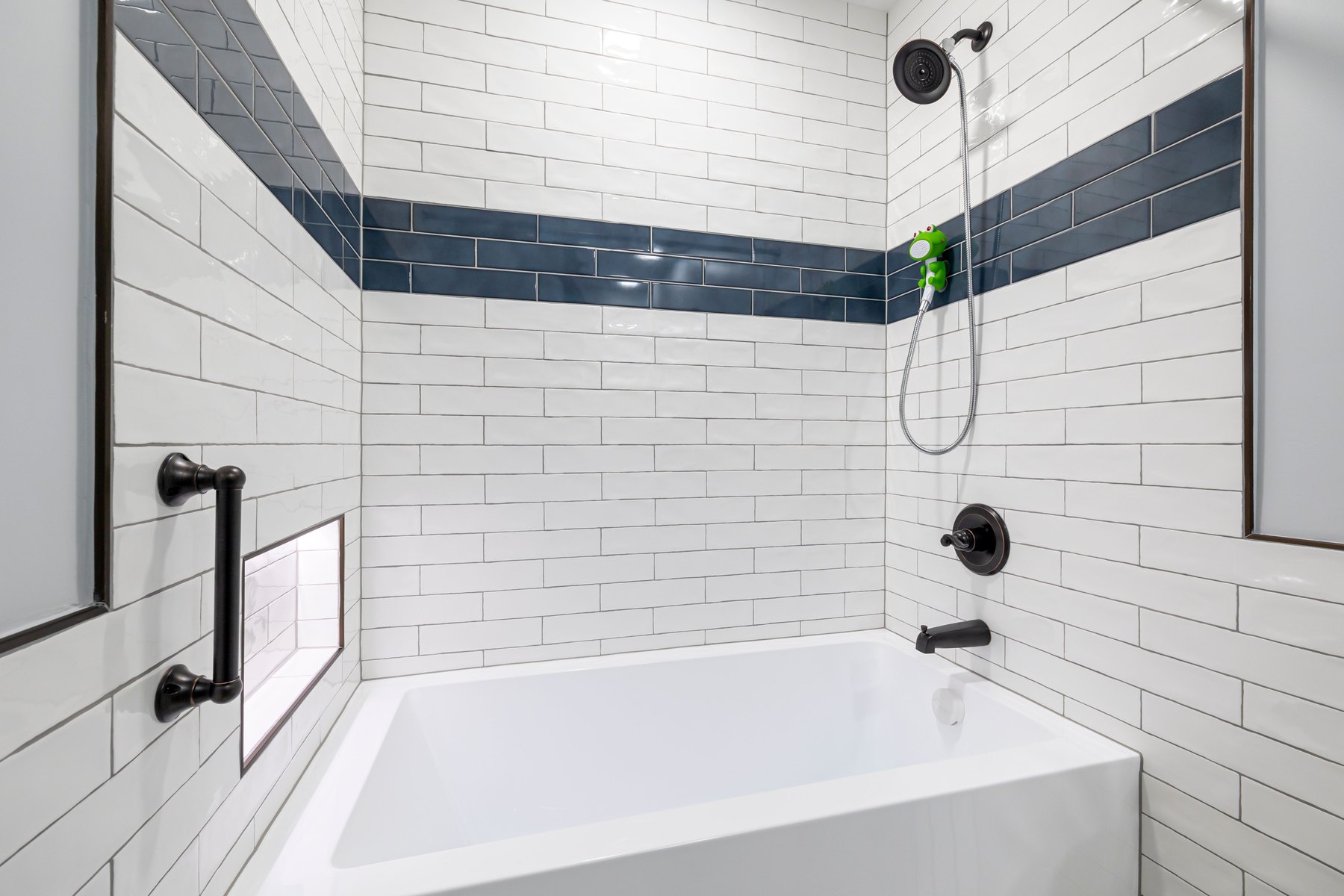
These categories tend to matter most for aging in place. You do not need to do everything at once. The best plan is usually a phased approach that matches your timeline and budget.
1) Fall prevention and accessibility
- Bathroom safety: Curbless shower, grab bars anchored to studs, non-slip flooring, comfort-height toilet, lever handles.
- Lighting: Brighter LED lighting, motion sensors in hallways, night lights on the route to the bathroom.
- Entry and pathways: Zero-step entry or ramp, handrails on both sides of stairs, even walkways, anti-slip exterior surfaces.
- Wider clearances: Wider doorways where feasible, clear turning space in key rooms.
Decision rule: If you have one bathroom and it has a tub you must step over, prioritize a safer shower setup before cosmetic updates.
2) “Big systems” to reduce surprise repairs
- Roof and gutters: Prevent leaks and water damage. Consider gutter guards if you will not want ladder work later.
- HVAC: Replace aging systems before they fail in extreme weather. Consider smart thermostats for easier control.
- Electrical: Add outlets to reduce extension cords, upgrade unsafe panels, install GFCI where needed.
- Plumbing: Replace old shutoff valves, address corrosion, consider leak sensors and an automatic shutoff.
Decision rule: If a system is near end-of-life and failure would force you to move temporarily, plan it earlier while you can schedule contractors on your terms.
3) Energy and water efficiency for monthly savings
- Air sealing and insulation: Often the best comfort upgrade per dollar in many climates.
- Windows and doors: Replace only where needed. Sometimes sealing and storm windows are enough.
- Heat pump water heater or efficient water heater: Can reduce energy use depending on your setup.
- Low-flow fixtures: Reduce water use with minimal lifestyle change.
Decision rule: If you expect to stay 7+ years, efficiency projects are more likely to feel “worth it” because you have more time to benefit from lower bills.
4) Layout changes that support aging in place
- First-floor living: Bedroom, full bath, and laundry on the main level if possible.
- Kitchen ergonomics: Pull-out shelves, D-handles, good task lighting, anti-fatigue flooring.
- Smart home basics: Video doorbell, smart locks, voice control for lights, and remote thermostat access can help with mobility and safety.
Budgeting with real numbers: three sample renovation plans
Costs vary widely by region and home condition, so treat these as planning examples. The point is to show how a retirement-focused plan can be staged and funded without trying to do everything at once.
Scenario A: $15,000 safety-first plan (1 to 12 months)
- $6,000 – bathroom safety updates (grab bars, non-slip floor, better lighting, minor plumbing changes)
- $2,500 – improved exterior lighting and handrails
- $2,000 – fix trip hazards (thresholds, uneven walkway sections, loose flooring)
- $2,500 – basic smart safety (smoke and CO detectors, leak sensors)
- $2,000 – contingency for surprises
Total: $15,000
Scenario B: $50,000 “stay put” plan (1 to 3 years)
- $18,000 – bathroom remodel with curbless shower and comfort-height toilet
- $12,000 – HVAC replacement or major service and duct improvements
- $6,000 – insulation and air sealing
- $5,000 – electrical safety and added outlets
- $4,000 – entry improvements (zero-step solution where feasible)
- $5,000 – contingency
Total: $50,000
Scenario C: $120,000 long-horizon plan (3 to 7 years)
- $35,000 – major layout change for first-floor living (bedroom or laundry relocation)
- $25,000 – roof replacement and drainage improvements
- $18,000 – window and door replacements in priority areas
- $20,000 – kitchen accessibility improvements (cabinets, pull-outs, lighting, flooring)
- $12,000 – driveway and walkway upgrades
- $10,000 – contingency
Total: $120,000
Timeline decision rules: what to do now vs later
Use your expected time in the home to decide how aggressive to be with renovations and financing.
Under 1 year
- Focus on safety fixes and urgent repairs.
- Avoid major layout changes unless medically necessary.
- Keep cash flexibility for moving costs or health expenses.
1 to 3 years
- Do the bathroom and entry projects that reduce fall risk.
- Replace failing systems on a planned schedule.
- Consider efficiency upgrades with quick comfort benefits (air sealing, insulation).
3 to 7 years
- Consider bigger projects like first-floor living conversions.
- Bundle projects to reduce contractor mobilization costs.
- Plan financing so payments fit a retirement budget.
7+ years
- Prioritize durability and low maintenance materials.
- Consider long-term efficiency upgrades and major system replacements.
- Build a home maintenance reserve so repairs do not force high-cost borrowing later.
Financing options for renovations: compare cost, risk, and flexibility
Many retirees prefer to pay cash to avoid new monthly payments. But cash is not always the best tool if it drains your emergency fund or forces you to sell investments at a bad time. A practical approach is to compare financing options based on total cost, payment stability, and what happens if your income changes.
| Financing option | Best fit | What to compare | Main drawback |
|---|---|---|---|
| Cash savings | Smaller projects, strong emergency fund | Impact on cash reserves, timing of withdrawals | Less liquidity for emergencies |
| Home equity loan (fixed) | One-time large project, prefer fixed payments | APR, term length, closing costs, monthly payment | Borrowing is secured by your home |
| HELOC (variable) | Phased projects over time | Intro rate vs ongoing APR, draw period, fees, rate caps | Payments can rise if rates increase |
| Cash-out refinance | When it improves your overall mortgage terms | New APR, total interest over time, closing costs | May reset the clock to a longer loan |
| Personal loan (unsecured) | Mid-size projects, no home collateral | APR, origination fee, term, prepayment rules | Often higher APR than secured options |
| Credit card or 0% promo | Small purchases you can repay quickly | Promo length, post-promo APR, balance transfer fees | High cost if not paid before promo ends |
How to choose between cash and borrowing (simple rules)
- Keep an emergency fund: Many households target 3 to 12 months of essential expenses. If paying cash drops you below your comfort level, consider financing part of the project.
- Match the loan term to the project life: Avoid paying for a 10-year roof with a 30-year refinance unless the overall mortgage improves and the payment fits.
- Prefer predictable payments in retirement: Fixed-rate options can be easier to budget than variable-rate lines.
- Do not borrow for purely cosmetic work if cash flow is tight: Prioritize safety and essential repairs first.
What lenders and contractors typically ask for
Being organized can speed up quotes and reduce surprises. Here is a practical document list for common renovation financing and contractor bids.
| Item | Why it matters | Tips |
|---|---|---|
| Project scope and rough budget | Helps contractors bid apples-to-apples | List must-haves vs nice-to-haves |
| Two to three contractor estimates | Supports better pricing and timelines | Ask for line-item bids and materials specs |
| Proof of income | Used for loan affordability checks | Include Social Security, pension, and other income sources |
| Recent tax returns or bank statements | May be requested for underwriting | Have digital copies ready |
| Home value and mortgage info | Needed for equity-based options | Know your current balance and rate |
| Insurance details | Protects against damage and liability | Confirm contractor insurance and permits |
Cost and risk controls that protect your retirement budget
Renovations can go over budget, especially when walls open up and hidden issues appear. These controls help keep the project from spilling into savings meant for living expenses.
Use a “retirement-safe” renovation checklist
- Set a contingency: Common planning ranges are 10% to 20% depending on project complexity and home age.
- Phase the work: Do safety and systems first, then cosmetics.
- Get permits when required: Unpermitted work can create problems later with insurance or resale.
- Use written contracts: Include payment schedule, change-order process, and materials list.
- Avoid large upfront payments: Tie payments to milestones and inspections where possible.
- Plan for accessibility during construction: Temporary bathroom access, ramps, and safe pathways.
Watch for fraud and high-pressure sales
Home improvement scams often target older homeowners. If a contractor pressures you to sign immediately, asks for full payment upfront, or claims a “today only” deal, slow down and verify. The FTC has practical guidance on spotting and reporting scams at https://consumer.ftc.gov/.
Credit and borrowing prep before you apply
If you might finance any part of the renovation, a little preparation can improve your options and reduce stress.
- Check your credit reports: Review for errors before applying. You can get free reports at https://www.annualcreditreport.com/.
- Compare APR and total cost: Look beyond the monthly payment. Fees and term length matter.
- Keep documentation consistent: Income deposits, retirement distributions, and account names should be easy to explain.
- Understand home-secured borrowing: With home equity products, missed payments can put the home at risk. The CFPB explains key concepts at https://www.consumerfinance.gov/.
Putting it together: a simple project priority score
If you are deciding between multiple renovations, score each project from 1 to 5 in the categories below and total the points. Higher totals usually deserve earlier funding.
| Category | 1 point | 3 points | 5 points |
|---|---|---|---|
| Safety impact | Mostly cosmetic | Some risk reduction | Major fall or hazard reduction |
| Maintenance reduction | No change | Some chores reduced | Eliminates recurring maintenance |
| Monthly cost impact | No change | Small savings | Meaningful, ongoing savings |
| Urgency | Can wait 5+ years | Should do in 1 to 3 years | Needs attention this year |
| Disruption level | High disruption | Moderate disruption | Low disruption |
Common retirement renovation mistakes to avoid
- Over-improving for the neighborhood: If resale is uncertain, focus on livability and durability.
- Ignoring the one-bath problem: If you only have one bathroom, plan temporary access before demolition.
- Skipping the contractor vetting: Verify licensing, insurance, references, and written scope.
- Financing without a payment stress test: Run your budget with higher rates (for variable products) or with a reduced income scenario.
- Draining cash reserves: A beautiful remodel can feel expensive if it leaves you short on emergency funds.
Next steps: build a phased plan you can afford
Start by listing your top three risks: falls, major system failure, and high monthly bills. Then pick one project in each category that you can complete within your next 12 months. Get multiple bids, include a contingency, and choose a funding mix that keeps your emergency fund intact. Over time, you can move from “make it safe” to “make it easy” to “make it enjoyable” without putting unnecessary strain on your retirement budget.
For additional guidance on home-related financial decisions and avoiding deceptive practices, review resources from the CFPB at https://www.consumerfinance.gov/ and the FTC at https://consumer.ftc.gov/. If you plan to borrow, checking your credit report first at https://www.annualcreditreport.com/ can help you spot issues early.


