

Tariffs Inflation Impact: What It Means for Prices, Paychecks, and Borrowing

Tariffs inflation impact shows up fastest in everyday prices, but it can also affect paychecks, interest rates, and the cost of borrowing for cars, homes, and small businesses.
Contents
33 sections
-
How tariffs work and why they can raise prices
-
Common ways tariffs affect prices
-
Tariffs inflation impact on your household budget
-
Categories that often feel tariff pressure
-
Quick checklist: signs tariffs are hitting your spending
-
How tariffs can influence interest rates and loan costs
-
Where you might notice it
-
Real-number examples: what higher prices do to cash flow
-
Scenario 1: A family with a car repair and higher grocery costs
-
Scenario 2: A homeowner planning a renovation
-
Scenario 3: A commuter replacing a vehicle
-
Decision rules by timeline: what to do with your money
-
Under 1 year
-
1 to 3 years
-
3 to 7 years
-
7+ years
-
Borrowing choices when prices rise: compare options carefully
-
Common borrowing options and what to compare
-
Decision rules for choosing a loan term
-
Budget adjustments that work when goods get more expensive
-
High-impact moves
-
Sample allocations with dollar amounts (adds up correctly)
-
Allocation A: Moderate cushion, focused on stability (monthly surplus $400)
-
Allocation B: Aggressive debt payoff, smaller buffer (monthly surplus $600)
-
Allocation C: Preparing for a big purchase in 18 months (monthly surplus $750)
-
Credit and debt tactics when inflation is squeezing you
-
Prioritize the debts that can spiral
-
Practical steps
-
Table: Tariff-driven cost risk checklist for big purchases
-
How to shop for financing without overpaying
-
Borrower checklist
-
Where to find reliable information and protect yourself
-
Putting it together: a simple plan for the next 30 days
A tariff is a tax on imported goods. When tariffs rise, the cost of bringing certain products into the country can increase. Companies may absorb some of that cost, switch suppliers, or pass part of it to customers. The result can look like inflation in specific categories such as appliances, electronics, auto parts, building materials, and some foods. Over time, these price changes can influence household budgets and even the broader economy.
This guide explains how tariffs can feed into inflation, where you are most likely to feel it, and how to make practical money moves if your costs rise. You will also see decision rules and real number examples for budgeting, emergency savings, and borrowing choices.
How tariffs work and why they can raise prices
Tariffs are paid at the border by the importer. That importer might be a retailer, a manufacturer buying parts, or a distributor. What happens next depends on competition, supply chains, and consumer demand.
Common ways tariffs affect prices
- Direct pass-through: A retailer raises shelf prices on tariffed items.
- Upstream cost increases: A manufacturer pays more for imported inputs like steel, chips, or components, then raises prices on finished goods.
- Supplier switching costs: Companies move sourcing to different countries or domestic suppliers, which can take time and sometimes costs more at first.
- Reduced discounts: Instead of raising sticker prices, a business may cut promotions or shrink package sizes.
Tariffs do not automatically cause across-the-board inflation. They tend to raise prices in the categories they touch, and the broader inflation effect depends on how large the tariffed share is, how quickly supply chains adjust, and whether demand stays strong.
Tariffs inflation impact on your household budget
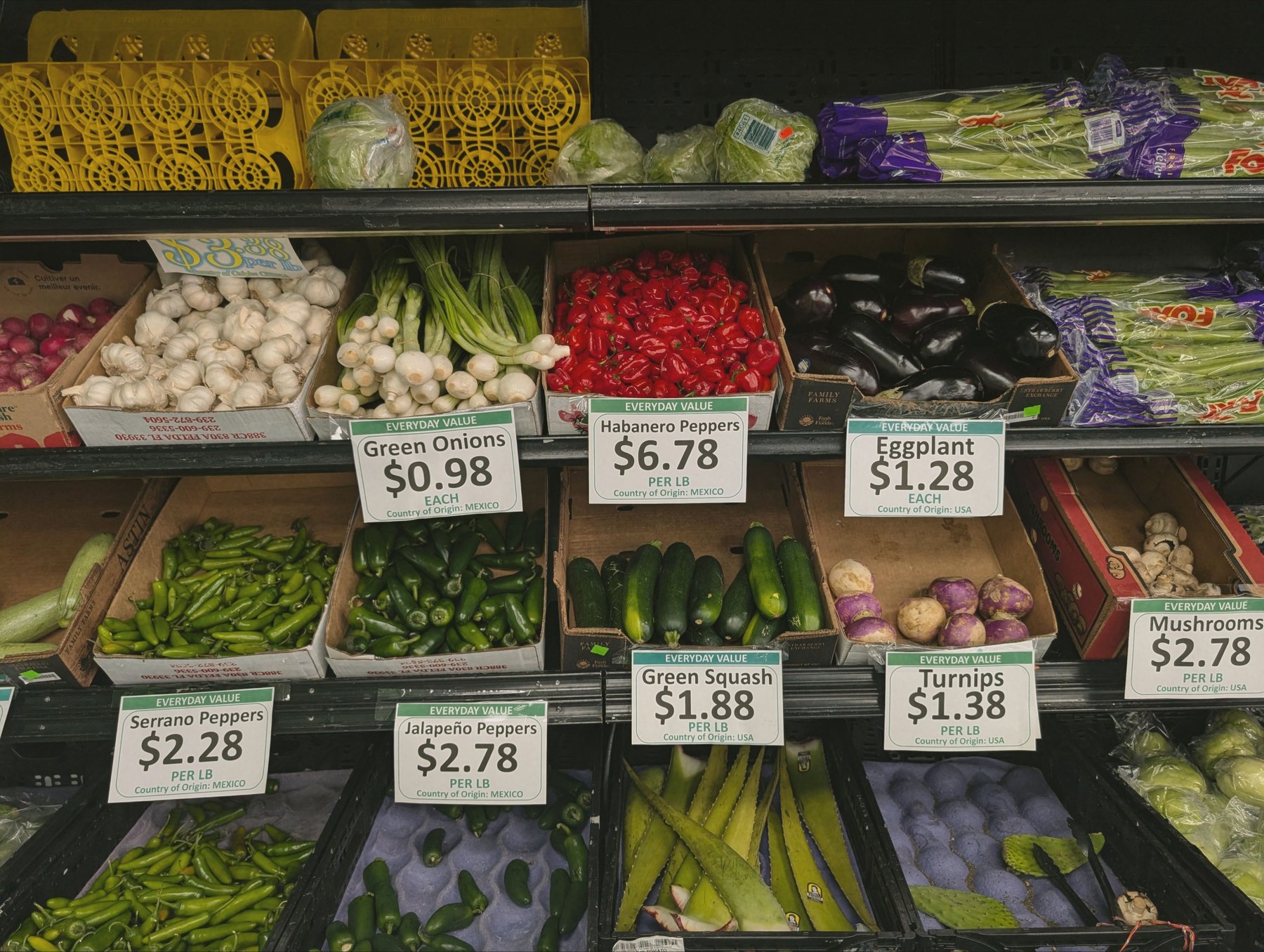
Households usually feel tariffs through higher prices on goods, and sometimes through services that rely on goods inputs. The impact can be uneven: one family might see a noticeable jump in car repair costs, while another mostly notices higher appliance prices when something breaks.
Categories that often feel tariff pressure
- Vehicles and auto repairs: Parts, tires, electronics, and metals can affect repair bills and new car pricing.
- Home improvement: Lumber, steel, aluminum, fixtures, and appliances can raise renovation costs.
- Electronics: Phones, laptops, TVs, and components can be affected depending on sourcing.
- Food and beverages: Some imported items can rise, and domestic substitutes can also move if demand shifts.
Quick checklist: signs tariffs are hitting your spending
- You see fewer sales or smaller discounts on big-ticket items.
- Repair quotes rise even when labor rates look similar.
- Contractors re-price projects due to materials costs.
- Substitutes get more expensive too because more shoppers switch to them.
How tariffs can influence interest rates and loan costs
Tariffs can contribute to inflation in certain goods. If overall inflation rises or inflation expectations increase, central banks may keep interest rates higher for longer or raise them to cool demand. That can flow through to borrowing costs.
Even without a direct rate change, lenders can tighten credit when economic uncertainty rises. That can affect approvals, required down payments, and the pricing difference between borrowers with excellent credit and those with fair or poor credit.
Where you might notice it
- Credit cards: Many cards have variable APRs that can move with benchmark rates.
- Auto loans: Rates can rise, and vehicle prices can rise too, which compounds the monthly payment.
- Mortgages: Mortgage rates depend on broader bond markets and inflation expectations, not just one policy rate.
- Small business financing: Input costs and uncertainty can change underwriting and cash-flow projections.
Real-number examples: what higher prices do to cash flow
Small price changes can create big monthly pressure when they hit categories you cannot easily avoid. Here are three simplified scenarios to show how this can look in a household budget.
Scenario 1: A family with a car repair and higher grocery costs
Monthly take-home pay: $5,200. Current monthly surplus: $250.
- Groceries rise by $60 per month.
- Auto insurance stays flat, but repairs and maintenance average $40 more per month.
- Utilities rise by $25 per month.
New monthly surplus: $250 – ($60 + $40 + $25) = $125. The family still has breathing room, but it is cut in half. That changes how aggressively they can pay down debt or save.
Scenario 2: A homeowner planning a renovation
Planned kitchen refresh budget: $18,000.
- Appliances and fixtures: $6,500
- Cabinets and materials: $7,000
- Labor: $4,500
If materials and appliances rise 10% due to supply chain and tariff-related costs, the new estimate becomes:
- Appliances and fixtures: $7,150
- Cabinets and materials: $7,700
- Labor: $4,500
New total: $19,350. The extra $1,350 might mean delaying the project, choosing alternatives, or borrowing more.
Scenario 3: A commuter replacing a vehicle
Vehicle price: $28,000. Down payment: $3,000. Amount financed: $25,000.
If rates rise and the APR you qualify for is higher, the monthly payment can increase even if the car price stays the same. If the car price also rises due to parts and materials costs, the payment can rise again. The practical takeaway is to shop both the vehicle price and the loan terms, and to test your budget with a higher payment than you hope to get.
Decision rules by timeline: what to do with your money
When prices are rising and uncertainty is up, the best move often depends on when you will need the money and how stable your income is.
Under 1 year
- Prioritize cash for near-term bills and known purchases.
- Build a buffer for categories most likely to jump, like car repairs or home maintenance.
- If you must borrow, focus on total cost and fees, not just the monthly payment.
1 to 3 years
- Keep emergency savings at a level that matches your job stability and fixed expenses, often 3 to 12 months of essential costs.
- Consider paying down high-interest debt if it is crowding out savings.
- For planned purchases, set a target date and save monthly to reduce the amount you need to finance.
3 to 7 years
- Balance debt payoff with longer-term goals like a home down payment or education costs.
- Stress-test your plan: assume costs run 5% to 15% higher than expected for big-ticket items affected by materials.
7+ years
- Focus on long-term financial resilience: stable debt levels, strong credit habits, and consistent saving.
- Inflation risk matters over long horizons, so avoid locking yourself into payments that leave no room for future price increases.
Borrowing choices when prices rise: compare options carefully
If tariffs and inflation push up the cost of a car, appliance, or renovation, you might consider financing. The right structure depends on your credit profile, how fast you can repay, and whether the rate is fixed or variable.
Common borrowing options and what to compare
| Option | Best fit | What to compare | Main drawback |
|---|---|---|---|
| 0% intro APR credit card (if eligible) | Smaller purchases you can repay within promo period | Promo length, post-promo APR, balance transfer fees | High APR after promo if balance remains |
| Personal loan (fixed rate) | Debt consolidation or a defined project cost | APR, origination fee, term length, prepayment policy | May cost more than secured options |
| Auto loan | Vehicle purchase with predictable payments | APR, term, total interest, add-on products | Long terms can trap you in negative equity |
| Home equity loan (fixed) | Large home projects with a set budget | APR, closing costs, term, lien position | Your home is collateral |
| HELOC (variable) | Projects with phased spending | Rate index and margin, draw period, caps, fees | Payments can rise if rates increase |
| Buy now, pay later (BNPL) | Short-term, small purchases with clear payoff plan | Late fees, payment schedule, return policy impact | Easy to overextend across multiple plans |
Decision rules for choosing a loan term
- If the item will not last long: avoid long repayment. For example, do not finance a short-lived purchase over 5 years.
- If your budget is tight: choose the lowest total cost you can manage, not the lowest monthly payment.
- If rates are rising: fixed-rate loans can make budgeting easier, but compare fees and total interest.
- If income is variable: build a larger cash buffer before taking on a new payment.
Budget adjustments that work when goods get more expensive
When inflation is concentrated in goods, the most effective budget changes are often targeted, not across-the-board cuts.
High-impact moves
- Re-shop big categories: insurance, phone plans, and subscriptions can free cash to cover higher essentials.
- Delay and bundle purchases: combine errands, postpone non-urgent upgrades, and buy used or refurbished when it makes sense.
- Use a repair-first rule: if a repair costs less than 30% to 50% of replacement and extends life meaningfully, repair may be the better value.
- Set a price trigger: if a quote is more than 10% above your expected budget, get two more quotes or change the scope.
Sample allocations with dollar amounts (adds up correctly)
Below are three example monthly allocations for handling tariff-driven price increases without relying on perfect forecasts. Adjust the numbers to your income, fixed bills, and debt.
Allocation A: Moderate cushion, focused on stability (monthly surplus $400)
- $200 to emergency fund
- $120 to extra debt payments (highest APR first)
- $80 to a “price shock” sinking fund (car repairs, appliances)
Total: $200 + $120 + $80 = $400.
Allocation B: Aggressive debt payoff, smaller buffer (monthly surplus $600)
- $150 to emergency fund
- $350 to extra debt payments
- $100 to sinking funds for known purchases
Total: $150 + $350 + $100 = $600.
Allocation C: Preparing for a big purchase in 18 months (monthly surplus $750)
- $250 to emergency fund
- $450 to a down payment or planned purchase fund
- $50 to extra debt payments (to keep balances trending down)
Total: $250 + $450 + $50 = $750.
Credit and debt tactics when inflation is squeezing you
Prioritize the debts that can spiral
- Variable APR credit cards: these can become more expensive if benchmark rates rise.
- Fees and penalties: late fees and penalty APRs can undo months of progress.
Practical steps
- Set autopay for at least the minimum due to avoid late fees.
- If you carry balances, compare balance transfer offers, personal loans, or a structured payoff plan. Focus on APR, fees, and the payoff timeline you can realistically meet.
- Keep utilization in mind. High balances relative to limits can pressure credit scores, which can increase borrowing costs later.
Table: Tariff-driven cost risk checklist for big purchases
| Purchase type | Tariff exposure (typical) | What to do before buying | Financing watch-outs |
|---|---|---|---|
| New vehicle | Medium to high (parts and materials) | Compare out-the-door price, consider used, get prequalified offers | Avoid long terms if it risks negative equity |
| Appliances | Medium | Check multiple retailers, consider last-year models | Store financing can jump after promo periods |
| Home renovation | Medium to high (materials) | Get 3 bids, add 10% to 20% contingency | HELOC rates may be variable |
| Electronics | Medium | Buy refurbished, time purchases around sales cycles | BNPL can stack up across multiple plans |
| Small business inventory | Varies by industry | Re-price products, negotiate terms, diversify suppliers | Do not assume revenue rises as fast as costs |
How to shop for financing without overpaying
When inflation is elevated, it is easy to focus only on the monthly payment. A better approach is to compare total cost and flexibility.
Borrower checklist
- Compare APR and whether it is fixed or variable.
- Ask about origination fees, closing costs, and late fees.
- Check whether extra payments reduce principal without penalties.
- Match the loan term to the life of the purchase.
- Run a stress test: can you still pay if costs rise another 5% to 10% or if income dips for 1 to 2 months?
Where to find reliable information and protect yourself
- For help understanding credit products and avoiding costly traps, use the Consumer Financial Protection Bureau at https://www.consumerfinance.gov/.
- For consumer protection tips and scam avoidance, see the FTC at https://consumer.ftc.gov/.
- To check your credit reports from the major bureaus, use https://www.annualcreditreport.com/.
- To understand deposit insurance basics for emergency savings, review FDIC resources at https://www.fdic.gov/.
Putting it together: a simple plan for the next 30 days
- Step 1: Identify your top 3 inflation-sensitive categories (often groceries, transportation, and home maintenance).
- Step 2: Create one sinking fund for price shocks, even if it is $25 to $100 per paycheck.
- Step 3: If you expect a big purchase in the next year, get multiple quotes early and set a walk-away price.
- Step 4: If you may need financing, compare at least 3 offers and focus on APR, fees, and total repayment.
- Step 5: Protect your credit by paying on time and keeping revolving balances manageable.
Tariffs can be a headline issue, but your day-to-day outcome is mostly driven by a few controllable moves: keeping a buffer, planning big purchases, and choosing debt carefully. Those habits help whether prices rise due to tariffs, supply chain issues, or broader inflation.


